
Can Mindfulness Improve Mood? Expert Insights and Scientific Evidence
Mindfulness has become a buzzword in wellness circles, but beneath the popular appeal lies substantial scientific research demonstrating its genuine impact on mood regulation and mental health. As stress and anxiety continue to affect millions worldwide, understanding whether mindfulness can meaningfully improve mood has never been more relevant. This comprehensive guide explores the expert consensus, mechanisms of action, and practical applications of mindfulness for emotional well-being.
The question isn’t whether mindfulness works—clinical evidence strongly suggests it does—but rather how to implement it effectively in your daily life. Whether you’re managing clinical depression, everyday stress, or simply seeking emotional balance, mindfulness offers evidence-based strategies that complement traditional therapeutic approaches and lifestyle interventions.
How Mindfulness Affects Brain Chemistry and Mood
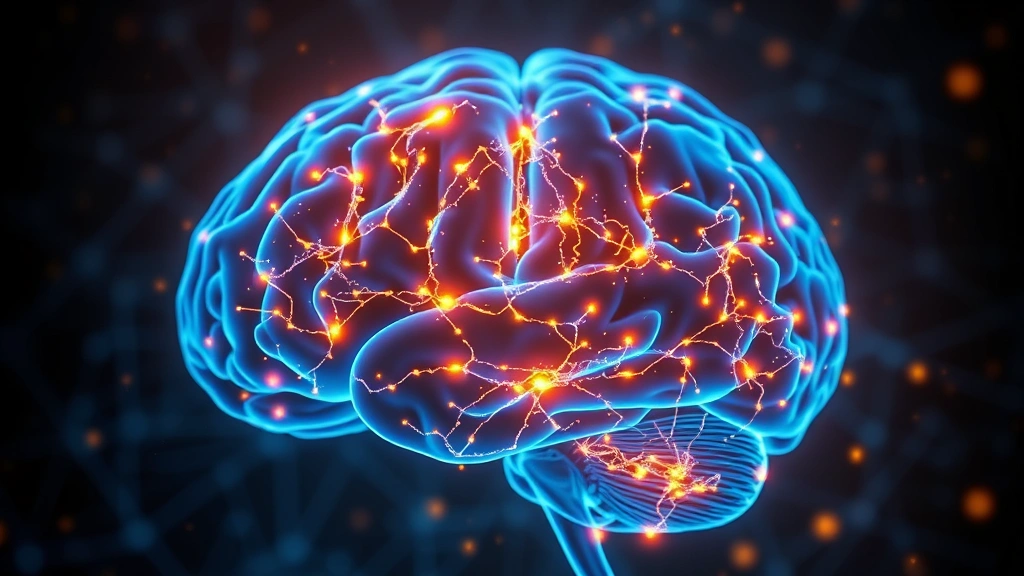
Mindfulness operates through multiple neurobiological pathways that directly influence mood regulation. When you practice mindfulness—maintaining focused attention on the present moment without judgment—your brain undergoes measurable changes in structure and function. Research from leading neuroscience institutions has identified specific mechanisms through which mindfulness enhances emotional well-being.
The amygdala, your brain’s emotional processing center, shows reduced activation and volume following consistent mindfulness practice. This neural change translates to decreased emotional reactivity and improved stress response. Simultaneously, the prefrontal cortex—responsible for rational thought, decision-making, and emotional regulation—strengthens its connections with the amygdala, creating better top-down emotional control.
Mindfulness also increases activity in the anterior cingulate cortex and insula, brain regions associated with self-awareness and emotional processing. This enhanced self-awareness allows you to observe emotions without becoming overwhelmed by them, a crucial skill for mood management. Additionally, mindfulness practice increases gray matter density in areas linked to learning, memory, and emotional regulation, suggesting that these benefits accumulate over time with consistent practice.
Neurotransmitter levels shift favorably with mindfulness meditation. Regular practitioners show increased production of serotonin and dopamine—neurotransmitters essential for mood stability—while experiencing reduced cortisol, the primary stress hormone. These biochemical changes provide a physiological foundation for the subjective mood improvements people report.
Scientific Evidence Supporting Mood Improvement
Decades of rigorous clinical research validate mindfulness as an effective mood-enhancing intervention. The most robust evidence comes from studies examining Mindfulness-Based Cognitive Therapy (MBCT) and Mindfulness-Based Stress Reduction (MBSR), both of which demonstrate significant mental health benefits.
A landmark meta-analysis published in JAMA Psychiatry analyzed 47 trials involving thousands of participants and found that mindfulness meditation programs produced improvements in anxiety and depression comparable to standard pharmaceutical treatments. Remarkably, these benefits emerged without the side effects associated with many psychiatric medications.
Research specifically examining mood disorders shows that MBCT reduces depression relapse rates by approximately 50% in individuals with recurrent depression. For individuals experiencing their first depressive episode, mindfulness-based interventions prove equally effective as antidepressant medication when measured at six-month follow-up. This evidence has led major mental health organizations, including the American Psychological Association, to recommend mindfulness-based interventions as first-line treatments for mood disorders.
Beyond clinical populations, research demonstrates that mindfulness improves mood in healthy individuals facing normal life stressors. Studies show that even brief mindfulness interventions—as short as five to ten minutes daily—produce measurable improvements in mood, anxiety, and emotional regulation within weeks. These findings suggest that mindfulness benefits extend across the entire emotional health spectrum.
The durability of mindfulness effects distinguishes it from temporary mood boosters. Unlike activities that provide momentary pleasure, mindfulness creates lasting changes in how your brain processes and responds to emotional experiences. Research tracking participants over years shows that mood improvements persist long after formal meditation practice concludes, suggesting that mindfulness builds enduring emotional resilience.
Key Mindfulness Techniques for Better Emotional Health
Effective mood enhancement through mindfulness requires understanding and practicing specific techniques suited to your needs and preferences. Different approaches activate distinct neural pathways and address particular emotional challenges.
Focused Attention Meditation involves directing your attention to a single object—your breath, a mantra, or bodily sensations—and gently returning attention whenever your mind wanders. This foundational practice strengthens prefrontal cortex activation and builds emotional regulation capacity. Begin with five minutes daily, gradually extending to twenty minutes as your practice deepens.
Body Scan Meditation systematically moves attention through your body, noticing physical sensations without judgment. This technique proves particularly valuable for individuals disconnected from bodily sensations or trapped in anxious thought patterns. By redirecting attention to present-moment physical experience, body scans interrupt rumination cycles that perpetuate negative moods.
Loving-Kindness Meditation deliberately cultivates compassion by mentally directing well-wishes toward yourself and others. This practice directly addresses mood issues rooted in self-criticism or interpersonal conflict. Research shows loving-kindness meditation increases positive emotions and reduces negative affect more rapidly than other mindfulness approaches.
Open Monitoring Meditation involves observing all thoughts, emotions, and sensations that arise without focusing on any particular object. This advanced practice develops meta-awareness—the ability to observe your mental processes from a distance—enabling you to witness mood fluctuations without identifying with them or being controlled by them.
Mindful Movement integrates mindfulness with physical activity through practices like yoga, tai chi, or conscious walking. Movement-based mindfulness proves especially effective for individuals who find sitting meditation challenging, combining the mood benefits of exercise with mindfulness’s emotional regulation advantages.
When exploring these techniques, consider consulting resources on occupational therapy for kids if you’re introducing mindfulness to children, as age-appropriate adaptations enhance practice effectiveness across developmental stages.

Mindfulness and Stress Reduction
Chronic stress represents one of the primary drivers of mood disorders, making stress reduction a crucial pathway through which mindfulness improves emotional health. Mindfulness addresses stress through multiple mechanisms simultaneously.
The stress response system—your autonomic nervous system—operates in two primary modes: sympathetic (fight-or-flight) activation and parasympathetic (rest-and-digest) activation. Chronic stress keeps most people locked in sympathetic overdrive, manifesting as anxiety, irritability, and depressed mood. Mindfulness practice directly activates the parasympathetic nervous system, shifting your baseline physiology toward relaxation and recovery.
This nervous system shift occurs through several pathways. Focused breathing—central to most mindfulness practices—directly stimulates the vagus nerve, your body’s primary parasympathetic activator. Slow, deliberate breathing patterns signal safety to your amygdala, reducing threat detection and emotional reactivity. Over time, consistent mindfulness practice resets your threat sensitivity threshold, making you less reactive to minor stressors that previously triggered mood deterioration.
Mindfulness also interrupts stress perpetuation cycles. Typically, a stressor triggers thoughts about the stressor, which generate emotional distress, which produces more stress-related thoughts—a self-reinforcing loop that maintains elevated stress hormones and depressed mood. Mindfulness breaks this cycle by creating psychological distance from thoughts. Rather than automatically believing and acting on stress-related thoughts, mindfulness practitioners observe these thoughts as mental events, reducing their power to generate additional stress and mood decline.
Research on Mindfulness-Based Stress Reduction programs demonstrates that eight-week interventions produce sustained reductions in cortisol levels, blood pressure, and self-reported stress. Participants report improved mood, better sleep quality, and enhanced emotional resilience—improvements that persist months after formal program completion.
Integrating Mindfulness with Professional Treatment
While mindfulness offers powerful mood-enhancing benefits, it works optimally when integrated with comprehensive mental health treatment rather than serving as a standalone intervention. Understanding how mindfulness complements professional care ensures you receive maximum benefit.
For individuals with clinical depression or anxiety disorders, mindfulness functions best as an adjunct to evidence-based psychotherapy. Cognitive-behavioral therapy (CBT) combined with mindfulness produces superior outcomes compared to either approach alone. Mindfulness teaches you to observe thoughts without judgment, while CBT provides tools to actively challenge and modify unhelpful thinking patterns—complementary skills that address depression from multiple angles.
Medication and mindfulness represent another effective combination. Contrary to assumptions that meditation might replace psychiatric medication, research shows that mindfulness enhances medication effectiveness while potentially reducing required doses. This combination approach addresses both neurochemical imbalances (through medication) and maladaptive thought patterns (through mindfulness), offering comprehensive treatment.
Consider exploring professional support options like physical therapy treatment for cerebral palsy or pediatric physical therapy if mood issues stem from chronic physical conditions, as integrated physical and mental health treatment optimizes outcomes. Similarly, physical therapy for kids may complement mindfulness practice when addressing mood issues in young people with physical health challenges.
Mental health professionals increasingly incorporate mindfulness directly into therapy sessions, teaching clients to practice observation skills and apply mindfulness principles during real-world emotional challenges. This integration ensures mindfulness techniques translate into practical mood improvement rather than remaining abstract meditation concepts.
If you’re seeking specialized mood support, exploring options like speech therapy for toddlers or early intervention language therapy may be relevant if mood issues connect to developmental or communication challenges, as comprehensive intervention addresses underlying contributors to emotional health.
Common Challenges and Solutions
Despite mindfulness’s effectiveness, practitioners frequently encounter obstacles that undermine consistent practice and mood benefits. Anticipating and addressing these challenges increases your likelihood of sustained practice and meaningful mood improvement.
Mental Restlessness During Meditation represents the most common initial challenge. New meditators expect their minds to become blank or perfectly calm, and interpret the normal mind-wandering that occurs as failure. In reality, noticing that your mind has wandered and returning attention constitutes successful practice—the brain’s default is to wander, and gently redirecting attention builds the neural pathways responsible for emotional regulation. Rather than viewing mental activity as a problem, recognize it as the actual mechanism through which mindfulness builds mood resilience.
Difficulty Maintaining Consistent Practice undermines mood benefits since mindfulness effects accumulate gradually. Combat this challenge by anchoring practice to existing daily habits—meditating immediately after morning coffee or before bed transforms meditation into an automatic routine requiring minimal willpower. Start with realistic time commitments; five minutes daily proves more effective than inconsistent twenty-minute sessions.
Emotional Discomfort During Practice sometimes emerges as mindfulness creates awareness of previously suppressed emotions. Rather than indicating that mindfulness isn’t working, this response demonstrates that the practice is successfully increasing emotional awareness. Continue practicing with gentle self-compassion, and consider working with a therapist if intense emotions surface, as professional guidance helps you process these emotions constructively.
Unrealistic Expectations about mindfulness speed can derail practice. Mood improvements typically emerge gradually over weeks and months rather than immediately. Research shows that most practitioners require consistent practice for 8-12 weeks before experiencing substantial mood changes. Accepting this timeline prevents discouragement and supports long-term practice commitment.
Skepticism About Meditation despite scientific evidence sometimes prevents people from giving mindfulness adequate opportunity to work. If you’re skeptical, approach mindfulness as an experiment rather than an article of faith. Commit to eight weeks of consistent practice, track your mood objectively, and let empirical results inform your assessment rather than preconceived beliefs.
FAQ
How long does it take for mindfulness to improve mood?
Most people experience initial mood improvements within 2-4 weeks of consistent daily practice. More substantial changes typically emerge by 8-12 weeks. However, individual timelines vary based on practice frequency, meditation experience, and baseline mood condition. Consistent daily practice produces faster results than sporadic practice.
Can mindfulness replace antidepressant medication?
Research indicates that mindfulness produces mood improvements comparable to medication, but it functions most effectively as a complement to medication rather than a replacement. Consult with your psychiatrist before making any medication changes, as discontinuing prescribed treatment without professional guidance risks mood relapse. Many individuals benefit from combining medication and mindfulness.
What’s the minimum daily practice needed to improve mood?
Studies show that even five to ten minutes of daily mindfulness produces measurable mood improvements within weeks. More extensive practice (20-30 minutes daily) typically produces faster and more substantial results, but consistency matters more than duration. Daily practice, regardless of length, outperforms longer sporadic sessions.
Is mindfulness effective for all types of mood problems?
Mindfulness shows efficacy across depression, anxiety, stress, and general mood regulation. However, it proves most effective for mild to moderate mood issues and works best when combined with professional treatment for severe mental illness. Your mental health provider can assess whether mindfulness suits your specific situation.
Can children benefit from mindfulness practice?
Yes, children as young as five can benefit from age-appropriate mindfulness practices. Research demonstrates that mindfulness improves mood, reduces anxiety, and enhances emotional regulation in children. Shorter practice sessions and game-like approaches work best for younger children. Parents can explore resources on physical therapy for kids and related interventions to understand how mindfulness integrates with comprehensive child development support.