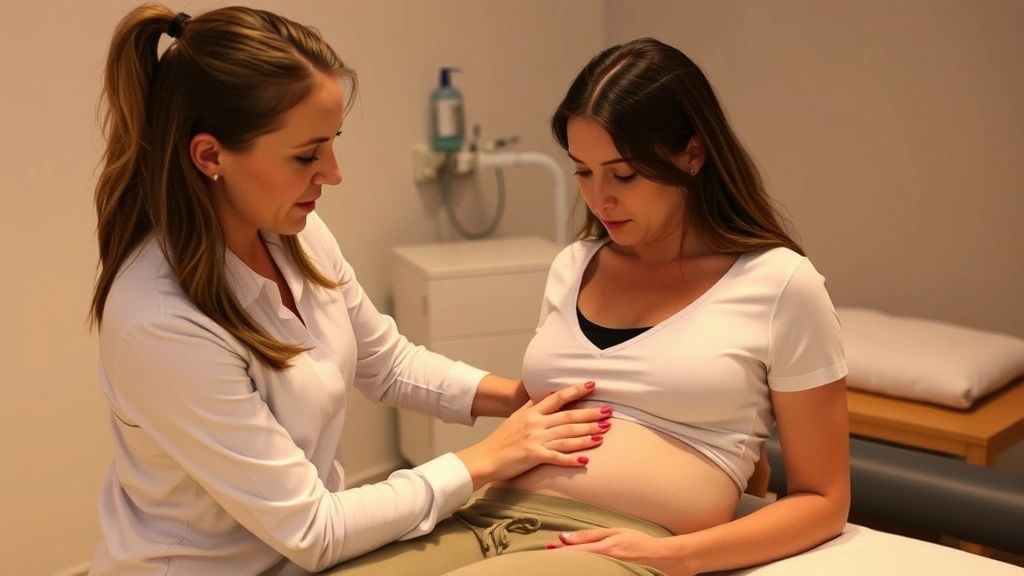
Postpartum Physical Therapy: Expert Insights and Recovery Strategies
The postpartum period represents a critical window for physical recovery that many new mothers overlook. During pregnancy and childbirth, a woman’s body undergoes profound physiological changes—from hormonal shifts to musculoskeletal adaptations—that require specialized attention and evidence-based rehabilitation. Postpartum physical therapy addresses these changes systematically, helping mothers regain strength, restore pelvic floor function, and return to daily activities with confidence.
Whether you experienced vaginal delivery or cesarean section, engaging with a qualified physical therapist during the postpartum phase can significantly impact your long-term health outcomes. This comprehensive guide explores expert insights into postpartum recovery, evidence-based interventions, and practical strategies to optimize your rehabilitation journey.
Understanding Postpartum Physical Changes
Pregnancy fundamentally alters a woman’s physiology across multiple systems. The hormone relaxin, which peaks during pregnancy and the immediate postpartum period, increases ligamentous laxity to facilitate delivery. This hormonal environment persists for 3-5 months postpartum in non-breastfeeding mothers and up to 12 months in breastfeeding mothers, creating a window of vulnerability where joints remain more mobile and less stable.
The abdominal wall experiences significant stretching during pregnancy, with the rectus abdominis muscles separating along the linea alba. This condition, called diastasis recti, affects nearly 100% of women in the third trimester and approximately 60% at six weeks postpartum. Beyond abdominal separation, postpartum mothers commonly experience pelvic floor dysfunction, including weakness, tension, or a combination of both conditions.
Spinal alignment changes occur as the center of gravity shifts during pregnancy and gradually normalizes postpartum. However, postural habits developed during pregnancy—such as anterior pelvic tilt and thoracic kyphosis—often persist without intentional correction. These biomechanical changes contribute to back pain, neck tension, and upper extremity dysfunction that many postpartum women experience.
Understanding these physiological changes provides the foundation for effective postpartum physical therapy interventions. Rather than viewing recovery as passive, evidence-based approaches recognize that active rehabilitation accelerates healing and prevents long-term complications.
The Critical Role of Pelvic Floor Rehabilitation
The pelvic floor muscles support the bladder, bowel, and reproductive organs while contributing to sexual function and continence. During pregnancy and vaginal delivery, these structures experience tremendous stress. Even cesarean delivery impacts pelvic floor function through pregnancy-related changes and postoperative inflammation.
Pelvic floor physical therapy addresses multiple concerns: stress urinary incontinence (leaking with coughing, sneezing, or exercise), urgency incontinence, pelvic pain, painful intercourse, and reduced sexual satisfaction. Research published in the Journal of Women’s Health Physical Therapy demonstrates that early pelvic floor rehabilitation significantly reduces incontinence symptoms and improves quality of life.
A qualified pelvic floor physical therapist conducts internal assessments to evaluate muscle strength, endurance, coordination, and relaxation capacity. Many postpartum women present with hypertonic (overly tight) pelvic floor muscles rather than weakness—a distinction that dramatically changes treatment approach. Relaxation techniques, breathing patterns, and behavioral modifications become primary interventions for hypertonic dysfunction, whereas strengthening exercises benefit women with weakness.
Therapeutic exercises progress systematically from isolated pelvic floor contractions to functional integration with core activation and dynamic movements. By 8-12 weeks postpartum, most women can safely initiate pelvic floor strengthening, though individualized timing depends on delivery method and complications.
The connection between pelvic floor health and overall recovery cannot be overstated. Restoring pelvic floor function reduces pain, improves continence, and enables confident return to physical activities—including exercise, sports, and intimate relationships.

Core Strengthening and Diastasis Recti Management
The abdominal core comprises multiple layers: the rectus abdominis (six-pack muscle), external and internal obliques, transverse abdominis, and the pelvic floor. Optimal core function requires coordinated activation of all layers, not isolated strengthening of superficial muscles.
Diastasis recti, characterized by separation of the rectus abdominis muscles exceeding 2 centimeters, requires specific management strategies. Contemporary evidence, synthesized by The American College of Obstetricians and Gynecologists, emphasizes that diastasis recti itself is not inherently problematic—rather, the dysfunction it creates necessitates rehabilitation.
Effective diastasis recti management focuses on:
- Transverse abdominis activation—engaging the deepest abdominal layer that acts like a corset, providing stability and supporting the linea alba
- Intra-abdominal pressure management—learning to control pressure during functional movements like lifting, coughing, and bearing down
- Movement pattern modification—eliminating exercises that increase abdominal bulging and choosing alternatives that promote healing
- Progressive loading—gradually increasing exercise intensity as the linea alba demonstrates improved integrity and function
Research indicates that targeted core rehabilitation, initiated 4-6 weeks postpartum, significantly improves abdominal separation and reduces associated pain and dysfunction. Contrary to popular belief, traditional crunches and sit-ups often exacerbate diastasis recti and should be avoided until the linea alba demonstrates adequate strength and tissue quality.
Integration with physical therapy treatment approaches that address movement quality ensures that core strengthening translates to functional capacity and pain reduction.
Timeline for Safe Return to Exercise
One of the most common questions from postpartum mothers concerns when they can safely resume exercise. The timeline varies significantly based on delivery method, complications, and individual healing capacity.
Vaginal delivery without complications: Low-impact activities like walking can resume immediately postpartum. Between 4-6 weeks, as bleeding decreases and initial healing progresses, gentle pelvic floor and core activation exercises become appropriate. By 6-8 weeks, with medical clearance, many women can initiate more structured rehabilitation. Return to running, high-impact activities, and intense strength training typically requires 12-16 weeks of progressive preparation.
Cesarean delivery: The surgical incision requires additional healing time. Walking can resume within days, but structured exercise should wait until 6-8 weeks postpartum, when the incision demonstrates adequate tissue healing. Return to running and high-impact activities typically requires 16-20 weeks of progressive rehabilitation.
Complications such as severe perineal tears, pelvic floor injury, or cesarean complications: These situations demand individualized assessment and potentially extended rehabilitation timelines. Physical therapy becomes essential rather than optional.
Progressive return to exercise follows a structured approach: low-impact activities → pelvic floor and core integration → dynamic movements → impact activities → sport-specific training. This progression ensures that tissues adapt appropriately and that functional capacity increases systematically.
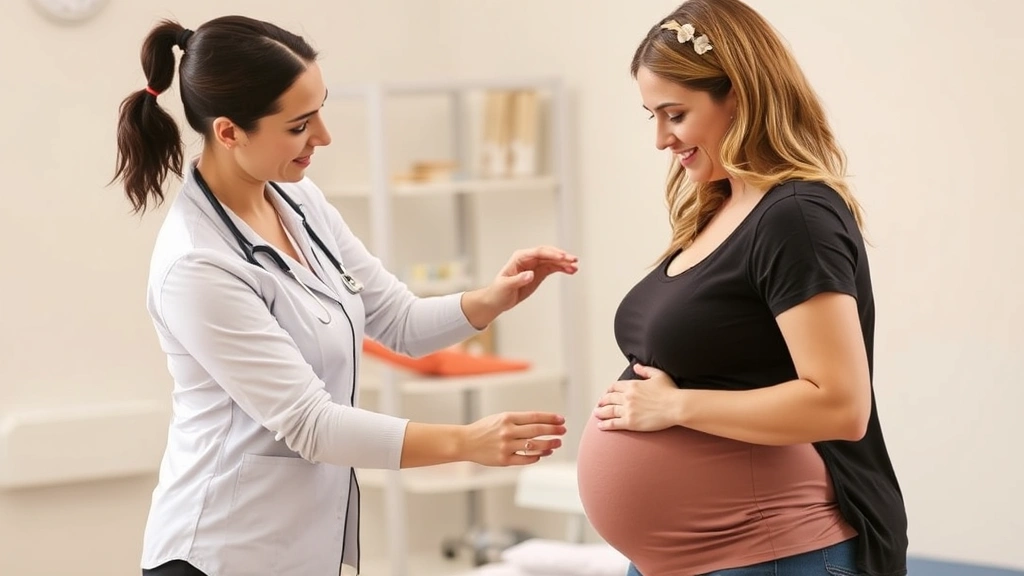
Common Postpartum Conditions and Treatment Approaches
Beyond diastasis recti and general pelvic floor dysfunction, several conditions frequently present in the postpartum period:
Pelvic girdle pain (PGP): This condition, affecting 45% of pregnant women and 25% of postpartum women, involves pain in the sacroiliac joint, pubic symphysis, or surrounding structures. Evidence-based treatment includes Cochrane-reviewed interventions such as pelvic stability exercises, manual therapy, and activity modification. Specialized pelvic physical therapy dramatically improves outcomes.
Postpartum back pain: Affecting up to 60% of postpartum women, this condition stems from biomechanical changes, postural adaptations, and muscular deconditioning. Physical therapy addressing spinal alignment, core strength, and movement patterns effectively reduces pain and prevents chronicity.
Postpartum depression and anxiety: While primarily psychological conditions, physical therapy contributes significantly to recovery. Exercise improves mood, increases endorphins, and promotes sleep—all critical for mental health recovery. Specialized programs integrating physical rehabilitation with mental health support demonstrate superior outcomes.
Urinary and fecal incontinence: Pelvic floor physical therapy represents the gold-standard first-line treatment. Research demonstrates 60-80% improvement rates with supervised pelvic floor rehabilitation, often eliminating the need for surgical intervention.
Painful intercourse (dyspareunia): This common postpartum concern results from pelvic floor tension, scar tissue, hormonal changes, and psychological factors. Physical therapy addressing pelvic floor relaxation, scar tissue mobilization, and progressive desensitization effectively restores sexual function.
Mental Health Integration in Physical Recovery
Postpartum recovery encompasses far more than physical rehabilitation—psychological and emotional wellbeing directly influence physical outcomes. The bidirectional relationship between physical activity and mental health becomes particularly important during postpartum recovery.
Physical therapy itself provides mental health benefits through multiple mechanisms: increased physical activity elevates mood and reduces anxiety, supervised exercise provides structure and accomplishment, and restoration of functional capacity rebuilds confidence and autonomy. For mothers experiencing postpartum depression or anxiety, therapy resources and information addressing both physical and psychological aspects prove most effective.
Compassionate, trauma-informed physical therapy approaches recognize that delivery experiences vary tremendously. Some women experience empowering, positive births, while others encounter medical complications, emergency interventions, or experiences perceived as traumatic. Skilled therapists acknowledge these experiences and adapt approaches accordingly, creating safe environments for physical rehabilitation.
The integration of mental health support within physical therapy settings—through referrals to mental health professionals, collaborative care models, or therapist training in psychological aspects of recovery—enhances overall outcomes significantly.
Choosing the Right Physical Therapist
Not all physical therapists possess specialized training in postpartum rehabilitation. Selecting an appropriately qualified provider significantly impacts recovery outcomes.
Essential qualifications include:
- Pelvic health specialization—certification through organizations like the American Physical Therapy Association’s Section on Women’s Health indicates advanced training
- Postpartum-specific experience—therapists with substantial caseloads of postpartum clients understand the unique challenges and appropriate progression
- Evidence-based practice—providers who stay current with research and utilize validated assessment tools deliver superior outcomes
- Individualized assessment—thorough evaluation including pelvic floor assessment, core function analysis, and functional movement screening guides treatment planning
- Collaborative approach—coordination with obstetricians, midwives, and mental health providers ensures comprehensive care
When evaluating potential providers, ask about their specific training, success rates with similar conditions, and approach to individualized care. Many physical therapists now offer telehealth consultations, expanding access to specialized care.
For those seeking local providers, resources like speech therapy and allied health provider directories increasingly include physical therapy specialists, though direct searching for pelvic health physical therapists often yields more relevant results.
FAQ
When should I start postpartum physical therapy?
Most women can begin gentle pelvic floor and core rehabilitation 4-6 weeks postpartum with medical clearance, though timing varies based on delivery method and complications. Cesarean delivery typically requires waiting until 6-8 weeks. Consult your obstetrician or midwife before initiating any exercise program.
Does diastasis recti always require physical therapy?
Not necessarily. Mild separation with good functional capacity may improve with time and natural strengthening. However, diastasis recti causing pain, dysfunction, or limiting activities benefits significantly from targeted physical therapy. Assessment by a specialized therapist determines whether intervention is needed.
How long does postpartum physical therapy typically take?
Recovery timelines vary considerably. Many women show significant improvement within 8-12 weeks of consistent therapy, though complete restoration of function may require 4-6 months or longer. Individual factors including pregnancy complications, delivery method, and pre-pregnancy fitness levels influence duration.
Can I do postpartum physical therapy while breastfeeding?
Absolutely. Breastfeeding poses no contraindication to physical therapy. In fact, the hormonal environment of breastfeeding may extend the postpartum recovery window, making continued rehabilitation important for ongoing healing.
What exercises should I avoid postpartum?
Early postpartum, avoid high-impact activities, intense strength training, and exercises that increase abdominal pressure or pelvic floor stress. Traditional crunches and sit-ups can exacerbate diastasis recti. A qualified physical therapist provides specific guidance based on individual assessment.
Is postpartum physical therapy covered by insurance?
Most insurance plans cover physical therapy with appropriate medical referral, though coverage varies by plan and region. Verify coverage with your insurance provider and request a referral from your healthcare provider to initiate treatment.