Postpartum Physical Therapy: What Experts Advise
The postpartum period represents a critical window for physical recovery and rehabilitation after childbirth. Whether you experienced vaginal delivery or cesarean section, your body has undergone significant physiological changes that require careful attention and structured rehabilitation. Postpartum physical therapy has emerged as an evidence-based approach to address the musculoskeletal, pelvic floor, and cardiovascular challenges new mothers face during recovery.
Medical professionals increasingly recognize that postpartum recovery extends far beyond the traditional six-week clearance from an obstetrician. Recent research from the American College of Obstetricians and Gynecologists emphasizes that comprehensive physical rehabilitation can significantly improve outcomes related to pain, function, and quality of life. This comprehensive guide explores expert recommendations for postpartum physical therapy, evidence-based interventions, and practical strategies to support your recovery journey.
Understanding Postpartum Physical Changes
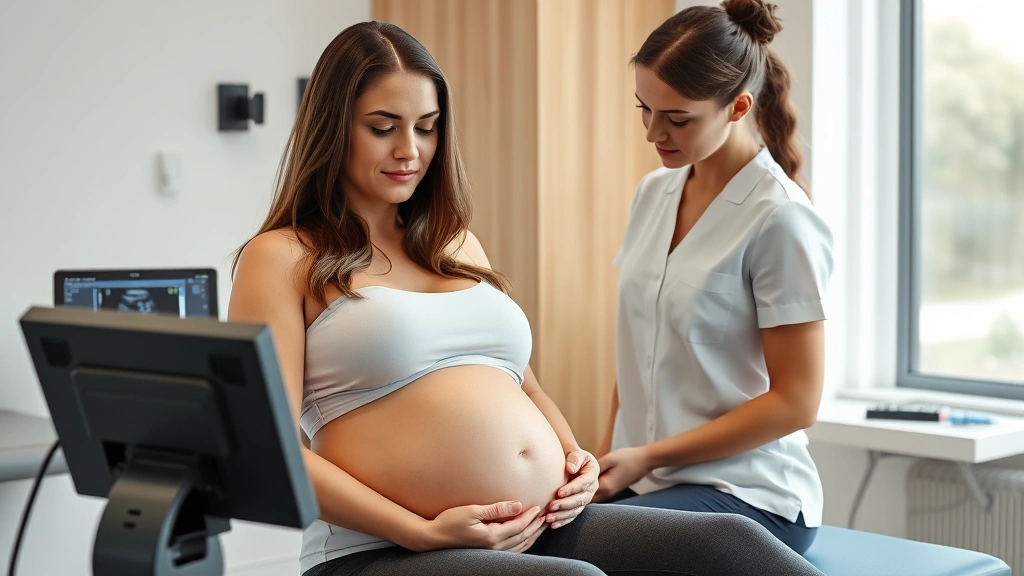
Pregnancy and childbirth create profound physical transformations that affect nearly every system in your body. During pregnancy, hormonal changes—particularly increased relaxin levels—loosen ligaments and connective tissues to accommodate fetal growth and prepare for delivery. These hormonal effects persist for months postpartum, creating a window of vulnerability where joints and tissues remain more mobile and susceptible to injury.
The abdominal muscles stretch significantly during pregnancy, often separating along the linea alba (the connective tissue between the rectus abdominis muscles). Additionally, the pelvic floor muscles—which support the bladder, bowel, and uterus—experience considerable trauma during vaginal delivery or surgical trauma during cesarean sections. Understanding these changes is fundamental to appreciating why structured postpartum physical therapy matters.
Beyond musculoskeletal changes, postpartum recovery involves cardiovascular deconditioning, altered breathing patterns, postural changes from pregnancy, and potential nerve compression or injury. The combination of these factors necessitates a graduated, individualized approach to rehabilitation rather than immediately resuming pre-pregnancy activity levels.
Pelvic Floor Dysfunction and Recovery
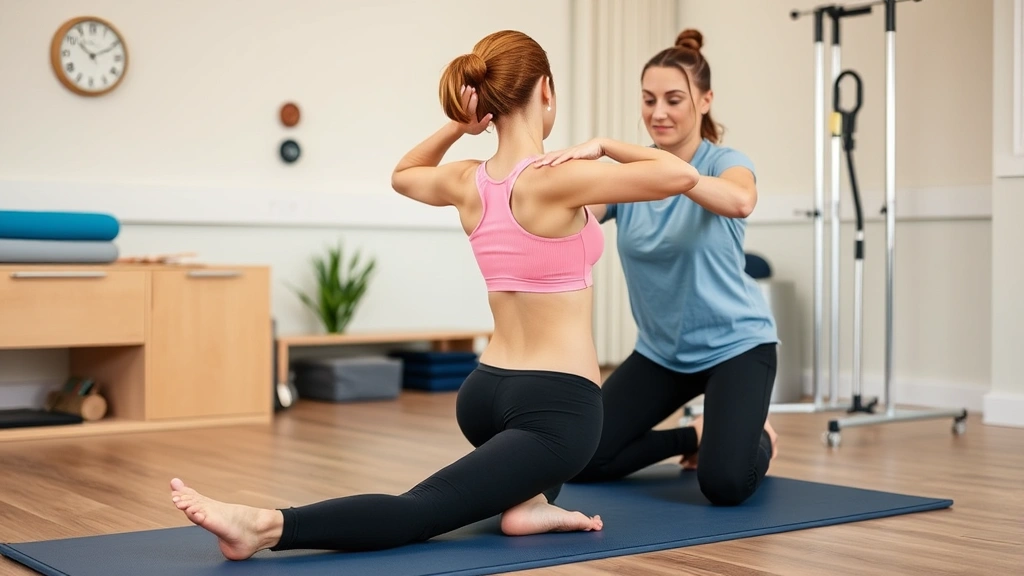
The pelvic floor muscles form a critical support system for pelvic organs and play essential roles in continence, sexual function, and core stability. Vaginal delivery can cause significant pelvic floor trauma, including muscle tears, nerve damage, and connective tissue injury. Even cesarean deliveries affect pelvic floor function through hormonal influences and altered movement patterns during pregnancy.
Common postpartum pelvic floor issues include stress urinary incontinence (leaking with coughing, sneezing, or exercise), urgency incontinence, fecal incontinence, pelvic pain, and sexual dysfunction. Research published in the British Journal of Obstetrics and Gynaecology demonstrates that pelvic floor physical therapy significantly reduces these symptoms and improves functional outcomes.
Expert-recommended pelvic floor rehabilitation typically includes assessment by a specialized pelvic floor physical therapist who can identify specific muscle weakness, tension, or coordination issues. Treatment may involve pelvic floor muscle training (similar to Kegel exercises but more refined), manual therapy techniques, biofeedback training, and education about proper breathing and movement patterns. The goal is restoring optimal pelvic floor function—neither too weak nor too tight—to support daily activities, exercise, and intimacy.
Pelvic floor assessment should occur as part of comprehensive postpartum physical therapy evaluation. Many women benefit from pelvic floor physical therapy even when they don’t report obvious symptoms, as dysfunction often develops silently and compounds over time if untreated.
Core Strengthening and Diastasis Recti
Diastasis recti—the separation of the rectus abdominis muscles—occurs in virtually all pregnancies but typically resolves naturally in many women. However, approximately 30-60% of women experience persistent separation beyond six months postpartum. This condition, also called abdominal separation or diastasis recti abdominis (DRA), affects core stability, contributes to back pain, and can impact exercise performance.
Expert guidance emphasizes that traditional core exercises like crunches or sit-ups are contraindicated for women with diastasis recti, as they increase intra-abdominal pressure and widen the separation. Instead, rehabilitation focuses on restoring proper breathing mechanics, recruiting deep core muscles (transverse abdominis), and progressing functional movements gradually.
Effective diastasis recti rehabilitation includes:
- Diaphragmatic breathing to engage the deepest core muscles
- Transverse abdominis activation exercises in multiple positions
- Functional movement patterns that integrate core stability with daily activities
- Gradual progression to more demanding exercises as strength improves
- Education about proper body mechanics during lifting, carrying, and exercise
Physical therapists specializing in postpartum care assess diastasis recti using palpation and ultrasound imaging to measure separation width and muscle function. Treatment success depends on consistent home exercise adherence and patience, as recovery often requires 3-6 months or longer. Combining specialized physical therapy treatment approaches with proper exercise progression yields optimal results.
Cardiovascular Reconditioning
Pregnancy and the immediate postpartum period significantly affect cardiovascular fitness and exercise capacity. During pregnancy, blood volume increases by 40-50%, and the cardiovascular system undergoes substantial adaptations. After delivery, these changes gradually normalize, but the deconditioning process requires careful attention.
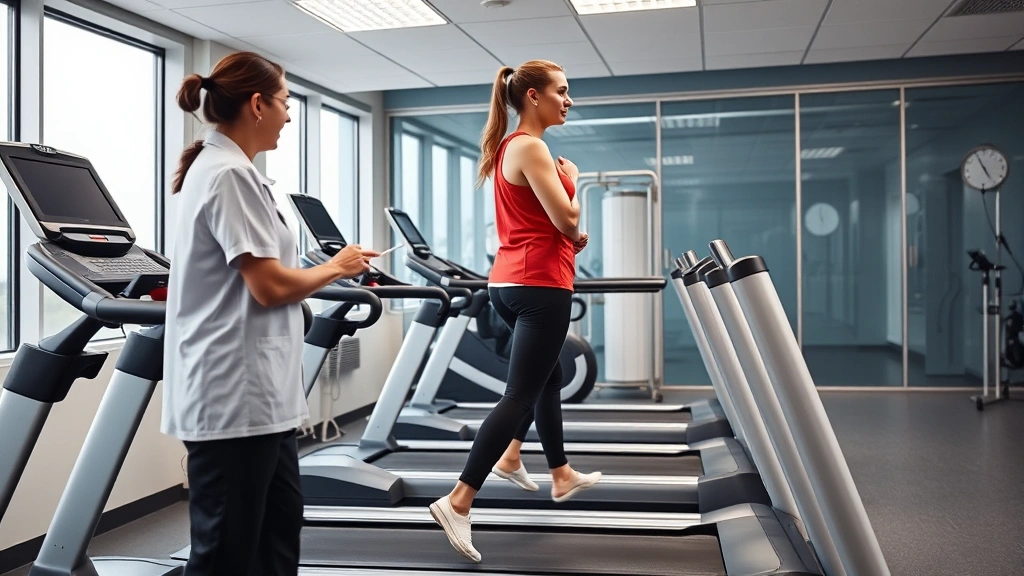
Most women experience dramatic fitness decrements during late pregnancy and early postpartum recovery. Returning to pre-pregnancy cardiovascular fitness requires systematic reconditioning, not abrupt resumption of intense exercise. Expert recommendations suggest beginning with low-impact activities like walking, gradually increasing duration and intensity over weeks and months.
Cardiovascular reconditioning in postpartum physical therapy involves:
- Initial assessment of cardiovascular fitness and exercise tolerance
- Prescription of graduated aerobic activities matching individual recovery stage
- Monitoring for warning signs like excessive fatigue, dizziness, or bleeding changes
- Progressive increases in intensity and duration based on individual response
- Integration of cardiovascular exercise with pelvic floor and core rehabilitation
Physical therapists working with postpartum clients understand that hormonal changes, sleep deprivation, breastfeeding demands, and emotional stress all affect exercise capacity and recovery. A personalized approach that accounts for these factors produces better adherence and outcomes than generic fitness recommendations.
Pain Management Strategies
Postpartum pain commonly affects the perineum, cesarean incision site, lower back, pelvic joints, and neck/shoulders. While some pain is expected during recovery, persistent or severe pain warrants professional evaluation and targeted management. Physical therapy offers evidence-based pain management strategies that address underlying causes rather than merely masking symptoms.
Expert-recommended pain management approaches include:
- Manual therapy techniques: Soft tissue mobilization, joint mobilization, and scar tissue management to improve mobility and reduce pain
- Therapeutic exercise: Graduated strengthening and mobility work that addresses movement impairments contributing to pain
- Modalities: Heat, ice, or other therapeutic modalities used judiciously to support recovery
- Movement education: Teaching proper body mechanics and movement patterns to prevent pain exacerbation
- Pelvic floor rehabilitation: Addressing pelvic floor dysfunction that often contributes to pelvic and low back pain
Research from the Journal of Women’s Health Physical Therapy demonstrates that physical therapy interventions reduce postpartum pain and improve function better than standard care alone. Pain management success requires identifying specific pain sources and addressing underlying biomechanical or physiological issues.
Timeline for Returning to Exercise
One of the most common questions postpartum women ask concerns when they can resume exercise. Expert consensus emphasizes that the six-week postpartum clearance from an obstetrician does not indicate readiness for vigorous exercise. Rather, it represents basic medical clearance for driving, most normal activities, and sexual intercourse.
A more nuanced timeline for exercise progression includes:
- Weeks 0-6: Focus on gentle walking, breathing exercises, and basic pelvic floor awareness. Avoid high-impact activities, heavy lifting, and exercises that increase intra-abdominal pressure
- Weeks 6-12: Gradually introduce low-impact cardiovascular activity, begin gentle core strengthening with proper progression, and continue pelvic floor rehabilitation
- Months 3-6: Progress to moderate-intensity exercise, introduce impact activities cautiously, and advance core and pelvic floor training based on individual tolerance
- After 6 months: Return to more demanding exercise with continued attention to pelvic floor health and core integration
Individual variation is substantial—some women progress faster while others require longer recovery. Factors affecting timeline include delivery method (vaginal versus cesarean), perineal trauma severity, overall fitness level, sleep quality, and psychological recovery. Working with a physical therapist familiar with pediatric and postpartum physical therapy specialties ensures appropriate progression for your specific situation.
Finding Professional Support
Not all physical therapists possess specialized training in postpartum rehabilitation. Seeking a therapist with specific credentials and experience in postpartum physical therapy, pelvic health, or women’s health significantly improves outcomes. Look for therapists with certifications such as the Pelvic Health Physical Therapy Specialist credential or extensive postpartum experience.
Questions to ask when selecting a postpartum physical therapist include:
- How much of your practice focuses on postpartum rehabilitation?
- Have you completed specialized training in pelvic floor physical therapy?
- Do you assess and treat diastasis recti?
- How do you integrate pelvic floor, core, and cardiovascular rehabilitation?
- What is your approach to return-to-exercise progression?
Many women benefit from combining postpartum physical therapy with other supportive services. Occupational therapy can address functional activities and energy management, while speech therapy services may help with breathing mechanics if indicated. Additionally, physical therapy for children becomes relevant if you need guidance on safe movement with your baby.
Insurance coverage for postpartum physical therapy varies, but many plans cover therapy with appropriate physician referral. Some therapists offer direct-pay options or sliding scale fees for those without insurance coverage. Investing in professional postpartum physical therapy early prevents long-term complications and supports faster, more complete recovery.
FAQ
When should I start postpartum physical therapy?
Most women can begin gentle postpartum physical therapy around 4-6 weeks postpartum with medical clearance, though some initial education and breathing work can begin earlier. The optimal timing depends on delivery method, complications, and individual recovery. Consult your obstetrician before beginning any formal therapy program.
How long does postpartum physical therapy typically last?
Duration varies considerably but typically ranges from 2-4 months of regular therapy sessions combined with home exercises. Some women require longer treatment for persistent issues. Frequency usually begins at 1-2 sessions weekly and decreases as independence with home exercises increases.
Is postpartum physical therapy covered by insurance?
Many insurance plans cover postpartum physical therapy with appropriate physician referral and documentation of medical necessity. Coverage varies by plan and insurance company. Contact your insurance provider to understand your specific coverage before beginning therapy.
Can I do postpartum physical therapy while breastfeeding?
Absolutely. Postpartum physical therapy is entirely compatible with breastfeeding. In fact, addressing postpartum physical issues often improves posture and reduces pain that may interfere with comfortable breastfeeding positions.
What if I’m experiencing pelvic pain postpartum?
Pelvic pain warrants professional evaluation to identify the specific cause. Physical therapy assessment can determine whether pain originates from pelvic floor dysfunction, joint dysfunction, nerve involvement, or other sources. Treatment is tailored to the underlying cause and typically very effective.
Is it normal to leak urine after pregnancy?
While common, stress urinary incontinence is not normal and is highly treatable through pelvic floor physical therapy. Studies show that pelvic floor muscle training resolves incontinence in 60-90% of women. Early intervention produces better outcomes than waiting months or years.
When can I return to high-impact exercise?
Return to running, jumping, or other high-impact activities depends on individual pelvic floor and core function rather than time alone. Many women can safely return to impact activities by 3-6 months postpartum with appropriate preparation, but some require longer recovery. Pelvic floor assessment determines readiness.