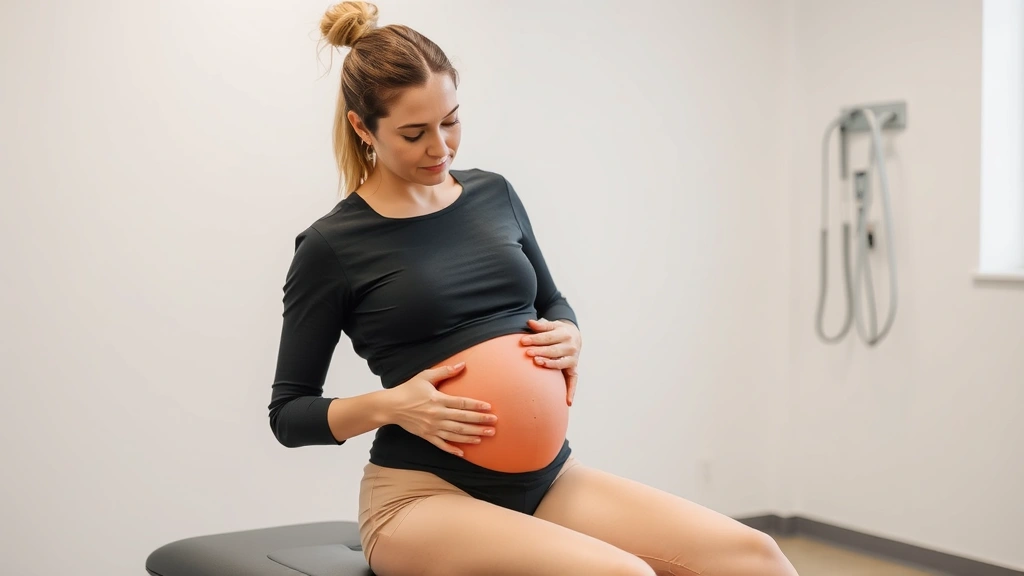
Postpartum Physical Therapy: Expert Insights
The postpartum period represents a critical window for physical recovery and rehabilitation. After nine months of pregnancy and the physical demands of childbirth, a woman’s body requires specialized attention to restore strength, mobility, and functional capacity. Postpartum physical therapy has emerged as an evidence-based approach to address the musculoskeletal, pelvic floor, and cardiovascular changes that occur during pregnancy and delivery.
Whether you experienced vaginal delivery or cesarean section, engaging with a qualified physical therapist can significantly accelerate recovery and prevent long-term complications. This comprehensive guide explores expert insights into postpartum physical therapy, evidence-based interventions, and practical strategies for returning to optimal health.
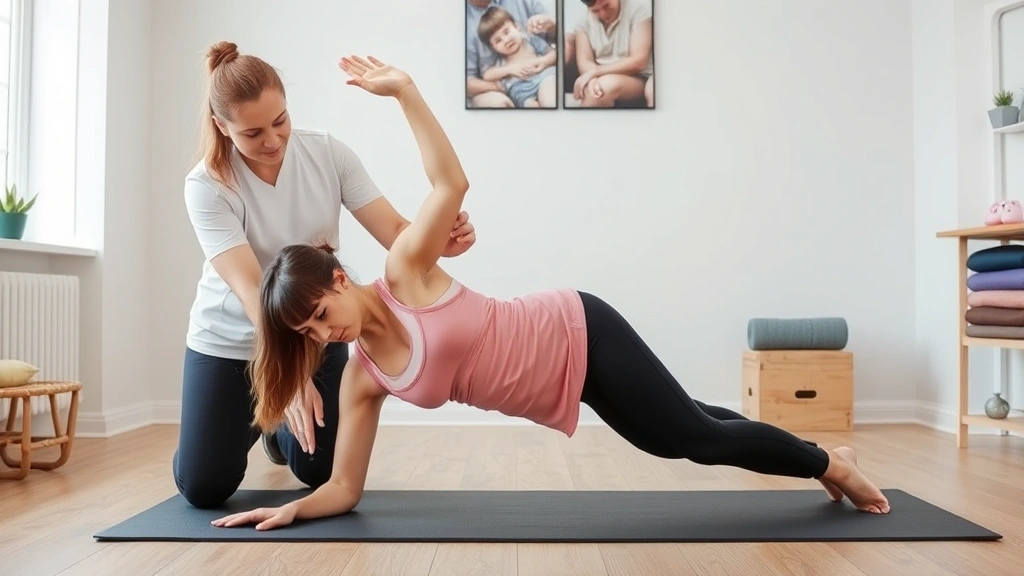
Understanding Postpartum Physical Changes
Pregnancy induces profound physiological adaptations throughout the body. The hormone relaxin increases ligament laxity by up to 50%, the center of gravity shifts forward by up to 3.5 centimeters, and spinal curvature increases to accommodate the growing fetus. These changes don’t immediately reverse after delivery.
During pregnancy, the abdominal muscles stretch, the ribcage expands by 2-3 centimeters, and the pelvis widens. The cardiovascular system increases blood volume by 40-50%, and breathing patterns shift to accommodate the growing uterus. Understanding these changes helps explain why postpartum recovery requires targeted intervention rather than generic exercise.
Research from the American College of Obstetricians and Gynecologists emphasizes that postpartum physical therapy should begin within the first 6-8 weeks postpartum for vaginal deliveries and 8-12 weeks for cesarean sections. Early intervention prevents compensatory movement patterns that can lead to chronic pain and dysfunction.
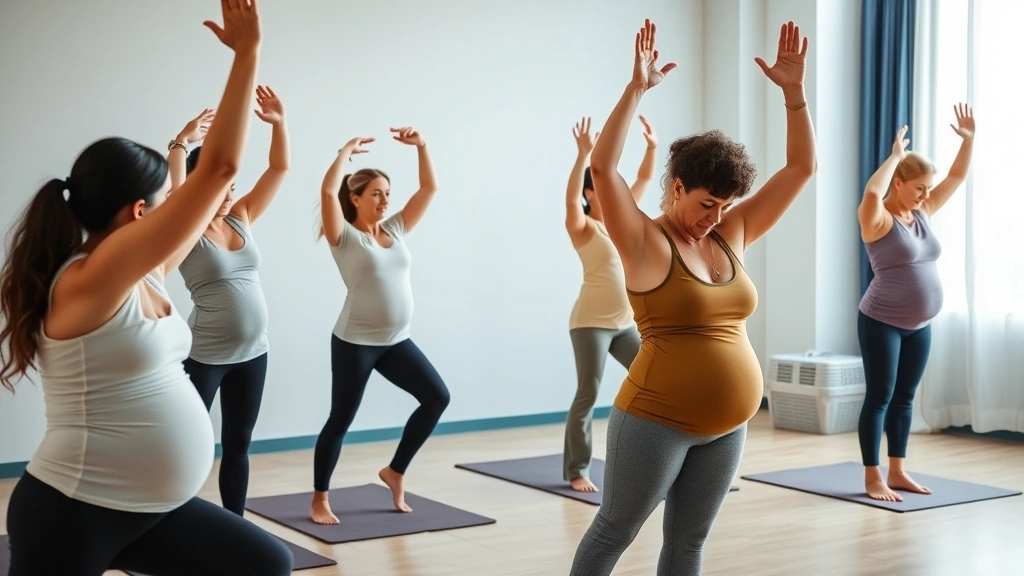
Pelvic Floor Dysfunction and Recovery
The pelvic floor muscles endure significant trauma during pregnancy and vaginal delivery. These muscles support the bladder, bowel, and uterus while maintaining continence and sexual function. Approximately 30-50% of postpartum women experience pelvic floor dysfunction, including urinary incontinence, fecal incontinence, and pelvic pain.
Pelvic floor physical therapy addresses these concerns through targeted assessment and treatment. A specialized pelvic floor therapist evaluates muscle strength, endurance, coordination, and relaxation capacity. Treatment may include:
- Biofeedback training to increase awareness of pelvic floor muscle activation
- Progressive resistance exercises to rebuild muscle strength and endurance
- Relaxation techniques for hypertonic pelvic floor muscles
- Functional retraining for proper muscle coordination during daily activities
- Electrostimulation therapy to facilitate muscle activation in severe cases
Studies published in the International Urogynecology Journal demonstrate that pelvic floor physical therapy reduces postpartum urinary incontinence by 60-80% when initiated early. The timing and intensity of intervention significantly impact outcomes, making early professional assessment crucial.
Many women hesitate to discuss pelvic floor dysfunction due to embarrassment, but this specialized therapy is essential for long-term quality of life. Untreated pelvic floor dysfunction can persist for years and may worsen with subsequent pregnancies.
Core Strengthening After Pregnancy
The core extends far beyond the rectus abdominis muscle. It includes the transverse abdominis, internal and external obliques, pelvic floor muscles, and deep spinal stabilizers. During pregnancy, these muscles stretch, weaken, and lose neuromuscular control. Postpartum core rehabilitation requires systematic progression.
Initial phases focus on transverse abdominis reactivation and pelvic floor muscle coordination. Exercises begin in supine or quadruped positions with low resistance. Progression occurs gradually as strength and control improve. Advanced phases incorporate dynamic movements, rotational exercises, and functional activities.
Research demonstrates that women who engage in structured core rehabilitation experience faster return to pre-pregnancy function and reduced risk of chronic low back pain. The process typically requires 12-16 weeks of consistent therapy for significant improvements.
Effective core rehabilitation integrates multiple muscle groups rather than isolating individual muscles. Functional exercises that mimic daily activities—such as lifting, bending, and carrying—prove more effective than traditional crunches or planks. This approach also prevents compensatory patterns that develop when isolated muscle groups are trained without proper integration.
For those interested in related therapeutic approaches, physical therapy treatment for cerebral palsy shares similar neuromotor retraining principles, though the application differs significantly. Additionally, understanding occupational therapy jobs provides insight into the broader rehabilitation field.
Return to Exercise Timeline
A safe return to exercise requires careful progression based on individual recovery. The American College of Obstetricians and Gynecologists recommends waiting 6-8 weeks postpartum before resuming structured exercise following vaginal delivery, and 8-12 weeks after cesarean section.
However, this timeline represents a minimum starting point, not a definitive endpoint. Individual factors influence appropriate progression:
- Delivery type—vaginal versus cesarean creates different tissue trauma patterns
- Perineal trauma—episiotomy or tearing requires longer healing periods
- Pelvic floor function—incontinence or pain indicates need for specialized therapy
- Cesarean incision healing—scar tissue formation and adhesions affect movement patterns
- Overall fitness level—pre-pregnancy activity influences recovery trajectory
- Presence of complications—gestational diabetes or preeclampsia may extend recovery timelines
Week 6-12 focuses on walking, gentle stretching, and pelvic floor muscle awareness. Weeks 12-16 introduce basic strengthening exercises and low-impact aerobic activity. Weeks 16-24 allow progression to moderate-intensity exercise and sport-specific training. Return to high-impact activities, heavy lifting, or competitive sports typically occurs after 6-9 months with appropriate conditioning.
Women who attempt premature return to exercise risk pelvic floor dysfunction, increased bleeding, and delayed healing. Conversely, overly cautious approaches can lead to deconditioning and psychological distress. Professional guidance from a pelvic health physical therapist optimizes this balance.
Diastasis Recti Management
Diastasis recti abdominis, the separation of the rectus abdominis muscles, occurs in nearly 100% of pregnancies by the third trimester. While some separation is normal and expected, excessive separation (greater than 2 centimeters) with poor muscle function can cause core dysfunction, low back pain, and abdominal weakness.
Assessment requires more than measuring the gap between muscles. Functional evaluation examines muscle tension, doming or bulging during movement, and ability to generate force. A 3-centimeter separation with good muscle function may cause fewer problems than a 1.5-centimeter separation with poor neuromuscular control.
Management principles include:
- Proper breathing mechanics to coordinate diaphragm and pelvic floor function
- Transverse abdominis activation during functional movements
- Progressive loading without causing abdominal bulging or doming
- Avoidance of problematic exercises that increase intra-abdominal pressure excessively
- Functional integration of core muscles during daily activities
Traditional crunches and sit-ups often worsen diastasis recti by increasing intra-abdominal pressure without improving neuromuscular control. Evidence-based rehabilitation focuses on restoring functional capacity rather than simply closing the gap between muscles.
Most women achieve significant improvement within 16-24 weeks of structured therapy. Some residual separation may persist but typically causes no functional problems when muscles work properly. Professional assessment ensures appropriate progression and prevents compensation patterns.
Pain Management Strategies
Postpartum pain varies significantly based on delivery method and individual factors. Vaginal delivery pain typically centers on perineal trauma, while cesarean section pain involves abdominal and incision-related discomfort. Physical therapy addresses pain through multiple mechanisms.
Manual therapy techniques, including soft tissue mobilization and myofascial release, reduce muscle tension and improve tissue mobility. Scar tissue management for cesarean incisions prevents adhesions and improves tissue extensibility. Therapeutic exercise reduces pain by improving movement patterns and reducing compensatory muscle tension.
Modalities such as transcutaneous electrical nerve stimulation (TENS) and red light therapy may provide temporary pain relief, though evidence for some modalities remains limited. Movement-based interventions consistently demonstrate stronger long-term benefits than passive treatments alone.
Postpartum pain that persists beyond 12 weeks warrants professional evaluation. Chronic postpartum pain may indicate pelvic floor dysfunction, myofascial pain syndrome, or other conditions requiring specialized treatment. Early intervention prevents transition to chronic pain states.
Mental Health and Physical Recovery
Physical recovery and mental health intertwine during the postpartum period. Postpartum depression and anxiety affect 15-20% of new mothers and can significantly impair engagement with rehabilitation. Conversely, physical dysfunction contributes to psychological distress.
Research demonstrates that structured physical activity and physical therapy improve postpartum mood and anxiety symptoms. The combination of physical improvement, increased functional capacity, and achievement of rehabilitation goals contributes to psychological well-being. Understanding therapy for breakups illustrates how psychological and physical health interconnect across different life domains.
A holistic approach to postpartum recovery addresses both physical and mental health needs. Physical therapists should screen for postpartum mood disorders and coordinate care with mental health professionals when indicated. This integrated approach optimizes outcomes and supports overall wellness.
Social support, realistic expectations, and professional guidance significantly influence both physical recovery and mental health. Women who receive comprehensive postpartum care report higher satisfaction with recovery and better long-term outcomes.
FAQ
When should I start postpartum physical therapy?
Most women can begin gentle therapy 6 weeks after vaginal delivery or 8-12 weeks after cesarean section. However, early assessment at 4-6 weeks helps identify problems and guides safe progression. Some pelvic floor assessment can occur earlier if specific concerns exist.
How long does postpartum physical therapy typically last?
Most women benefit from 8-16 weeks of structured therapy, though duration varies based on individual needs. Some women require longer treatment for persistent dysfunction, while others achieve goals more quickly. Your therapist will recommend appropriate duration based on progress.
Does insurance cover postpartum physical therapy?
Coverage varies by insurance plan and region. Many plans cover physical therapy when prescribed by a physician. Consult your insurance provider and discuss how much therapy costs and coverage options with your healthcare provider. Some practices offer cash-pay options at reduced rates.
Can I do postpartum physical therapy while breastfeeding?
Yes, absolutely. Physical therapy is safe during breastfeeding and does not interfere with milk production. Inform your therapist about your breastfeeding status so they can optimize positioning and exercise modifications for comfort.
What if I didn’t start therapy early—is it too late?
It’s never too late to benefit from postpartum physical therapy. Women who begin therapy months or even years postpartum still experience significant improvement. However, earlier intervention typically results in faster recovery and prevention of compensatory patterns.
How do I find a pelvic health physical therapist?
Search for physical therapists with certification in pelvic health or women’s health. The American Physical Therapy Association provides a therapist locator tool. Ask for recommendations from your obstetrician or midwife, as they often maintain referral lists.
Is postpartum physical therapy necessary if I feel fine?
Even asymptomatic women benefit from postpartum physical therapy. Professional assessment identifies subtle dysfunction before it becomes problematic. Early intervention prevents future issues and optimizes functional capacity for demanding postpartum activities like childcare and household management.
Visit the MindLift Daily Blog for additional resources on health and wellness topics related to postpartum recovery and rehabilitation.