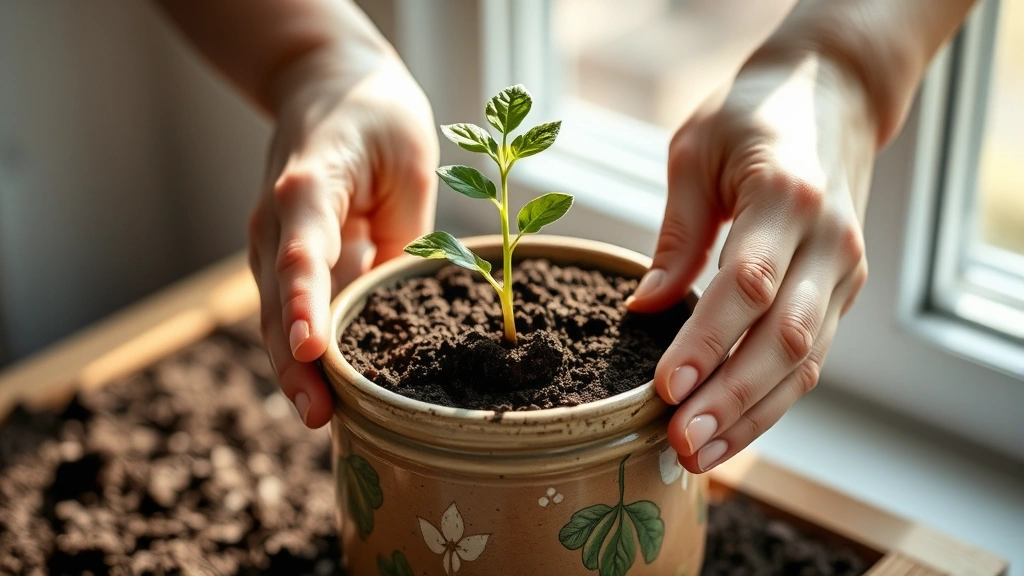
Plant Therapy: Can It Boost Mental Health? Expert Insights
In an era where mental health challenges affect millions worldwide, people are increasingly turning to natural remedies and holistic approaches to complement traditional treatment methods. Plant therapy, also known as horticultural therapy or phytotherapy for mental wellness, has emerged as a compelling area of interest for both mental health professionals and individuals seeking alternative therapeutic options. This evidence-based approach leverages the healing properties of plants and nature-based interactions to support psychological well-being, reduce stress, and enhance overall quality of life.
The concept of using plants for mental health improvement isn’t entirely new—ancient civilizations have documented the use of botanical remedies for centuries. However, modern scientific research is now validating what many cultures have long understood: that our relationship with plants can profoundly impact our mental and emotional health. Whether through gardening activities, indoor plant cultivation, or exposure to natural environments, plant therapy offers accessible and affordable interventions that can work alongside conventional therapy and wellness resources.
What Is Plant Therapy and How Does It Work?
Plant therapy encompasses a range of therapeutic practices centered on human interaction with plants and natural environments. Unlike pharmaceutical interventions or talk therapy alone, plant therapy operates through multiple biological and psychological mechanisms simultaneously. The practice includes activities such as gardening, tending to houseplants, spending time in green spaces, and even observing plant growth and nature patterns.
The mechanisms through which plant therapy benefits mental health are multifaceted. When individuals engage with plants, they experience reduced cortisol levels—the primary stress hormone in the human body. This physiological response occurs even during brief interactions with greenery. Additionally, plants improve indoor air quality by removing toxins and increasing oxygen levels, which supports cognitive function and emotional regulation. The act of nurturing plants creates a sense of purpose and accomplishment, particularly beneficial for individuals experiencing depression or low self-worth.
Research from the American Psychological Association indicates that nature exposure activates the parasympathetic nervous system, the body’s natural relaxation response. This activation counteracts the sympathetic nervous system’s fight-or-flight response, which becomes overactive during chronic stress and anxiety. Plant therapy essentially provides a natural, accessible way to trigger this calming physiological state.
Scientific Evidence Supporting Plant Therapy Benefits
Over the past two decades, substantial scientific evidence has accumulated demonstrating the efficacy of plant-based therapeutic interventions. A comprehensive review published in Frontiers in Psychology examined multiple randomized controlled trials and found consistent improvements in mood, anxiety levels, and overall psychological well-being among participants engaged in plant-related activities.
One landmark study conducted at the University of Melbourne found that just 30 minutes of gardening per week significantly reduced depression symptoms in participants. Another research initiative from Stanford University demonstrated that nature walks increased cognitive function and reduced rumination—the repetitive negative thinking pattern associated with depression and anxiety disorders. These findings suggest that plant therapy offers measurable neurobiological benefits comparable to some conventional interventions.
The concept of “biophilia,” coined by biologist E.O. Wilson, describes humans’ innate tendency to connect with nature and living systems. Modern neuroscience research supports this theory, showing that our brains are literally wired to respond positively to natural environments and living organisms. When we interact with plants, we’re satisfying a fundamental human need, which explains why plant therapy feels intuitively beneficial to so many people.
Furthermore, research on horticultural therapy outcomes indicates measurable improvements in attention span, memory formation, and executive function—cognitive domains often impaired in individuals with anxiety, ADHD, and depression. These cognitive improvements often translate to better daily functioning and quality of life.
Types of Plant-Based Therapeutic Practices
Plant therapy manifests in several distinct forms, each offering unique benefits and accessibility levels. Understanding these different approaches helps individuals identify which practice best suits their circumstances, preferences, and mental health goals.
Horticultural Therapy represents the most structured form of plant therapy, often conducted by certified therapists in clinical or community settings. This practice involves guided gardening activities designed to achieve specific therapeutic outcomes. Horticultural therapy has proven particularly effective in institutional settings such as rehabilitation centers, hospitals, and facilities supporting individuals with developmental disabilities. The structured nature of this approach makes it suitable for individuals requiring more intensive intervention or professional guidance.
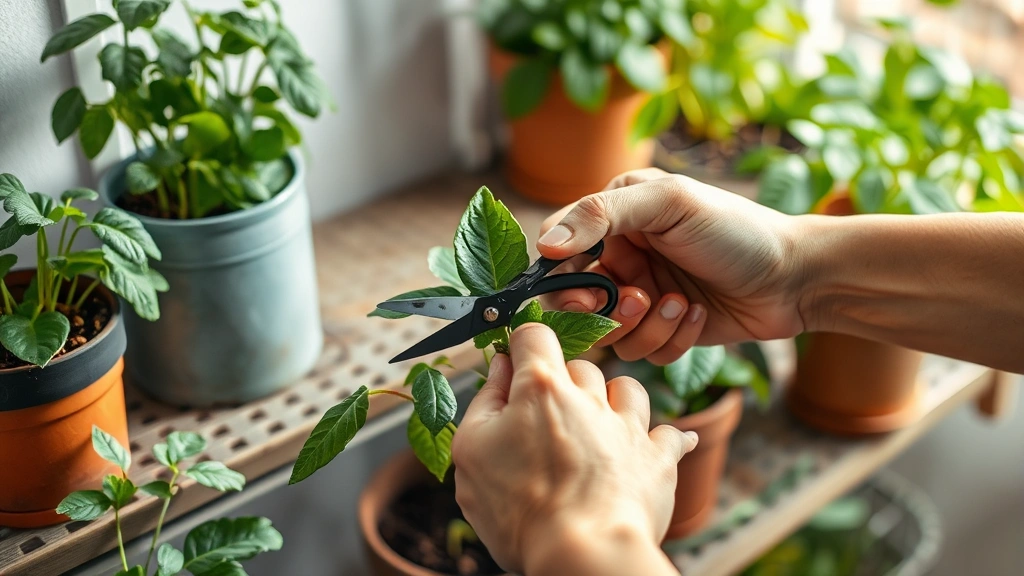
Indoor Plant Care offers an accessible entry point for plant therapy, requiring minimal space and resources. Cultivating houseplants—from low-maintenance succulents to more demanding tropical varieties—provides daily opportunities for nurturing behavior, routine establishment, and achievement recognition. Research indicates that individuals who maintain houseplants report higher life satisfaction and lower anxiety levels compared to those without plants in their living spaces.
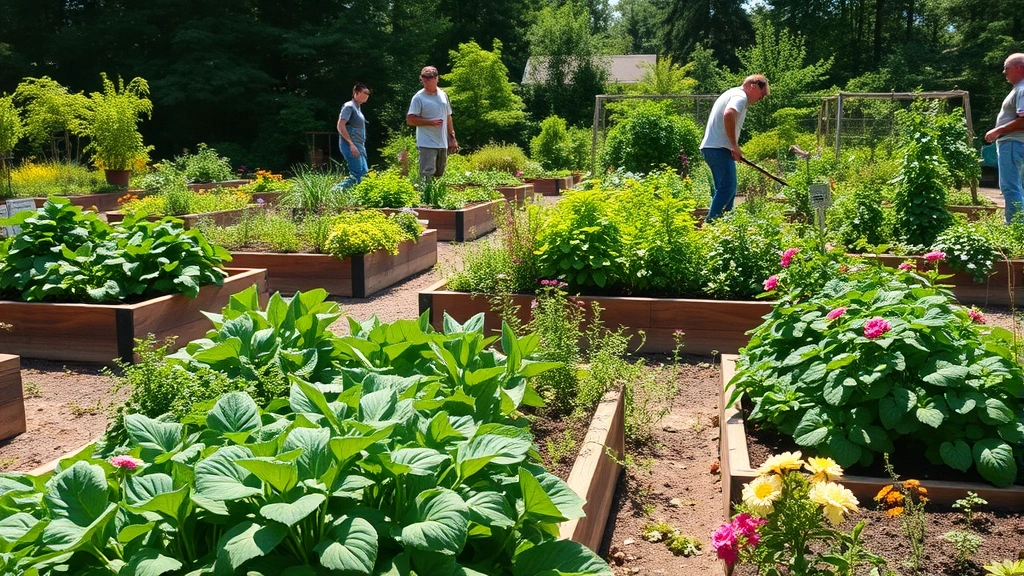
Gardening and Outdoor Cultivation combines physical activity with plant interaction, amplifying therapeutic benefits. Whether through traditional garden beds, container gardening, or community garden participation, outdoor gardening engages multiple sensory systems and provides nature exposure simultaneously. This practice also offers social connection opportunities, particularly through community garden initiatives.
Nature-Based Mindfulness and Forest Bathing practices emphasize presence and observation rather than active cultivation. Forest bathing (shinrin-yoku), a Japanese practice, involves intentional time in natural environments with focused sensory awareness. This approach reduces stress hormones and enhances parasympathetic nervous system activation without requiring gardening skills or plant care knowledge.
Mental Health Conditions Plant Therapy May Help
Research and clinical experience suggest plant therapy can support individuals managing various mental health conditions. While not a replacement for professional treatment, plant therapy serves as a valuable complementary intervention within comprehensive treatment plans.
Depression and Low Mood: The sense of purpose derived from plant care, combined with the mood-elevating effects of nature exposure, makes plant therapy particularly beneficial for depressive symptoms. Individuals report increased motivation, improved sleep patterns, and reduced anhedonia (inability to experience pleasure) when engaged in regular plant-related activities.
Anxiety Disorders: The parasympathetic activation triggered by plant interaction directly counteracts anxiety’s physiological manifestations. The routine and predictability of plant care also provides grounding and control, valuable for individuals with anxiety disorders who often feel overwhelmed by unpredictability.
Stress and Burnout: Professional burnout and chronic stress respond particularly well to plant therapy interventions. The combination of physical activity, nature exposure, and achievement creates multiple stress-reduction pathways simultaneously.
ADHD and Attention Difficulties: Nature exposure improves sustained attention and reduces impulsivity in individuals with ADHD. The multisensory engagement of gardening provides beneficial stimulation without overstimulation, supporting focus and executive function.
Trauma and PTSD: Grounding techniques incorporated into plant therapy—such as sensory focus during gardening—help individuals with trauma regulate their nervous systems. The safe, controllable nature of plant interaction makes it particularly suitable for trauma survivors rebuilding a sense of safety.
Incorporating Plant Therapy Into Your Wellness Routine
Beginning a plant therapy practice requires minimal barriers to entry, making it accessible to most individuals regardless of living situation, mobility level, or budget. Here are evidence-based approaches to integrating plant therapy into your mental health maintenance routine:
Start Small and Build Gradually: Begin with a single low-maintenance plant, such as a pothos or snake plant, rather than attempting an elaborate garden immediately. This approach builds confidence and establishes a sustainable routine without overwhelming commitment.
Create a Dedicated Space: Designate a specific area for your plant care activities, whether a sunny windowsill, balcony corner, or outdoor garden plot. This spatial commitment reinforces the therapeutic practice and creates a mental health sanctuary within your home.
Establish a Routine: Consistency amplifies plant therapy’s benefits. Schedule regular watering times, observation periods, and maintenance activities. This routine provides structure, particularly valuable for individuals with depression or ADHD who struggle with executive function.
Engage Multiple Senses: Intentionally focus on tactile sensations (soil texture, leaf smoothness), olfactory experiences (plant scents, earth smell), visual beauty, and even taste (growing culinary herbs). Multi-sensory engagement deepens the therapeutic experience and enhances mindfulness.
Document Progress: Keep a journal or photo record of your plants’ growth. This documentation provides tangible evidence of your nurturing success and creates a visual record of accomplishment, particularly valuable for individuals struggling with depression’s cognitive distortions.
For those seeking structured guidance, consider exploring occupational therapy approaches that incorporate plant-based activities, or investigating certified horticultural therapy programs in your area.
Expert Recommendations and Best Practices
Mental health professionals increasingly recommend plant therapy as a complementary intervention within comprehensive treatment approaches. Leading experts offer several evidence-based recommendations for maximizing plant therapy’s benefits:
Combine Plant Therapy with Professional Treatment: Experts emphasize that plant therapy works best alongside, not instead of, professional mental health treatment. If you’re managing a diagnosed mental health condition, discuss plant therapy integration with your therapist or psychiatrist to ensure it complements your existing treatment plan. Those seeking therapy cost information may find plant therapy an affordable supplementary option.
Prioritize Outdoor Time: Research consistently shows that outdoor nature exposure produces more significant mental health benefits than indoor plant interaction alone. Aim for at least 20-30 minutes of outdoor time in green spaces weekly, combining this with indoor plant care for comprehensive benefits.
Consider Horticultural Therapy for Intensive Support: Individuals managing significant mental health challenges may benefit from professional horticultural therapy with certified practitioners. These experts design plant-based interventions targeting specific therapeutic goals within controlled, evidence-based frameworks.
Adapt Practices to Ability Level: Plant therapy should feel accessible and enjoyable, not burdensome. Those with mobility limitations can cultivate container gardens at accessible heights, use adaptive gardening tools, or focus on indoor plant care. Those with sensory sensitivities can select plants matching their sensory preferences. This adaptability is particularly relevant for individuals exploring physical therapy treatment approaches alongside plant therapy.
Utilize Community Resources: Community gardens, botanical gardens, plant-sharing groups, and horticultural therapy programs provide structured opportunities for plant therapy engagement while building social connections—an important mental health factor. These resources often offer free or low-cost participation options.
Plant Therapy and Professional Treatment Integration
The most effective mental health outcomes typically emerge from integrated treatment approaches combining multiple evidence-based interventions. Plant therapy fits naturally within this comprehensive framework, addressing mental health from multiple angles simultaneously.
Mental health professionals increasingly prescribe or recommend plant therapy as part of treatment plans for anxiety, depression, and stress-related conditions. Some therapists incorporate plant care activities directly into sessions, while others recommend home-based plant therapy as between-session assignments supporting therapeutic goals. This integration recognizes that mental health treatment extends beyond the therapy office into daily life practices and environmental modifications.
For individuals unable to access traditional therapy due to cost, availability, or other barriers, plant therapy provides a meaningful complementary tool. While not a substitute for professional mental health treatment, plant therapy can reduce symptom severity and improve quality of life while individuals work toward professional support access. Those interested in comprehensive wellness approaches might explore how plant therapy complements other modalities like red light therapy near me or other evidence-based interventions.
Additionally, plant therapy’s accessibility makes it particularly valuable for underserved populations facing mental health disparities. The low cost, cultural applicability across diverse populations, and minimal requirement for specialized equipment or professional credentials make plant therapy a democratizing mental health intervention.
Emerging research continues exploring plant therapy’s potential across diverse populations and conditions. Studies are examining optimal dosing (frequency and duration of plant interaction), specific plant varieties producing maximum benefits, and mechanisms explaining individual variation in response to plant therapy. This growing evidence base strengthens the scientific foundation supporting plant therapy’s integration into mainstream mental health treatment approaches.
FAQ
What is the difference between plant therapy and horticultural therapy?
Plant therapy is a broad term encompassing any therapeutic use of plants, including casual houseplant care and nature exposure. Horticultural therapy is a more structured, clinical practice conducted by certified therapists within professional settings, using guided gardening activities to achieve specific therapeutic outcomes. Horticultural therapy requires formal training and certification, while plant therapy can be self-directed.
Can plant therapy replace professional mental health treatment?
No. Plant therapy serves as a valuable complementary intervention but cannot replace professional mental health treatment for diagnosed conditions. It works best alongside therapy, medication, or other evidence-based treatments. If you’re experiencing significant mental health symptoms, consult a mental health professional for appropriate diagnosis and treatment planning.
How quickly does plant therapy improve mental health?
Some benefits appear immediately—nature exposure reduces stress hormones within minutes. However, sustained mental health improvements typically develop over weeks to months of consistent practice. Individual response varies based on baseline mental health status, plant therapy frequency, and integration with other wellness practices.
What plants are best for mental health benefits?
Research suggests plants improving air quality (pothos, snake plants, spider plants) and those requiring regular care (flowering plants, herbs) offer particular benefits. Choose plants matching your lifestyle and preferences—consistency matters more than specific plant varieties. Low-maintenance plants suit those struggling with executive function, while more demanding plants appeal to individuals seeking greater engagement.
Is plant therapy accessible for people with mobility limitations?
Absolutely. Container gardening at accessible heights, vertical gardens, and indoor plant care eliminate many physical barriers. Adaptive gardening tools and community support programs make plant therapy accessible across diverse ability levels. Discuss adaptations with occupational therapists familiar with specialized therapy approaches if you need personalized guidance.
Where can I find plant therapy discount codes?
Plant therapy discount codes are frequently available through gardening supply retailers, plant nurseries, and wellness websites. Search online for current promotions, sign up for nursery email lists, and check seasonal sales. Many community gardens and horticultural therapy programs offer free or reduced-cost participation options, providing accessible entry points regardless of budget.