
Mindfulness Boosts Mental Health: Expert Insights and Practical Applications
Mindfulness has emerged as one of the most researched and evidence-backed approaches to improving mental health in recent decades. This ancient practice, rooted in Buddhist meditation traditions, has been scientifically validated to reduce anxiety, depression, and stress while enhancing overall psychological well-being. Mental health professionals worldwide now integrate mindfulness into treatment protocols, recognizing its profound impact on emotional resilience and cognitive function.
The growing body of scientific research demonstrates that mindfulness practices create measurable changes in brain structure and function. Regular practitioners show increased gray matter density in regions associated with emotional regulation, learning, and memory. Beyond the neurological benefits, mindfulness offers accessible tools that anyone can implement into their daily routine, making it a democratized approach to mental health improvement that complements traditional therapy and professional mental health services.

Understanding Mindfulness and Its Core Principles
Mindfulness is fundamentally about bringing conscious awareness to the present moment without judgment. Rather than dwelling on past regrets or future anxieties, mindfulness practitioners train their attention to rest on what is happening right now. This shift in focus naturally reduces rumination, a cognitive pattern strongly associated with depression and anxiety disorders.
The core principles of mindfulness include acceptance, non-judgment, and compassionate observation. When practicing mindfulness, you notice thoughts and emotions as they arise without attempting to change, suppress, or analyze them. This creates psychological distance from distressing thoughts, reducing their power over your emotional state. Research from the American Psychological Association confirms that this non-reactive stance toward internal experiences significantly decreases symptom severity in multiple mental health conditions.
Attention regulation forms another crucial component of mindfulness practice. By repeatedly directing attention back to the present moment—whether through breath awareness, body sensation, or sensory experience—you strengthen neural pathways associated with sustained focus and emotional control. This enhanced attentional capacity translates into better ability to manage intrusive thoughts and emotional overwhelm in daily life.
The practice emphasizes self-compassion alongside mindful awareness. Rather than judging yourself harshly for having anxious or negative thoughts, mindfulness encourages treating yourself with the same kindness you would offer a good friend. This compassionate stance reduces shame and self-criticism, common factors that perpetuate mental health struggles. Many people find that combining mindfulness with professional therapeutic support accelerates their progress toward emotional wellness.
Scientific Evidence Supporting Mindfulness for Mental Health
Decades of rigorous scientific research have established mindfulness as an evidence-based intervention for mental health conditions. Neuroimaging studies demonstrate that consistent mindfulness practice produces structural changes in the brain. The prefrontal cortex, responsible for executive function and emotional regulation, shows increased activation and connectivity in regular meditators. Simultaneously, the amygdala, which processes fear and emotional reactivity, demonstrates reduced volume and reactivity.
A landmark meta-analysis published in JAMA Psychiatry reviewed 47 randomized controlled trials and found that mindfulness-based interventions showed moderate evidence for improving anxiety and depression. The effect sizes were comparable to antidepressant medications for mild to moderate depression, suggesting mindfulness as a viable standalone or complementary treatment. Notably, benefits increased with practice duration and consistency.
Mindfulness-Based Cognitive Therapy (MBCT), originally developed to prevent depression relapse, has proven effective across numerous conditions including anxiety disorders, chronic pain, substance abuse, and eating disorders. Mindfulness-Based Stress Reduction (MBSR), an eight-week program, has demonstrated effectiveness in reducing psychological distress, improving immune function, and decreasing inflammatory markers in the body. These programs achieve significant outcomes comparable to standard pharmacological and psychological interventions.
Neurotransmitter research reveals that mindfulness practice influences the production and regulation of serotonin, dopamine, and gamma-aminobutyric acid (GABA)—neurochemicals crucial for mood regulation. Regular practitioners show improved emotional baseline and reduced vulnerability to mood fluctuations. Additionally, mindfulness reduces cortisol levels, the primary stress hormone, which has cascading positive effects on immune function, sleep quality, and cognitive performance.
The research extends beyond clinical populations. Healthy individuals who practice mindfulness report enhanced emotional well-being, improved relationships, and greater life satisfaction. Students using mindfulness techniques show improved academic performance and reduced test anxiety. Workers practicing mindfulness at their jobs report decreased burnout and increased job satisfaction. These findings underscore mindfulness as a universal tool for mental health optimization across diverse populations and contexts.
Mindfulness Techniques for Anxiety and Depression
Specific mindfulness techniques have proven particularly effective for anxiety and depression. The body scan meditation, where you progressively bring awareness through different body regions, helps identify and release physical tension associated with anxiety. This technique trains you to notice the somatic manifestations of stress before they escalate into full-blown anxiety episodes, enabling early intervention.
Breath awareness meditation focuses attention on the natural rhythm of breathing. The breath serves as an anchor to the present moment, and when the mind wanders—which it inevitably does—you gently redirect attention back to breathing sensations. This simple practice activates the parasympathetic nervous system, the body’s natural calming mechanism. For anxiety sufferers, breath work provides an immediately accessible tool for de-escalation during anxious moments.
Loving-kindness meditation (metta) specifically targets depression and low self-worth by cultivating compassion toward yourself and others. You silently repeat phrases like “May I be peaceful, may I be healthy, may I be safe” while extending these wishes to yourself, loved ones, neutral people, and even those you find difficult. This practice directly counteracts the self-criticism and social withdrawal characteristic of depression.
The RAIN technique (Recognize, Allow, Investigate, Non-identification) provides a structured approach for working with difficult emotions. When anxiety or depression arises, you recognize what’s happening, allow the emotion to exist without resistance, investigate its qualities with curiosity, and remind yourself that you are not the emotion. This creates psychological flexibility and reduces emotional fusion, where people become identified with their mental states.
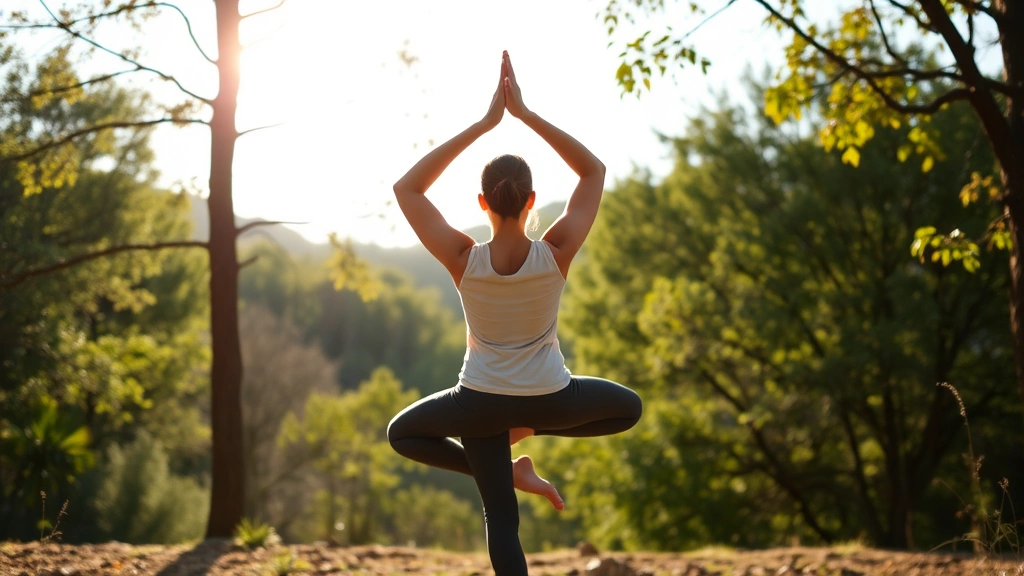
Mindful movement practices like yoga and tai chi integrate mindfulness with physical activity, offering dual benefits for mental health. Movement meditation combines the attention-focusing aspects of mindfulness with the mood-boosting effects of exercise. For those struggling with traditional sitting meditation, movement-based practices offer accessible entry points into mindfulness training.
Informal mindfulness practice—bringing present-moment awareness to everyday activities—extends benefits throughout your day. Mindful eating, walking, or listening cultivates continuous awareness without requiring dedicated meditation time. Many people find that informal practice integrates mindfulness more seamlessly into daily life than formal meditation sessions, making it sustainable long-term.
Integrating Mindfulness into Daily Life
Successfully implementing mindfulness requires starting small and building gradually. Begin with just five minutes daily of focused meditation rather than attempting lengthy sessions that feel overwhelming. Consistency matters far more than duration; five minutes every single day outperforms sporadic hour-long sessions in terms of neurological changes and symptom improvement.
Establishing a regular practice schedule increases adherence. Many people find morning practice most effective, meditating immediately after waking before daily demands create mental clutter. Others prefer evening practice for stress release. The optimal time is whenever you’ll most consistently practice. Using phone reminders or scheduling meditation like any other appointment helps maintain regularity.
Creating a dedicated practice space, even if just a corner of your bedroom, signals to your brain that this is a special time for mindfulness. You needn’t purchase expensive cushions or elaborate setups; a simple chair or cushion in a quiet location suffices. The environmental consistency helps condition your nervous system to shift into a meditative state more quickly.
Joining a meditation group or class provides accountability and community support. Many therapists offer mindfulness-based therapeutic programs in group formats. The collective energy of group practice often deepens individual experiences, and hearing others’ experiences normalizes challenges that arise during meditation practice.
Technology offers valuable support through meditation apps like Insight Timer, Calm, and Headspace, which provide guided meditations for various goals and experience levels. These apps track practice streaks, offering gamified motivation. However, some practitioners prefer practicing without technological aids to minimize digital stimulation. Experiment to discover what supports your practice best.
Tracking your practice and noting mental health changes motivates continued engagement. Keep a simple log of meditation sessions and rate your anxiety, mood, and overall well-being daily. Within weeks, most practitioners notice improvements in emotional resilience and stress response, reinforcing motivation to maintain the practice.
Mindfulness in Professional Mental Health Treatment
Mental health professionals increasingly incorporate mindfulness into evidence-based therapeutic approaches. Cognitive-behavioral therapy combined with mindfulness helps clients observe anxious thoughts without believing them or acting on them. This integration enhances traditional CBT outcomes by adding an acceptance-based component alongside cognitive restructuring.
Dialectical Behavior Therapy (DBT), developed for treating borderline personality disorder and chronic suicidality, includes four core mindfulness skills: mindfulness of current emotion, mindfulness of thoughts, mindfulness of physical sensations, and wise mind (balancing emotional and rational thinking). These skills form the foundation of DBT’s effectiveness for emotion dysregulation and self-harm behaviors.
Acceptance and Commitment Therapy (ACT) uses mindfulness to help clients accept difficult emotions while committing to value-aligned actions. Rather than targeting symptom elimination, ACT teaches psychological flexibility—the ability to experience distressing thoughts and feelings while still pursuing meaningful goals. This approach proves particularly effective for chronic pain, anxiety, and depression.
When selecting a mental health provider, inquire whether they incorporate mindfulness practices. A therapist trained in evidence-based therapeutic modalities can tailor mindfulness instruction to your specific mental health condition and learning style. Professional guidance ensures you practice correctly and can address difficulties that arise during meditation.
Mindfulness-based programs like MBSR and MBCT are typically delivered in eight-week formats with weekly classes and home practice assignments. These structured programs work exceptionally well for motivated individuals seeking comprehensive mental health improvement. Insurance often covers these programs when prescribed by a healthcare provider, making them financially accessible.
Some therapists specialize in trauma-sensitive mindfulness, modifying standard practices for trauma survivors who may find certain meditation techniques triggering. If you have a trauma history, seeking a therapist trained in trauma-informed care ensures mindfulness practice supports rather than destabilizes your healing.
Complementary Approaches to Mental Wellness
While mindfulness independently improves mental health, combining it with complementary approaches amplifies benefits. Regular physical exercise synergizes with mindfulness practice; both reduce stress hormones, improve mood, and enhance cognitive function. The combination of mindfulness and exercise produces superior outcomes compared to either intervention alone.
Nutritional psychiatry research demonstrates that dietary choices significantly impact mental health. A Mediterranean-style diet rich in omega-3 fatty acids, antioxidants, and probiotics supports brain health and mood stability. Practicing mindful eating—bringing full awareness to food selection and consumption—combines nutritional benefits with mindfulness training.
Sleep quality directly impacts emotional regulation and mental health. Mindfulness meditation improves sleep onset and quality by quieting racing thoughts and activating relaxation responses. Those combining mindfulness with sleep hygiene practices (consistent bedtime, dark environment, device-free bedroom) experience superior mental health outcomes.
Social connection powerfully influences mental health trajectories. Mindfulness enhances relationship quality by improving emotional awareness and communication skills. Practicing compassion meditation specifically improves empathy and reduces conflict, strengthening social bonds that buffer against depression and anxiety.
Some individuals benefit from complementary wellness modalities like light therapy, acupuncture, or herbal supplements alongside mindfulness practice. While these approaches should not replace evidence-based mental health treatment, they may provide additional support. Always discuss supplements and complementary treatments with your healthcare provider to ensure safety and appropriate integration.
For those exploring mental health careers, professional opportunities in therapeutic fields offer meaningful work helping others develop mindfulness and mental health resilience. Understanding mindfulness from personal practice deepens professional effectiveness.
Research from the National Institute of Mental Health continues investigating optimal mindfulness implementation for various populations. Emerging research explores mindfulness effectiveness for specific conditions like ADHD, bipolar disorder, and psychotic disorders, expanding the evidence base for this powerful practice.
Frequently Asked Questions
How long does it take to see mental health benefits from mindfulness?
Most practitioners notice subtle improvements within 2-4 weeks of consistent daily practice. However, significant changes in anxiety and depression symptoms typically emerge after 8-12 weeks of regular meditation. Brain imaging studies show structural changes after approximately 8 weeks of daily practice. Individual timelines vary based on practice consistency, baseline mental health severity, and personal sensitivity to meditation.
Can mindfulness replace psychiatric medication?
Mindfulness can be an effective complement to medication and, in some cases of mild depression or anxiety, may serve as a primary intervention. However, for moderate to severe mental health conditions, mindfulness typically works best alongside medication rather than replacing it. Always consult your psychiatrist before making medication changes. Many people benefit from combining both approaches for optimal outcomes.
What if I can’t quiet my mind during meditation?
Mind-wandering during meditation is completely normal and expected. Meditation is not about achieving a blank mind; it’s about noticing when your mind wanders and gently redirecting attention. Each time you notice wandering and return focus, you strengthen attention regulation. Practitioners with ADHD or racing thoughts often see the greatest benefits from mindfulness practice because they have more opportunities to practice this redirecting skill.
Are there any risks or contraindications to mindfulness practice?
Mindfulness is generally safe for most people. However, individuals with active psychosis or certain dissociative disorders should practice under professional guidance, as intensive meditation may temporarily intensify symptoms. Trauma survivors may benefit from trauma-sensitive mindfulness modifications. Starting with shorter sessions and professional guidance ensures safety for those with complex mental health histories.
How does mindfulness specifically help with social anxiety?
Mindfulness reduces social anxiety by decreasing self-focused attention and rumination about social judgment. Rather than obsessing about how others perceive you, mindfulness anchors attention to present-moment sensory experience. This reduces anxiety symptoms while improving social engagement. Loving-kindness meditation additionally reduces social anxiety by cultivating self-compassion and reducing harsh self-judgment.
Can children and adolescents benefit from mindfulness?
Yes, children and adolescents show significant mental health benefits from mindfulness practice. School-based mindfulness programs improve academic performance, reduce anxiety and behavioral problems, and enhance emotional regulation in young people. Practices should be age-appropriate, with younger children using shorter sessions and movement-based approaches, while adolescents can engage in more traditional meditation formats.