
How Does Mindfulness Aid Depression? Expert Insights
Depression affects millions of people worldwide, with the World Health Organization estimating over 280 million individuals suffering from this mental health condition. While pharmaceutical interventions remain a cornerstone of treatment, mounting scientific evidence demonstrates that mindfulness-based approaches offer powerful complementary benefits for managing depressive symptoms. Mindfulness—the practice of maintaining non-judgmental awareness of present-moment experiences—has emerged as a evidence-based therapeutic tool that can fundamentally reshape how individuals relate to their thoughts and emotions.
This comprehensive guide explores the mechanisms by which mindfulness alleviates depression, drawing on expert research, clinical applications, and practical insights. Whether you’re considering mindfulness as part of your mental health journey or seeking to understand how this ancient practice intersects with modern psychology, this article provides evidence-based information to illuminate the profound connection between mindfulness practice and depression relief.
The Science Behind Mindfulness and Depression
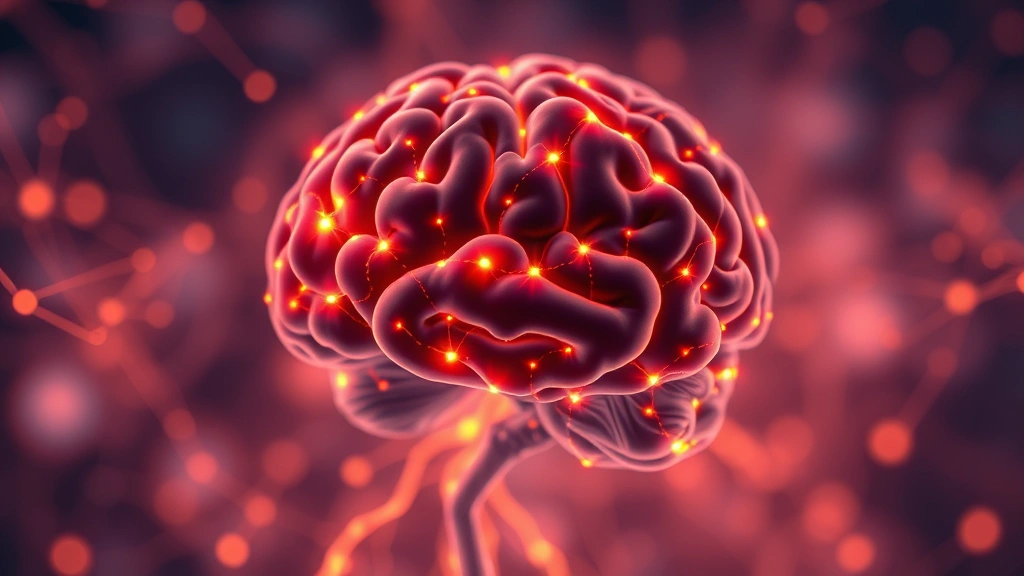
The relationship between mindfulness and depression relief is grounded in rigorous neuroscience and psychology research. Depression often involves rumination—a cyclical pattern of negative thinking where individuals get trapped in loops of worry about past events or future uncertainties. Mindfulness interrupts this destructive pattern by training the brain to observe thoughts without judgment or attachment, creating psychological distance from depressive narratives.
A landmark study published in JAMA Psychiatry found that mindfulness-based cognitive therapy reduced relapse rates in depression by up to 50% compared to standard treatment alone. The research demonstrates that individuals who develop mindfulness skills show significantly reduced activity in brain regions associated with self-referential thinking and rumination. This neurobiological shift represents a fundamental change in how the brain processes emotional information.
According to research from MIT researchers, mindfulness practice strengthens the prefrontal cortex—the brain region responsible for executive function, emotional regulation, and rational decision-making. Simultaneously, it reduces hyperactivity in the amygdala, the brain’s threat-detection center that becomes overactive during depression. This dual mechanism creates lasting improvements in mood regulation and emotional resilience.

How Mindfulness Rewires the Brain
Neuroplasticity—the brain’s capacity to reorganize itself by forming new neural connections—underpins mindfulness’s effectiveness for depression. When you practice mindfulness meditation regularly, you’re essentially training your brain to function differently. Brain imaging studies using fMRI technology reveal measurable changes in gray matter density within weeks of consistent practice.
The default mode network (DMN), a brain system active during rest and self-referential thinking, becomes less dominant through mindfulness training. Depression heavily involves DMN hyperactivity, where the brain defaults to negative self-focused rumination. By cultivating present-moment awareness, mindfulness practitioners gradually reduce DMN activity, breaking the neurobiological foundation of depressive thinking patterns.
Research from Stanford University’s neuroscience department demonstrates that consistent mindfulness practice increases activity in the insula and anterior cingulate cortex—brain regions crucial for emotional awareness and self-regulation. These changes correlate directly with improvements in depression scores and enhanced emotional resilience. The beauty of this neuroplasticity is that it’s not permanent or fixed; the brain continues adapting throughout life, meaning recovery from depression through mindfulness is genuinely possible at any age.
Importantly, these neural changes persist even when individuals aren’t actively meditating. The brain essentially learns new patterns of functioning, similar to how musicians develop enhanced auditory processing or athletes develop motor memory. This permanence distinguishes mindfulness from temporary mood-boosting activities—it creates lasting structural and functional brain changes.
The MindLift Daily Blog offers comprehensive therapy resources that complement these neurobiological insights with practical guidance for developing sustainable mindfulness habits.
Mindfulness-Based Cognitive Therapy (MBCT)
Mindfulness-Based Cognitive Therapy represents the most extensively researched clinical application of mindfulness for depression. Developed by Mark Williams, John Teasdale, and Zindel Segal, MBCT combines formal mindfulness meditation with cognitive therapy principles specifically designed to prevent depressive relapse.
MBCT operates through several integrated mechanisms. First, it teaches individuals to recognize early warning signs of depression—subtle shifts in mood, energy, or thought patterns—before they cascade into full depressive episodes. Second, it provides concrete skills for responding to these early warning signs with mindfulness rather than rumination. When depressive thoughts arise, MBCT practitioners learn to observe them as mental events rather than truths requiring action or problem-solving.
The eight-week MBCT protocol involves both individual practice and group instruction. Participants engage in body scan meditation, mindful movement, and sitting meditation while simultaneously learning cognitive principles about thought patterns and emotional regulation. This combination addresses both the affective (emotional) and cognitive (thinking) dimensions of depression.
Clinical trials consistently demonstrate MBCT’s efficacy. For individuals with recurrent depression, MBCT reduces relapse rates to levels comparable with or exceeding maintenance antidepressant medication. For those experiencing current depressive episodes, MBCT accelerates symptom improvement when combined with standard treatment approaches. The skills acquired through MBCT remain effective long-term, with research showing sustained benefits years after completing the formal program.
Practical Mindfulness Techniques for Depression
Beyond formal MBCT programs, numerous mindfulness techniques offer immediate benefits for depression management. These practices range from brief daily exercises to more extended meditation sessions, allowing individuals to integrate mindfulness into their existing routines.
Body Scan Meditation: This foundational practice involves systematically directing attention through different body regions, noticing sensations without judgment. For depression, body scans interrupt the pattern of being mentally lost in depressive thoughts by anchoring awareness in present bodily experience. Even 10-15 minutes of daily body scan practice measurably reduces depressive symptoms within weeks.
Mindful Breathing: Simple breath awareness—noticing the natural rhythm of inhales and exhales without attempting to control breathing—provides an immediate anchor to the present moment. When depressive thoughts emerge, returning attention to breath creates psychological space between yourself and the thoughts. This technique requires no special equipment and can be practiced anywhere.
Loving-Kindness Meditation: Depression frequently involves harsh self-criticism and isolation. Loving-kindness practice systematically cultivates compassion, beginning with yourself and expanding to others. Research shows loving-kindness meditation specifically reduces self-directed negative thoughts and increases feelings of connection and self-worth.
Mindful Walking: For individuals struggling with motivation or energy depletion, mindful walking offers depression benefits while requiring minimal activation energy. Walking while maintaining awareness of sensations, surroundings, and breath provides meditation benefits without the stillness that some depressed individuals find challenging.
Mindful Eating: Depression often disrupts normal eating patterns. Mindful eating—savoring food slowly, noticing flavors and textures, eating without distraction—reconnects you with present experience while addressing nutritional aspects of depression management.
Complementary approaches like physical therapy treatment approaches can enhance mindfulness practice by addressing bodily tension and movement patterns associated with depression. Similarly, red light therapy shows emerging evidence for mood support when integrated with mindfulness practices.
Integrating Mindfulness with Professional Treatment
Mindfulness works most effectively as part of comprehensive depression treatment rather than as a standalone intervention. Mental health professionals increasingly recommend integrating mindfulness with evidence-based treatments including psychotherapy, medication, lifestyle modifications, and medical supervision.
When combined with cognitive-behavioral therapy (CBT), mindfulness enhances therapeutic outcomes by helping individuals observe thought patterns more objectively. Rather than fighting or trying to eliminate depressive thoughts—which often intensifies them—mindfulness-enhanced CBT teaches patients to change their relationship with thoughts. This shift from thought content to thought process represents a crucial therapeutic advancement.
Antidepressant medication and mindfulness practice demonstrate synergistic benefits. Medication often reduces symptom severity enough to enable individuals to engage effectively with mindfulness practice. Conversely, mindfulness enhances medication efficacy by addressing the psychological and neurobiological factors medication alone may not fully resolve. This combination provides more comprehensive depression relief than either approach alone.
Mental health providers trained in both mindfulness and clinical psychology can help determine the optimal integration of these approaches for your specific situation. Speech therapy and mental health resources sometimes overlap when depression affects communication and social functioning. Additionally, occupational therapy perspectives on meaningful activity engagement complement mindfulness practice by addressing functional depression impacts.
The timeline for observing mindfulness benefits varies individually. Some individuals notice mood improvements within days of beginning practice, while others require weeks or months. Consistency matters more than duration; 10 minutes of daily practice typically produces better results than occasional longer sessions. This accessibility makes mindfulness a realistic option for individuals with limited time or resources.
Real-World Applications and Success Stories
Depression manifests differently across individuals, and mindfulness proves beneficial across diverse presentations and circumstances. Clinical practice demonstrates effectiveness for major depressive disorder, persistent depressive disorder (dysthymia), treatment-resistant depression, and depression complicated by anxiety or trauma.
Many individuals report that mindfulness practice fundamentally changes their depression experience. Rather than depression symptoms disappearing entirely, people learn to notice depressive thoughts and sensations with equanimity—neither fighting them nor being swept away by them. This shift from depression management to depression acceptance paradoxically reduces suffering and increases resilience.
Workplace settings increasingly offer mindfulness programs recognizing depression’s impact on productivity and employee wellbeing. Organizational research demonstrates that employees practicing mindfulness show reduced depression rates, improved focus, and enhanced interpersonal relationships. This workplace integration makes professional support accessible to individuals who might otherwise lack mental health resources.
Online mindfulness communities provide peer support and accountability for depression management. Apps offering guided meditations, progress tracking, and expert instruction have democratized access to mindfulness training. While not replacing professional treatment, these digital tools enable individuals to maintain consistent practice and deepen skills between therapy sessions.
Research from leading institutions including Oxford University continues expanding our understanding of mindfulness mechanisms and optimizing clinical applications. Emerging evidence explores how mindfulness enhances treatment for specific depression subtypes and how individual differences predict who benefits most from mindfulness-based interventions.
For those seeking holistic wellness approaches, exploring therapy quotes and inspirational resources alongside mindfulness practice can reinforce motivation and perspective during difficult depression periods. These complementary resources remind individuals that recovery is possible and that professional support—whether through formal therapy, mindfulness programs, or integrated approaches—represents strength rather than weakness.
FAQ
How long does it take for mindfulness to help depression?
Individual timelines vary significantly. Some people notice mood improvements within days, while others require 4-8 weeks of consistent daily practice to observe measurable changes. Research suggests that 10-20 minutes of daily meditation produces noticeable benefits within 2-3 weeks for most individuals. Consistency matters more than session length.
Can mindfulness replace antidepressant medication?
For many individuals, mindfulness works best alongside medication rather than replacing it. While MBCT shows efficacy comparable to maintenance medication for preventing relapse, clinical guidelines recommend integrated approaches for acute depression. Always consult your healthcare provider before adjusting medication based on mindfulness practice.
What if I can’t sit still for meditation?
Mindfulness encompasses numerous approaches beyond seated meditation. Mindful walking, body scans, mindful eating, and brief breathing exercises offer benefits for individuals who struggle with stillness. Many people with depression find movement-based mindfulness more accessible initially.
Does mindfulness work for severe depression?
Mindfulness shows benefits across depression severity levels, though severe depression typically requires professional treatment combining therapy, possible medication, and lifestyle approaches. Mindfulness enhances these treatments but shouldn’t replace professional care for severe depression. Safety always takes priority.
Are there any risks with mindfulness practice?
For most individuals, mindfulness is safe. However, some people with trauma histories or certain psychiatric conditions report increased anxiety during meditation. Working with trained instructors and mental health professionals ensures mindfulness practice supports rather than harms your mental health.
Can mindfulness prevent depression relapse?
Yes. Research demonstrates that MBCT reduces depression relapse rates by approximately 50% compared to standard treatment alone. Regular mindfulness practice appears to build psychological resilience that protects against future depressive episodes.