
Mindfulness Boosts Mood? Experts Weigh In on the Science and Practice
The relationship between mindfulness and emotional well-being has become increasingly popular in wellness circles, but what does the scientific evidence actually say? From corporate wellness programs to clinical psychology settings, mindfulness practices are being promoted as a remedy for stress, anxiety, and depression. However, separating fact from marketing hype requires a careful examination of peer-reviewed research and expert perspectives on how these ancient practices interact with modern neuroscience.
Understanding whether mindfulness genuinely boosts mood involves exploring the neurobiological mechanisms at work, examining clinical trial data, and considering how individual factors influence outcomes. This comprehensive guide examines the evidence while connecting mindfulness to broader therapeutic approaches and wellness strategies that complement mental health care.
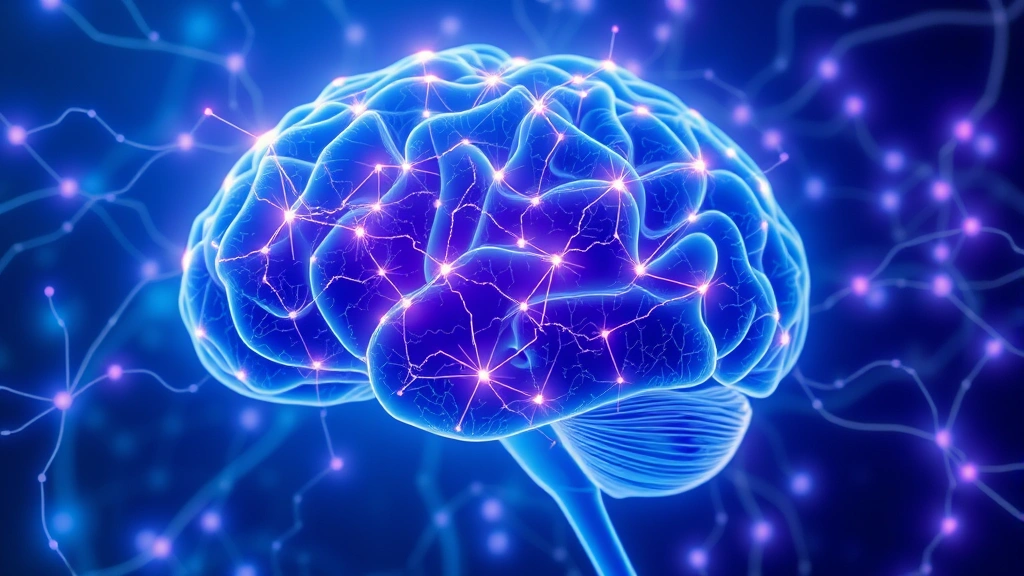
The Neuroscience Behind Mindfulness and Mood Regulation
When neuroscientists examine brain activity during mindfulness meditation, they observe measurable changes in several key regions associated with emotional processing and self-awareness. The prefrontal cortex, which governs decision-making and emotional regulation, shows increased activation during sustained mindfulness practice. Simultaneously, the amygdala—the brain’s emotional alarm system—demonstrates reduced reactivity to potential stressors.
Research published by the American Psychological Association indicates that regular mindfulness practitioners develop enhanced connectivity between these brain regions, essentially creating more efficient communication pathways for emotional processing. This neuroplasticity—the brain’s ability to reorganize itself—suggests that mindfulness isn’t merely a temporary mood boost but potentially a lasting change in how the brain processes emotions.
The default mode network (DMN), a collection of brain regions active during mind-wandering and self-referential thinking, becomes less dominant during mindfulness practice. Excessive DMN activity is associated with rumination, anxiety, and depressive symptoms. By temporarily quieting this network, mindfulness creates space for more present-focused awareness, potentially interrupting the negative thought cycles that perpetuate low mood.
Additionally, mindfulness influences neurotransmitter production. Regular practice correlates with increased serotonin and dopamine levels, the neurochemicals most directly implicated in mood regulation. While the mechanisms aren’t fully understood, evidence suggests that mindfulness triggers endogenous production of these mood-elevating substances rather than relying on external chemical intervention.

Clinical Evidence: What Research Studies Show
The clinical evidence supporting mindfulness for mood improvement is substantial but nuanced. Mindfulness-Based Cognitive Therapy (MBCT), developed specifically to prevent depressive relapse, has demonstrated efficacy comparable to antidepressant medications in several randomized controlled trials. A landmark meta-analysis published in JAMA Psychiatry found that mindfulness-based interventions produce moderate to large effect sizes for anxiety and depression.
However, researchers emphasize important caveats. The effect sizes are generally smaller than those produced by cognitive-behavioral therapy (CBT) or pharmacological interventions for severe depression. Mindfulness appears most effective as a preventive measure or for mild-to-moderate mood disturbances rather than as a standalone treatment for clinical depression or anxiety disorders. This distinction matters significantly for individuals seeking treatment.
A 2023 systematic review examining 218 randomized controlled trials found consistent but modest improvements in mood across diverse populations. The benefits appeared more pronounced in individuals who practiced regularly (at least 20 minutes daily) and maintained engagement over extended periods (3+ months). One-time meditation sessions or sporadic practice showed minimal mood elevation, challenging the “quick fix” narrative sometimes promoted in popular wellness media.
Interestingly, baseline mental health status influenced outcomes substantially. Individuals with existing clinical depression showed less dramatic improvements from mindfulness alone compared to those with subclinical symptoms or normal mood seeking preventive benefits. This suggests that mindfulness functions differently across the mental health spectrum.
Mindfulness Versus Traditional Therapy Approaches
Comparing mindfulness to established therapeutic modalities reveals both complementary strengths and distinct limitations. While therapy and wellness resources increasingly incorporate mindfulness, traditional approaches like cognitive-behavioral therapy remain the gold standard for treating diagnosed mood disorders.
Cognitive-behavioral therapy directly addresses the thought patterns and behaviors maintaining depression or anxiety. A therapist helps clients identify distorted thinking, challenge automatic negative thoughts, and implement behavioral changes. This structured, problem-focused approach produces rapid results, particularly for specific anxiety disorders and depression with identifiable triggers.
Mindfulness takes a different approach. Rather than challenging or changing thoughts, mindfulness teaches non-judgmental observation of thoughts and emotions as temporary mental events. This acceptance-based strategy works well for individuals whose symptoms involve thought suppression or avoidance patterns. However, for someone experiencing severe depression with concrete life problems requiring behavioral change, mindfulness alone may prove insufficient.
The most effective clinical approaches increasingly combine both methodologies. Mindfulness-Based Cognitive Therapy explicitly integrates mindfulness meditation with cognitive therapy principles, creating synergistic benefits. Individuals receive tools for both observing unhelpful thought patterns and actively restructuring them. This hybrid approach has demonstrated superior outcomes compared to either modality alone in preventing depressive relapse.
Specialized therapeutic services like physical therapy treatment and speech therapy services address specific conditions where mindfulness serves as a complementary rather than primary intervention. For instance, individuals receiving speech therapy may use mindfulness techniques to manage anxiety about communication challenges while the therapist addresses underlying speech patterns.
Practical Implementation and Realistic Expectations
For individuals interested in exploring mindfulness for mood improvement, understanding realistic timelines and implementation strategies proves essential. Unlike medications that produce noticeable effects within days, mindfulness typically requires consistent practice before measurable mood changes emerge.
Research suggests a minimum threshold of 10-15 minutes daily practice for 8-12 weeks before expecting significant mood benefits. Individuals practicing sporadically or for shorter durations may experience temporary stress relief or improved focus without sustained emotional changes. This commitment requirement explains why many people abandon mindfulness—the benefits aren’t immediately obvious enough to justify the effort.
Effective mindfulness practice for mood typically involves focused attention meditation, body scan techniques, or open monitoring meditation. Focused attention meditation directs awareness to a single object—the breath, a mantra, or bodily sensations—and repeatedly redirects attention when the mind wanders. This trains the attentional control systems involved in emotion regulation.
Body scan meditation systematically brings awareness through different body regions, developing interoceptive awareness (the ability to perceive internal bodily states). This skill proves particularly valuable for individuals with anxiety or trauma histories, as it helps them recognize early physical signs of emotional dysregulation before emotions escalate.
Setting realistic expectations involves understanding that mindfulness reduces mood vulnerability rather than eliminating negative emotions entirely. Practitioners typically report that difficult emotions arise less frequently, feel less intense, and persist for shorter durations. The goal isn’t constant happiness but rather emotional flexibility and resilience.
Combining Mindfulness with Other Therapeutic Modalities
The evidence strongly supports integrating mindfulness with other evidence-based treatments rather than viewing it as a standalone solution. For individuals interested in exploring comprehensive wellness approaches, understanding how mindfulness complements other interventions optimizes outcomes.
Behavioral activation, a core component of depression treatment, pairs effectively with mindfulness. While behavioral activation involves scheduling valued activities despite low motivation, mindfulness helps practitioners observe the resistance and self-doubt that emerge without allowing these thoughts to prevent action. The combination addresses both the behavioral inactivity and the unhelpful thought patterns maintaining depression.
Exercise represents another powerful complement to mindfulness. Physical activity produces mood improvements through multiple mechanisms: endorphin release, improved sleep, enhanced self-efficacy, and neuroplasticity changes. When combined with mindfulness meditation, individuals develop awareness of how their body responds to movement, potentially increasing exercise adherence and enjoyment.
For individuals exploring specialized therapeutic services, mindfulness can enhance outcomes. Someone receiving occupational therapy may use mindfulness to manage frustration while developing new skills. The acceptance and present-moment focus cultivated through meditation can increase patience with the learning process and reduce anxiety about capability.
Nutrition and sleep represent foundational factors influencing mood that often receive insufficient attention. Mindfulness can support improvements in both areas—mindful eating increases awareness of satiety and food choices, while mindful sleep practices (such as body scan meditation before bed) improve sleep quality. These lifestyle factors create a foundation upon which other mood-boosting interventions become more effective.
Red light therapy and other emerging wellness solutions sometimes combine with mindfulness in comprehensive treatment plans. While the evidence for these modalities remains developing, individuals interested in multimodal approaches can explore how different interventions might complement each other under professional guidance.
Common Misconceptions About Mindfulness
Several widespread misconceptions about mindfulness undermine realistic expectations and lead to disappointment. Addressing these directly helps individuals approach mindfulness with appropriate understanding.
Misconception 1: Mindfulness equals thought elimination. Many people believe meditation success involves achieving a blank mind without thoughts. This fundamentally misunderstands the practice. Mindfulness involves noticing thoughts without judgment or resistance. The goal is awareness, not absence. Experienced meditators actually observe more thoughts initially because they develop better awareness of the constant mental activity everyone experiences.
Misconception 2: Mindfulness works instantly. Popular media often portrays meditation as producing immediate calm and clarity. While brief sessions can provide temporary stress relief, lasting mood improvements require consistent practice. Expecting instant results leads to premature abandonment when the magical transformation doesn’t occur after one session.
Misconception 3: Mindfulness replaces professional mental health treatment. This dangerous misconception leads some individuals with clinical depression or anxiety disorders to abandon evidence-based treatments for meditation. While mindfulness complements professional care, it doesn’t replace therapy or medication for diagnosed conditions. Understanding when to seek professional help versus when mindfulness alone might suffice requires honest assessment, ideally with professional guidance.
Misconception 4: Mindfulness is exclusively spiritual or religious. While mindfulness has roots in Buddhist philosophy, contemporary mindfulness-based interventions are entirely secular. They focus on attention training and emotion regulation mechanisms without requiring any spiritual beliefs. However, individuals uncomfortable with meditation’s origins can explore secular mindfulness programs or secular alternatives like professional therapy and counseling services.
Misconception 5: Mindfulness works equally for everyone. Individual differences substantially influence mindfulness outcomes. Personality factors, baseline mental health status, life circumstances, and individual preferences all affect whether someone benefits from meditation. Some people naturally take to mindfulness practices while others find them frustrating or unhelpful. This doesn’t indicate failure—different approaches work for different people.
Understanding these misconceptions helps individuals approach mindfulness realistically. For those genuinely interested in exploring mindfulness, consulting resources on proper technique and maintaining realistic expectations optimizes the likelihood of beneficial outcomes.
FAQ
How long does it take mindfulness to improve mood?
Most research suggests that consistent practice (10-15 minutes daily) produces noticeable mood improvements within 8-12 weeks. However, individual timelines vary considerably. Some people report benefits within 2-3 weeks while others require several months. The key is consistency rather than duration—daily shorter sessions outperform occasional longer sessions.
Can mindfulness replace antidepressants or therapy?
For clinical depression or anxiety disorders, mindfulness should complement rather than replace professional treatment. Research shows mindfulness works best alongside therapy or medication for diagnosed conditions. For mild stress or mood fluctuations, mindfulness alone might suffice, but professional assessment helps determine appropriate treatment approaches.
What type of mindfulness practice is best for mood improvement?
Focused attention meditation and body scan techniques show the strongest evidence for mood regulation. Starting with 10-minute guided meditations using apps or online resources helps beginners establish consistent practice. As familiarity develops, individuals can explore longer sessions or different meditation styles.
Can mindfulness worsen anxiety or depression?
In rare cases, meditation can temporarily increase anxiety, particularly for individuals with trauma histories or severe anxiety disorders. This occurs when focusing inward amplifies uncomfortable sensations or thoughts. Working with experienced instructors who understand these risks and can modify practices accordingly prevents negative outcomes.
Is mindfulness supported by scientific evidence?
Yes, substantial peer-reviewed research demonstrates that mindfulness produces measurable mood improvements, particularly for preventing depressive relapse and managing mild-to-moderate anxiety. However, effect sizes are generally modest, and mindfulness works best as part of comprehensive treatment rather than as a standalone intervention for clinical conditions.
How does mindfulness compare to exercise for mood improvement?
Both mindfulness and exercise improve mood through different mechanisms. Exercise produces larger effect sizes overall, but combining both approaches optimizes outcomes. Exercise addresses mood through physical mechanisms while mindfulness develops emotional awareness and regulation skills.
Should I use an app or attend classes for mindfulness?
Both approaches work effectively. Apps offer convenience and flexibility, while classes provide structure, guidance, and community support. Many people benefit from starting with apps to establish basic practice, then supplementing with periodic classes or group meditation sessions for deeper learning and accountability.