
Mindfulness for Depression: Insights from Therapists and Evidence-Based Practices
Depression affects millions worldwide, with the World Health Organization estimating over 280 million people suffer from depressive disorders globally. Traditional treatment approaches have long relied on pharmaceutical interventions and talk therapy, but an increasing body of research suggests that mindfulness-based interventions offer a compelling complementary strategy. Mental health professionals are increasingly incorporating mindfulness techniques into their therapeutic toolkit, recognizing its potential to reduce symptoms, prevent relapse, and improve overall quality of life for those struggling with depression.
The integration of mindfulness into depression treatment represents a paradigm shift in how therapists approach mental health care. Rather than viewing depression solely as a neurochemical imbalance requiring medication or as purely cognitive distortions requiring cognitive restructuring, mindfulness-based approaches target the relationship individuals have with their thoughts and emotions. This article explores what therapists have learned about mindfulness for depression, examining the scientific evidence, practical applications, and how this approach fits within the broader landscape of mental health treatment options available today.
Understanding Mindfulness and Depression
Mindfulness, defined as purposeful, non-judgmental awareness of the present moment, offers a fundamentally different approach to managing depressive symptoms. Depression typically involves rumination—repetitive, negative thinking patterns focused on past failures or future catastrophes. By training attention to return consistently to present-moment experience, mindfulness interrupts this rumination cycle. Therapists recognize that depression thrives in temporal displacement; when individuals are anchored in the here-and-now through mindful awareness, the depressive narrative loses its grip.
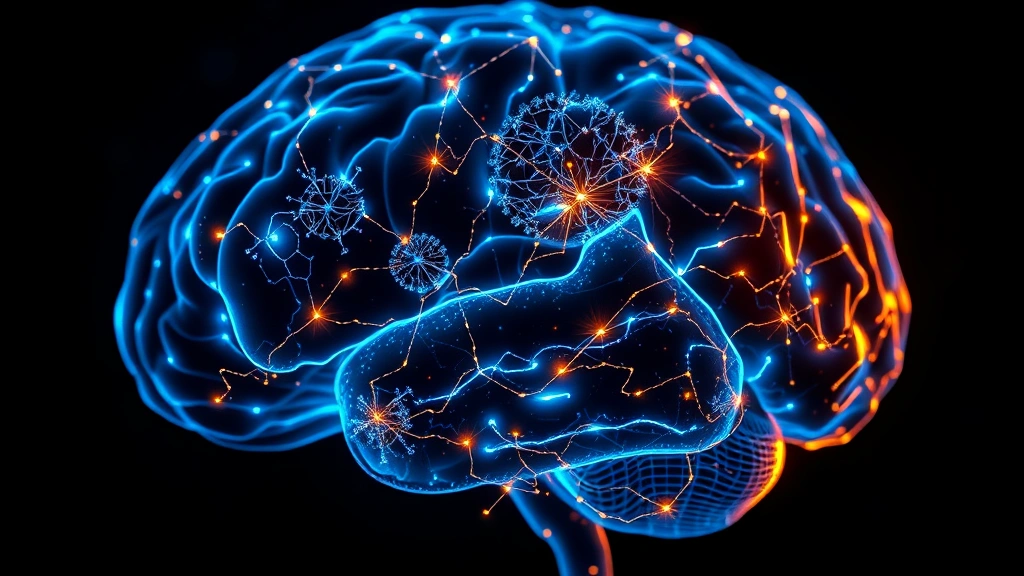
The relationship between mindfulness and depression operates on multiple levels. Neurologically, depression involves alterations in brain regions responsible for emotion regulation, self-referential thinking, and reward processing. Mindfulness practices appear to strengthen neural pathways associated with attention control and emotional regulation while reducing activity in the default mode network—the brain system implicated in self-focused rumination. From a psychological perspective, mindfulness cultivates what therapists call “decentering,” the ability to observe thoughts as mental events rather than facts requiring action or belief. This shift fundamentally changes how individuals relate to depressive thoughts, reducing their emotional impact.
When exploring therapy and wellness resources, many practitioners emphasize that mindfulness doesn’t eliminate negative thoughts but rather changes one’s relationship with them. This distinction proves crucial for depression treatment. Rather than struggling to suppress or eliminate depressive thoughts—a strategy that typically backfires—mindfulness teaches individuals to acknowledge thoughts with curiosity and compassion, allowing them to pass without engagement.

The Science Behind Mindfulness-Based Interventions
Research into mindfulness-based interventions for depression has expanded dramatically over the past two decades. A landmark study published in JAMA Psychiatry demonstrated that mindfulness-based cognitive therapy proved as effective as maintenance antidepressant medication for preventing depressive relapse in individuals with recurrent depression. This finding holds profound implications, suggesting that mindfulness-based approaches may offer a viable alternative or complement to pharmaceutical treatment for certain populations.
Neuroimaging studies have illuminated the mechanisms through which mindfulness alleviates depression. Research using functional MRI has shown that individuals practicing mindfulness demonstrate increased activation in the prefrontal cortex—the brain region responsible for executive function and emotional regulation—while showing decreased activation in the amygdala, which processes emotional reactivity. Over time, consistent mindfulness practice appears to strengthen these neural pathways, creating lasting changes in how the brain processes emotional information. The hippocampus, critical for memory and emotion regulation, also shows increased gray matter volume in individuals who practice mindfulness regularly.
A meta-analysis examining multiple randomized controlled trials found that mindfulness-based interventions produced effect sizes comparable to cognitive-behavioral therapy for depression, with particularly strong effects for individuals with recurrent depression. These findings suggest that mindfulness should not be viewed as merely a supplementary wellness practice but as a legitimate therapeutic intervention with empirical support. Therapists increasingly cite these studies when recommending mindfulness to clients, particularly those hesitant about medication or seeking to reduce pharmaceutical dependence.
The mechanisms of change in mindfulness-based depression treatment extend beyond simple neurological effects. The American Psychological Association highlights that mindfulness cultivates psychological flexibility—the ability to remain present with difficult experiences while pursuing valued actions. This capacity proves essential for depression management, as depressive symptoms often create avoidance patterns that perpetuate the disorder. By increasing psychological flexibility, mindfulness enables individuals to engage in meaningful activities despite depressive symptoms, breaking the avoidance-depression cycle.
Mindfulness-Based Cognitive Therapy (MBCT)
Mindfulness-Based Cognitive Therapy represents the most extensively researched mindfulness intervention for depression. Originally developed by Zindel Segal, Mark Williams, and John Teasdale to prevent depressive relapse, MBCT combines mindfulness meditation practices with cognitive therapy principles. The program typically involves eight weekly two-hour sessions plus a full-day retreat, teaching participants formal meditation practices, body scan exercises, and mindful movement alongside cognitive techniques for identifying and modifying depressive thought patterns.
Therapists appreciate MBCT’s structured format and empirical foundation. The intervention specifically targets the cognitive patterns underlying recurrent depression, teaching individuals to recognize early warning signs of depressive episodes and respond with mindfulness rather than rumination. Research demonstrates that MBCT reduces relapse rates by approximately 50% in individuals with recurrent depression, making it one of the most effective psychological interventions available. For those exploring occupational therapy jobs or other mental health career paths, MBCT training has become increasingly valuable professional credential.
The cognitive component of MBCT distinguishes it from pure mindfulness meditation. While mindfulness teaches present-moment awareness, MBCT explicitly addresses depressive thinking patterns. Participants learn to recognize rumination, challenge automatic negative thoughts, and develop more balanced perspectives. This combination proves particularly effective because it addresses both the attentional processes underlying depression (through mindfulness) and the cognitive content (through cognitive therapy techniques). Therapists report that this dual approach resonates with clients who might otherwise dismiss pure meditation as “too abstract” or disconnected from their specific depressive struggles.
Therapist Perspectives on Implementation
Mental health professionals who integrate mindfulness into depression treatment consistently report positive outcomes when implementation follows evidence-based guidelines. Therapists emphasize that mindfulness works best when approached as a skill requiring practice and cultivation rather than a quick fix. Depression typically develops over months or years; expecting mindfulness to eliminate symptoms in days or weeks sets unrealistic expectations. Experienced practitioners recommend beginning with brief practices—even five to ten minutes daily—and gradually extending duration as comfort and skill develop.
Therapists also recognize individual differences in mindfulness responsiveness. Some clients naturally take to meditation and experience rapid symptom improvement, while others find sitting quietly with their thoughts initially intensifies depressive symptoms. This variation reflects differences in baseline rumination patterns, trauma history, and neurological factors. Skilled therapists adjust recommendations accordingly, sometimes introducing mindfulness gradually, starting with walking meditation or mindful movement before progressing to seated practice. For those seeking professional guidance, exploring speech therapy near me and similar local service directories can help identify therapists trained in mindfulness-based approaches.
Clinical experience has revealed that mindfulness works optimally when combined with behavioral activation—the deliberate engagement in valued activities despite depressive symptoms. Depression creates powerful avoidance patterns; individuals withdraw from social contact, stop engaging in enjoyable activities, and reduce physical activity. These behaviors paradoxically intensify depression by eliminating sources of pleasure and reinforcement. Therapists increasingly pair mindfulness training with behavioral activation, using mindfulness to help clients tolerate the discomfort of re-engaging with activities while behavioral activation provides concrete motivation and mood improvement.
Practical Mindfulness Techniques for Depression
Several evidence-supported mindfulness techniques have proven particularly effective for depression management. The body scan meditation, where individuals systematically direct attention through different body regions, helps interrupt rumination while cultivating bodily awareness. Depression often involves disconnection from bodily sensations; individuals may lose appetite awareness, ignore fatigue signals, or become insensitive to physical tension. Body scan practice re-establishes this vital mind-body connection, enabling individuals to recognize and respond to physical needs that support mental health.
Mindful breathing exercises offer another accessible entry point to mindfulness practice. By focusing attention on the natural rhythm of breathing, individuals anchor awareness in the present moment. Whenever the mind wanders—which it inevitably does, especially in depression—attention gently returns to the breath. This repeated cycle of attention wandering and returning strengthens attentional control and demonstrates directly that thoughts need not be followed or believed. Many therapists recommend breath awareness as the foundation practice, building more complex meditations only after clients develop comfort with this basic technique.
Walking meditation provides particularly valuable benefits for depressed individuals who struggle with seated practice. By combining mindful awareness with gentle physical movement, walking meditation addresses depression’s tendency toward sedentary avoidance while cultivating present-moment awareness. Therapists often recommend beginning with informal mindfulness—bringing full attention to routine activities like showering, eating, or walking—before progressing to formal meditation practice. This approach makes mindfulness feel less like another obligation and more like a natural extension of daily life.
Loving-kindness meditation, which involves systematically cultivating compassionate wishes toward oneself and others, addresses the self-criticism and social withdrawal characteristic of depression. Many depressed individuals harbor harsh self-judgment, viewing themselves through a lens of failure and unworthiness. Loving-kindness practice directly counters these patterns by deliberately cultivating warm regard toward oneself. Research demonstrates that loving-kindness meditation reduces depressive symptoms, increases positive emotion, and improves social connection—addressing multiple dimensions of depression simultaneously.
Integration with Other Treatment Modalities
Contemporary therapists rarely employ mindfulness in isolation. Instead, mindfulness integrates naturally with other evidence-based depression treatments. When combined with cognitive-behavioral therapy, mindfulness enhances cognitive work by teaching clients to observe thoughts without immediately engaging with their content. The cognitive flexibility cultivated through mindfulness makes cognitive restructuring more effective, as individuals develop the psychological space to evaluate and modify thoughts rather than simply being swept along by them.
Pharmacological treatment and mindfulness also complement each other effectively. Antidepressant medications can provide the emotional stability and energy necessary for individuals to engage meaningfully in mindfulness practice. Rather than viewing medication and mindfulness as competing approaches, integrated treatment plans leverage both. Medications address neurochemical factors while mindfulness builds psychological skills and resilience. This combination approach often produces better outcomes than either intervention alone, particularly for moderate to severe depression.
Therapists considering physical therapy treatment for cerebral palsy and other conditions recognize that mindfulness extends beyond mental health applications. The mind-body integration cultivated through mindfulness supports physical rehabilitation and pain management. Similarly, for those interested in the broader therapeutic landscape, understanding therapy cost and insurance information helps clients access integrated treatment approaches combining mindfulness with other modalities.
Mindfulness also integrates effectively with acceptance and commitment therapy (ACT), which emphasizes psychological flexibility and values-based living. ACT uses mindfulness techniques to help individuals accept difficult thoughts and emotions while committing to meaningful action aligned with personal values. This combination proves particularly powerful for depression, as it simultaneously teaches acceptance of depressive symptoms and motivation for engagement with valued life domains. Therapists report that clients often experience significant symptom reduction and meaning enhancement through ACT-mindfulness approaches.
Challenges and Considerations
Despite compelling evidence and therapist endorsement, mindfulness-based depression treatment faces several challenges in real-world implementation. First, meditation requires consistent practice, and depression itself undermines motivation and energy for such practice. Individuals struggling with depression may find the discipline required for regular mindfulness difficult to maintain, particularly early in treatment. Experienced therapists address this by starting with brief practices, integrating mindfulness into existing routines, and providing psychoeducation about how practice difficulty reflects depression rather than personal failure.
Second, some individuals experience increased distress when beginning meditation practice. By directing attention inward, meditation can initially intensify awareness of depressive symptoms, negative thoughts, and uncomfortable bodily sensations. This phenomenon, sometimes called “meditation-induced adverse effects,” requires skilled therapeutic management. Therapists may temporarily reduce practice intensity, introduce more gentle techniques like loving-kindness meditation, or address underlying trauma that emerges during practice. Proper screening and gradual introduction prevent most adverse effects.
Third, mindfulness-based interventions work best when delivered by trained practitioners. While self-help mindfulness apps and books offer accessible entry points, research indicates that therapist-guided mindfulness produces superior outcomes. The therapeutic relationship itself facilitates the vulnerability and openness necessary for mindfulness to work deeply. Additionally, skilled therapists can adapt practices to individual needs, troubleshoot difficulties, and integrate mindfulness with other therapeutic work in ways that generic apps cannot.
Research from the National Institute of Mental Health also emphasizes that mindfulness proves less effective as monotherapy for severe depression. Individuals with severe depression, active suicidality, or acute psychosis typically require medication, hospitalization, or more intensive interventions before mindfulness-based approaches become appropriate. Therapists must carefully assess depression severity and safety before recommending mindfulness as primary treatment, reserving it for mild to moderate depression or as maintenance therapy following acute treatment.
Cultural considerations also merit attention. Mindfulness practices originate in Buddhist traditions and may feel foreign or uncomfortable for individuals from different cultural backgrounds or religious traditions. Skilled therapists adapt mindfulness language and practices to align with clients’ cultural frameworks, emphasizing universal aspects of present-moment awareness rather than Buddhist terminology. This cultural sensitivity expands mindfulness accessibility and effectiveness across diverse populations.
FAQ
How long before mindfulness reduces depression symptoms?
Research suggests that consistent mindfulness practice typically produces noticeable symptom reduction within 4-8 weeks, though individual timelines vary significantly. Some individuals experience benefits within days, while others require months of regular practice. Therapists recommend maintaining realistic expectations and viewing mindfulness as a skill requiring gradual development rather than expecting immediate relief. Combining mindfulness with other treatments like behavioral activation or medication often accelerates symptom improvement.
Can mindfulness replace antidepressant medication?
For some individuals with mild to moderate recurrent depression, mindfulness-based cognitive therapy proves as effective as maintenance antidepressant medication for preventing relapse. However, this doesn’t apply universally. Severe depression typically requires medication, and many individuals benefit from combined treatment. Therapists emphasize that this decision should involve careful collaboration with psychiatrists or prescribing physicians, never involving unilateral medication discontinuation without professional guidance.
What if I can’t sit still for meditation?
Sitting meditation represents just one mindfulness approach. Walking meditation, body scans, mindful eating, and informal mindfulness during daily activities provide equally valid alternatives. Therapists often recommend starting with these more active or informal practices before progressing to seated meditation. Some individuals find that addressing underlying anxiety or restlessness through other interventions first makes seated practice more accessible.
Is mindfulness suitable for everyone with depression?
While mindfulness benefits most individuals, it’s not universally appropriate. Those with severe depression, active psychosis, recent trauma, or dissociative symptoms may need alternative or supplementary approaches. Additionally, some individuals simply don’t resonate with meditation practices. Skilled therapists assess individual suitability and recommend alternative interventions when mindfulness seems less appropriate, ensuring treatment matches individual needs and preferences.
How does mindfulness differ from positive thinking?
A critical distinction separates mindfulness from positive thinking. Positive thinking attempts to replace negative thoughts with optimistic ones, often suppressing or denying difficult emotions. Mindfulness, conversely, teaches non-judgmental observation of thoughts and emotions without attempting to change them. This distinction proves essential for depression treatment; research shows that thought suppression often backfires, intensifying rumination. Mindfulness’s acceptance-based approach produces more lasting benefits than positive thinking alone.
Can I learn mindfulness from apps or books alone?
While mindfulness apps and books provide valuable resources and make meditation accessible, therapist-guided practice typically produces superior outcomes for depression treatment. Therapists can personalize recommendations, address difficulties, integrate mindfulness with other therapeutic work, and ensure safety. Apps work best as supplements to professional treatment or maintenance practices after therapist-guided introduction. For serious depression, professional guidance remains strongly recommended.