Physical Therapy Benefits: Expert Insights and Evidence-Based Outcomes
Physical therapy has emerged as one of the most effective non-invasive treatment modalities in modern healthcare, offering patients a pathway to recovery, pain management, and improved quality of life. Whether recovering from surgery, managing chronic conditions, or rehabilitating from injury, physical therapy addresses the root causes of dysfunction rather than merely masking symptoms. The role of specialized equipment, such as a physical therapy table, combined with skilled therapeutic techniques, enables practitioners to deliver comprehensive care tailored to individual patient needs.
This comprehensive guide explores the multifaceted benefits of physical therapy, examining how evidence-based practices and expert insights continue to transform patient outcomes across diverse populations and conditions. From orthopedic injuries to neurological disorders, physical therapy represents a cornerstone of modern rehabilitation medicine.
Understanding Physical Therapy and Its Core Principles
Physical therapy, also known as physiotherapy, represents a healthcare discipline grounded in scientific principles and clinical expertise. Practitioners, known as physical therapists or physiotherapists, utilize manual techniques, therapeutic exercises, and specialized equipment to restore function, improve mobility, and enhance overall physical performance. The profession is built upon understanding human anatomy, biomechanics, and the body’s remarkable capacity for adaptation and healing.
The fundamental philosophy of physical therapy emphasizes active patient participation in the healing process. Rather than passive treatment alone, modern physical therapy engages patients as collaborators in their recovery journey. This approach has been validated by numerous studies demonstrating superior outcomes when patients actively participate in their rehabilitation protocols. Physical therapists assess movement patterns, identify functional limitations, and develop individualized treatment plans addressing specific impairments.
Core principles include evidence-based practice, patient-centered care, and continuous outcome measurement. Physical therapists draw upon current research, clinical experience, and patient preferences to design interventions that optimize results. Whether addressing acute injuries or chronic conditions, the therapeutic relationship between practitioner and patient forms the foundation of successful rehabilitation. Patients seeking specialized care can explore physical therapy treatment for cerebral palsy and other neurological conditions through evidence-based approaches.
Essential Equipment: The Physical Therapy Table and Its Impact
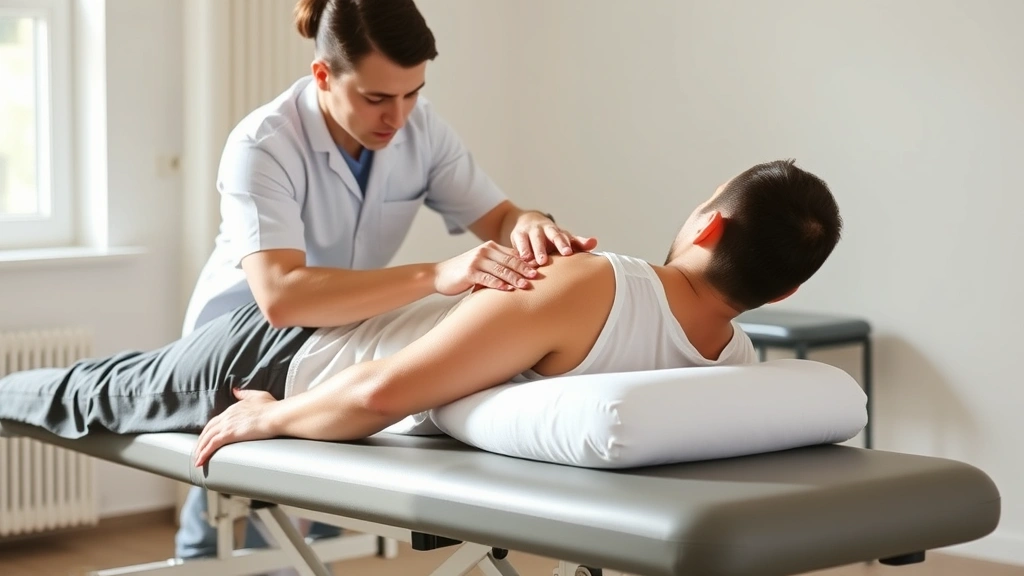
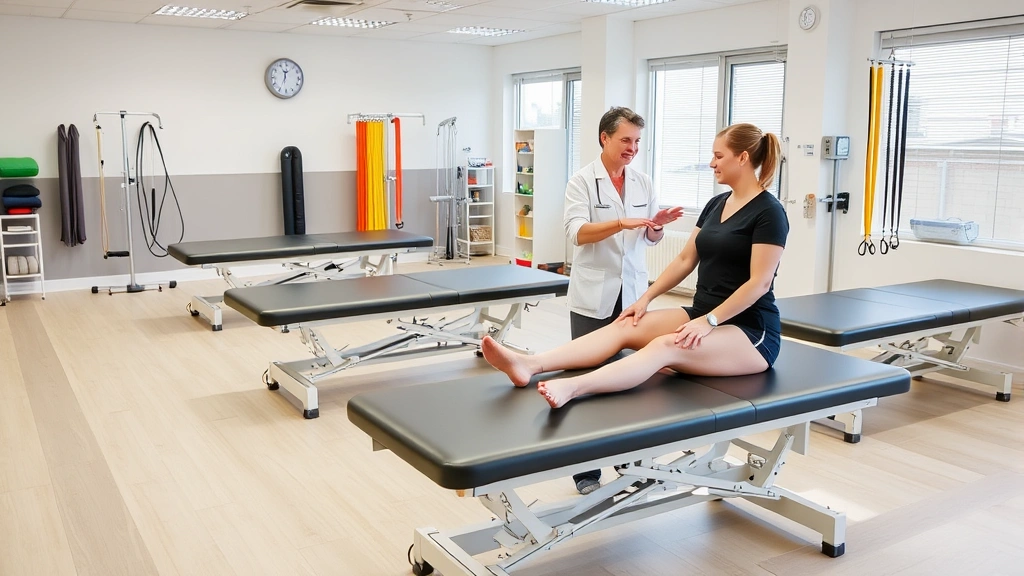
The physical therapy table represents one of the most versatile and essential pieces of equipment in rehabilitation settings. These specialized tables, featuring adjustable height, angle, and surface configurations, enable therapists to position patients optimally for assessment, manual therapy, and exercise prescription. Modern physical therapy tables incorporate ergonomic design principles that benefit both practitioners and patients, reducing practitioner strain while enhancing patient comfort and safety.
Physical therapy tables come in various configurations, from basic manual adjustment models to advanced electric systems with multiple positioning options. The adjustable surface allows therapists to access different body regions efficiently, perform manual therapy techniques with proper biomechanics, and facilitate patient exercises across multiple planes of motion. Height adjustment features enable therapists to maintain proper posture during treatment, reducing occupational injury risk while improving treatment quality and efficacy.
The therapeutic table serves multiple functions throughout treatment sessions. During assessment phases, proper positioning on an adjustable table allows therapists to perform comprehensive musculoskeletal examinations, joint mobility testing, and muscle strength assessments. During manual therapy, the table’s stability and adjustability enable therapists to apply precise forces and techniques with optimal mechanical advantage. For exercise prescription, the table’s versatility supports progression from assisted movements to independent functional activities, supporting the therapeutic continuum from passive to active rehabilitation.
Research published in the Journal of Physical Therapy Science demonstrates that proper equipment utilization, including appropriately configured treatment tables, significantly enhances treatment outcomes and patient satisfaction. The physical therapy table’s role extends beyond mere convenience; it directly impacts the quality, safety, and effectiveness of delivered care.
Pain Management and Injury Recovery
One of physical therapy’s most significant benefits involves effective pain management without relying solely on pharmaceutical interventions. Chronic pain affects millions globally, creating substantial economic burden and diminished quality of life. Physical therapy addresses pain through multiple evidence-based mechanisms, including movement restoration, tissue healing promotion, and neuroplastic changes in pain perception.
Manual therapy techniques, including massage, joint mobilization, and soft tissue mobilization, directly address pain through mechanical and neurophysiological mechanisms. These hands-on approaches reduce muscle tension, improve circulation, and stimulate mechanoreceptor activity, which modulates pain signal transmission through the nervous system. When combined with therapeutic exercise and patient education, manual therapy produces sustained pain relief and functional improvement.
For acute injuries, physical therapy accelerates recovery by promoting optimal tissue healing. Controlled movement facilitates blood flow to injured tissues, prevents contracture formation, and stimulates healing-promoting inflammatory responses. Early mobilization following injury, properly dosed through skilled physical therapy, significantly reduces recovery time compared to prolonged immobilization. This principle applies across diverse injuries, from ankle sprains to rotator cuff pathology.
Chronic pain conditions benefit from physical therapy’s multifaceted approach addressing mechanical dysfunction, central sensitization, and psychological factors. Conditions such as chronic back pain, fibromyalgia, and complex regional pain syndrome respond to graduated exercise programs, education regarding pain neurobiology, and progressive activity restoration. The MindLift Daily Blog provides comprehensive resources addressing various therapeutic approaches to pain management and recovery optimization.
Chronic Condition Management Through Therapeutic Intervention
Physical therapy plays an essential role in managing chronic conditions affecting millions of individuals worldwide. Conditions including arthritis, diabetes, cardiovascular disease, and chronic obstructive pulmonary disease all benefit significantly from appropriately designed physical therapy interventions. Rather than viewing these conditions as static diagnoses, physical therapy recognizes the dynamic nature of chronic disease and the potential for meaningful functional improvement through therapeutic exercise and lifestyle modification.
Arthritis management exemplifies physical therapy’s effectiveness in chronic condition care. Both osteoarthritis and rheumatoid arthritis respond favorably to exercise programs addressing strength, flexibility, and endurance. Research from The Arthritis Foundation consistently demonstrates that appropriate exercise reduces pain, improves joint function, and slows disease progression. Physical therapists design individualized programs balancing therapeutic benefit with disease activity management.
Cardiovascular disease rehabilitation represents another area where physical therapy delivers measurable outcomes. Cardiac rehabilitation programs, incorporating progressive exercise prescription and patient education, significantly reduce mortality risk and improve functional capacity in post-myocardial infarction and heart failure populations. Exercise-based cardiac rehabilitation produces outcomes comparable to or exceeding pharmaceutical interventions for many patients.
Diabetes management benefits from physical therapy through multiple mechanisms. Regular physical activity improves insulin sensitivity, reduces blood glucose levels, and promotes weight management. Physical therapists help diabetic patients overcome barriers to exercise participation, design safe activity programs considering neuropathy and vascular complications, and facilitate lifestyle changes supporting optimal metabolic health.

Neurological Rehabilitation and Movement Restoration
Neurological conditions present unique rehabilitation challenges requiring specialized physical therapy expertise. Stroke, traumatic brain injury, Parkinson’s disease, multiple sclerosis, and spinal cord injury all result in significant movement dysfunction and functional limitation. Modern neurological rehabilitation emphasizes neuroplasticity principles, recognizing the nervous system’s remarkable capacity for reorganization and recovery throughout the lifespan.
Stroke rehabilitation exemplifies physical therapy’s transformative potential in neurological recovery. Early mobilization following stroke, guided by skilled physical therapists, promotes neural reorganization and functional recovery. Task-specific training, emphasizing repetitive practice of meaningful movements, engages neuroplastic mechanisms facilitating motor learning and recovery. Virtual reality, robotic-assisted therapy, and constraint-induced movement therapy represent emerging technologies augmenting traditional neurological rehabilitation approaches.
Parkinson’s disease management increasingly incorporates physical therapy recognizing exercise’s neuroprotective properties. Research demonstrates that high-intensity exercise may slow disease progression while improving motor symptoms and quality of life. Physical therapists design programs addressing gait dysfunction, balance impairment, and bradykinesia through targeted interventions including rhythmic auditory cueing, visual targeting, and progressive resistance training.
Spinal cord injury rehabilitation requires comprehensive physical therapy addressing the profound movement and sensation loss following injury. Physical therapists facilitate functional recovery through strength development in remaining motor capacity, wheelchair mobility training, transfer techniques, and standing/ambulation programs for incomplete injuries. Emerging technologies including robotic exoskeletons and functional electrical stimulation continue expanding rehabilitation possibilities for spinal cord-injured individuals.
For specialized neurological conditions, resources exploring physical therapy treatment for cerebral palsy demonstrate evidence-based approaches addressing developmental movement disorders. Additionally, speech therapy near me services complement physical therapy in comprehensive neurological rehabilitation addressing communication and swallowing dysfunction alongside movement impairment.
Postoperative Recovery and Surgical Rehabilitation
Surgical procedures, while often necessary and beneficial, result in temporary functional limitation requiring structured rehabilitation. Physical therapy plays an indispensable role in optimizing postoperative outcomes, accelerating recovery, and preventing complications. The timing, intensity, and progression of physical therapy following surgery significantly impacts functional restoration and return-to-activity timelines.
Orthopedic surgery rehabilitation represents the most common postoperative physical therapy application. Following procedures including total joint arthroplasty, ligament reconstruction, and rotator cuff repair, physical therapy guides progressive tissue healing while systematically restoring strength, mobility, and functional capacity. Evidence consistently demonstrates that patients receiving structured postoperative physical therapy achieve superior functional outcomes and earlier return to desired activities compared to those without formal rehabilitation.
Total knee arthroplasty rehabilitation exemplifies postoperative physical therapy principles. Early mobilization prevents stiffness and contracture formation, while progressive strengthening addresses quadriceps weakness and functional limitation. Gait training normalizes walking patterns, and functional training prepares patients for stairs, transitions, and community ambulation. Patients receiving comprehensive physical therapy achieve better range of motion, strength, and functional outcomes compared to those receiving standard care alone.
Cardiac surgery rehabilitation requires specialized physical therapy balancing activity progression with cardiac precautions. Physical therapists carefully dose exercise, monitor vital signs, and educate patients regarding appropriate activity pacing during recovery. Progressive exercise programs facilitate cardiovascular reconditioning, reduce anxiety, and support psychological adjustment to surgical intervention and recovery processes.
Athletic Performance Enhancement and Injury Prevention
Physical therapy extends beyond therapeutic applications into performance enhancement and injury prevention domains. Athletes increasingly recognize physical therapy’s value in optimizing performance, preventing injuries, and facilitating rapid return-to-sport following injury. Sports physical therapists possess specialized expertise in athletic movement analysis, injury prevention programming, and sport-specific rehabilitation.
Injury prevention represents physical therapy’s most cost-effective application in athletic populations. Comprehensive movement screening identifies biomechanical dysfunction, strength imbalances, and flexibility limitations predisposing athletes to injury. Targeted interventions addressing identified deficits significantly reduce injury incidence. Research demonstrates that well-designed injury prevention programs reduce lower extremity injury rates by 25-50% in various athletic populations.
Return-to-sport rehabilitation ensures athletes regain not only baseline function but also sport-specific capacity. Traditional rehabilitation addressing strength and range of motion proves insufficient; athletes require sport-specific training addressing agility, power, proprioception, and psychological readiness. Progressive return-to-sport protocols systematically challenge athletes with increasing sport-specific demands, reducing re-injury risk while optimizing performance.
Performance enhancement through physical therapy involves optimizing movement patterns, addressing muscle imbalances, and improving neuromuscular efficiency. Elite athletes work with sports physical therapists to refine movement quality, enhance stability during dynamic activities, and develop resilience against sport-specific injury mechanisms. This proactive approach to performance supports competitive success while maintaining long-term musculoskeletal health.
Mental Health and Psychological Benefits
Physical therapy’s benefits extend beyond physical domains into significant psychological and mental health territory. Exercise and movement, central to physical therapy, trigger neurochemical changes including endorphin release, serotonin elevation, and dopamine modulation—all contributing to improved mood and psychological wellbeing. Patients undergoing physical therapy frequently report improved emotional resilience alongside physical recovery.
Depression and anxiety commonly accompany musculoskeletal conditions, creating bidirectional relationships where pain exacerbates mood disturbance while psychological distress amplifies pain perception. Physical therapy addresses this mind-body connection through movement restoration, physical activity engagement, and therapeutic relationships supporting psychological healing. The structured, goal-oriented nature of physical therapy provides patients with sense of agency, purpose, and progressive achievement—all psychologically beneficial elements.
Body image and self-efficacy improvements represent significant psychological benefits from physical therapy. Patients regaining lost function, achieving new movement capabilities, and experiencing independence restoration frequently report enhanced self-esteem and life satisfaction. These psychological improvements often exceed pain reduction in importance for patient wellbeing and quality of life enhancement.
Social engagement through group physical therapy classes and community-based rehabilitation programs provides valuable psychological support and reduces isolation. Patients sharing similar conditions find peer support valuable, while group dynamics enhance motivation and adherence to rehabilitation protocols. This social component of physical therapy contributes significantly to overall wellbeing beyond individual therapeutic effects.
Evidence-Based Research and Clinical Outcomes
Physical therapy’s effectiveness rests upon substantial scientific evidence demonstrating clinical benefit across diverse populations and conditions. Systematic reviews and meta-analyses consistently show physical therapy produces significant functional improvements, pain reduction, and quality of life enhancement. Leading research institutions and professional organizations including the American Physical Therapy Association continuously generate and disseminate evidence supporting physical therapy’s clinical value.
Large-scale randomized controlled trials demonstrate physical therapy’s effectiveness for conditions including low back pain, knee osteoarthritis, and shoulder impingement. A landmark study published in JAMA found physical therapy as effective as surgery for knee osteoarthritis management, offering patients a less invasive alternative with fewer complications. Similar evidence supports physical therapy for numerous conditions where evidence-based rehabilitation produces outcomes matching or exceeding surgical intervention.
Cost-effectiveness analyses consistently demonstrate physical therapy’s economic value. Early physical therapy intervention for acute injuries reduces overall healthcare costs by preventing chronicity and unnecessary advanced imaging or surgical intervention. For chronic conditions, physical therapy reduces hospitalizations, emergency department visits, and medication requirements—generating substantial healthcare system savings alongside improved patient outcomes.
Implementation science research addresses optimal physical therapy delivery models, dosing parameters, and integration with other healthcare services. Emerging evidence supports telehealth physical therapy for appropriate conditions, reducing access barriers while maintaining treatment effectiveness. Research continues exploring optimal timing, intensity, and duration of physical therapy for various conditions, refining practice guidelines and maximizing patient outcomes.
Professional resources including the Physiopedia platform provide comprehensive evidence-based information supporting clinical practice and patient education. Additionally, therapy cost information helps patients understand financial aspects of physical therapy investment in their health and recovery.
FAQ
What conditions benefit most from physical therapy?
Physical therapy benefits numerous conditions including orthopedic injuries, arthritis, post-surgical rehabilitation, neurological disorders, cardiovascular disease, and chronic pain conditions. Essentially, any condition involving movement dysfunction, strength loss, or mobility limitation may benefit from appropriate physical therapy intervention. Consulting with healthcare providers helps determine whether physical therapy represents an appropriate treatment option for specific conditions.
How long does physical therapy typically take to show results?
Results timeline varies significantly depending on condition severity, chronicity, and individual factors. Acute injuries may show improvement within 2-4 weeks, while chronic conditions may require 8-12 weeks for substantial improvement. Consistent adherence to home exercise programs and regular therapy sessions significantly influences timeline and outcomes. Patient engagement represents one of the strongest predictors of rehabilitation success.
Can physical therapy prevent the need for surgery?
Physical therapy frequently prevents surgical necessity by addressing underlying dysfunction and promoting tissue healing through conservative management. For many orthopedic and musculoskeletal conditions, appropriately prescribed physical therapy produces outcomes comparable to surgical intervention. However, certain conditions require surgical intervention; physical therapy then optimizes postoperative recovery and outcomes.
Is physical therapy covered by insurance?
Most insurance plans cover medically necessary physical therapy, though coverage details vary substantially. Many plans require physician referral, limit session numbers, or impose copayment requirements. Understanding specific insurance coverage before beginning physical therapy helps patients plan financially and avoid unexpected expenses. Resources exploring therapy cost and insurance information provide valuable guidance for financial planning.
What should I expect during my first physical therapy session?
Initial sessions typically include comprehensive history taking, detailed physical examination, and assessment of movement patterns and functional limitations. Physical therapists perform various tests assessing strength, flexibility, balance, and movement quality. Based on findings, therapists develop individualized treatment plans outlining goals, treatment frequency, and expected outcomes. Subsequent sessions involve therapeutic intervention, exercise instruction, and progression based on ongoing assessment.
Can I do physical therapy exercises at home?
Home exercise programs represent essential components of physical therapy, often determining success or failure of rehabilitation. Physical therapists prescribe specific exercises tailored to individual conditions and capabilities, providing detailed instruction and progression guidelines. Consistent home exercise performance between formal therapy sessions significantly accelerates recovery and improves outcomes. Many patients find home programs convenient, cost-effective, and empowering in their rehabilitation journey.