
How Does Mindfulness Aid Physical Healing? Experts Explain
The connection between mind and body has fascinated researchers and healers for centuries, but modern science is finally unlocking the mechanisms behind this profound relationship. Mindfulness—the practice of maintaining present-moment awareness without judgment—has emerged as a powerful complement to traditional physical therapy treatment approaches. When integrated into rehabilitation protocols, mindfulness can accelerate recovery, reduce pain perception, and enhance overall healing outcomes.
Physical healing is far more complex than simply repairing damaged tissues. It involves intricate coordination between the nervous system, immune response, hormonal regulation, and psychological states. Mindfulness addresses all these dimensions simultaneously, making it an increasingly popular evidence-based intervention in clinical settings. From professional athletes recovering from injuries to patients managing chronic pain conditions, mindfulness-based approaches are demonstrating measurable improvements in healing trajectories.
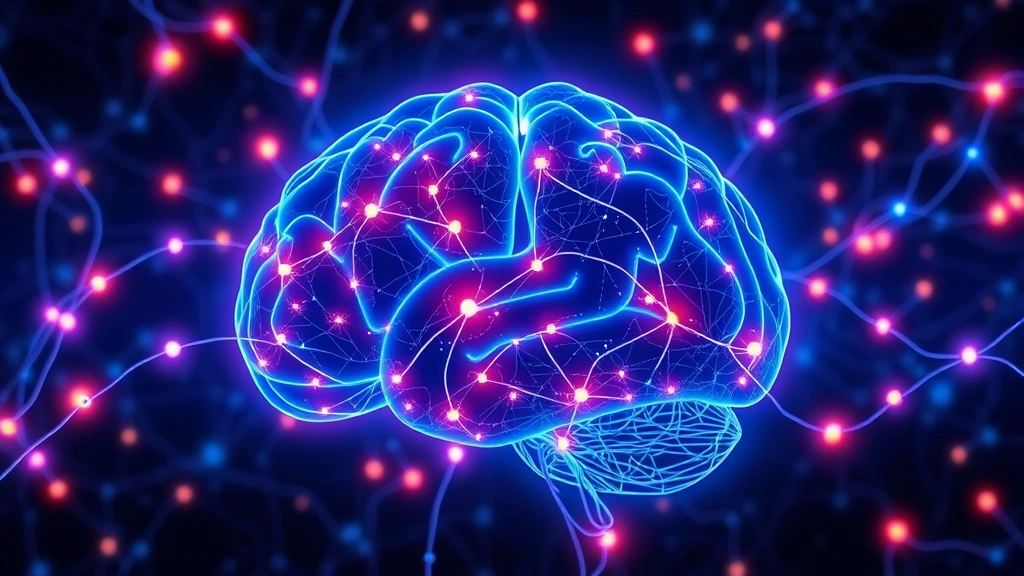
The Neuroscience Behind Mindfulness and Physical Healing
Mindfulness activates specific regions of the brain that directly influence physical healing processes. When you engage in mindfulness meditation, your prefrontal cortex—the brain’s decision-making and emotional regulation center—strengthens its connections with the amygdala, which processes fear and stress responses. This neurological shift creates a cascade of beneficial physiological changes that accelerate tissue repair and recovery.
The parasympathetic nervous system, often called the “rest and digest” system, becomes dominant during mindfulness practice. This activation triggers the release of healing hormones, including oxytocin and growth hormone, while simultaneously reducing cortisol and adrenaline—stress hormones that impede recovery. Research from the National Institutes of Health demonstrates that consistent mindfulness practice increases gray matter density in brain regions associated with learning, memory, and emotional regulation, all crucial for physical recovery.
The vagus nerve, a critical component of the parasympathetic nervous system, acts as a communication highway between brain and body. Mindfulness practices, particularly breath-focused meditation, directly stimulate vagal tone—essentially “exercising” this nerve to improve its function. Enhanced vagal tone correlates with reduced inflammation, improved immune response, and faster wound healing. This mechanism explains why mindfulness practitioners often experience accelerated recovery from injuries and surgery compared to non-practitioners.

How Mindfulness Reduces Inflammation and Pain
Chronic inflammation is a primary barrier to physical healing, perpetuating pain and limiting mobility in injured areas. Mindfulness reduces pro-inflammatory cytokines—chemical messengers that trigger inflammatory responses—through multiple pathways. When you practice mindfulness, your body’s stress response decreases, which directly lowers inflammatory markers like interleukin-6 and tumor necrosis factor-alpha.
Pain perception itself becomes modulated through mindfulness practice. Unlike analgesics that block pain signals, mindfulness changes your relationship with pain. Through consistent practice, you develop the ability to observe pain sensations without the emotional reactivity that amplifies suffering. This distinction is crucial: mindfulness doesn’t eliminate pain but reduces the suffering associated with it, allowing individuals to participate more fully in physical therapy treatment protocols that accelerate healing.
Studies using functional MRI imaging show that experienced meditators demonstrate reduced activation in brain regions associated with pain perception when exposed to painful stimuli. Simultaneously, areas responsible for pain modulation and emotional regulation show increased activity. This neuroplastic adaptation—the brain’s ability to rewire itself—develops through regular practice and becomes increasingly pronounced over time. According to research published in Nature journals, mindfulness practitioners report up to 40% reduction in pain intensity compared to control groups.
The endogenous opioid system—your body’s natural pain-relief mechanism—becomes more active during mindfulness practice. This explains why long-term meditators often require lower doses of pain medication and experience better quality of life during recovery periods. The practice essentially teaches your nervous system to activate its own pain-management resources more efficiently.
Mindfulness in Rehabilitation Programs
Forward-thinking rehabilitation centers are increasingly incorporating mindfulness into comprehensive treatment protocols. When mindfulness is combined with traditional therapy cost structures, it often reduces overall treatment duration and improves outcomes, potentially offsetting initial program expenses through faster recovery.
Sports medicine specialists have documented remarkable results integrating mindfulness into athlete rehabilitation. Professional teams now employ mindfulness coaches alongside physical therapists, recognizing that mental state directly impacts healing velocity. Athletes who practice mindfulness during recovery return to competition faster and with fewer re-injury incidents compared to those using conventional rehabilitation alone.
Cardiac rehabilitation programs incorporating mindfulness show significant improvements in heart rate variability, blood pressure control, and psychological markers like depression and anxiety. These improvements translate into better long-term cardiovascular outcomes. Cancer survivors undergoing physical rehabilitation benefit similarly, with mindfulness reducing fatigue, improving mobility, and enhancing quality of life during recovery phases.
Post-surgical recovery represents another domain where mindfulness demonstrates exceptional benefits. Patients who begin mindfulness practice before surgery and continue during recovery show reduced post-operative pain, lower infection rates, faster wound healing, and shorter hospital stays. The mechanism involves reduced stress hormones that would otherwise impair immune function and tissue repair.
Practical Mindfulness Techniques for Recovery
Implementing mindfulness during physical healing doesn’t require extensive training or time commitment. Several evidence-based techniques prove particularly effective for individuals in recovery phases:
- Body Scan Meditation: Systematically focusing attention on different body regions, noticing sensations without judgment. This practice enhances body awareness, helps identify areas needing extra attention, and activates parasympathetic responses. Ten to twenty minutes daily demonstrates measurable benefits within two weeks.
- Breath-Focused Meditation: Concentrating on natural breathing patterns activates vagal tone and reduces stress response. Even three minutes of slow, conscious breathing (four-count inhale, six-count exhale) significantly lowers cortisol levels and promotes healing.
- Loving-Kindness Meditation: Directing compassion toward yourself and others reduces inflammatory markers and promotes emotional resilience during challenging recovery phases. This practice proves particularly valuable when dealing with frustration or setbacks.
- Mindful Movement: Practicing yoga, tai chi, or gentle stretching with full present-moment awareness combines physical rehabilitation with mindfulness benefits. These practices improve mobility while maintaining meditative states, making them ideal for injury recovery.
- Mindful Eating: Consciously consuming nutrient-dense foods supports healing while practicing mindfulness. This technique addresses both physical nutrition needs and psychological well-being during recovery.
Consistency matters more than duration. Fifteen minutes of daily practice produces more significant results than occasional longer sessions. Most practitioners notice improved pain management, better sleep quality, and enhanced mood within three to four weeks of regular practice.
Research Evidence and Clinical Studies
The scientific foundation supporting mindfulness for physical healing continues expanding. A landmark study published in JAMA Internal Medicine demonstrated that mindfulness-based stress reduction produced equivalent anxiety reduction to pharmaceutical interventions, without medication side effects that could impair healing.
Research from The Lancet examining chronic pain management showed mindfulness-based interventions produced sustained improvements in pain and disability, with benefits persisting years after program completion. Participants reported enhanced physical function and reduced healthcare utilization.
Brain imaging studies reveal that mindfulness practitioners show increased gray matter concentration in the hippocampus and prefrontal cortex—regions crucial for memory, learning, and emotional regulation. These structural changes correlate with improved recovery outcomes and reduced re-injury rates.
Immunological research demonstrates that mindfulness increases natural killer cells and antibody production, essential for fighting infection and supporting tissue repair. This immune enhancement proves particularly valuable post-surgery when infection risk is elevated.
Cardiovascular studies show mindfulness reduces blood pressure, heart rate, and arterial stiffness—all markers affecting healing capacity. Improved cardiovascular function delivers more oxygen and nutrients to healing tissues, accelerating recovery.
Integrating Mindfulness with Professional Therapy
Mindfulness works synergistically with professional therapeutic interventions. Whether you’re seeking speech therapy near me or traditional physical rehabilitation, mindfulness enhances treatment efficacy. The practice prepares your nervous system for therapeutic work, reduces pain during sessions, and accelerates adaptation to movement patterns.
Therapists increasingly recommend mindfulness as a between-session practice, allowing patients to maintain therapeutic gains and continue healing progress at home. This extended engagement produces compound benefits, transforming recovery from passive treatment to active self-directed healing.
For individuals exploring occupational therapy jobs or considering therapy careers, understanding mindfulness integration represents an increasingly valuable skill set. Modern therapeutic practice demands holistic approaches addressing physical, emotional, and neurological dimensions of healing.
Complementary approaches like red light therapy near me options can be combined with mindfulness for enhanced results. While red light therapy addresses tissue-level healing through photobiomodulation, mindfulness optimizes nervous system function and pain perception—creating comprehensive recovery support.
The MindLift Daily Blog offers extensive resources on integrating mindfulness with various therapeutic modalities, providing practical guidance for practitioners and patients alike.
FAQ
How quickly does mindfulness improve physical healing?
Initial benefits appear within days of starting practice, with measurable physiological changes occurring within two to four weeks of consistent daily meditation. Structural brain changes develop over months, correlating with progressively stronger healing outcomes. Most practitioners notice reduced pain and improved sleep within the first week.
Can mindfulness replace physical therapy?
Mindfulness complements but doesn’t replace physical therapy. While it optimizes nervous system function and reduces pain, it doesn’t provide the specific mechanical rehabilitation tissues require. The most effective approach combines professional therapy with consistent mindfulness practice.
What’s the minimum daily practice needed for healing benefits?
Research suggests ten to fifteen minutes daily produces measurable improvements. Even brief practices—three to five minutes—provide immediate nervous system benefits. Consistency matters more than duration; daily practice outperforms sporadic longer sessions.
Can mindfulness help with chronic pain conditions?
Yes, extensively studied populations with chronic pain show significant improvement with mindfulness-based stress reduction programs. Benefits include reduced pain intensity, improved function, decreased medication dependence, and enhanced quality of life. Effects persist long-term with continued practice.
Is mindfulness suitable for post-surgical recovery?
Absolutely. Pre-surgical mindfulness practice and continued meditation during recovery produce superior outcomes: reduced post-operative pain, lower infection rates, faster wound healing, and shorter hospital stays. Many surgical centers now recommend mindfulness as standard recovery protocol.