Physical Therapy in Las Vegas: Expert Tips for Recovery and Wellness
Las Vegas is known for entertainment and excitement, but for residents and visitors dealing with injuries, chronic pain, or mobility issues, finding quality physical therapy in Las Vegas can be transformative. Whether you’re recovering from a sports injury, managing post-surgical rehabilitation, or addressing chronic conditions, physical therapy offers evidence-based treatments that accelerate healing and restore function. The desert city’s growing healthcare infrastructure now includes numerous specialized clinics staffed with licensed physical therapists who understand the unique demands of an active lifestyle in Nevada’s climate.
The importance of selecting the right physical therapy provider cannot be overstated. A qualified therapist will conduct comprehensive assessments, develop personalized treatment plans, and utilize advanced techniques to help you regain strength, flexibility, and independence. This guide explores everything you need to know about physical therapy services in Las Vegas, from understanding what to expect during your first visit to discovering specialized treatments that can address your specific condition.
What Is Physical Therapy and How Does It Work?
Physical therapy is a healthcare discipline focused on optimizing movement, function, and quality of life through evidence-based interventions. Licensed Physical Therapists (PTs) in Las Vegas use manual techniques, therapeutic exercises, and modalities to treat musculoskeletal, neurological, and cardiovascular conditions. According to the American Physical Therapy Association, physical therapists are movement experts who help patients reduce pain, improve mobility, and return to their desired activities.
The therapeutic process begins with a thorough evaluation where your therapist assesses your medical history, performs physical tests, identifies limitations, and determines the root cause of your symptoms. Rather than simply treating pain, physical therapists address underlying dysfunctions that contributed to your injury or condition. This comprehensive approach often leads to longer-lasting results compared to passive treatments alone.
Physical therapy protocols typically include three main components: pain management, strengthening exercises, and functional training. Pain management might involve techniques like soft tissue mobilization, joint mobilization, or therapeutic modalities. Strengthening exercises rebuild muscle capacity and stability, while functional training helps you regain ability to perform daily activities, sports, or work-related tasks. Many Las Vegas clinics now integrate technology and evidence-based practices supported by peer-reviewed research from institutions like the Stanford University School of Medicine.
Common Conditions Treated in Las Vegas Clinics
Physical therapy clinics throughout Las Vegas treat a diverse range of conditions affecting people of all ages. Understanding which conditions benefit most from physical therapy can help you determine if treatment is appropriate for your situation. Las Vegas’s active population, which includes fitness enthusiasts, athletes, and service industry workers, frequently requires specialized rehabilitation services.
Orthopedic injuries represent the largest category of physical therapy cases. Physical therapy for shoulder pain addresses rotator cuff injuries, impingement syndrome, and frozen shoulder conditions common in overhead athletes and manual laborers. Knee injuries, including ACL tears and meniscal damage, benefit tremendously from structured rehabilitation protocols that restore stability and proprioception. Physical therapy for plantar fasciitis provides relief for runners and workers experiencing heel pain through targeted stretching, strengthening, and biomechanical correction.
Back pain affects numerous Las Vegas residents, and physical therapy offers non-surgical alternatives to manage both acute and chronic lumbar conditions. Therapists address muscle imbalances, mobility restrictions, and postural dysfunctions that perpetuate back pain cycles. Neck pain and cervical spine issues also respond well to physical therapy interventions, particularly when combined with ergonomic education and postural retraining.
Post-surgical rehabilitation is another critical service area. After orthopedic surgeries like joint replacement, rotator cuff repair, or ACL reconstruction, physical therapy guides patients through structured progression to regain range of motion, strength, and functional independence. Neurological conditions including stroke recovery, Parkinson’s disease, and balance disorders benefit from specialized physical therapy programs designed to promote neuroplasticity and functional improvement.
Finding the Right Physical Therapist
Selecting an appropriate physical therapy provider in Las Vegas requires consideration of several important factors. First, verify that your potential therapist holds proper licensure. Nevada requires physical therapists to complete a Doctor of Physical Therapy (DPT) degree, pass the National Physical Therapy Examination, and maintain active licensure through the Nevada State Board of Physical Therapy Examiners. This ensures your provider has met rigorous educational and professional standards.
Specialization matters significantly. Some therapists focus on sports medicine and athletic injuries, while others specialize in orthopedic rehabilitation, neurological conditions, geriatric care, or pediatric therapy. Many Las Vegas clinics now employ therapists with additional certifications in areas like manual therapy, dry needling, vestibular rehabilitation, or lymphatic drainage. If you have occupational therapy needs alongside physical therapy, integrated clinics offering both services provide comprehensive care coordination.
Consider the clinic’s location and accessibility. Las Vegas spans a large geographic area, and convenient location encourages consistent attendance at appointments, which directly correlates with better outcomes. Many modern clinics now offer telehealth consultations for initial evaluations or follow-up sessions, providing flexibility for busy schedules.
Reputation and patient reviews provide valuable insights into therapist quality and clinic environment. Look for providers with positive feedback regarding communication, treatment effectiveness, and patient education. Don’t hesitate to ask about the therapist’s experience with your specific condition. Asking whether they’ve successfully treated similar cases demonstrates their expertise and helps you feel confident in your choice.
Insurance compatibility is practical but important. Verify that your insurance plan covers the clinic and whether you need a physician referral. Many Las Vegas physical therapy clinics have billing specialists who can navigate insurance questions and explain your financial responsibility before treatment begins.

Advanced Treatment Techniques Available Locally
Las Vegas physical therapy clinics increasingly offer advanced techniques that enhance traditional rehabilitation. Understanding these modalities helps you appreciate the sophisticated care available in the region. Many clinics now utilize evidence-based approaches supported by research from leading institutions like Mayo Clinic.
Manual therapy techniques, including joint mobilization and soft tissue manipulation, address restricted movement and muscle tension. Skilled therapists apply specific forces to joints and soft tissues, improving mobility and reducing pain. Trigger point dry needling, performed by certified therapists, involves inserting thin needles into tight muscle knots to release tension and promote healing. This technique, supported by growing research evidence, proves particularly effective for chronic muscle pain conditions.
Therapeutic ultrasound and electrical stimulation modalities promote tissue healing and reduce inflammation. While these should complement rather than replace exercise-based interventions, they provide valuable pain management during early rehabilitation phases. Shockwave therapy, available at select Las Vegas clinics, shows promise for chronic tendon conditions and plantar fasciitis that haven’t responded to conservative treatment.
Instrument-assisted soft tissue mobilization (IASTM) uses specialized tools to address scar tissue and promote tissue remodeling. This technique accelerates healing and improves tissue quality, particularly beneficial following surgery or chronic injury. Cupping therapy and myofascial release techniques address fascial restrictions that limit movement and contribute to pain patterns.
Aquatic therapy, offered by clinics with pools, leverages water’s buoyancy and resistance for rehabilitation. The aquatic environment allows earlier weight-bearing and movement initiation following surgery or injury, making it particularly valuable for orthopedic and neurological cases. Therapeutic exercises performed in warm water reduce pain while building strength and endurance.
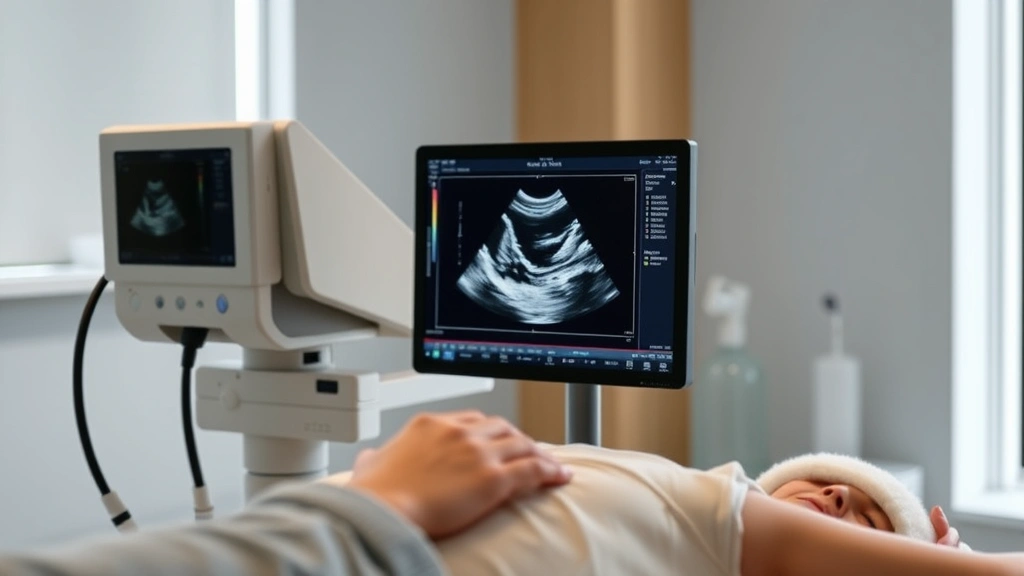
Real-time ultrasound imaging enables therapists to visualize muscle activation and movement patterns during exercise, providing immediate feedback that improves motor learning. This technology helps patients understand proper movement patterns and correct compensatory strategies that perpetuate dysfunction.
Insurance and Cost Considerations
Understanding financial aspects of physical therapy helps you plan treatment appropriately. Most major health insurance plans cover physical therapy with varying degrees of cost-sharing. Medicare covers medically necessary physical therapy, though beneficiaries typically pay 20% of approved amounts after meeting their deductible. Nevada Medicaid also covers physical therapy for eligible recipients.
Out-of-pocket costs depend on your insurance plan structure. Plans with high deductibles require you to pay the full negotiated rate until your deductible is satisfied. After meeting deductibles, you typically pay copayments (fixed amounts per visit) or coinsurance (percentage of the treatment cost). Typical copayments range from $25 to $50 per visit, while coinsurance might be 10-30% of the treatment cost.
Many Las Vegas clinics offer cash-pay discounts for uninsured patients or those choosing to self-pay rather than file insurance claims. Discussing payment options transparently with clinic staff ensures clear understanding of your financial responsibility. Some clinics offer payment plans for patients with significant out-of-pocket costs.
Physical therapy frequency and duration affect total costs. Most conditions require 2-3 visits weekly for 4-12 weeks, though acute injuries may resolve faster while chronic conditions require longer treatment. Your therapist should provide a realistic estimate of visit frequency and expected treatment duration during initial evaluation.
Recovery Timeline and Expectations
Recovery timelines vary significantly based on condition severity, age, overall health, and adherence to home exercise programs. Setting realistic expectations helps you maintain motivation throughout rehabilitation. Your physical therapist should provide individualized timeline estimates during your initial evaluation.
Acute injuries typically show improvement within 2-4 weeks of consistent therapy. Soft tissue strains and minor joint sprains often resolve completely with proper physical therapy, allowing return to normal activities without residual limitations. However, returning to sports or physically demanding work may require additional time to rebuild strength and confidence.
Post-surgical rehabilitation follows predictable healing timelines dictated by tissue healing biology. ACL reconstruction typically requires 6-9 months to full return to sport, while rotator cuff repair may require 4-6 months of progressive rehabilitation. Your therapist progresses you through phases aligned with tissue healing stages, gradually increasing demands as healing progresses.
Chronic conditions like arthritis or long-standing pain patterns may require longer treatment periods, sometimes 8-12 weeks or more. The goal shifts from healing tissue to managing symptoms, improving function, and preventing progression. Many patients benefit from ongoing maintenance therapy even after resolving acute symptoms, particularly as they age.
Consistency with home exercises significantly impacts recovery speed. Patients who diligently perform prescribed exercises between therapy sessions typically progress 20-30% faster than those attending sessions without home exercise compliance. Your therapist will educate you about the importance of home programs and provide written instructions with demonstrations for reference.
Preventive Physical Therapy Benefits
While many people seek physical therapy after injury, preventive therapy offers substantial benefits for injury prevention and performance enhancement. Athletes, manual laborers, and individuals with previous injuries benefit from proactive physical therapy addressing movement dysfunctions before they cause injury.
Functional movement screening identifies asymmetries, weaknesses, and mobility restrictions that predispose to injury. Addressing these issues through targeted exercise reduces injury risk significantly. Many Las Vegas fitness enthusiasts and amateur athletes work with physical therapists to optimize movement patterns and prevent overuse injuries.
Ergonomic assessment and workplace modifications prevent repetitive strain injuries common in office workers and service industry employees. Your therapist can evaluate your workstation, provide positioning recommendations, and teach proper body mechanics for your specific job tasks. Speech therapy and other specialized services sometimes coordinate with physical therapy for comprehensive workplace wellness programs.
Balance and proprioceptive training becomes increasingly important with age, reducing fall risk and maintaining independence. Older adults and those with balance impairments benefit from specialized training that improves stability and confidence during daily activities. This preventive approach maintains quality of life and independence as people age.
Performance enhancement through physical therapy helps athletes optimize movement efficiency and power generation. Specialized protocols address sport-specific demands, improving athletic performance while reducing injury risk. Many Las Vegas personal trainers and coaches recommend physical therapy consultations for athletes seeking competitive advantages.
Complementary approaches like red light therapy near me sometimes integrate with physical therapy protocols to enhance recovery and tissue healing. Discussing these complementary options with your therapist ensures coordinated, evidence-based care.
FAQ
Do I need a physician referral for physical therapy in Las Vegas?
Nevada allows direct access to physical therapy, meaning you can schedule appointments without a physician referral. However, your insurance plan may require a referral for coverage. Check with your insurance provider about their specific requirements before scheduling.
How long does a typical physical therapy session last?
Most physical therapy sessions last 45-60 minutes, though some clinics offer shorter or longer sessions depending on your needs. Initial evaluation appointments typically require 60-90 minutes to allow comprehensive assessment and treatment planning.
What should I wear to physical therapy appointments?
Wear comfortable, loose-fitting clothing that allows easy movement and access to the area being treated. Avoid restrictive clothing, heavy jewelry, or shoes that limit ankle and foot movement during exercises.
Can physical therapy completely eliminate my pain?
While physical therapy effectively reduces pain for most conditions, complete pain elimination isn’t always realistic, particularly with chronic conditions or degenerative changes. The goal is typically to reduce pain to manageable levels while improving function and quality of life. Your therapist will discuss realistic outcome expectations for your specific situation.
How do I know if my physical therapy is working?
Your therapist should establish measurable goals during initial evaluation and regularly assess progress toward these goals. Improvements in range of motion, strength, pain levels, and functional abilities indicate effective treatment. If you’re not progressing after 3-4 weeks of consistent therapy, discuss concerns with your therapist and consider whether modifications or additional interventions might help.
What’s the difference between physical therapy and occupational therapy?
Physical therapy focuses on movement, strength, and mobility to address musculoskeletal and neurological conditions. Occupational therapy emphasizes functional independence in daily living activities, work tasks, and self-care. Many conditions benefit from both services, which often coordinate care in integrated clinics.
Are there specific physical therapy clinics you recommend in Las Vegas?
While we can’t recommend specific clinics, look for providers with licensed physical therapists, positive patient reviews, convenient locations, and insurance compatibility. Ask about specializations relevant to your condition and inquire about their approach to treatment and patient education.