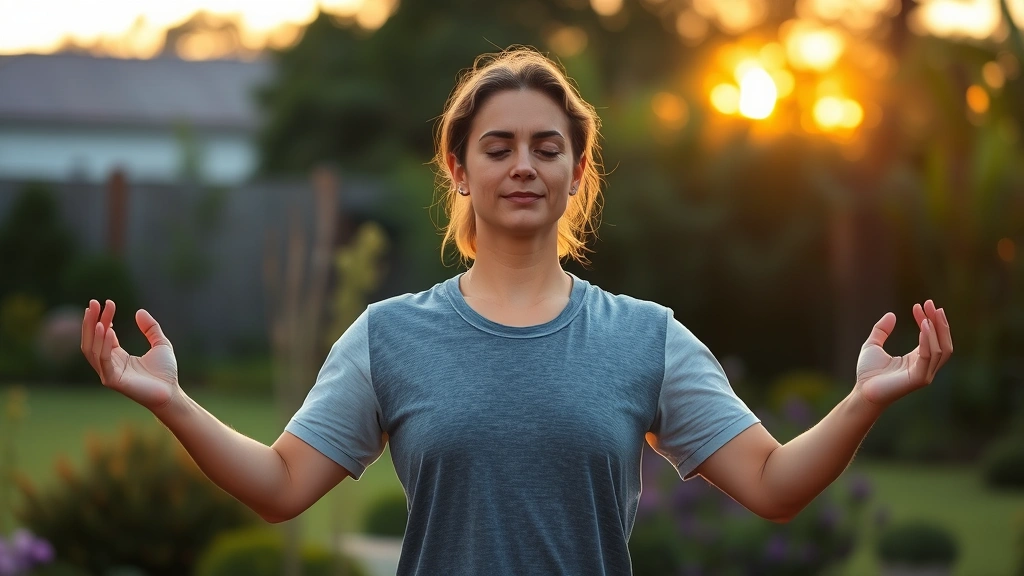
Benefits of Yoga for Mental Health: Expert Insights
Mental health challenges affect millions of people worldwide, with stress, anxiety, and depression becoming increasingly prevalent in modern society. While traditional therapeutic approaches remain essential, complementary practices like yoga have emerged as powerful tools for enhancing psychological well-being. Yoga combines physical postures, breathing techniques, and meditation to create a holistic approach to mental health that addresses both body and mind.
The integration of yoga into mental health treatment has gained substantial scientific support over the past two decades. Research demonstrates that regular yoga practice can significantly reduce symptoms of anxiety and depression while improving overall emotional resilience. Whether you’re exploring speech therapy near me or other wellness options, understanding how yoga complements professional mental health care is crucial for comprehensive treatment planning.
How Yoga Impacts the Nervous System
The human nervous system operates through two primary branches: the sympathetic nervous system, which activates the “fight or flight” response, and the parasympathetic nervous system, which promotes relaxation and recovery. Modern life often keeps the sympathetic nervous system in a state of chronic activation, leading to sustained stress and anxiety. Yoga specifically targets the parasympathetic nervous system through deliberate breathing patterns and gentle movement.
When you practice yoga, particularly styles emphasizing slower movements and extended breath work, you activate the vagus nerve—a critical component of parasympathetic regulation. This activation signals your body that it’s safe to relax, triggering a cascade of physiological changes including reduced heart rate, lower blood pressure, and decreased production of stress hormones. Research from the National Center for Biotechnology Information shows that yoga practitioners experience measurable improvements in heart rate variability, indicating enhanced nervous system balance.
The physical postures in yoga, known as asanas, combined with pranayama (breathing techniques), create a synergistic effect on nervous system regulation. Unlike high-intensity exercise that may temporarily elevate stress hormones, yoga’s gentle approach allows for sustainable nervous system rebalancing. This makes yoga particularly valuable for individuals with anxiety disorders or those recovering from trauma. If you’re considering comprehensive mental health support alongside physical wellness, exploring therapy cost options that include complementary practices ensures you find an integrated approach.
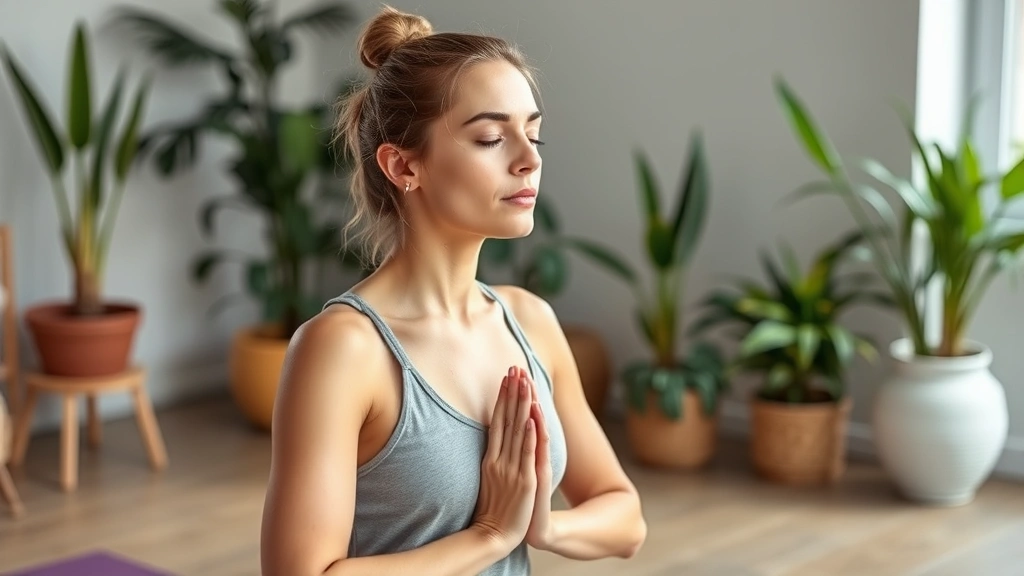
Anxiety Reduction Through Practice
Anxiety disorders affect approximately 19% of American adults annually, yet many people seek alternatives to medication or wish to complement pharmaceutical interventions with behavioral approaches. Yoga has demonstrated remarkable efficacy in reducing anxiety symptoms across multiple clinical studies. A comprehensive review published in Frontiers in Psychiatry found that yoga interventions consistently reduced anxiety scores in both clinical and non-clinical populations.
The mechanism behind yoga’s anxiety-reducing effects operates on multiple levels. First, the focused attention required during yoga practice interrupts the rumination patterns characteristic of anxiety disorders. When your mind concentrates on breath and body alignment, it cannot simultaneously engage in worry-based thinking. Second, yoga teaches interoceptive awareness—the ability to recognize and interpret internal bodily sensations—which helps individuals distinguish between normal bodily sensations and anxiety-triggered misinterpretations.
Specific yoga styles show particular promise for anxiety management. Restorative yoga, which emphasizes supported poses held for extended periods, activates the relaxation response more directly than vigorous styles. Yin yoga, involving longer-held passive stretches, allows the nervous system to gradually downregulate. Even brief yoga sessions—as little as 10-15 minutes daily—produce measurable anxiety reductions. This accessibility makes yoga an excellent complement to professional treatment, whether you’re working with a therapist or exploring physical therapy treatment for cerebral palsy or other specialized interventions.
Depression Management and Mood Enhancement
Depression represents one of the most significant mental health challenges globally, affecting over 280 million people worldwide according to the World Health Organization. While antidepressant medications help many individuals, approximately 30-40% of people don’t respond adequately to pharmaceutical treatment alone. This reality has prompted increased research into behavioral interventions, with yoga emerging as a scientifically-supported complementary approach.
The relationship between yoga and depression involves several interconnected biological pathways. Yoga practice increases GABA (gamma-aminobutyric acid), a neurotransmitter that promotes calmness and reduces neural excitability. Research from JAMA Psychiatry demonstrates that regular yoga practitioners show increased GABA levels comparable to individuals taking anti-anxiety medications. Additionally, yoga stimulates the production of brain-derived neurotrophic factor (BDNF), a protein crucial for neuroplasticity and mood regulation.
Depression often involves physical symptoms including fatigue, muscle tension, and postural changes that can perpetuate the condition. Yoga addresses these physical manifestations directly through movement and breath work, creating a bidirectional improvement where physical changes support psychological shifts. Forward folds and gentle backbends particularly benefit depression, as these poses directly influence the nervous system and spinal cord, areas associated with mood regulation. Individuals managing depression alongside other health conditions may benefit from integrated approaches—exploring occupational therapy jobs can reveal how holistic practitioners view mental health integration.
Stress Relief and Cortisol Reduction
Chronic stress represents a silent epidemic affecting physical and mental health simultaneously. Prolonged stress elevation leads to persistently elevated cortisol levels, which suppress immune function, impair cognitive performance, and increase inflammation throughout the body. The stress-reducing benefits of yoga operate through multiple mechanisms that collectively lower cortisol and restore healthy stress response patterns.
Cortisol follows a natural circadian rhythm, peaking in early morning and declining throughout the day. Chronic stress disrupts this pattern, causing elevated cortisol levels at inappropriate times. Studies measuring salivary cortisol in yoga practitioners show significant reductions following regular practice. One landmark study found that 12 weeks of yoga practice reduced cortisol levels by approximately 25%, comparable to pharmaceutical stress management interventions.
The breathing techniques central to yoga practice directly influence the autonomic nervous system, which controls cortisol secretion. Pranayama practices like alternate nostril breathing (nadi shodhana) and extended exhale breathing (where the exhale lasts longer than the inhale) specifically activate parasympathetic dominance. These techniques can be practiced anywhere, making stress management accessible throughout daily life. For individuals seeking comprehensive stress reduction strategies, exploring red light therapy near me alongside yoga creates a multi-modal approach to wellness.
Mindfulness and Emotional Awareness
Mindfulness—the capacity to observe present-moment experience without judgment—forms the philosophical and practical foundation of yoga. Unlike meditation practices that might involve focusing on a single object, yoga integrates mindfulness throughout movement, creating a full-body awareness practice. This embodied mindfulness develops emotional intelligence and self-awareness in ways that benefit mental health substantially.
Regular yoga practice strengthens connections between the prefrontal cortex (responsible for emotional regulation and executive function) and the limbic system (responsible for emotional processing). This neural integration allows practitioners to respond to emotions thoughtfully rather than react automatically. Over time, yoga practitioners develop greater capacity to observe anxious or depressive thoughts without becoming identified with them or acting on them destructively.
The mindfulness cultivated through yoga extends beyond the mat into daily life. Practitioners report enhanced ability to notice early warning signs of anxiety or depression, allowing for early intervention. This self-awareness proves invaluable when combined with professional mental health support. Whether you’re working with therapists offering therapy resources and information or exploring various treatment modalities, the emotional awareness developed through yoga enhances the effectiveness of all therapeutic approaches.
Sleep Quality Improvements
Sleep disturbances frequently accompany anxiety and depression, creating a vicious cycle where poor sleep worsens mood while mood disorders disrupt sleep. Yoga addresses this bidirectional relationship through multiple pathways. The parasympathetic activation induced by yoga practice signals the body that it’s safe to rest, facilitating sleep onset. Additionally, the physical activity component of yoga increases adenosine levels, a neurotransmitter that promotes sleepiness.
Specific yoga practices prove particularly beneficial for sleep enhancement. Restorative yoga sequences performed in the evening activate the relaxation response without overstimulating the nervous system. Yoga nidra, a guided meditation practice performed while lying down, creates a state of conscious relaxation that bridges waking and sleeping consciousness. Research demonstrates that even 15-20 minutes of evening yoga practice significantly improves sleep onset latency and sleep quality.
The breathing practices integrated into yoga also support sleep. Extended exhale breathing activates the parasympathetic nervous system specifically, signaling sleep readiness. Many individuals find that practicing pranayama before bed creates a consistent sleep ritual that conditions the body for rest. This sleep improvement creates a positive feedback loop where better sleep enhances mood and anxiety management, amplifying yoga’s overall mental health benefits.
Yoga as Complementary Therapy
While yoga offers significant mental health benefits, it functions most effectively as part of a comprehensive treatment approach rather than as a replacement for professional mental health care. Individuals with clinical anxiety disorders, depression, PTSD, or other serious mental health conditions should maintain professional oversight while incorporating yoga practice. The combination of evidence-based psychotherapy or psychiatric medication with consistent yoga practice creates synergistic benefits exceeding what either approach provides alone.
Mental health professionals increasingly recognize yoga’s value and recommend it to clients as a complementary intervention. Some therapists specialize in yoga-informed therapy, integrating movement and breath work directly into sessions. Physical therapy providers, particularly those offering physical therapy treatment for conditions involving neurological or physical components, frequently recommend yoga for its whole-person benefits.
For individuals in Las Vegas or other locations seeking integrated mental health support, finding providers who understand both conventional mental health treatment and complementary practices ensures comprehensive care. Resources discussing speech therapy near me often include information about holistic practitioners who integrate multiple modalities. This integrated approach recognizes that mental health emerges from complex interactions between neurobiology, psychology, physical health, and lifestyle factors.
The evidence supporting yoga for mental health continues expanding as researchers investigate specific mechanisms and optimal practice parameters. Studies examining dose-response relationships suggest that consistent practice—ideally 3-5 times weekly—produces superior results compared to sporadic practice. Different yoga styles serve different purposes, so exploring various approaches helps identify which resonates most strongly with your individual needs and preferences.
FAQ
How often should I practice yoga for mental health benefits?
Research suggests that 3-5 sessions weekly of 30-60 minutes each produces optimal mental health benefits. However, even 15-20 minutes daily yields significant improvements in anxiety and stress. Consistency matters more than duration, so establishing a sustainable practice you’ll maintain proves more valuable than occasional intensive sessions.
Can yoga replace psychiatric medication?
Yoga functions as an excellent complementary practice but should not replace prescribed psychiatric medication without professional guidance. Individuals taking medications should continue them while incorporating yoga, potentially allowing medication adjustments under professional supervision as mental health improves. Always consult your prescribing physician before modifying medications.
Which yoga style works best for anxiety?
Slower, more gentle styles like restorative yoga, yin yoga, and iyengar yoga typically benefit anxiety more than vigorous styles like power yoga. However, individual responses vary—some people find that more active practices like vinyasa yoga help manage anxiety through physical exertion. Experimenting with different styles identifies your optimal approach.
Do I need experience to start yoga for mental health?
Absolutely not. Yoga welcomes beginners, and many classes specifically cater to those new to practice. Starting with beginner classes or one-on-one instruction ensures proper alignment and safety. Instructors can modify poses for any physical limitations, making yoga accessible regardless of fitness level or prior experience.
How long before I notice mental health improvements?
Many practitioners notice improvements in stress and anxiety within 2-4 weeks of consistent practice. More substantial changes in mood, sleep, and emotional resilience typically emerge after 8-12 weeks. However, some benefits appear immediately after individual sessions, particularly the calming effects of pranayama and restorative poses.
Can yoga help with trauma-related anxiety?
Yoga can benefit trauma recovery, but specialized trauma-sensitive yoga training is important. Standard yoga classes may trigger trauma responses through certain poses or verbal cues. Working with trauma-informed yoga instructors or therapists trained in trauma-sensitive yoga ensures safety while accessing yoga’s healing benefits for PTSD and trauma-related conditions.