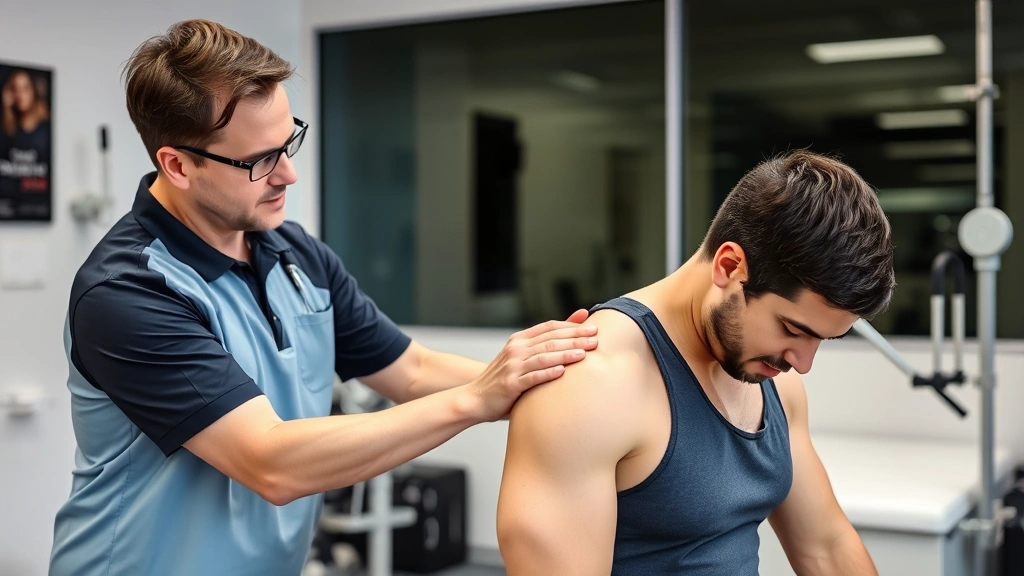
Shoulder Pain Relief: Physical Therapy’s Role in Recovery and Prevention
Shoulder pain affects millions of people worldwide, limiting daily activities and reducing quality of life. Whether caused by injury, repetitive strain, or degenerative conditions, shoulder discomfort can range from mild stiffness to debilitating pain that prevents basic movements. Physical therapy for shoulder pain has emerged as one of the most effective, evidence-based approaches to address these issues without relying solely on medication or surgery.
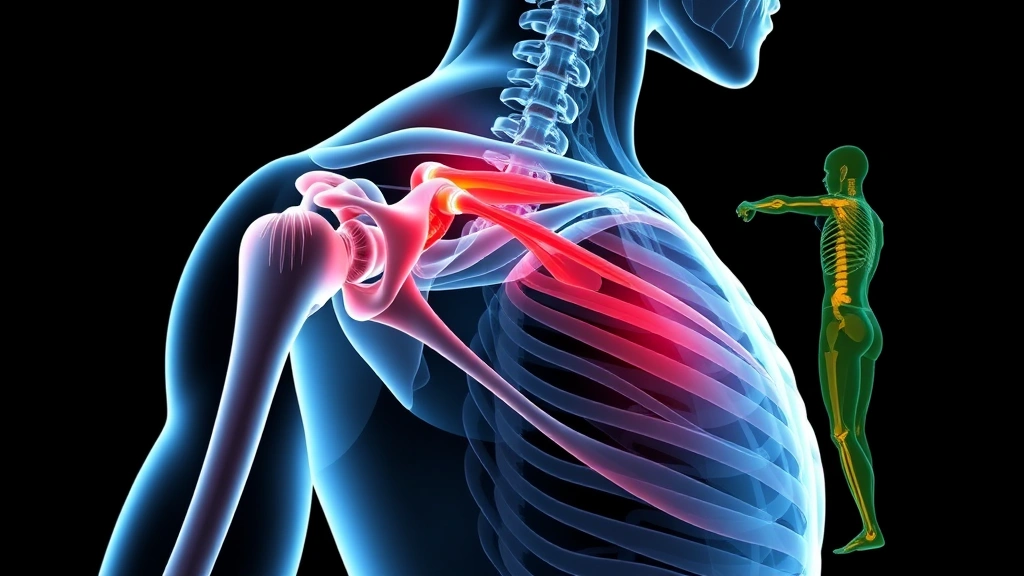
The shoulder is the most mobile joint in the human body, composed of complex structures including bones, muscles, tendons, and ligaments working in precise coordination. This remarkable mobility comes at a cost: the shoulder is also highly vulnerable to injury and dysfunction. Physical therapists are specially trained to assess shoulder mechanics, identify underlying causes of pain, and develop personalized treatment plans that restore function and prevent future problems.
This comprehensive guide explores how physical therapy addresses shoulder pain, the conditions it treats, evidence-based techniques, and what to expect during your recovery journey.
Understanding Shoulder Pain and Its Causes
Shoulder pain originates from various sources, each requiring specific assessment and treatment approaches. The most common culprits include rotator cuff injuries, shoulder impingement, frozen shoulder, osteoarthritis, and muscle strain from overuse or poor posture. Understanding the root cause is essential for effective treatment, which is why physical therapists begin with comprehensive evaluations.
The rotator cuff—a group of four muscles and their tendons that stabilize the shoulder joint—is frequently involved in shoulder pain complaints. Tears, tendinitis, or inflammation of these structures can result from acute trauma or gradual degeneration. Shoulder impingement occurs when tendons or bursa become compressed between bones, creating pain during specific movements. Frozen shoulder, or adhesive capsulitis, involves progressive stiffness and loss of motion due to inflammation and scar tissue formation.
Beyond structural issues, postural dysfunction plays a significant role in shoulder pain development. Poor posture from desk work, smartphone use, or repetitive activities alters shoulder mechanics, creating muscle imbalances and excessive stress on joints. Physical therapists address these biomechanical factors, which many other treatment approaches overlook.
How Physical Therapy Treats Shoulder Pain
Physical therapy employs a multifaceted approach to shoulder pain management, combining assessment, manual therapy, therapeutic exercise, and patient education. Unlike temporary pain relief methods, physical therapy targets underlying causes to produce lasting improvements and prevent recurrence.
The initial evaluation involves detailed history-taking, range of motion testing, strength assessment, and special tests to identify specific pathology. Physical therapists examine movement patterns, posture, and muscle activation to understand how pain developed. This thorough assessment guides treatment planning and helps establish realistic recovery goals.
Treatment typically progresses through phases: acute pain management, restoration of mobility, strengthening, and functional training. Early phases focus on reducing inflammation and pain while protecting injured structures. As healing progresses, therapists gradually increase demands, rebuilding strength and stability. Final phases emphasize returning to sports, work, or recreational activities with confidence and proper mechanics.
Research supports physical therapy’s effectiveness for shoulder pain. Studies published in peer-reviewed journals demonstrate that structured physical therapy produces outcomes comparable to surgery for many conditions while avoiding surgical risks and recovery time. A recent Cochrane review confirmed that exercise-based interventions significantly reduce shoulder pain and improve function in rotator cuff disease.
Common Shoulder Conditions and Treatment Approaches
Rotator Cuff Tendinitis and Tears
Rotator cuff injuries range from inflammation to partial or complete tears. Physical therapy for rotator cuff issues emphasizes eccentric strengthening exercises that build tendon resilience, scapular stabilization to improve shoulder mechanics, and progressive loading protocols. Most partial tears and tendinitis cases respond excellently to conservative treatment, with studies showing 80-90% success rates without surgery.
Therapists teach proper movement patterns to avoid positions that stress the rotator cuff, gradually reintroducing activities as healing progresses. Manual therapy techniques address muscle tightness in the chest and shoulder region that often restricts movement and contributes to pain.
Shoulder Impingement Syndrome
Impingement occurs when the subacromial space narrows, compressing the rotator cuff tendons. Physical therapy addresses impingement through scapular positioning exercises, thoracic spine mobility work, and pectoral muscle stretching. By improving scapular mechanics and opening the subacromial space, therapists reduce compression and allow tendons to heal without irritation.
Frozen Shoulder (Adhesive Capsulitis)
Frozen shoulder involves severe stiffness and limited motion. Physical therapy combines gentle mobilization techniques with progressive stretching and movement exercises. Therapists use manual therapy to gradually restore joint mobility while avoiding aggressive interventions that can worsen inflammation. Consistent exercise performance is crucial for frozen shoulder recovery, requiring patient commitment over several months.
Osteoarthritis and Degenerative Changes
While degenerative changes cannot be reversed, physical therapy effectively manages arthritis-related shoulder pain. Therapists focus on maintaining available motion, strengthening supporting muscles, and teaching activity modifications. Many patients achieve significant pain reduction and functional improvement through proper exercise and movement strategies.
If you’re interested in how physical therapy addresses other joint pain, explore our article on physical therapy for plantar fasciitis, which applies similar evidence-based principles to lower body conditions.
Key Physical Therapy Techniques and Exercises
Manual Therapy and Soft Tissue Mobilization
Physical therapists use hands-on techniques including massage, myofascial release, and joint mobilization to reduce pain, improve circulation, and restore normal tissue mechanics. These techniques break up scar tissue, release muscle tension, and prepare tissues for exercise. Research from the Journal of Orthopaedic & Sports Physical Therapy demonstrates that manual therapy combined with exercise produces superior outcomes compared to exercise alone for many shoulder conditions.
Scapular Stabilization Exercises
The scapula (shoulder blade) serves as the foundation for arm movement. Poor scapular control causes compensatory stress on the rotator cuff and glenohumeral joint. Physical therapists prescribe specific exercises targeting the serratus anterior, lower trapezius, and rhomboid muscles to improve scapular positioning and control during arm movements.
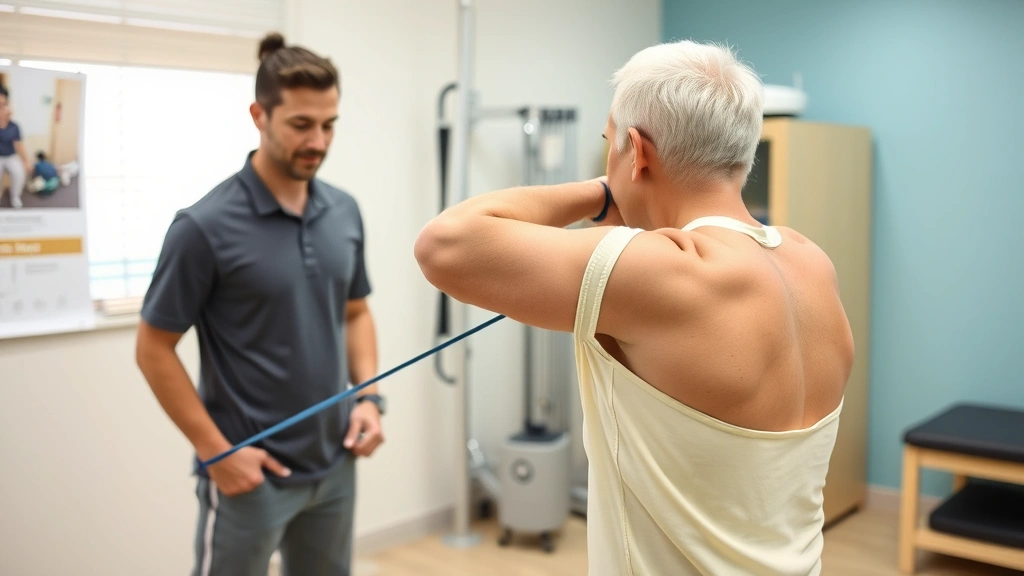
Effective exercises include prone Y-T-W holds, scapular push-ups, and resistance band work that emphasizes scapular retraction and depression. These exercises are foundational to shoulder recovery and prevention.
Rotator Cuff Strengthening
Progressive rotator cuff strengthening rebuilds stability and protects the shoulder joint. Therapists begin with isometric exercises, advance to resistance band work, and progress to weighted exercises as strength improves. External rotation exercises particularly strengthen the infraspinatus and teres minor muscles critical for shoulder stability.
Range of Motion Restoration
Regaining full, pain-free shoulder motion is a primary therapy goal. Physical therapists use progressive stretching, contract-relax techniques, and active-assisted exercises to gradually restore motion. Overhead movements, cross-body stretches, and internal/external rotation stretches address specific motion limitations.
Postural Correction and Ergonomic Training
Many shoulder problems stem from poor posture and movement habits. Physical therapists educate patients about proper positioning, desk ergonomics, smartphone use, and movement patterns that protect the shoulder. Breaking habitual compensation patterns prevents pain recurrence after formal therapy concludes.
The Recovery Timeline and Progress
Shoulder pain recovery timelines vary depending on condition severity, chronicity, and patient adherence. Acute muscle strains may improve within 2-4 weeks, while rotator cuff tears or frozen shoulder may require 3-6 months or longer for complete recovery.
Most patients experience noticeable improvement within the first 2-3 weeks of consistent therapy, which builds motivation and confidence. However, significant functional gains typically require 6-12 weeks of dedicated effort. Patience and consistency are essential, as premature return to demanding activities frequently causes setbacks.
Physical therapists monitor progress through repeated assessments, tracking range of motion, strength, and functional abilities. Treatment plans are adjusted based on progress, ensuring appropriate challenge levels that promote continued improvement without causing harm.
Recovery isn’t linear—temporary setbacks are normal and don’t indicate treatment failure. Understanding this reality helps patients maintain perspective and commitment during challenging phases.
Preventing Future Shoulder Pain
Once shoulder pain resolves, preventing recurrence is crucial. Physical therapists teach patients maintenance exercise routines targeting scapular stability, rotator cuff strength, and mobility. Regular performance of these exercises—even 2-3 times weekly—significantly reduces reinjury risk.
Postural awareness and ergonomic modifications prevent compensatory patterns that lead to pain. For desk workers, proper monitor height, keyboard positioning, and regular movement breaks are essential. Athletes benefit from sport-specific conditioning and technique refinement.
Maintaining overall fitness, particularly upper back and core strength, supports shoulder health. Activities like swimming, yoga, and resistance training, when performed with proper mechanics, strengthen supporting structures and improve resilience.
For those interested in complementary approaches, red light therapy near me may provide additional pain management benefits alongside physical therapy, though exercise remains the primary intervention.
When to Seek Professional Help
Shoulder pain lasting more than a few days warrants professional evaluation. Physical therapists can assess whether conditions require imaging or medical referral. Immediate medical attention is necessary for severe pain, significant weakness, numbness, or shoulder dislocation.
Insurance coverage for physical therapy varies, so exploring how much therapy costs helps with planning. Many insurance plans cover physical therapy with physician referral, making it an accessible treatment option.
Finding qualified physical therapists involves seeking licensed professionals with orthopedic specialization or sports medicine credentials. The American Physical Therapy Association provides directories of licensed practitioners in your area.
For comprehensive therapy resources and additional information, explore the MindLift Daily Blog, which offers extensive articles on various therapy approaches and health conditions. Additionally, those exploring career opportunities in the therapy field may be interested in occupational therapy jobs and related positions.
Frequently Asked Questions
How long does physical therapy for shoulder pain typically take?
Recovery duration varies based on condition severity and individual factors. Acute strains may resolve in 4-6 weeks, while rotator cuff injuries or frozen shoulder often require 3-6 months of consistent therapy. Most patients require 2-3 sessions weekly for 4-12 weeks to achieve significant improvement.
Can physical therapy help without surgery?
Yes, physical therapy successfully treats most shoulder conditions without surgery. Research demonstrates that 80-90% of rotator cuff tendinitis cases and many partial tears resolve with conservative physical therapy. Surgery is typically reserved for cases failing conservative treatment or complete tears with functional demands.
What exercises can I do at home?
Physical therapists prescribe home exercise programs tailored to your specific condition. Common exercises include scapular stabilization work, rotator cuff strengthening with resistance bands, and stretching routines. Consistency with prescribed exercises is crucial for recovery success.
Is shoulder pain from poor posture reversible?
Yes, postural-related shoulder pain responds well to physical therapy. Addressing muscle imbalances, restoring proper scapular mechanics, and establishing healthy movement patterns effectively eliminate postural pain. However, maintaining corrections requires ongoing postural awareness and exercise.
When should I see a doctor instead of a physical therapist?
Seek medical evaluation for severe pain, significant weakness, numbness, or suspected dislocation. Physical therapists often work collaboratively with physicians, and your therapist will recommend medical referral if needed. Many insurance plans require physician referral for physical therapy anyway.
Can I continue exercising with shoulder pain?
Modified exercise is often beneficial, but intensity and type must be appropriate for your condition. Physical therapists help determine which movements are safe and which should be avoided. Continuing appropriate activity promotes healing and prevents deconditioning, while avoiding problematic movements allows injured tissues to recover.