
How Does Mindfulness Improve Mental Health? Experts Weigh In
Mindfulness has emerged as one of the most researched and evidence-based practices for improving mental health in recent decades. Mental health professionals, neuroscientists, and wellness experts increasingly recognize mindfulness as a powerful tool for reducing anxiety, depression, and stress while enhancing overall psychological well-being. But what exactly is mindfulness, and how does it create such profound changes in our brains and bodies?
This comprehensive guide explores the science behind mindfulness, its proven benefits for mental health, and practical approaches you can implement today. Whether you’re struggling with anxiety, seeking stress relief, or simply wanting to improve your emotional resilience, understanding how mindfulness works can transform your approach to mental wellness.
Understanding Mindfulness and Its Core Principles
Mindfulness is the practice of maintaining present-moment awareness with a non-judgmental attitude. Rather than dwelling on past regrets or worrying about future uncertainties, mindfulness anchors your attention to what is happening right now. This simple yet profound shift in perspective has roots in Buddhist meditation practices dating back over 2,500 years, but modern secular mindfulness has been scientifically validated and integrated into mainstream healthcare.
The core principles of mindfulness include present-moment awareness, acceptance, non-judgment, and compassion. When you practice mindfulness, you observe your thoughts, feelings, and bodily sensations without trying to change them or attach stories to them. This creates psychological distance between you and your experiences, allowing you to respond thoughtfully rather than react impulsively.
Research from the American Psychological Association demonstrates that mindfulness-based interventions have measurable effects on mental health outcomes. The practice has become so established that many healthcare providers now recommend mindfulness as part of comprehensive treatment plans alongside traditional therapy resources and information.

The Neuroscience of Mindfulness: What Happens in Your Brain
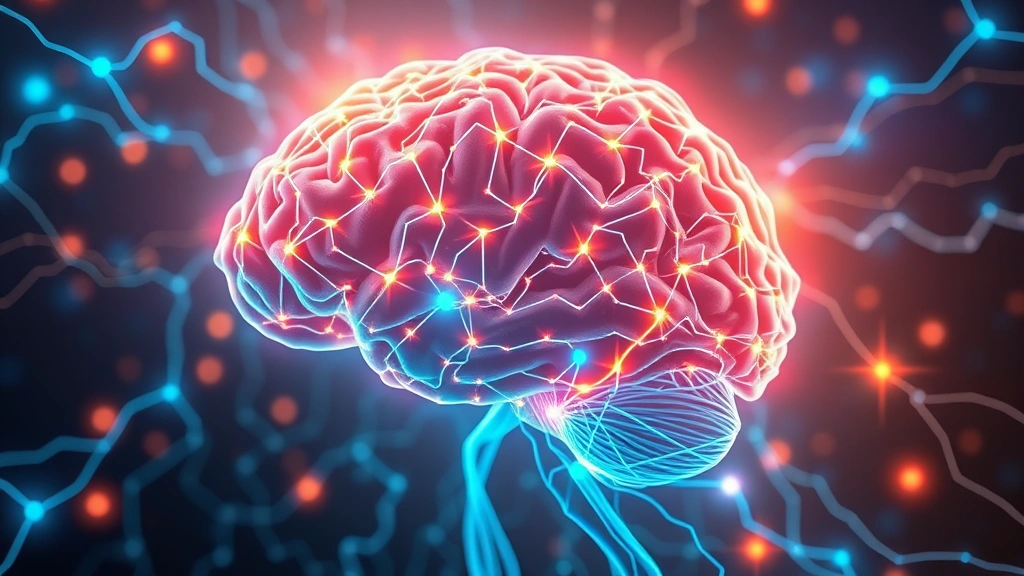
One of the most exciting developments in mindfulness research involves brain imaging studies that show exactly how meditation changes neural structures and function. When you practice mindfulness regularly, measurable changes occur in multiple brain regions associated with attention, emotion regulation, and self-awareness.
Gray Matter Changes: Studies using magnetic resonance imaging (MRI) have found that regular mindfulness practitioners show increased gray matter density in the prefrontal cortex, the brain region responsible for decision-making, emotional regulation, and impulse control. This is particularly significant because it means mindfulness literally strengthens the parts of your brain that help you manage stress and emotions effectively.
Research from MIT neuroscientists revealed that mindfulness activates the brain’s anterior cingulate cortex, which helps regulate attention and emotional processing. This activation allows practitioners to better control their responses to stressful stimuli.
Amygdala Reduction: The amygdala, your brain’s threat-detection center, actually shrinks with consistent mindfulness practice. A smaller, less reactive amygdala means you’re less likely to experience excessive fear or anxiety responses to everyday stressors. This neuroplastic change demonstrates that your brain can be retrained through mindfulness to respond more calmly to challenges.
Default Mode Network: The default mode network (DMN) is the brain system that activates when you’re not focused on external tasks—essentially when your mind wanders. Overactivity in the DMN is associated with anxiety, depression, and rumination. Mindfulness practice reduces DMN activity, quieting the constant internal chatter that often fuels mental health struggles.
Mindfulness and Anxiety Reduction
Anxiety disorders affect millions of people worldwide, and while traditional treatments like cognitive behavioral therapy and medication are effective, mindfulness offers a complementary and sometimes primary approach. The mechanism by which mindfulness reduces anxiety is multifaceted and well-documented by researchers.
When you experience anxiety, your mind typically fixates on perceived threats and catastrophic outcomes. Mindfulness interrupts this pattern by training your attention to remain in the present moment, where most threats exist only as thoughts rather than actual dangers. This shift alone can dramatically reduce anxiety symptoms.
Exposure Without Avoidance: Mindfulness teaches you to observe anxious thoughts and sensations without attempting to suppress or avoid them. Paradoxically, this acceptance actually reduces anxiety more effectively than avoidance strategies. When you stop fighting your anxiety, it loses much of its power over you.
Physiological Calming: Regular mindfulness practice activates your parasympathetic nervous system—your body’s relaxation response. This counteracts the sympathetic activation (fight-or-flight response) that characterizes anxiety. Over time, your nervous system becomes more resilient and recovers faster from stress.
Many individuals find that combining mindfulness with professional speech therapy and wellness services creates a comprehensive approach to managing anxiety symptoms. The cognitive and somatic benefits of mindfulness complement various therapeutic modalities.
Depression Management Through Mindful Awareness
Depression often involves rumination—repetitive, negative thinking patterns that maintain depressive states. Mindfulness-Based Cognitive Therapy (MBCT), developed specifically to prevent depressive relapse, combines mindfulness with cognitive therapy principles to break these destructive cycles.
Breaking the Rumination Cycle: Depression thrives on rumination about past failures and regrets. Mindfulness trains you to notice when your mind has drifted into rumination and gently redirect your attention to the present moment. This simple act of noticing and redirecting, repeated consistently, gradually weakens the habitual rumination patterns that fuel depression.
Increasing Behavioral Activation: Depression often leads to withdrawal and inactivity, which paradoxically worsens mood. Mindfulness increases awareness of your current experience, allowing you to notice opportunities for meaningful engagement and activity that might otherwise go unnoticed when your attention is consumed by depressive thoughts.
Self-Compassion Development: Depressed individuals often engage in harsh self-criticism. Mindfulness, particularly loving-kindness meditation practices, cultivates self-compassion—the ability to treat yourself with the same kindness you’d offer a good friend. This shift from self-judgment to self-compassion is fundamental to depression recovery.
Research published in the Journal of Consulting and Clinical Psychology demonstrates that MBCT is as effective as antidepressant medication in preventing depressive relapse in individuals with recurrent depression.
Stress Relief and the Nervous System
Your nervous system has two primary operating modes: the sympathetic nervous system (activation, stress response) and the parasympathetic nervous system (relaxation, recovery). Chronic stress keeps your nervous system stuck in sympathetic dominance, leading to exhaustion, weakened immunity, and poor mental health outcomes.
Activating the Parasympathetic Response: Mindfulness, particularly through focused breathing and body-based awareness, directly activates your parasympathetic nervous system. This triggers the relaxation response, lowering heart rate, blood pressure, and cortisol levels. With regular practice, your nervous system becomes more responsive to parasympathetic activation, making stress relief more accessible.
Increasing Vagal Tone: The vagus nerve is the primary pathway of the parasympathetic nervous system. Mindfulness practices, especially those involving slow, conscious breathing, increase vagal tone—essentially strengthening your body’s natural stress-relief system. Higher vagal tone is associated with better emotional regulation, improved social connection, and greater resilience.
For individuals managing stress alongside physical rehabilitation needs, combining mindfulness with physical therapy treatment approaches can provide holistic stress management and recovery support.
Building Emotional Resilience
Emotional resilience—the capacity to bounce back from adversity and navigate life’s challenges—is perhaps one of the most valuable outcomes of consistent mindfulness practice. Resilient individuals don’t avoid difficulties; rather, they meet challenges with equanimity and adaptive responses.
Developing Metacognitive Awareness: Mindfulness cultivates metacognition—the ability to observe your own thoughts and emotions as mental events rather than facts or commands. This perspective shift is transformative. Instead of believing “I’m a failure” when something goes wrong, you can observe the thought “I’m having the thought that I’m a failure.” This subtle distinction creates psychological freedom.
Expanding the Window of Tolerance: Trauma and chronic stress narrow your “window of tolerance”—the range of arousal states in which you can function optimally. Mindfulness gradually expands this window, allowing you to remain calm and responsive even when facing significant stressors. You develop the capacity to experience difficult emotions without becoming dysregulated.
Cultivating Adaptive Coping: Rather than relying on avoidant coping strategies (numbing, distraction, substance use), mindfulness teaches adaptive coping through acceptance, present-moment awareness, and skillful action. This fundamentally changes how you relate to life’s inevitable difficulties.
Integrating Mindfulness with Traditional Therapy
While mindfulness is powerful on its own, integrating it with traditional therapeutic approaches often produces the most comprehensive results. Many mental health professionals now incorporate mindfulness into evidence-based treatments like cognitive behavioral therapy, dialectical behavior therapy, and acceptance and commitment therapy.
Complementary Approaches: Mindfulness complements talk therapy by providing experiential, body-based tools that address mental health challenges from multiple angles. Where talk therapy helps you understand your patterns intellectually, mindfulness helps you experience and transform them directly. Professionals in occupational therapy and therapeutic careers increasingly recognize mindfulness as essential to comprehensive care.
Professional Guidance: While self-directed mindfulness practice is beneficial, working with a trained mindfulness instructor or therapist can accelerate progress, especially if you’re managing significant mental health challenges. Professionals can tailor practices to your specific needs and ensure you’re developing a sustainable practice.
Combining Modalities: The most effective mental health treatment plans often combine mindfulness practice, professional therapy, lifestyle modifications, and when appropriate, medication. Couples therapy and relationship counseling also increasingly incorporates mindfulness to improve communication and emotional intimacy.
Many therapeutic approaches now recognize that sustainable mental health improvement requires addressing multiple levels—cognitive patterns, emotional responses, bodily sensations, and relational dynamics. Mindfulness uniquely impacts all these levels simultaneously.
FAQ
How long does it take to experience mindfulness benefits?
Some people notice reduced stress and improved mood within days of starting a mindfulness practice. However, significant neurological changes typically emerge after 8 weeks of consistent practice (20-30 minutes daily). The brain continues adapting and strengthening with ongoing practice over months and years.
Can mindfulness replace medication for mental health conditions?
Mindfulness can be highly effective for many people, but it shouldn’t automatically replace prescribed medication without professional guidance. Some individuals benefit from mindfulness alone, while others need medication, therapy, mindfulness, or a combination. Always consult your healthcare provider before making changes to medication.
What’s the best type of mindfulness practice for mental health?
Different practices work for different people. Common approaches include breath awareness meditation, body scan meditation, loving-kindness meditation, and mindful movement (yoga, tai chi). Experiment with various practices to find what resonates with you. Consistency matters more than the specific technique.
Is mindfulness religious or spiritual?
While mindfulness has roots in Buddhist traditions, modern secular mindfulness is entirely non-religious and compatible with all belief systems. You can practice mindfulness regardless of your religious or spiritual background—it’s simply a method for training attention and awareness.
Can I practice mindfulness if I have severe mental illness?
Mindfulness can be beneficial for serious mental health conditions, but it should be practiced under professional guidance. Some individuals with certain conditions like severe dissociation or active psychosis may need modified approaches. Work with a mental health professional to determine appropriate mindfulness practices for your situation.
How do I maintain consistency with mindfulness practice?
Start small—even 5-10 minutes daily is more beneficial than sporadic longer sessions. Choose a consistent time and place. Use apps or online resources for guidance. Consider joining a mindfulness group or class for accountability and community support. Remember that consistency matters far more than duration.