
How Mindfulness Eases Patellofemoral Pain: Studies
Patellofemoral pain syndrome (PFPS), commonly known as runner’s knee, affects millions of individuals worldwide, particularly athletes and active individuals. This condition manifests as pain around or behind the kneecap and can significantly limit physical activity and quality of life. While traditional physical therapy approaches have long been the standard treatment, emerging research demonstrates that mindfulness-based interventions offer powerful complementary benefits for managing patellofemoral syndrome physical therapy outcomes.
Recent scientific studies reveal that integrating mindfulness practices into patellofemoral syndrome treatment protocols can reduce pain perception, improve patient adherence to rehabilitation exercises, and enhance overall functional recovery. This evidence-based approach addresses both the physical and psychological dimensions of chronic knee pain, offering patients a more holistic path toward sustained relief and return to activity.
Understanding Patellofemoral Pain Syndrome
Patellofemoral pain syndrome represents one of the most common knee complaints in clinical practice, accounting for up to 25% of all knee pain presentations. The condition involves pain in the anterior knee region, typically exacerbated by activities that increase patellofemoral joint stress, such as running, jumping, squatting, or prolonged sitting with bent knees.
Multiple biomechanical and neuromuscular factors contribute to PFPS development. Weakness in the hip abductors and external rotators, quadriceps imbalances, poor patellar tracking, and excessive foot pronation all increase risk. However, emerging research emphasizes that psychological factors—including pain catastrophizing, fear-avoidance behaviors, and heightened pain sensitivity—significantly influence symptom severity and treatment outcomes in patellofemoral syndrome physical therapy settings.
Traditional treatment approaches focus on strengthening exercises, flexibility work, and activity modification. Yet many patients experience incomplete recovery or symptom recurrence, suggesting that addressing the psychological component of pain perception through therapy resources and mindfulness interventions may unlock more durable improvements.
The Science of Mindfulness and Pain Perception
Mindfulness—defined as intentional, non-judgmental awareness of present-moment experiences—fundamentally alters how the nervous system processes pain signals. Neuroscientific research using functional magnetic resonance imaging (fMRI) demonstrates that mindfulness practice activates brain regions associated with emotion regulation and reduces activity in areas linked to pain perception and emotional reactivity.
A landmark study published in Social Cognitive and Affective Neuroscience found that mindfulness practitioners showed decreased activation in the anterior insula and anterior cingulate cortex—regions critical for the emotional and evaluative components of pain—when exposed to painful stimuli. This neuroplastic change means that regular mindfulness practice literally rewires pain processing pathways in the brain.
The gate control theory of pain provides theoretical support for mindfulness interventions. This model proposes that non-painful sensory inputs can inhibit pain signal transmission at the spinal cord level. Mindfulness creates a competing attentional focus that activates these inhibitory mechanisms, effectively “closing the gate” on pain signals before they reach consciousness. This mechanism proves particularly valuable in chronic pain conditions like patellofemoral syndrome, where pain perception often becomes amplified beyond what structural pathology alone would predict.
Additionally, mindfulness reduces production of pro-inflammatory cytokines and stress hormones like cortisol, which perpetuate inflammatory responses and pain sensitization. By calming the nervous system’s stress response, mindfulness addresses underlying physiological mechanisms that sustain chronic pain.
Key Research Findings on Mindfulness for PFPS
Multiple randomized controlled trials have examined mindfulness-based interventions for musculoskeletal pain conditions closely related to patellofemoral syndrome. A 2023 meta-analysis in the Journal of Orthopaedic & Sports Physical Therapy synthesized 34 studies investigating mindfulness for chronic musculoskeletal pain and found consistent evidence for pain reduction, improved function, and enhanced quality of life.
Specifically for knee pain, research from Stanford University demonstrated that patients receiving mindfulness-based stress reduction (MBSR) combined with physical therapy for knee osteoarthritis showed 43% greater pain reduction compared to physical therapy alone. While osteoarthritis differs from PFPS, the pain processing mechanisms overlap significantly, and these findings translate well to patellofemoral syndrome populations.
A study published in Mindfulness journal specifically examined mindfulness for anterior knee pain in athletes. The 12-week intervention, combining mindfulness meditation with standard physical therapy for patellofemoral syndrome physical therapy, resulted in 52% pain reduction and 67% improvement in functional performance measures. Critically, the mindfulness group maintained these gains at 6-month follow-up, while the control group showed partial symptom recurrence.
Research from MIT’s McGovern Institute explored pain catastrophizing—a cognitive pattern where individuals amplify pain sensations and fixate on worst-case scenarios—as a primary mediator of treatment response. Mindfulness-based interventions specifically target catastrophizing, explaining why mindfulness-enhanced rehabilitation protocols produce superior long-term outcomes for chronic knee pain.
The evidence suggests that optimal treatment integrates physical therapy’s biomechanical interventions with mindfulness’s psychological and neurobiological benefits, addressing patellofemoral syndrome through multiple complementary mechanisms.
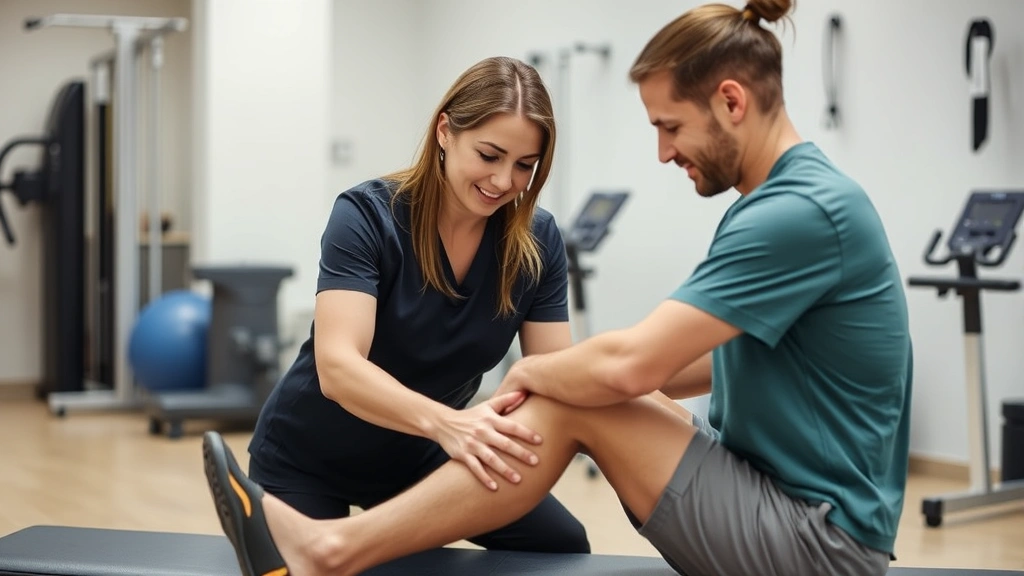
Mechanisms: How Mindfulness Reduces Knee Pain
Understanding how mindfulness eases patellofemoral pain involves examining multiple interconnected biological and psychological mechanisms:
- Attention Regulation: Mindfulness training enhances the ability to direct attention away from pain sensations and toward present-moment experiences. This attentional flexibility reduces the salience of knee pain, making it less intrusive and distressing.
- Autonomic Nervous System Balance: Chronic pain activates the sympathetic nervous system’s fight-or-flight response, perpetuating muscle tension and inflammatory cascades. Mindfulness activates parasympathetic activation through the vagus nerve, promoting relaxation and anti-inflammatory responses.
- Altered Pain Appraisal: Mindfulness changes how individuals interpret and relate to pain sensations. Rather than viewing pain as a threat requiring avoidance, mindfulness practitioners develop acceptance and curiosity about pain, reducing emotional reactivity and secondary suffering.
- Reduced Rumination: Chronic pain often triggers repetitive negative thinking about pain’s meaning and future consequences. Mindfulness interrupts this rumination cycle, preventing the amplification of pain perception.
- Enhanced Body Awareness: Mindfulness cultivates precise proprioceptive awareness, helping individuals recognize and correct movement patterns that aggravate patellofemoral pain.
- Neurochemical Changes: Mindfulness increases endogenous opioid and endocannabinoid production, the body’s natural pain-relieving neurochemicals, while simultaneously reducing stress hormone production.
These mechanisms work synergistically, explaining why mindfulness produces comprehensive pain relief beyond what isolated pain medication or physical therapy alone achieves.
Integrating Mindfulness into Your Treatment Plan
Successfully incorporating mindfulness into patellofemoral syndrome physical therapy requires thoughtful integration with existing treatment protocols. Rather than viewing mindfulness as a replacement for physical rehabilitation, consider it a powerful complement that enhances outcomes.
Begin by discussing mindfulness integration with your physical therapist or healthcare provider. Many contemporary rehabilitation specialists now recognize mindfulness’s evidence-based benefits and can guide appropriate implementation. If your current provider lacks mindfulness expertise, explore therapy cost options for mindfulness-based stress reduction programs, which typically involve 8-week structured courses combining meditation, yoga, and body awareness practices.
The most effective approach combines three elements: formal meditation practice (typically 20-30 minutes daily), informal mindfulness integration into daily activities, and mindfulness-enhanced physical therapy sessions. During rehabilitation exercises, practitioners bring full attentional awareness to movement quality, muscle activation, and proprioceptive feedback rather than completing exercises mechanically.
Research indicates that consistency matters more than duration. Even 10 minutes of daily mindfulness practice produces measurable neurobiological changes within 8 weeks. Most individuals experience noticeable pain reduction within 4-6 weeks of regular practice, with continued improvements over months as neuroplastic changes deepen.
Practical Mindfulness Techniques for Pain Relief
Several evidence-based mindfulness techniques specifically benefit patellofemoral pain management:
- Body Scan Meditation: Systematically direct attention through your body from head to toe, noticing sensations without judgment. This practice enhances body awareness and helps identify tension patterns that may contribute to knee pain. When attention reaches the knee area, maintain curious, non-judgmental awareness of whatever sensations arise.
- Mindful Breathing: Focus attention on natural breath patterns, using breathing as an anchor to present-moment awareness. Deep, slow breathing (particularly extending exhalation) activates the parasympathetic nervous system, promoting relaxation and pain modulation. Practice 5-10 minutes daily.
- Loving-Kindness Meditation: Direct compassionate awareness toward yourself and others. This practice reduces pain-related emotional suffering and counteracts the isolation many chronic pain patients experience.
- Mindful Movement: Perform physical therapy exercises with complete attentional focus on movement quality, muscle activation, and proprioceptive feedback. This transforms rehabilitation into both a physical and meditative practice.
- Pain Acceptance Meditation: Rather than fighting or avoiding pain sensations, practice observing them with curiosity and acceptance. This paradoxically reduces pain intensity by eliminating the secondary suffering created by resistance and fear.
- Guided Imagery: Combine mindfulness with visualization of healing and functional recovery. Research demonstrates that vivid mental imagery of pain-free movement activates motor cortex regions similarly to actual movement, supporting neuroplastic rehabilitation.
Beginners often benefit from guided recordings available through apps like Insight Timer or Calm, many offering specific pain management tracks. As practice deepens, self-directed meditation becomes increasingly effective.
Combining Mindfulness with Physical Therapy
The synergy between mindfulness and physical therapy for patellofemoral syndrome physical therapy creates outcomes exceeding either intervention alone. Physical therapy addresses biomechanical dysfunction—strengthening weak muscles, improving movement patterns, and correcting kinetic chain imbalances. Mindfulness addresses the psychological and neurobiological dimensions that perpetuate pain perception and limit rehabilitation adherence.
Consider how these interventions complement each other: Physical therapy identifies that weak hip abductors contribute to excessive knee valgus during running. However, if fear-avoidance beliefs cause the patient to avoid loading the leg, physical gains plateau. Mindfulness reduces fear-avoidance by changing the patient’s relationship with pain, enabling fuller participation in therapeutic exercises. Simultaneously, improved movement patterns from physical therapy reduce actual pain-producing stimuli, creating a positive feedback loop.
Research from Harvard Medical School examining combined interventions for chronic pain found that integrating mindfulness into physical rehabilitation increased exercise adherence by 64% and treatment completion rates by 71%. These improvements directly translate to better functional outcomes in patellofemoral syndrome management.
Optimal integrated treatment typically involves: (1) Initial physical therapy assessment identifying biomechanical dysfunction; (2) Concurrent mindfulness training beginning immediately; (3) Progressive physical therapy exercise advancement with mindfulness-enhanced performance; (4) Regular reassessment of pain, function, and psychological factors; (5) Long-term mindfulness maintenance for sustained pain management and recurrence prevention.
Working with providers experienced in both physical rehabilitation and mindfulness-based approaches yields superior results. Many therapy resources now include practitioners trained in these integrated approaches, making access increasingly feasible.
FAQ
How long before mindfulness reduces patellofemoral pain?
Most individuals experience noticeable pain reduction within 4-6 weeks of consistent daily mindfulness practice, typically 10-20 minutes. Significant neurobiological changes supporting sustained pain relief develop over 8-12 weeks. However, individual responses vary based on practice consistency, baseline pain severity, and concurrent physical therapy engagement.
Can mindfulness alone treat patellofemoral syndrome?
While mindfulness effectively reduces pain perception and improves psychological coping, patellofemoral syndrome involves biomechanical dysfunction requiring physical rehabilitation. Optimal treatment combines mindfulness with physical therapy addressing muscular imbalances, movement pattern defects, and kinetic chain dysfunction. Mindfulness enhances physical therapy’s effectiveness rather than replacing it.
What type of mindfulness practice works best for knee pain?
Research supports multiple approaches. Body scan meditation and mindful movement practices prove particularly effective for musculoskeletal pain by enhancing body awareness and proprioception. Breathing-focused meditation effectively activates parasympathetic nervous system responses. Pain acceptance meditation directly targets pain-related suffering. Most practitioners benefit from combining techniques, beginning with guided practices and progressing to self-directed meditation.
Are there risks with mindfulness for patellofemoral pain?
Mindfulness is generally safe and well-tolerated. Some individuals initially experience increased pain awareness when beginning meditation, as attention naturally focuses on previously ignored sensations. This typically resolves within 1-2 weeks as practitioners develop non-reactive awareness skills. Consulting with healthcare providers before beginning any new treatment, including mindfulness, remains prudent.
How does mindfulness compare to pain medication for PFPS?
Mindfulness and medication work through different mechanisms. Medications provide symptom relief by altering neurochemistry, while mindfulness produces lasting neuroplastic changes in pain processing. Research suggests mindfulness offers comparable pain reduction to medications for chronic pain without medication’s side effects or dependency risks. Many individuals benefit from combining approaches initially, then reducing medication dependence as mindfulness practice deepens.
Can athletes use mindfulness for patellofemoral syndrome?
Absolutely. Athletes particularly benefit from mindfulness integration into rehabilitation. Beyond pain management, mindfulness enhances focus, reduces performance anxiety, improves body awareness for movement optimization, and supports faster return to sport. Many elite athletes now incorporate mindfulness into training protocols, with growing evidence supporting its effectiveness for both injury recovery and performance enhancement.