Does Physical Therapy Help Patellofemoral Pain? Expert Insights and Evidence-Based Solutions
Patellofemoral pain syndrome (PFPS), commonly known as runner’s knee, affects millions of people worldwide and represents one of the most prevalent knee complaints in clinical practice. This condition, characterized by pain around or behind the kneecap, can significantly impact daily activities, athletic performance, and quality of life. The question of whether physical therapy effectively addresses patellofemoral pain has been extensively researched, and the evidence overwhelmingly supports PT as a first-line treatment option for most patients experiencing this condition.
Physical therapy has emerged as the gold standard intervention for patellofemoral syndrome, with research demonstrating substantial improvements in pain reduction, functional capacity, and long-term outcomes. Unlike surgical interventions, which are rarely necessary for PFPS, physical therapy addresses the underlying biomechanical and muscular imbalances that contribute to knee pain. This comprehensive guide explores the scientific evidence, treatment mechanisms, and expert recommendations for using physical therapy to manage patellofemoral pain effectively.
Understanding Patellofemoral Pain Syndrome
Patellofemoral pain syndrome encompasses a range of conditions affecting the knee joint, specifically the articulation between the patella (kneecap) and the femur (thighbone). Unlike structural injuries such as meniscal tears or ligament damage, PFPS typically involves dysfunction in the neuromuscular system and biomechanical alignment of the knee. The pain often develops gradually and may be triggered by activities involving repetitive knee bending, such as running, jumping, climbing stairs, or prolonged sitting with bent knees.
The etiology of patellofemoral pain is multifactorial, involving weakness in the hip and thigh muscles, poor movement patterns, training errors, and anatomical variations. Research published in sports medicine journals indicates that hip muscle weakness, particularly in the gluteus medius and maximus, plays a crucial role in PFPS development. When these muscles are weak or inhibited, the femur internally rotates excessively during weight-bearing activities, causing abnormal patellar tracking and increased stress on the patellofemoral joint.
Understanding the underlying causes of patellofemoral pain is essential for developing an effective treatment strategy. Many individuals experience PFPS without any structural damage visible on imaging studies, which explains why imaging alone cannot diagnose or guide treatment for this condition. Instead, a thorough clinical assessment examining muscle strength, flexibility, movement patterns, and functional limitations provides the foundation for appropriate intervention.
The Science Behind Physical Therapy for PFPS
The therapeutic mechanisms underlying physical therapy’s effectiveness for patellofemoral pain involve systematic correction of muscular imbalances, neuromuscular retraining, and restoration of proper biomechanical movement patterns. Physical therapy works by addressing the proximal and distal factors contributing to abnormal patellar tracking and joint stress. Research from the Journal of Orthopaedic & Sports Physical Therapy demonstrates that targeted strengthening of hip abductors and external rotators significantly reduces patellar pain during functional activities.
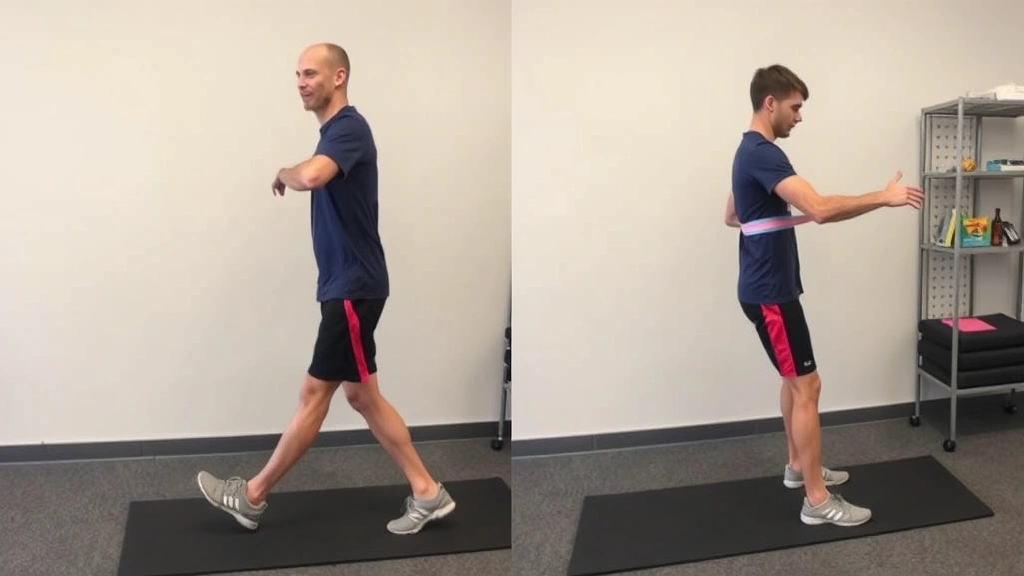
One of the primary mechanisms through which physical therapy alleviates patellofemoral pain involves strengthening the hip stabilizers. The gluteus medius muscle, in particular, controls femoral adduction and internal rotation during single-leg stance and dynamic activities. When this muscle functions optimally, it maintains proper femoral alignment and reduces excessive stress on the patellofemoral joint. Physical therapists employ progressive resistance exercises, including clamshells, side-lying hip abduction, and lateral band walks, to systematically strengthen these critical stabilizing muscles.
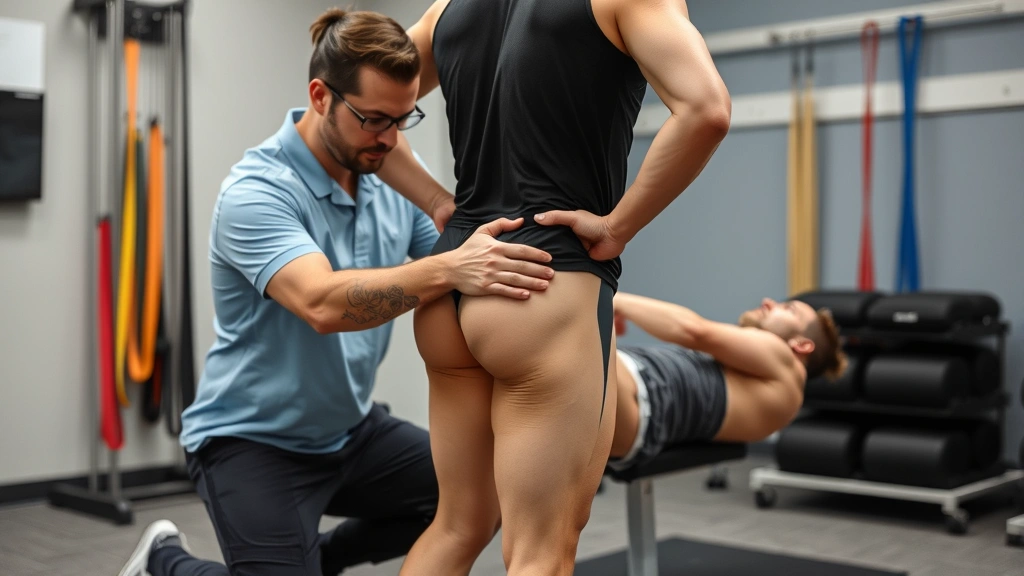
Additionally, physical therapy addresses flexibility restrictions that contribute to PFPS. Tightness in the hip flexors, quadriceps, hamstrings, and iliotibial band can alter knee mechanics and increase patellofemoral joint stress. Therapeutic stretching, foam rolling, and soft tissue mobilization techniques help restore normal muscle length-tension relationships. Core stabilization training represents another essential component, as weakness in the trunk and abdominal muscles compromises proximal stability and increases compensatory stress on the knee joint.
Key Physical Therapy Interventions
Effective patellofemoral syndrome physical therapy incorporates multiple intervention strategies tailored to individual patient presentations. Physical therapists conduct comprehensive assessments to identify specific impairments and develop personalized treatment plans addressing these deficits. The following interventions represent evidence-based components of successful PFPS management.
Strengthening Exercises: Progressive resistance training targeting hip abductors, hip external rotators, and knee extensors forms the cornerstone of PFPS treatment. Exercises such as single-leg squats, step-ups, lateral band walks, clamshells, and glute bridges systematically build muscle strength and endurance. These exercises progress in difficulty and load as patients demonstrate improved capacity, ensuring continued adaptations and strength gains.
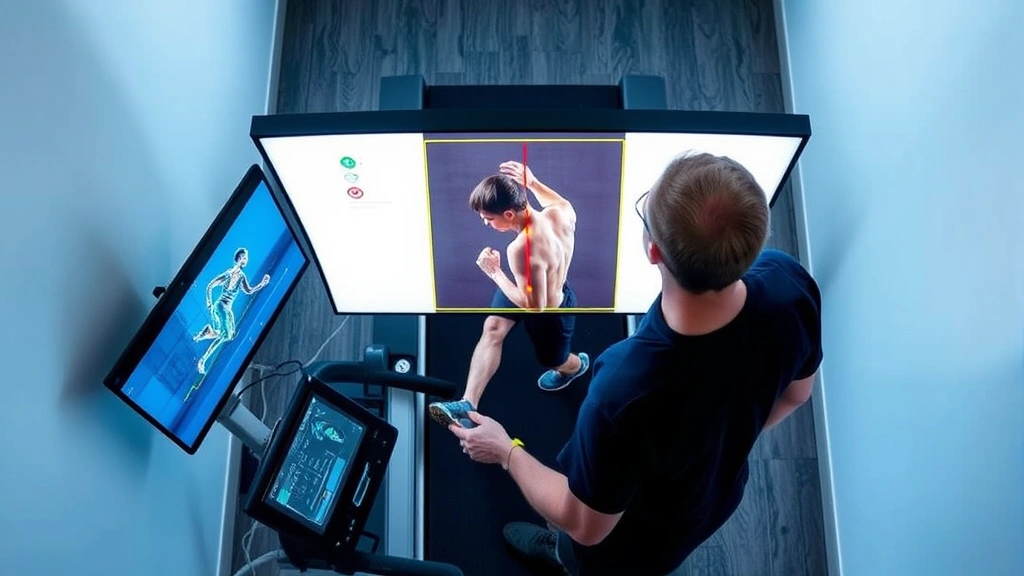
Neuromuscular Retraining: Many individuals with patellofemoral pain demonstrate altered movement patterns, including excessive knee valgus (inward collapse), early heel strike during running, and reduced hip extension during walking. Physical therapists use video analysis, mirror feedback, and verbal cueing to retrain these patterns. Gait retraining and running form analysis help patients adopt biomechanically efficient movement strategies that reduce patellofemoral joint stress.
Flexibility and Mobility Work: Addressing restrictions in hip, ankle, and knee mobility improves overall lower extremity mechanics. Physical therapists employ stretching protocols, manual therapy techniques, and self-mobilization strategies to restore normal range of motion. This component prevents compensatory movements that could perpetuate pain.
Activity Modification and Pacing: Patient education regarding appropriate activity progression prevents symptom exacerbation and supports long-term recovery. Physical therapists teach patients how to modify training intensity, duration, and frequency while gradually building tolerance for desired activities. This graduated approach prevents the boom-bust cycle that often perpetuates chronic pain.
Manual Therapy: Hands-on techniques including soft tissue mobilization, joint mobilizations, and trigger point release can provide pain relief and improve tissue mobility. While manual therapy alone is insufficient for long-term PFPS management, it complements exercise-based interventions effectively.
Evidence-Based Treatment Outcomes
Extensive research demonstrates that physical therapy produces significant improvements in pain, function, and quality of life for individuals with patellofemoral pain syndrome. A systematic review published in PubMed Central examining multiple randomized controlled trials found that exercise-based physical therapy resulted in substantial pain reduction and functional improvement compared to control conditions. Studies consistently show success rates exceeding 70-80% when patients adhere to appropriate physical therapy protocols.
One landmark study demonstrated that individuals receiving physical therapy focused on hip strengthening experienced significantly greater pain reduction and functional improvement compared to those receiving standard treatment alone. Importantly, these benefits persisted at long-term follow-up, suggesting that physical therapy produces durable improvements rather than temporary relief.
The effectiveness of physical therapy for patellofemoral pain extends across diverse populations, including recreational athletes, competitive runners, sedentary individuals, and older adults. Young athletes respond particularly well to physical therapy, often returning to sport at full capacity within 6-12 weeks with appropriate adherence. Even individuals with chronic patellofemoral pain of several years’ duration frequently experience significant improvement through systematic physical therapy intervention.
Research also indicates that early intervention with physical therapy prevents progression to chronic pain and reduces the likelihood of developing secondary complications, such as hip pain or contralateral knee pain. This early intervention advantage underscores the importance of seeking professional evaluation and treatment promptly when patellofemoral pain develops.
Common Mistakes to Avoid
Understanding common pitfalls in patellofemoral pain management helps patients and practitioners optimize treatment outcomes. Many individuals make mistakes that delay recovery or perpetuate symptoms. Awareness of these errors facilitates more effective pain management strategies.
Neglecting Hip Strengthening: Some treatment approaches focus exclusively on knee-specific exercises while overlooking hip muscle weakness. This incomplete approach fails to address a primary cause of patellofemoral pain and limits treatment effectiveness. Comprehensive physical therapy must include targeted hip strengthening.
Progressing Too Quickly: Overly aggressive exercise progression or premature return to high-impact activities can exacerbate symptoms and delay recovery. Patients must follow graduated progression protocols that respect tissue healing timelines and individual adaptation capacity.
Ignoring Movement Pattern Deficits: Correcting only strength deficits while allowing abnormal movement patterns to persist leaves patients vulnerable to symptom recurrence. Comprehensive treatment must address both muscle strength and neuromuscular movement control.
Inadequate Activity Modification: Continuing activities that provoke pain while pursuing physical therapy creates conflicting demands and slows recovery. Appropriate activity modification during early treatment phases supports healing and prevents chronic pain development.
Poor Exercise Adherence: Physical therapy effectiveness depends critically on patient adherence to prescribed exercise programs. Many individuals fail to complete recommended exercises or perform them with insufficient intensity, limiting treatment benefits. Consistent engagement with prescribed interventions is essential for optimal outcomes.
Timeline and Recovery Expectations
Most individuals experience meaningful improvement in patellofemoral pain within 4-6 weeks of initiating appropriate physical therapy. However, complete resolution typically requires 8-12 weeks of consistent treatment and exercise adherence. The timeline varies depending on pain severity, duration of symptoms, individual factors, and treatment adherence.
Early-stage patellofemoral pain (present for less than 4 weeks) generally responds more rapidly to physical therapy than chronic pain (present for several months or longer). Individuals with acute PFPS may experience substantial pain reduction within 2-3 weeks, while those with chronic symptoms may require longer treatment durations to achieve full resolution.
Recovery phases typically progress as follows: initial phase (weeks 1-3) focuses on pain reduction and basic strengthening; intermediate phase (weeks 4-8) emphasizes progressive strengthening and movement pattern correction; final phase (weeks 9-12) involves advanced strengthening, sport-specific training, and return-to-activity progression. Physical therapists adjust this timeline based on individual progress and response to treatment.
Long-term success requires maintaining the strength gains and movement pattern improvements achieved through physical therapy. Many individuals benefit from ongoing home exercise programs or periodic physical therapy sessions following initial treatment completion. This maintenance approach prevents symptom recurrence and supports sustained pain relief.
For individuals considering physical therapy treatment options, patellofemoral pain represents one of the most responsive conditions to rehabilitation intervention. The combination of evidence-based exercise prescription, expert guidance, and patient adherence produces consistently positive outcomes across diverse populations.
FAQ
How long does it take physical therapy to help patellofemoral pain?
Most patients experience meaningful improvement within 4-6 weeks of initiating appropriate physical therapy, with complete resolution typically occurring within 8-12 weeks. Individual timelines vary based on symptom severity, chronicity, and treatment adherence.
Can physical therapy completely eliminate patellofemoral pain?
Yes, physical therapy successfully eliminates patellofemoral pain in the majority of cases when appropriate protocols are followed consistently. Research demonstrates success rates exceeding 70-80%, making physical therapy the most effective first-line treatment for PFPS.
What exercises are most effective for patellofemoral pain?
Hip strengthening exercises, particularly targeting gluteus medius and maximus, prove most effective for patellofemoral pain. Additional beneficial exercises include knee extensions, step-ups, lateral band walks, and core stabilization exercises. A physical therapist should prescribe specific exercises based on individual assessment findings.
Is imaging necessary for diagnosing patellofemoral pain?
Imaging is typically unnecessary for diagnosing patellofemoral pain, as clinical examination findings guide diagnosis. Imaging may be indicated if symptoms suggest structural damage or if conservative treatment fails to produce expected improvements.
Can I return to running with patellofemoral pain?
Most individuals can safely return to running with appropriate physical therapy and activity modification. Gradual return-to-running protocols, emphasizing proper running form and adequate strengthening, support successful return to running without symptom exacerbation.
What role does physical therapy play in preventing patellofemoral pain recurrence?
Physical therapy prevents recurrence by addressing underlying biomechanical deficits and establishing optimal movement patterns. Maintaining strength gains through home exercise programs and periodic professional guidance significantly reduces recurrence risk.
Should I explore red light therapy near me as an adjunct to physical therapy?
While complementary modalities may provide additional pain relief, evidence-based physical therapy remains the primary treatment for patellofemoral pain. Discuss any adjunctive treatments with your physical therapist to ensure they complement your rehabilitation program appropriately.
For comprehensive information about therapeutic approaches, explore MindLift Daily Blog – Therapy and Wellness Resources for additional evidence-based wellness content. Those interested in other therapeutic professions might explore occupational therapy jobs or speech therapy near me for additional healthcare career information.