Can Physical Therapy Heal Patellofemoral Syndrome? Expert Insights and Evidence-Based Solutions
Patellofemoral syndrome, commonly known as runner’s knee or anterior knee pain, affects millions of people worldwide, from recreational athletes to sedentary individuals. This condition occurs when pain develops around the kneecap due to improper tracking of the patella within the femoral groove. The question that many patients ask is straightforward: Can physical therapy actually heal patellofemoral syndrome, or is it merely a temporary pain management solution?
The answer is encouraging. Research consistently demonstrates that physical therapy is one of the most effective treatment approaches for patellofemoral syndrome, with success rates ranging from 70-90% when properly implemented. Unlike surgical interventions, which carry inherent risks and lengthy recovery periods, physical therapy addresses the root biomechanical causes of the condition. This comprehensive guide explores the latest expert insights, evidence-based treatment protocols, and what you can realistically expect from physical therapy for patellofemoral syndrome.
Understanding Patellofemoral Syndrome and Its Root Causes
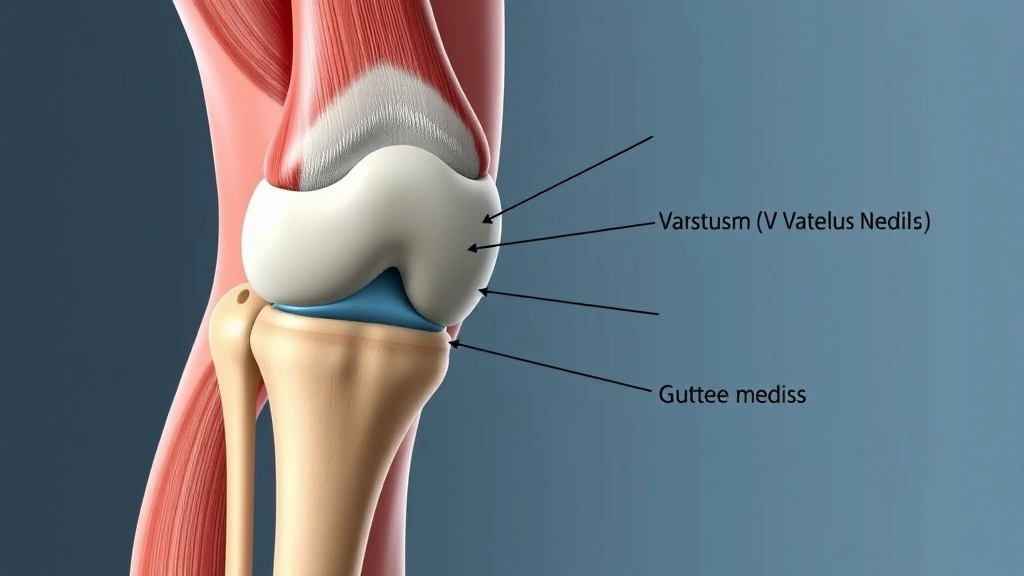
Patellofemoral syndrome differs significantly from other knee injuries because it typically doesn’t involve structural damage to cartilage, ligaments, or menisci. Instead, the condition stems from biomechanical dysfunction and muscular imbalances. The patella, a small bone that sits within the femoral groove at the front of the knee, tracks improperly due to weakness or tightness in surrounding muscles.
Several factors contribute to patellofemoral syndrome development. Weakness in the gluteus medius and vastus medialis obliquus muscles causes the femur to rotate inward excessively during movement, pulling the patella laterally out of its optimal tracking path. Hip flexor tightness, poor ankle mobility, and core instability compound these issues. Additionally, training errors such as sudden increases in activity volume, inappropriate footwear, or running on cambered surfaces can trigger symptoms.
Understanding these causative factors is crucial because it explains why simple rest and anti-inflammatory medications often fail to produce lasting results. You’re not addressing the underlying mechanical problem that created the pain in the first place. This is where physical therapy excels—it systematically corrects these biomechanical deficiencies.

How Physical Therapy Addresses the Underlying Biomechanics
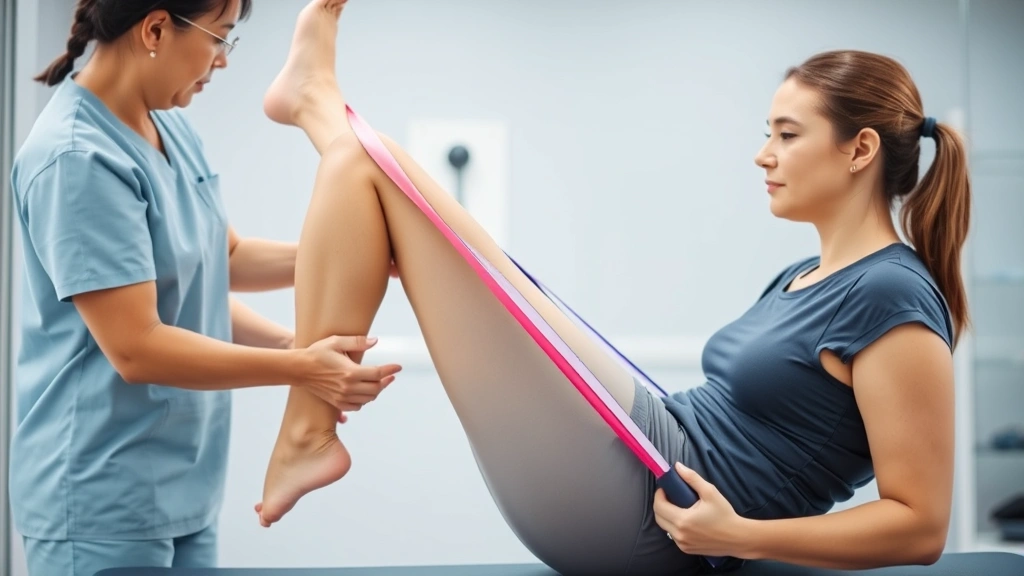
Physical therapists employ a systematic assessment approach to identify the specific biomechanical dysfunctions contributing to your patellofemoral syndrome. This individualized evaluation distinguishes effective physical therapy from generic exercise routines found online.
A thorough assessment examines hip strength and control, ankle mobility, knee alignment during functional movements, core stability, and muscle flexibility patterns. Therapists observe how you walk, squat, and perform sport-specific movements to identify compensatory patterns. Once these deficits are identified, treatment focuses on correcting them through targeted strengthening, flexibility work, and movement retraining.
The beauty of physical therapy lies in its progressive, systematic approach. Rather than jumping to advanced exercises, your therapist builds a foundation by addressing the most fundamental deficits first. This might begin with basic hip and glute activation exercises that seem deceptively simple but are essential for proper movement mechanics. As stability improves, exercises progress to more challenging variations that simulate real-world activities.
Research published in the National Center for Biotechnology Information database confirms that comprehensive physical therapy programs addressing hip and knee mechanics produce superior outcomes compared to isolated quadriceps strengthening, which was the standard approach decades ago.
Key Components of Effective PT Programs
Successful patellofemoral syndrome rehabilitation includes several essential components that work synergistically to restore normal function.
Hip Strengthening and Gluteal Activation
The gluteus medius and gluteus maximus muscles are foundational to proper knee mechanics. When these muscles are weak, the femur rotates inward during weight-bearing activities, causing lateral patellar tracking. Effective programs include clamshells, side-lying hip abduction, lateral band walks, and single-leg deadlifts. These exercises specifically target hip abductors and external rotators that stabilize the femur.
Quadriceps Strengthening with VMO Emphasis
While all quadriceps strengthening is beneficial, emphasizing the vastus medialis obliquus through terminal knee extension exercises, short-arc quads, and step-ups helps maintain proper patellar tracking. Modern physical therapy balances quad strengthening with hip work rather than emphasizing one over the other.
Flexibility and Mobility Work
Addressing tightness in the hip flexors, hamstrings, calves, and tensor fasciae latae (IT band) reduces compensatory stress on the patellofemoral joint. Techniques include soft tissue mobilization, stretching, and foam rolling performed under professional guidance to avoid exacerbating symptoms.
Core Stability Training
A strong, stable core prevents excessive lumbar spine motion that can alter hip and knee mechanics. Planks, dead bugs, pallof presses, and bird dogs help establish the foundational stability necessary for proper movement patterns throughout the kinetic chain.
Movement Pattern Retraining
This component is critical and often overlooked in self-directed therapy. Your therapist teaches you to squat, lunge, step, and run with proper mechanics. This retraining ensures that improvements in strength and flexibility translate into pain-free functional movement.
If you’re interested in exploring other therapy modalities alongside physical therapy, you might consider investigating red light therapy near me as a complementary recovery tool, though physical therapy remains the primary evidence-based treatment.
Timeline: When Can You Expect Healing
One of the most common questions patients ask is: “How long until I’m healed?” The answer depends on several factors including symptom severity, how long you’ve had the condition, your compliance with the program, and your baseline fitness level.
Early Phase (Weeks 1-3): Initial pain reduction typically occurs within the first two to three weeks as inflammation decreases and you learn proper movement patterns. Many patients report noticeable improvement in pain levels, though full healing hasn’t occurred yet. This phase focuses on pain reduction, basic strengthening, and identifying specific biomechanical deficits.
Intermediate Phase (Weeks 4-8): Significant functional improvements emerge during this period. Your hip and core muscles strengthen substantially, movement patterns improve, and you can gradually increase activity levels. Most patients can return to modified versions of their favorite activities by this stage.
Advanced Phase (Weeks 9-12+): Complete healing typically occurs within 12 weeks of consistent physical therapy, though some complex cases require longer. By this point, you’ve developed strong, stable muscles, corrected movement patterns, and can return to full activity. The key is maintaining these improvements through ongoing exercise.
Research indicates that comprehensive physical therapy programs show 70-90% success rates, with most patients achieving pain-free function within 12 weeks when they comply with their treatment plan. Importantly, this represents true healing—correction of the underlying biomechanical dysfunction—rather than mere symptom management.
Evidence-Based Exercises and Techniques
The following exercises represent the most evidence-supported interventions for patellofemoral syndrome. However, proper form is crucial; incorrect execution can perpetuate the problem or create new issues. This is why working with a qualified physical therapist is invaluable.
Clamshells
Lie on your side with hips and knees bent to 45 degrees. Keeping your feet together, open your top knee toward the ceiling while maintaining contact between your feet. This targets the gluteus medius effectively and should produce a burning sensation in the outer hip. Perform three sets of 15-20 repetitions daily.
Single-Leg Deadlifts
Stand on one leg while maintaining a slight knee bend. Hinge forward at the hip while extending your free leg behind you for balance. This exercise strengthens hip extensors and improves single-leg stability, critical for walking and running mechanics. Progress gradually from holding onto support to performing them independently.
Monster Walks
Place a resistance band around your legs just above the knees. Walk forward by stepping wide with each foot while maintaining tension on the band. This exercise activates hip abductors throughout the movement range and teaches proper hip mechanics during ambulation.
Terminal Knee Extensions
Loop a resistance band around a sturdy object at knee height. Stand facing away with the band around your knee. Step forward slightly, then straighten your leg against band resistance. This targets the vastus medialis obliquus and should produce a burning sensation in the inner thigh above the knee.
Step-Ups
Step up onto a low platform (4-6 inches initially) while maintaining level hips and proper knee tracking. Your knee should stay aligned over your ankle rather than collapsing inward. Step down with control. Progress by increasing step height and adding weight.
Comparing PT to Other Treatment Options
Understanding how physical therapy compares to alternative treatments helps you make informed decisions about your care. The treatment landscape for patellofemoral syndrome includes several options, each with distinct advantages and limitations.
Rest and Conservative Management
Simply resting and taking anti-inflammatory medications provides temporary symptom relief but doesn’t address the underlying biomechanical dysfunction. Many patients who rely solely on rest experience symptom recurrence when they return to activity because the causative factors remain uncorrected.
Corticosteroid Injections
These injections can provide short-term pain relief, allowing patients to participate in physical therapy more comfortably. However, research shows they don’t produce lasting healing when used without concurrent physical therapy. Some evidence suggests repeated corticosteroid use may accelerate cartilage degeneration.
Surgical Interventions
Surgery is rarely necessary for patellofemoral syndrome and is typically reserved for cases where conservative treatment fails completely. Common surgical procedures include lateral retinacular release or patellar realignment surgery. However, surgical outcomes are less predictable than physical therapy outcomes, and surgery carries inherent risks including infection, blood clots, and continued pain post-operatively.
A landmark study comparing surgical and non-surgical treatment found that physical therapy outcomes matched or exceeded surgical outcomes in most cases, with the added benefits of avoiding surgical risks and costs. This research strongly supports pursuing comprehensive physical therapy before considering surgery.
Bracing and Taping
Knee sleeves and patellar taping can provide temporary symptom relief by improving patellar tracking. However, these are best used as adjuncts to physical therapy rather than standalone treatments. They can enhance your ability to participate in therapy but shouldn’t replace active rehabilitation.
Real-World Success Stories and Outcomes
Understanding what real patients experience with physical therapy provides valuable perspective. Consider Sarah, a 28-year-old runner who developed severe patellofemoral pain that prevented her from running more than a mile. After six weeks of physical therapy focusing on hip strengthening and gait retraining, she returned to running pain-free. At twelve weeks, she completed a half-marathon without symptoms.
Another example is Marcus, a 45-year-old office worker experiencing knee pain with stairs and squats. His physical therapist identified significant hip weakness and core instability. After eight weeks of targeted exercises performed three times weekly, he regained full pain-free function and now maintains his strength with a home program.
These aren’t exceptional cases; they represent typical outcomes from properly implemented physical therapy programs. Success depends primarily on selecting a qualified therapist, understanding the treatment plan, and committing to consistent home exercise performance.
If you’re exploring therapy options, you might also want to learn more about physical therapy treatment for cerebral palsy to understand how therapists address various conditions, or explore occupational therapy jobs if you’re interested in pursuing therapy as a career. Additionally, understanding how much therapy costs helps you plan financially for your treatment.
The MindLift Daily Blog offers additional therapy resources and information that may complement your physical therapy journey.
Frequently Asked Questions
How often should I do physical therapy for patellofemoral syndrome?
Most effective programs involve 2-3 supervised sessions weekly combined with daily home exercises. The frequency ensures proper technique while building consistency. After 8-12 weeks, many patients transition to 1-2 sessions weekly while maintaining daily home programs.
Can I continue running while undergoing physical therapy?
Yes, but with modifications. Your therapist will likely recommend reducing running volume and intensity initially while focusing on pain-free running mechanics. As strength improves, you can gradually increase running. Maintaining some activity prevents deconditioning and keeps you motivated.
What if physical therapy doesn’t work?
True failure of comprehensive physical therapy is rare, occurring in less than 10% of cases. If you’re not improving after 8-12 weeks, consider whether you’ve been compliant with the program, whether your exercises have proper form, and whether you’ve allowed adequate time for healing. If genuine progress stalls, discuss advanced imaging (MRI) with your physician to rule out structural issues you might have missed.
Do I need imaging like X-rays or MRI before starting physical therapy?
Most cases of patellofemoral syndrome don’t require imaging before starting physical therapy. A thorough clinical evaluation by a qualified physical therapist is usually sufficient. Imaging becomes relevant if symptoms don’t improve after 8-12 weeks of appropriate therapy or if specific red flags suggest structural pathology.
How long do I need to continue exercises after healing?
Maintenance exercises should continue indefinitely, though they require less time than initial rehabilitation. A 15-20 minute routine performed 3-4 times weekly prevents symptom recurrence. Many patients find they enjoy these exercises once they understand how they maintain their pain-free status and athletic performance.
Can patellofemoral syndrome return after physical therapy?
Recurrence is possible if you abandon your maintenance program or return to the biomechanical errors that created the original problem. However, patients who maintain proper strength and movement mechanics rarely experience significant recurrence. Think of physical therapy as learning proper movement for life, not just treating your current pain.