Ozone Therapy for Mental Health: Expert Insights and Evidence-Based Analysis
Ozone therapy has emerged as a controversial yet increasingly discussed treatment modality in alternative and complementary medicine circles. While traditionally associated with physical health conditions, practitioners and researchers have begun exploring its potential applications for mental health disorders. This comprehensive guide examines the scientific evidence, expert perspectives, and practical considerations surrounding ozone therapy benefits for psychological well-being.
Mental health treatment has evolved significantly over the past decades, with patients and clinicians seeking diverse therapeutic approaches beyond conventional pharmaceutical interventions. Ozone therapy, which involves the therapeutic use of ozone gas, represents one such alternative being investigated. Understanding both the theoretical mechanisms and current evidence base is essential for informed decision-making about this emerging treatment option.
What is Ozone Therapy and How Does It Work
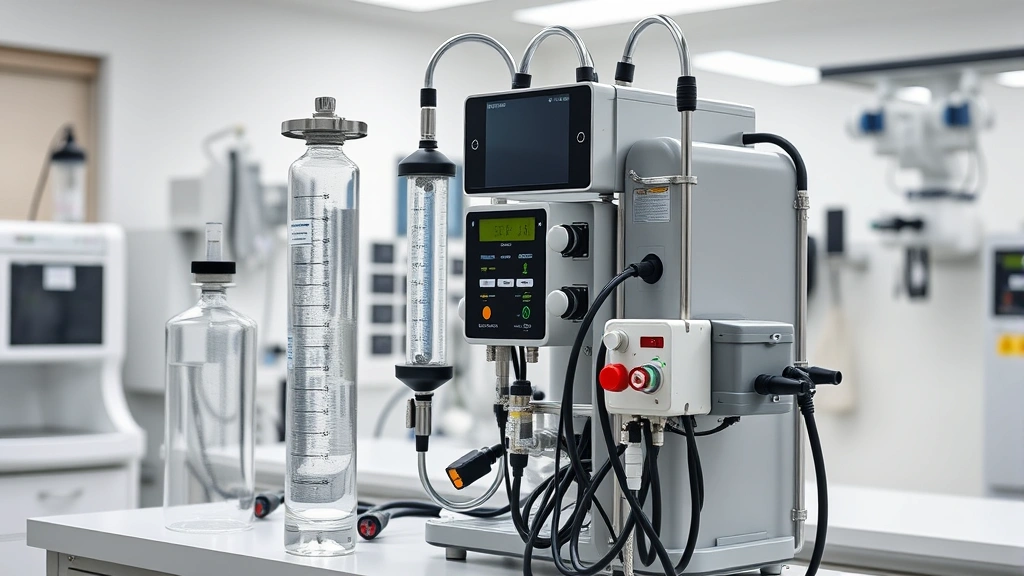
Ozone therapy involves the introduction of ozone gas (O₃) into the body through various administration routes. The most common methods include autohemotherapy, where blood is drawn, mixed with ozone, and reinfused; rectal insufflation; and topical application. Proponents claim that ozone increases oxygen utilization at the cellular level, though the exact biological mechanisms remain subjects of scientific debate.
The theoretical foundation of ozone therapy rests on the concept that many chronic conditions, including mental health disorders, stem from cellular hypoxia or oxidative stress. Ozone, being a highly reactive molecule, is proposed to stimulate antioxidant defense systems and improve oxygen distribution. However, it’s important to note that therapy resources and information from mainstream medical sources often express caution about these claims due to limited clinical validation.
The history of ozone therapy traces back to the 19th century when it was first used in dermatology and wound treatment. European practitioners, particularly in Germany and Italy, have maintained interest in ozone therapy for decades. More recently, some alternative medicine practitioners have expanded its application to neuropsychiatric conditions, though this represents a significant extrapolation from its traditional uses.

Mechanisms of Action for Mental Health
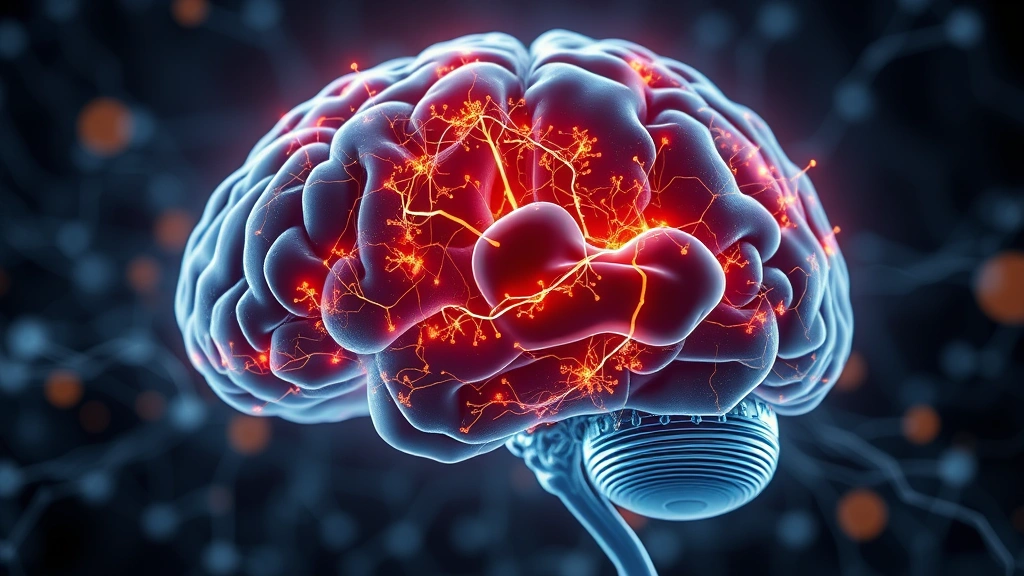
Understanding how ozone therapy might influence mental health requires examining several proposed biological pathways. The primary mechanism involves oxidative stress reduction and enhanced oxygen metabolism. Mental health disorders like depression and anxiety are increasingly understood to involve inflammatory markers and oxidative imbalance in the brain.
When ozone enters the bloodstream, it rapidly reacts with antioxidants and lipids, creating secondary metabolites known as reactive oxygen species (ROS) and lipid oxidation products. These compounds are theorized to trigger adaptive responses that upregulate the body’s own antioxidant systems, including superoxide dismutase and catalase. This hormetic effect—where mild stress triggers protective responses—could theoretically benefit neurological function.
Additionally, ozone therapy is proposed to improve cerebral blood flow and oxygen delivery to neural tissue. Depression and anxiety have been associated with altered blood perfusion patterns in specific brain regions. By enhancing microcirculation and oxygen availability, ozone therapy might theoretically support neuroplasticity and neurotransmitter production.
Some researchers suggest that ozone’s immunomodulatory effects could be relevant to mental health. Emerging evidence indicates that neuroinflammation contributes to depression and cognitive dysfunction. If ozone therapy genuinely modulates immune function—a claim requiring further validation—it might indirectly benefit mental health by reducing neuroinflammatory markers.
Current Research and Clinical Evidence
The research landscape for ozone therapy in mental health remains limited compared to established psychiatric treatments. Most clinical trials examining ozone therapy have focused on peripheral vascular disease, chronic wounds, and degenerative joint conditions. Mental health applications represent a frontier area with minimal peer-reviewed evidence.
A systematic review published in Scientific Reports examined ozone therapy across multiple conditions but found that evidence quality for most applications remains low to moderate. The authors noted that while some studies show promising results for pain and inflammation, rigorous randomized controlled trials specifically investigating mental health outcomes are scarce. This gap in evidence represents a significant limitation when evaluating ozone therapy benefits for psychiatric disorders.
Some small observational studies from Eastern European and Middle Eastern institutions have reported improvements in depression symptoms following ozone therapy courses. However, these studies typically lack adequate control groups, blinding mechanisms, and standardized outcome measures. NIH research databases reveal that most published ozone therapy studies involve non-psychiatric conditions, highlighting the research gap in mental health applications.
The lack of large-scale, well-designed trials creates challenges for evidence-based assessment. Mental health treatment decisions ideally rest on robust clinical evidence demonstrating efficacy beyond placebo effects. Until more rigorous research emerges, ozone therapy for mental health remains in the experimental category, and patients should approach claims with appropriate skepticism.
Ozone Therapy Benefits for Depression and Anxiety
Practitioners advocating ozone therapy for depression emphasize several proposed benefits. They argue that the oxidative stress reduction and improved oxygen metabolism could address underlying biological factors contributing to depressive symptoms. Some claim that patients experience improved mood, increased energy, and better sleep quality following treatment courses.
For anxiety disorders, proponents suggest that ozone therapy’s theoretical anxiolytic effects stem from improved cerebral circulation and reduced neuroinflammation. Anxiety involves dysregulation of the amygdala and prefrontal cortex—brain regions highly sensitive to oxygen availability and inflammatory cytokines. Enhanced oxygen delivery might theoretically normalize activity in these regions.
However, these claimed benefits require critical evaluation. Placebo effects are particularly pronounced in mental health treatment, with some antidepressants showing only modest advantages over placebo in clinical trials. The ritualistic nature of ozone therapy—involving medical procedures and patient expectations—creates substantial potential for placebo response. Without controlled studies, distinguishing genuine therapeutic effects from placebo becomes impossible.
Comparative effectiveness remains unclear. Established treatments for depression and anxiety, including cognitive-behavioral therapy and evidence-based medications, demonstrate clear efficacy in rigorous trials. The American Psychological Association maintains evidence-based treatment guidelines that have undergone decades of refinement. Ozone therapy currently lacks comparable evidence supporting its use as a primary treatment for these conditions.
Comparing Alternative Mental Health Treatments
The mental health treatment landscape includes numerous alternatives to conventional pharmaceuticals and psychotherapy. Understanding how ozone therapy compares to other options helps contextualize its position within the broader therapeutic ecosystem.
Red light therapy represents another alternative gaining research attention. Unlike ozone therapy, red light therapy has accumulated more substantial evidence for mood disorders through studies examining its effects on mitochondrial function and circadian rhythm regulation. Red light therapy near me services have become increasingly accessible, reflecting growing clinical interest supported by published research.
Ketamine-assisted therapy has emerged as a well-researched alternative for treatment-resistant depression. The FDA-approved esketamine nasal spray demonstrates rapid-acting antidepressant effects through glutamatergic mechanisms. This represents a more evidence-supported alternative to ozone therapy for severe depression.
Transcranial magnetic stimulation (TMS) offers another evidence-based alternative approved for depression treatment. TMS directly modulates neural activity through magnetic pulses, with established efficacy in clinical trials. Its mechanism is well-understood compared to ozone therapy’s proposed but unproven biological effects.
Psychotherapy modalities, including cognitive-behavioral therapy, acceptance and commitment therapy, and psychodynamic approaches, maintain the strongest evidence base for mental health disorders. These approaches have undergone decades of rigorous testing and refinement, establishing their efficacy across diverse populations.
When considering how much therapy costs, cost-effectiveness becomes relevant. Many evidence-based treatments offer reasonable pricing structures, while ozone therapy costs similarly without equivalent evidence support. This cost-effectiveness gap represents a practical consideration favoring established treatments.
Safety Considerations and Risks
Ozone therapy carries several documented safety concerns that warrant serious consideration. Ozone is a potent oxidizing agent, and systemic exposure involves inherent risks despite proposed hormetic benefits. Understanding these risks is essential for informed decision-making.
Respiratory complications represent a primary concern. Ozone inhalation can damage lung tissue, trigger bronchospasm, and exacerbate respiratory conditions. While autohemotherapy and rectal insufflation avoid direct inhalation, systemic ozone still enters circulation and could potentially affect pulmonary function.
Oxidative stress paradox deserves attention. While proponents claim ozone therapy reduces oxidative stress through hormetic mechanisms, excessive ozone exposure could theoretically increase oxidative damage, particularly in individuals with compromised antioxidant defenses. This paradox remains inadequately studied in clinical populations.
Infection risk accompanies any procedure involving blood draw and reinfusion. Although properly trained practitioners maintain sterile protocols, autohemotherapy theoretically introduces infection risks absent from non-invasive treatments. Bloodborne pathogen transmission, while rare with modern techniques, remains a documented concern.
Drug interactions remain poorly characterized. Ozone therapy’s effects on medication metabolism are largely unknown. Patients taking psychiatric medications should recognize that ozone therapy’s interactions with antidepressants, anxiolytics, or antipsychotics have not been adequately studied.
Cardiovascular effects warrant caution in patients with heart disease or hypertension. Ozone’s systemic effects on vascular function are incompletely understood, and cardiovascular complications have been reported in some cases.
The regulatory landscape reflects these safety concerns. The FDA does not approve ozone as a therapeutic agent for systemic use, though some states permit its use under specific conditions. This regulatory status indicates that safety and efficacy remain unproven by FDA standards.
Finding Qualified Practitioners
If individuals choose to explore ozone therapy despite limited mental health evidence, finding qualified practitioners becomes important. The lack of standardized training and licensure in ozone therapy creates risks of encountering unqualified or unethical providers.
Credentials and training should be thoroughly verified. Legitimate practitioners typically hold medical licenses (MD, DO) or nursing credentials and have received specific training in ozone therapy protocols. Beware of practitioners lacking conventional medical credentials or making extraordinary claims about cure rates.
Facility standards matter significantly. Proper ozone therapy requires sterile equipment, appropriate gas purity standards, and emergency medical capability. Facilities should maintain documentation of equipment maintenance and sterilization protocols.
Informed consent is essential. Ethical practitioners provide detailed information about limited evidence for mental health applications, potential risks, and uncertainty regarding efficacy. They should not discourage patients from maintaining conventional psychiatric treatment.
Complementary approach remains advisable. Rather than replacing established mental health treatment, ozone therapy might be considered only as a supplementary approach while maintaining therapy resources and information from credible sources. Psychiatric medication and psychotherapy should continue under professional supervision.
Cost considerations deserve attention. Ozone therapy courses typically cost $500-$5,000 depending on protocol and provider. Verify whether insurance covers treatment (most policies do not) and understand that costs represent out-of-pocket expenses without guaranteed benefit.
Consultation with primary care physicians and mental health professionals is advisable before pursuing ozone therapy. They can assess individual circumstances, identify contraindications, and help evaluate whether ozone therapy represents an appropriate choice given available alternatives.
Frequently Asked Questions
Is ozone therapy FDA-approved for mental health treatment?
No. The FDA does not approve ozone therapy for systemic use or mental health applications. Ozone is classified as a drug in the United States, and its therapeutic use remains investigational. Some states permit its use under specific medical conditions, but mental health applications lack FDA approval and regulatory support.
How does ozone therapy compare to conventional antidepressants?
Conventional antidepressants have undergone decades of rigorous testing with established efficacy in clinical trials. Ozone therapy for mental health lacks comparable evidence. Antidepressants work through well-characterized mechanisms affecting neurotransmitter systems, while ozone therapy’s mental health effects remain theoretical and unproven.
Can ozone therapy replace psychotherapy?
No. Psychotherapy approaches like cognitive-behavioral therapy represent the gold standard for many mental health conditions. If someone is considering ozone therapy, it should supplement—not replace—established psychological treatments and psychiatric care. Mental health recovery typically benefits from comprehensive approaches combining multiple evidence-based modalities.
What are the most common side effects of ozone therapy?
Reported side effects include temporary fatigue, flu-like symptoms, and joint pain. More serious complications, though rare, include infection, allergic reactions, and respiratory effects. Long-term side effect profiles for repeated ozone therapy remain inadequately studied, particularly in mental health populations.
How many ozone therapy sessions are typically recommended?
Practitioners typically recommend treatment courses ranging from 10-20 sessions, often administered weekly or bi-weekly. However, no standardized protocols exist for mental health applications, and recommendations vary significantly between providers. This lack of standardization reflects the experimental nature of ozone therapy for psychiatric conditions.
Are there specific mental health conditions where ozone therapy shows promise?
Research evidence specifically supporting ozone therapy for particular mental health diagnoses remains minimal. While some practitioners claim benefits for depression, anxiety, and cognitive dysfunction, these claims rest primarily on anecdotal reports rather than controlled clinical trials. More research is needed to identify any conditions where ozone therapy might demonstrate genuine efficacy.
Can ozone therapy interact with psychiatric medications?
Potential interactions between ozone therapy and psychiatric medications have not been adequately studied. Patients taking antidepressants, anxiolytics, antipsychotics, or mood stabilizers should consult with their psychiatrist before pursuing ozone therapy. The combination of ozone’s systemic effects and psychotropic medications represents an understudied area with potential safety implications.
What should I ask a practitioner before starting ozone therapy?
Inquire about their medical credentials, specific training in ozone therapy, facility sterilization standards, informed consent processes, and honest assessment of evidence for mental health applications. Ask whether they recommend maintaining conventional psychiatric treatment and whether they have documented outcome data from their practice. Avoid practitioners who claim guaranteed cures or discourage concurrent psychiatric care.