Oil Skin Therapy: Does It Actually Improve Mental Health?
The connection between physical wellness and mental health has long fascinated researchers and practitioners alike. In recent years, oil skin therapy has emerged as a complementary wellness practice, with proponents claiming it offers benefits beyond basic skincare. But does rubbing oils on your skin actually improve your mental health? This question sits at the intersection of dermatology, psychology, and holistic wellness—areas where evidence-based claims matter significantly.
Oil skin therapy encompasses various practices, from traditional Ayurvedic abhyanga massage to modern aromatherapy and skincare routines using essential and carrier oils. While these practices have cultural and historical significance spanning thousands of years, contemporary mental health benefits require scientific examination. Understanding whether oil skin therapy genuinely impacts psychological wellbeing requires separating marketing claims from peer-reviewed research, exploring the mechanisms through which topical applications might influence mood and stress, and contextualizing these practices within broader mental health treatment frameworks.
Understanding Oil Skin Therapy and Its Origins
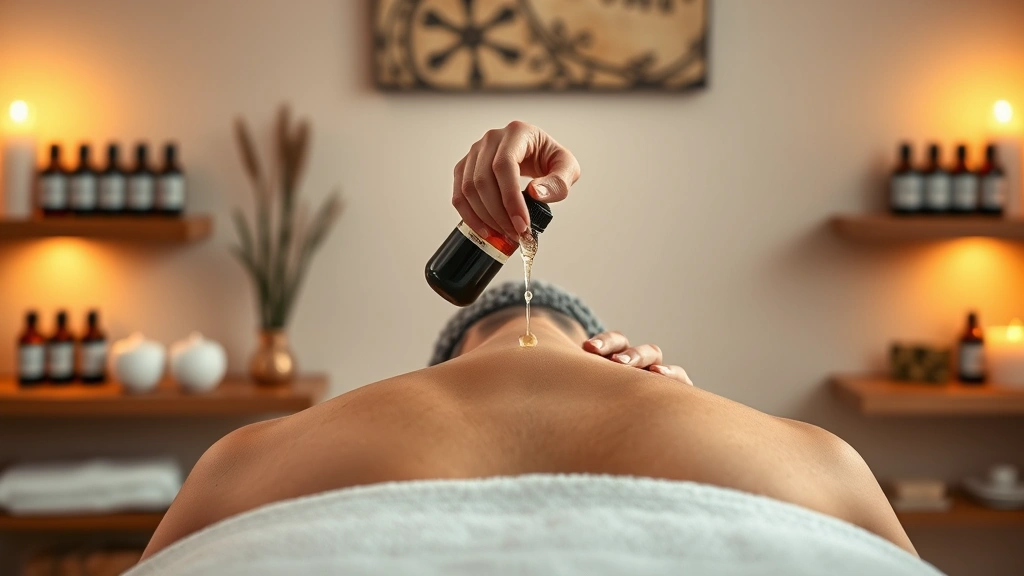
Oil skin therapy represents a diverse category of practices with roots in ancient medical traditions. Abhyanga, the oil massage practice central to Ayurvedic medicine, dates back over 3,000 years and remains a cornerstone of traditional Indian healthcare systems. Similarly, traditional Chinese medicine incorporates oil-based treatments and massages as part of holistic healing protocols. Western aromatherapy, a more contemporary practice gaining popularity since the 1980s, focuses on essential oils’ aromatic and topical properties.
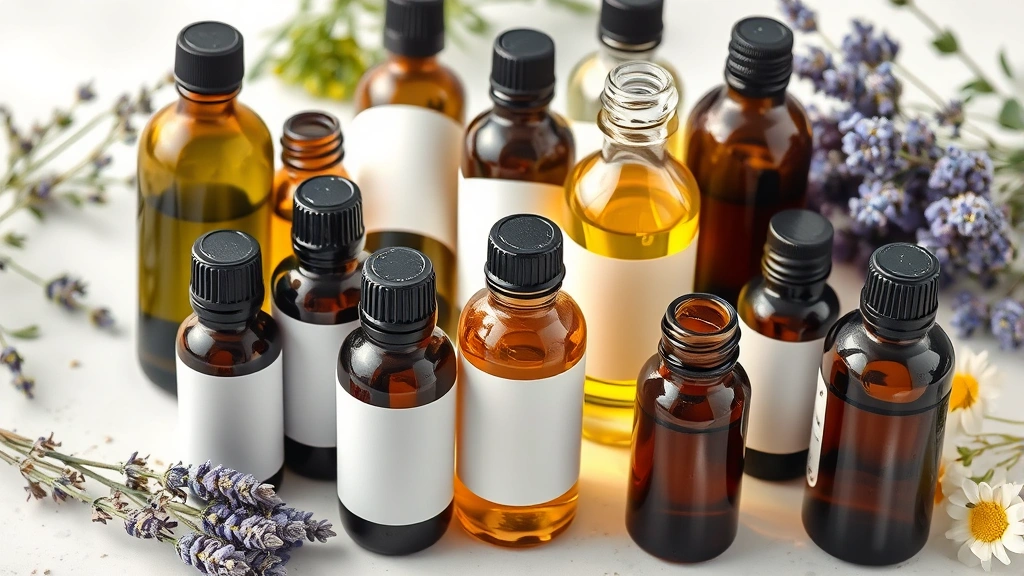
These practices typically involve applying oils—whether carrier oils like coconut, sesame, or jojoba, or concentrated essential oils like lavender, frankincense, or chamomile—directly to the skin. The application methods vary from simple skincare routines to elaborate massage protocols performed by trained practitioners. Modern oil skin therapy has evolved to incorporate scientific understanding of skin physiology while maintaining traditional frameworks that attribute psychological benefits to these practices.
The fundamental premise underlying oil skin therapy is that the skin serves not merely as a barrier but as an active participant in overall health. Practitioners argue that addressing skin health through targeted oil applications can create cascading benefits throughout the body and mind. However, this claim requires careful examination through the lens of contemporary neuroscience and psychology.
The Science Behind Skin and Mental Health Connection
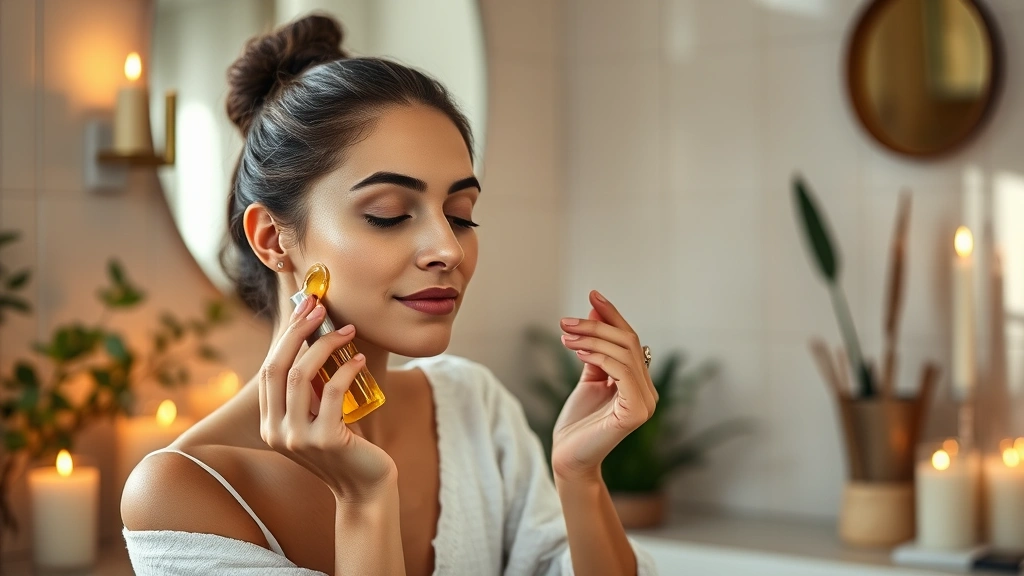
Before evaluating whether oil skin therapy specifically improves mental health, we must understand the legitimate connections between skin health and psychological wellbeing. Research has established that the skin-brain axis represents a bidirectional communication system involving neural, hormonal, and immune pathways. The skin contains numerous nerve endings, immune cells, and produces various neurotransmitters and hormones that can influence systemic health and mood regulation.
Conditions like acne, eczema, and psoriasis demonstrate this connection empirically. Patients with these dermatological conditions experience significantly higher rates of anxiety and depression—not merely as consequences of appearance concerns, but through direct biochemical pathways. Inflammatory skin conditions trigger systemic immune responses that can affect neurotransmitter production and stress hormone regulation. Conversely, psychological stress frequently exacerbates skin conditions through the hypothalamic-pituitary-adrenal (HPA) axis, creating a bidirectional feedback loop.
The sensation of touch itself activates the parasympathetic nervous system, promoting relaxation responses. This explains why massage—whether oil-based or not—produces documented stress-reducing effects. A comprehensive review of massage therapy research demonstrates measurable reductions in cortisol levels, increased oxytocin production, and improvements in anxiety and depression scores following massage interventions. The question becomes whether oil applications specifically enhance these benefits or whether the benefits derive primarily from the massage component.
How Oil Therapy May Influence Psychological Wellbeing
Oil skin therapy could theoretically influence mental health through several interconnected mechanisms. First, the aromatherapy component of many oil therapies activates olfactory pathways directly connected to the limbic system, which governs emotion and memory. Certain volatile compounds in essential oils—such as linalool in lavender or limonene in citrus oils—have demonstrated neurochemical activity in animal models and some human studies. However, the translation from basic research to clinical significance remains unclear.
Second, improved skin health from consistent oil application could reduce inflammatory markers and support the skin microbiome, potentially diminishing systemic inflammation that correlates with depression and anxiety. A healthier skin barrier might reduce transepidermal water loss and associated discomfort, contributing to enhanced wellbeing. Additionally, individuals who maintain skincare routines often report improved self-esteem and body image, psychological factors with established connections to mental health.
Third, the ritualistic and mindfulness components embedded in oil therapy practices may provide mental health benefits independent of the oils themselves. When individuals engage in dedicated self-care routines, they practice intentional presence and self-directed wellness—elements fundamental to evidence-based interventions like mindfulness-based cognitive therapy. The act of applying oils mindfully, focusing on sensations and self-compassion, activates similar neural networks as formal meditation practices.
Fourth, social and cultural factors contribute significantly. For individuals from cultures where oil therapy represents traditional healing practice, engaging in these rituals connects them to cultural identity and community, factors with documented protective effects on mental health. This represents legitimate psychological benefit, though it derives from cultural connection rather than biochemical properties of oils.
Research Evidence on Mental Health Benefits
When examining peer-reviewed evidence specifically linking oil skin therapy to mental health improvements, the literature becomes noticeably sparse. While numerous studies examine massage therapy benefits—and many involve oil applications—few isolate oil therapy’s specific contribution. Additionally, many oil therapy studies suffer from methodological limitations including small sample sizes, lack of adequate control groups, and researcher bias.
A Cochrane systematic review on aromatherapy concluded that while some studies suggest benefits for anxiety, the evidence quality remains low, with substantial heterogeneity across studies preventing firm conclusions. The review notes that publication bias likely inflates apparent benefits, as studies showing null results remain underrepresented in published literature. Essential oils show promise in specific contexts—such as pre-operative anxiety reduction—but extrapolating to broader mental health applications lacks sufficient evidence.
Research on abhyanga massage specifically demonstrates benefits for stress reduction and sleep quality in several studies, but these benefits appear consistent with massage therapy generally rather than specific to oil applications. When researchers compare oil-based massage to non-oil massage, differences rarely reach statistical significance. This suggests the therapeutic benefit derives substantially from the massage itself—the touch, attention, and ritualistic structure—rather than the oils’ biochemical properties.
Studies examining essential oil inhalation for mental health outcomes show mixed results. While some research demonstrates modest anxiety reduction from lavender or chamomile aromatherapy, other studies find no significant difference from placebo controls. The effect sizes, when statistically significant, typically fall in the small-to-moderate range. Importantly, these studies often fail to control adequately for expectancy effects, making it difficult to determine whether observed benefits exceed placebo responses.
Comparing Oil Therapy to Established Mental Health Treatments
To properly contextualize oil skin therapy, we must compare its demonstrated effectiveness to established mental health interventions. Cognitive-behavioral therapy (CBT), the gold standard for anxiety and depression treatment, demonstrates large effect sizes in meta-analyses, with approximately 50-60% of patients achieving remission. Pharmacological interventions like selective serotonin reuptake inhibitors (SSRIs) show similar efficacy profiles, though individual responses vary considerably.
The most rigorous evidence for oil therapy suggests benefits comparable to mild stress reduction techniques—beneficial for general wellbeing but insufficient as primary treatment for clinical mental health conditions. For individuals with diagnosed anxiety disorders, major depressive disorder, or other mental health conditions requiring treatment, relying solely on oil skin therapy would represent inadequate care. However, as a complementary component within comprehensive treatment plans—alongside evidence-based therapy and appropriate healthcare—oil practices may offer modest additional benefits through multiple mechanisms.
The distinction between treatment and wellness promotion matters clinically. Oil skin therapy may appropriately fit within general wellness practices alongside exercise, nutrition, and sleep hygiene—interventions that support mental health without treating clinical conditions. However, framing oil therapy as a mental health treatment requires evidence meeting rigorous standards, which currently exists only in limited contexts.
Individuals considering oil skin therapy should understand this nuance. General wellness benefits differ categorically from clinical treatment efficacy. For someone experiencing depression or anxiety, oil therapy might complement professional mental health resources but should not substitute for evidence-based treatment. This distinction protects individuals from delaying necessary care while permitting beneficial complementary practices.
Practical Considerations and Safety Concerns
Beyond efficacy questions, oil skin therapy raises practical and safety considerations. Essential oils, while derived from plants, remain concentrated substances with potential adverse effects. Some individuals experience dermatological reactions to certain oils, particularly when applied without adequate dilution. Photosensitizing oils like bergamot can cause severe skin reactions when combined with sun exposure. Pregnant individuals should avoid specific essential oils with potential teratogenic effects.
Contamination and quality control represent additional concerns. The essential oil market lacks stringent regulation in many jurisdictions, meaning products vary considerably in purity, concentration, and composition. Some commercial oils contain synthetic compounds or adulterants, raising questions about what individuals actually receive. This quality variability complicates research efforts and consumer safety.
Individuals taking psychiatric medications should consult healthcare providers before introducing oil therapies, as some essential oil compounds interact with medications. For example, certain oils may affect blood clotting or interact with specific psychiatric medications. Additionally, individuals with sensitive skin conditions like rosacea or severe eczema may experience adverse reactions requiring careful selection or avoidance of oil applications.
Cost considerations also matter. Quality oil products, particularly when administered by trained practitioners, can represent significant expenses. For individuals with limited resources, investing substantially in oil therapy might divert funds from more cost-effective evidence-based interventions. This economic reality shapes practical recommendations, particularly for vulnerable populations with constrained healthcare budgets.
Integrating Oil Therapy into Comprehensive Wellness Plans
Rather than viewing oil skin therapy as a standalone mental health intervention, contemporary evidence suggests positioning it within broader wellness frameworks. For individuals without clinical mental health conditions, incorporating oil-based skincare routines into daily self-care practices may provide modest stress reduction through multiple mechanisms: improved skin health, mindfulness practice, ritualistic engagement, and tactile stimulation of parasympathetic nervous system activation.
For individuals receiving treatment for mental health conditions through established therapeutic approaches, adding complementary oil practices might enhance overall wellbeing without replacing evidence-based treatment. The key involves maintaining appropriate hierarchy: evidence-based interventions as primary treatment, with oil therapy as potential supplement. This approach respects both the legitimate benefits of traditional practices and the scientific evidence supporting conventional mental health treatments.
Healthcare providers might appropriately recommend oil therapy as part of general wellness promotion while ensuring patients understand its role and limitations. Practitioners offering oil therapy should similarly contextualize their work, avoiding claims that exceed current evidence while honestly discussing potential benefits. This transparency builds appropriate expectations and protects individuals from misplaced reliance on practices insufficiently studied for clinical mental health applications.
The future of oil skin therapy in mental health contexts depends on rigorous research addressing current limitations. Well-designed randomized controlled trials with adequate sample sizes, appropriate control conditions, and validated outcome measures could clarify whether specific oil applications provide benefits beyond general massage or placebo effects. Until such evidence emerges, reasonable positions acknowledge traditional and cultural value while maintaining appropriate skepticism regarding mental health claims.
For individuals seeking mental health support, exploring professional therapy options remains essential. Practitioners can help identify appropriate treatments while remaining open to complementary practices that enhance wellbeing without compromising clinical care. This balanced approach honors both scientific evidence and traditional wisdom, positioning oil skin therapy appropriately within comprehensive mental health approaches.
Frequently Asked Questions
Can oil skin therapy replace psychiatric medication for depression?
No. Oil skin therapy lacks the research evidence supporting its use as a primary treatment for clinical depression. While potentially beneficial as a complementary wellness practice, individuals with depression require evidence-based treatment including therapy, medication when appropriate, and lifestyle modifications. Oil therapy might supplement these primary interventions but should never substitute for professional mental health treatment.
Which oils show the most promise for mental health benefits?
Lavender, chamomile, and frankincense appear most frequently in mental health research, with some studies suggesting modest anxiety-reducing effects. However, even for these oils, evidence remains preliminary and often limited by methodological constraints. Individual responses vary considerably, and what benefits one person may not benefit another.
How often should someone use oil skin therapy for mental health benefits?
Research hasn’t established optimal frequency for mental health outcomes. Daily skincare routines incorporating oils represent reasonable practice for general wellness, but increasing frequency doesn’t necessarily amplify benefits. Consistency matters more than intensity; sustainable routines prove more beneficial than sporadic intensive treatments.
Are there mental health conditions where oil therapy is contraindicated?
Individuals with severe mental health conditions should not rely on oil therapy as primary treatment. Additionally, certain oils may interact with psychiatric medications or trigger adverse reactions in individuals with specific skin conditions. Consulting healthcare providers before beginning oil therapy ensures safety and appropriate integration with existing treatments.
Does the placebo effect undermine oil therapy’s value?
Placebo effects represent genuine therapeutic mechanisms—expecting benefit and engaging in self-directed wellness practices activates real neurobiological processes promoting wellbeing. While this means some oil therapy benefits derive from expectancy rather than specific oil properties, the resulting wellbeing remains legitimate. However, understanding this distinction matters for appropriate practice positioning and realistic expectations.
How can someone evaluate oil therapy quality and safety?
Purchase oils from reputable suppliers providing third-party testing documentation. Dilute essential oils appropriately before skin application. Research specific oils for potential contraindications, drug interactions, and skin sensitivity risks. Consult dermatologists or healthcare providers, particularly for individuals with existing skin conditions or taking medications. This diligence protects against contaminated products and adverse reactions.