Does Oil Skin Therapy Work? Expert Opinions and Scientific Evidence
Oil skin therapy has emerged as a popular wellness trend, with proponents claiming it can address everything from chronic skin conditions to systemic health issues. But does the science support these claims? This comprehensive guide examines the evidence, expert opinions, and practical considerations surrounding oil-based therapeutic approaches for skin health and overall wellness.
The concept of using oils therapeutically isn’t new—traditional medicine systems have incorporated oil treatments for thousands of years. However, modern dermatology and medical research have only recently begun systematically evaluating these practices. Understanding the distinction between traditional use, anecdotal evidence, and peer-reviewed scientific findings is crucial for making informed decisions about whether oil skin therapy deserves a place in your health regimen.
What Is Oil Skin Therapy?
Oil skin therapy encompasses various therapeutic applications of plant-derived and mineral oils applied to the skin for medicinal or wellness purposes. This practice differs from conventional dermatological treatments in methodology and often in evidence base. The therapy can involve topical application, massage, or in some cases, internal consumption of specific oils.
The fundamental premise behind oil skin therapy rests on the belief that certain oils contain bioactive compounds—including antioxidants, anti-inflammatory agents, and antimicrobial substances—that can penetrate skin barriers and provide therapeutic benefits. Practitioners often reference the skin’s lipid barrier, arguing that oil-based treatments work in harmony with the skin’s natural composition.
However, it’s important to distinguish between evidence-supported dermatological treatments and unproven therapeutic claims. While some oils have demonstrated benefits in clinical settings, others remain largely anecdotal. The regulatory landscape also matters: the FDA classifies most therapeutic oils as cosmetics rather than drugs, meaning they face less rigorous testing before market release compared to pharmaceutical treatments.
Types of Therapeutic Oils
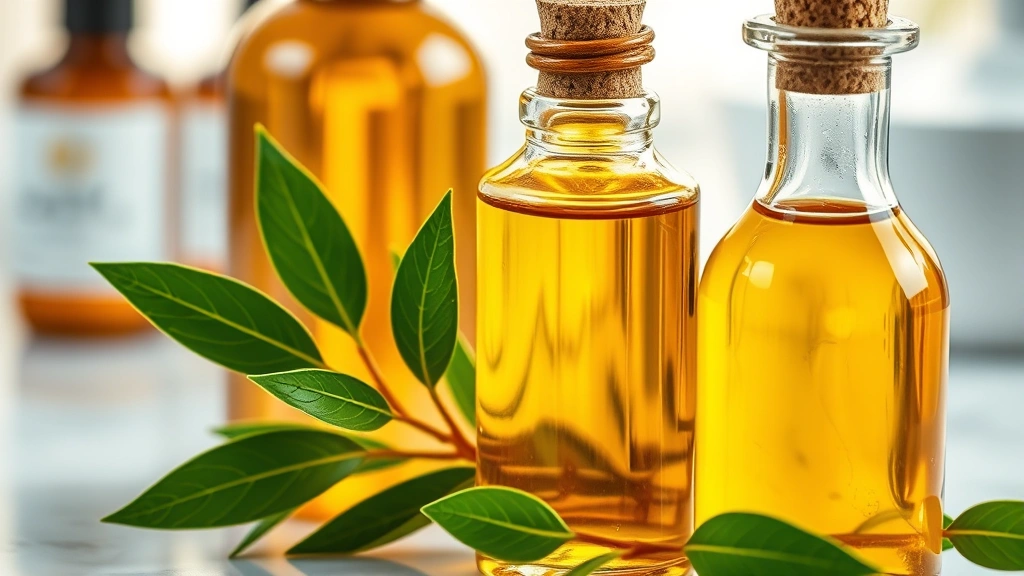
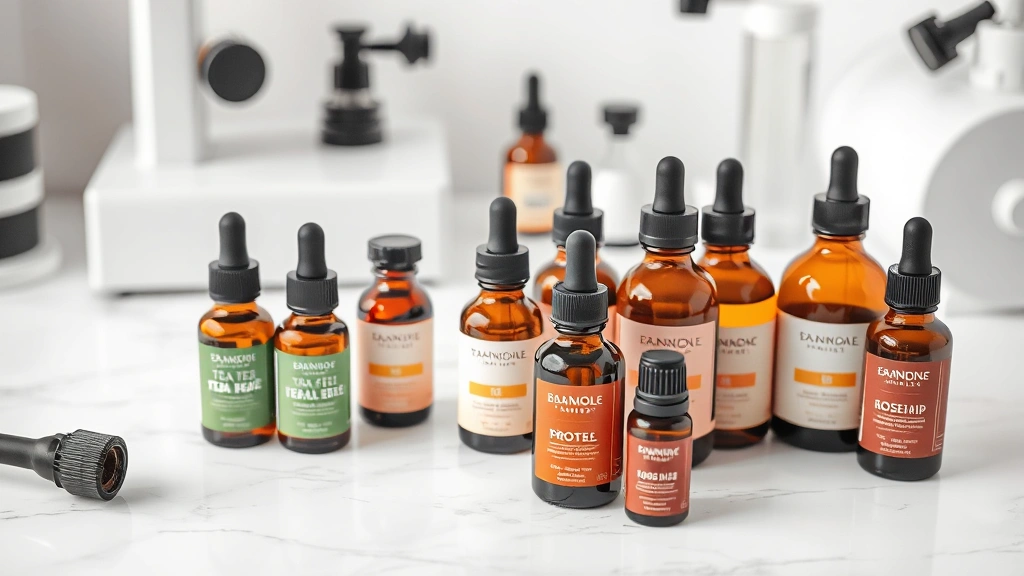
The market offers numerous oils marketed for skin therapy, each with distinct properties and varying levels of scientific support:
- Jojoba Oil: Structurally similar to skin sebum, jojoba oil is non-comedogenic and has shown promise in clinical studies for moisturizing without clogging pores. Research published in peer-reviewed journals indicates modest benefits for both dry and oily skin types.
- Tea Tree Oil: This essential oil contains terpineol and other compounds with documented antimicrobial properties. Multiple studies have demonstrated effectiveness against acne-causing bacteria, though results vary and concentration matters significantly.
- Argan Oil: Rich in vitamin E and fatty acids, argan oil has been studied for its potential to improve skin elasticity and reduce inflammation. Moroccan traditional medicine has used this oil for centuries, and modern research partially validates these uses.
- Coconut Oil: While popular, coconut oil presents a paradox—it’s highly comedogenic for some skin types despite having antimicrobial properties. Research suggests it may benefit certain individuals while worsening acne in others.
- Rosehip Oil: Containing vitamins A and C, rosehip oil has demonstrated potential for reducing scars and improving skin texture in some studies, though larger clinical trials are needed.
- Frankincense Oil: Traditional use in skincare has led to research into its anti-inflammatory properties, with preliminary studies suggesting potential benefits for aging skin and wound healing.
Understanding that “oil” is a broad category helps explain why results vary so dramatically between different products and individuals. One person’s miracle treatment may be another’s skin disaster.

Scientific Evidence and Research
The scientific evidence for oil skin therapy presents a mixed picture. A systematic review published in PubMed Central examined multiple studies on plant-derived oils for dermatological use, finding moderate evidence for certain applications but highlighting significant gaps in research quality and standardization.
Several well-designed studies support specific claims:
- A randomized controlled trial demonstrated that jojoba oil application improved skin hydration in participants with xerotic skin conditions, with benefits comparable to conventional moisturizers.
- Research on tea tree oil’s antimicrobial efficacy shows it can reduce Propionibacterium acnes (now Cutibacterium acnes) populations, though at concentrations higher than found in many commercial products.
- Studies on argan oil indicate potential benefits for skin elasticity and sebum production regulation, though sample sizes remain relatively small.
However, significant limitations exist in the current research landscape. Many studies suffer from small sample sizes, lack proper control groups, or involve funding from oil manufacturers with vested interests. The Cochrane Collaboration, which conducts rigorous systematic reviews of medical evidence, has published limited high-quality reviews specifically on oil therapy for skin conditions.
Publication bias also skews the perceived evidence—positive results are more likely to be published than negative or null findings, creating an inflated perception of effectiveness in the medical literature.
Expert Medical Opinions
Dermatologists and medical professionals offer cautiously measured perspectives on oil skin therapy. The American Academy of Dermatology acknowledges that certain botanical oils contain compounds with potential therapeutic value, but emphasizes the importance of rigorous clinical testing before recommending them as primary treatments.
Dr. Debra Jaliman, a board-certified dermatologist, notes that while some oils can provide moisturizing benefits, they shouldn’t replace evidence-based medical treatments for serious skin conditions. She emphasizes that individual skin chemistry varies dramatically, making personalized assessment essential.
The consensus among dermatological experts generally supports these points:
- Some oils may offer complementary benefits alongside conventional treatments
- Individual skin type and condition dramatically influence effectiveness
- Quality, concentration, and purity of oils vary significantly between products
- More rigorous clinical trials are needed before making strong therapeutic claims
- Some oils may worsen certain conditions, particularly acne-prone skin
Interestingly, many dermatologists distinguish between oils’ cosmetic moisturizing benefits and their therapeutic medical claims. An oil may effectively hydrate skin without treating underlying pathology.
Effectiveness for Specific Conditions
Oil skin therapy shows varying degrees of promise for different conditions:
Acne: Evidence is mixed and condition-dependent. Tea tree oil shows antimicrobial activity, but high concentrations are needed and irritation risk increases. For acne-prone skin, many oils are comedogenic and may worsen outbreaks. Conventional treatments like benzoyl peroxide and retinoids remain the gold standard for evidence-based acne management.
Eczema and Dermatitis: Some oils like jojoba and argan show promise for managing inflammatory skin conditions by supporting the skin barrier. However, for moderate to severe eczema, prescription treatments and medical supervision remain essential. Oils may serve as adjunctive treatments rather than replacements.
Psoriasis: Limited evidence supports oil therapy for psoriasis management. While certain oils have anti-inflammatory properties, psoriasis requires systemic approaches. Some individuals report symptom improvement with oils, but controlled studies remain scarce.
Wound Healing and Scarring: Frankincense and rosehip oils have shown potential in preliminary research for supporting wound healing and reducing scar appearance. However, evidence remains preliminary, and proper wound care protocols should take precedence.
Aging and Anti-Wrinkle: Many oils contain antioxidants and may provide modest moisturizing benefits, but evidence for dramatic anti-aging effects is limited. Clinical evidence supporting prescription retinoids and professional treatments for wrinkles far exceeds evidence for oils.
For those exploring therapy resources and information, understanding these distinctions helps in making evidence-based choices about skin health approaches.
Safety Considerations and Side Effects
While oils are often perceived as “natural” and therefore safe, this assumption requires scrutiny. Several important safety considerations apply:
Allergic Reactions: Essential oils and plant extracts can trigger allergic responses. Tea tree oil, despite its popularity, causes contact dermatitis in some individuals. Patch testing before widespread application is prudent.
Photosensitivity: Certain oils, particularly citrus-derived ones, can increase skin photosensitivity. Application before sun exposure may increase burn risk or trigger hyperpigmentation.
Skin Barrier Disruption: Some oils, especially when used excessively or on sensitive skin, may disrupt the skin’s protective barrier, leading to increased sensitivity and irritation.
Drug Interactions: Some oils may interact with topical medications or prescription treatments. For instance, tea tree oil applied alongside prescription acne treatments might increase irritation.
Contamination Risks: Not all oils are created equal. Poor manufacturing standards can result in contaminated products containing harmful substances or inaccurate concentrations of active compounds.
Internal Consumption Risks: Some individuals consume therapeutic oils internally, which carries significant risks. Many oils are not meant for ingestion, and dosing guidance is often absent or unreliable.
How to Use Oil Therapy Safely
If you choose to explore oil-based skin treatments, following evidence-based practices minimizes risks:
- Patch Test First: Apply small amounts to inconspicuous areas and wait 24-48 hours before broader application to identify allergic reactions.
- Choose Quality Products: Select oils from reputable manufacturers with third-party testing. Look for products that specify concentration levels and extraction methods.
- Start Low and Go Slow: Begin with minimal amounts and gradually increase frequency to allow your skin to adjust and reveal any adverse reactions.
- Consider Your Skin Type: Oily and acne-prone skin types should avoid highly comedogenic oils like coconut oil. Dry skin types may benefit more from occlusive oils like jojoba.
- Use as Complement, Not Replacement: If treating a diagnosed condition, use oils alongside conventional treatments recommended by dermatologists rather than as replacements.
- Avoid Sun Exposure: After applying certain oils, avoid direct sunlight to minimize photosensitivity risks.
- Consult Healthcare Providers: Before using oils alongside medications or for serious skin conditions, discuss with dermatologists or physicians familiar with both conventional and complementary approaches.
Comparing Oil Therapy to Other Treatments
Understanding how oil therapy compares to established alternatives helps contextualize its role in skincare:
Versus Conventional Moisturizers: While some oils provide excellent hydration, many conventional moisturizers combine humectants, emollients, and occlusives in formulations specifically designed for stability and efficacy. Oils offer one component of a complete skincare regimen.
Versus Prescription Treatments: For conditions like moderate acne, eczema, or psoriasis, prescription medications have undergone rigorous FDA testing and demonstrate superior efficacy. Oils lack this level of evidence and shouldn’t replace medically necessary treatments.
Versus Professional Treatments: For anti-aging and scar reduction, professional treatments like chemical peels, microneedling, and laser therapy have stronger evidence bases than topical oils.
Versus Lifestyle Approaches: Interestingly, research demonstrates that sleep quality, stress management, hydration, diet, and sun protection often have greater impact on skin health than any topical application, including oils.
For broader information on therapy cost information and available treatments, understanding the full spectrum of options helps make informed decisions aligned with your health goals and budget.
FAQ
Is oil skin therapy FDA-approved?
Most therapeutic oils are classified as cosmetics rather than drugs by the FDA, meaning they don’t undergo the same rigorous approval process as pharmaceutical treatments. Some oils are recognized as Generally Recognized As Safe (GRAS) for topical use, but this differs from FDA approval for therapeutic claims.
Can oil therapy replace prescription acne treatments?
No. While some oils have antimicrobial properties, prescription acne treatments like benzoyl peroxide, retinoids, and antibiotics have far stronger evidence bases. Oils may serve as complementary treatments but shouldn’t replace evidence-based medical care for moderate to severe acne.
Which oil is best for sensitive skin?
Jojoba oil is generally well-tolerated by sensitive skin types due to its similarity to skin sebum and low irritation potential. However, individual responses vary, making patch testing essential. Those with severe sensitivities should consult dermatologists before trying new products.
How long does it take to see results from oil therapy?
Results vary dramatically depending on the condition, oil type, and individual factors. Moisturizing benefits may appear within days, while effects on conditions like scarring or aging may take weeks to months—if they appear at all. Unrealistic expectations often lead to disappointment.
Are essential oils the same as carrier oils?
No. Essential oils are concentrated plant extracts that typically require dilution before skin application due to potency and irritation risks. Carrier oils like jojoba and argan are milder and can be applied directly. Confusing these categories can lead to skin damage.
Can oil therapy help with hormonal acne?
Oil therapy alone cannot address hormonal acne, which requires addressing underlying hormonal factors. While oils might provide modest antimicrobial or anti-inflammatory benefits, dermatological treatments or hormonal management remain necessary for effective management.
What should I do if oil therapy causes irritation?
Discontinue use immediately and rinse thoroughly with water. If irritation persists or worsens, contact a dermatologist. Some individuals may have genuine allergies or sensitivities that preclude use of specific oils, and professional assessment helps identify safe alternatives.
Is homemade oil therapy safer than commercial products?
Not necessarily. Homemade preparations lack quality control, standardized concentrations, and sterility testing. Commercial products from reputable manufacturers with third-party testing generally offer better safety profiles, though cost is typically higher.
Can I use multiple oils simultaneously?
Combining oils increases risks of adverse reactions and makes it difficult to identify which product causes problems if irritation develops. Starting with single oils and adding others only after establishing tolerance is the safer approach.
Does oil therapy work for all skin types?
No. Oily and acne-prone skin types may experience worsening symptoms with many oils, while dry and sensitive skin types may benefit. Individual variation is substantial, making personalized assessment crucial before recommending any oil therapy approach.