
Does Mindfulness Improve Mental Health? Expert Insights and Scientific Evidence
Mindfulness has become one of the most widely discussed wellness practices in contemporary mental health care, with millions of people adopting meditation and mindful awareness techniques as part of their daily routines. The question of whether mindfulness genuinely improves mental health is no longer purely theoretical—it’s backed by an expanding body of neuroscientific research, clinical trials, and real-world outcomes. This comprehensive guide explores the evidence, mechanisms, and practical applications of mindfulness in mental health treatment.
The growing interest in mindfulness reflects a broader shift toward integrative mental health approaches that complement traditional therapy. Many mental health professionals now incorporate mindfulness-based interventions alongside conventional treatments, recognizing that a holistic approach often yields better results. Understanding how mindfulness works and what the research actually shows can help individuals make informed decisions about incorporating these practices into their mental health regimen.
What Is Mindfulness and How Does It Work?
Mindfulness is fundamentally the practice of maintaining present-moment awareness without judgment. Rather than dwelling on past regrets or future anxieties, mindfulness encourages individuals to observe their thoughts, emotions, and physical sensations as they occur, accepting them without attempting to change or suppress them. This non-reactive observation is what distinguishes mindfulness from other forms of meditation or relaxation techniques.
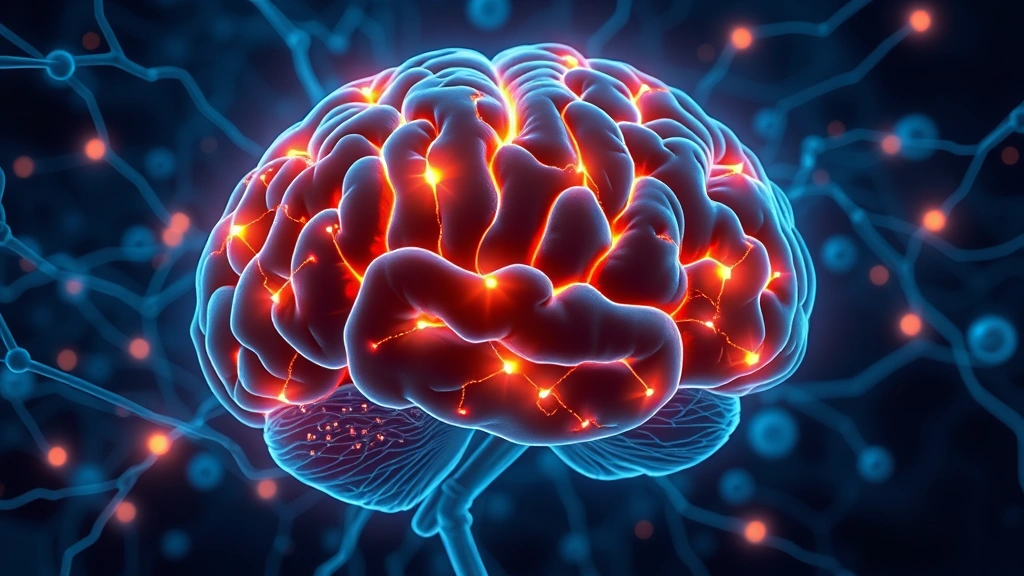
The neurobiological mechanisms underlying mindfulness are increasingly well-understood. When you practice mindfulness, you activate the prefrontal cortex—the region responsible for executive function, emotional regulation, and rational decision-making. Simultaneously, mindfulness reduces activity in the amygdala, the brain’s emotional alarm center that triggers stress responses. This neurochemical shift has measurable consequences for anxiety levels, emotional resilience, and overall psychological well-being.
Research from institutions like the National Institutes of Health has demonstrated that regular mindfulness practice increases gray matter density in regions associated with learning, memory, and emotional processing. These structural brain changes correlate with improvements in attention, emotional regulation, and stress management—benefits that extend far beyond the meditation session itself.

Scientific Evidence Supporting Mindfulness Benefits
The scientific case for mindfulness has strengthened dramatically over the past two decades. Thousands of peer-reviewed studies have documented measurable improvements in mental health outcomes among mindfulness practitioners. A meta-analysis published in JAMA Psychiatry examining over 8,000 participants found that mindfulness-based interventions produced moderate improvements in anxiety and depression comparable to pharmacological treatments for some individuals.
One of the most rigorously studied applications is mindfulness-based stress reduction (MBSR), an eight-week structured program developed by Jon Kabat-Zinn. Clinical trials consistently show that MBSR reduces cortisol levels (the primary stress hormone), lowers blood pressure, and improves emotional regulation. Participants report sustained improvements in quality of life, pain management, and psychological distress even months after completing the program.
The evidence extends across diverse populations and conditions. Students using mindfulness show improved academic performance and reduced test anxiety. Healthcare workers practicing mindfulness experience lower burnout rates. Individuals with chronic pain report improved pain tolerance and reduced suffering. These findings suggest that mindfulness benefits aren’t limited to specific demographics but rather offer broad-spectrum mental health advantages. When exploring comprehensive mental health approaches, you might also consider how therapy resources and information from MindLift Daily can complement your mindfulness practice.
Mindfulness for Anxiety and Depression
Anxiety disorders and depression represent two of the most prevalent mental health challenges globally, affecting hundreds of millions of people. Mindfulness addresses both conditions through distinct but complementary mechanisms. For anxiety, mindfulness interrupts the rumination cycle—the repetitive worried thinking that amplifies anxiety symptoms. By teaching individuals to notice anxious thoughts without engaging with them, mindfulness reduces the reinforcement loop that sustains anxiety disorders.
Depression often involves rumination about past failures and hopelessness about the future. Mindfulness’s emphasis on present-moment awareness naturally counteracts this backward-and-forward mental time travel. Studies show that mindfulness-based cognitive therapy (MBCT), which combines mindfulness with cognitive therapy principles, reduces depression relapse rates by approximately 50 percent in individuals with recurrent depression.
The mechanism appears to involve increased emotional awareness and acceptance. Rather than fighting negative emotions—which paradoxically intensifies them—mindfulness practitioners learn to observe sadness, emptiness, or despair with compassionate curiosity. This shift from struggle to acceptance often paradoxically reduces emotional intensity. Additionally, mindfulness enhances the ability to recognize early warning signs of depressive episodes, enabling earlier intervention before symptoms escalate.
For those seeking professional support, understanding the full spectrum of available treatments is essential. Information about therapy costs and insurance coverage can help you access both mindfulness-based and traditional therapeutic approaches tailored to your needs.
Mindfulness-Based Interventions in Clinical Settings
Healthcare systems worldwide have increasingly integrated mindfulness into standard mental health treatment protocols. Hospitals, clinics, and psychiatric facilities now commonly offer mindfulness-based programs as evidence-based interventions. This institutional adoption reflects the strength of clinical evidence supporting mindfulness effectiveness.
Mindfulness-based stress reduction remains the gold standard, with over 10,000 published studies examining its effects. Beyond MBSR, clinical settings employ mindfulness-based cognitive therapy for depression, acceptance and commitment therapy (which incorporates mindfulness), and dialectical behavior therapy—all of which integrate mindfulness principles into comprehensive treatment frameworks.
The integration of mindfulness with traditional therapy approaches has proven particularly effective. Rather than replacing conventional treatments, mindfulness enhances their efficacy. Therapists report that clients who practice mindfulness develop stronger therapeutic relationships, show greater insight into their patterns, and demonstrate improved treatment compliance. This synergistic effect suggests that combining approaches yields superior outcomes compared to either modality alone.
Professional therapists recognize that different mental health conditions benefit from specialized approaches. For instance, those addressing specific challenges like physical therapy treatment approaches for neurological conditions might combine physical rehabilitation with mindfulness for comprehensive recovery. Similarly, finding speech therapy services for communication-related anxiety can be enhanced through mindfulness practices addressing underlying psychological components.
Practical Mindfulness Techniques for Mental Wellness
Implementing mindfulness doesn’t require extensive training or resources. Several practical techniques have demonstrated effectiveness in research and clinical practice:
- Focused attention meditation: Concentrating on a single anchor—breath, mantra, or sensation—for 10-20 minutes daily. When attention wanders, gently redirect without self-criticism.
- Body scan meditation: Systematically directing attention through different body regions, noticing sensations without judgment. This practice enhances interoceptive awareness and emotional regulation.
- Mindful breathing: Simple breathing exercises where you observe breath naturally, counting breaths or noting inhalation and exhalation characteristics.
- Walking meditation: Bringing mindful awareness to the physical sensations of walking—foot contact, weight shifting, movement—integrating practice into daily activity.
- Loving-kindness meditation: Directing compassionate wishes toward yourself and others, which research shows reduces self-criticism and increases emotional resilience.
- Mindful eating: Consuming meals with full sensory awareness, noticing flavors, textures, and satiety cues—improving both physical health and psychological relationship with food.
Consistency matters more than duration. Research suggests that even 10 minutes of daily practice produces measurable benefits, though longer sessions (20-30 minutes) often yield more substantial improvements. Most practitioners find that establishing a regular routine—practicing at the same time daily—increases adherence and deepens benefits.
Combining Mindfulness with Professional Therapy
While mindfulness offers significant independent benefits, combining it with professional mental health treatment creates a comprehensive approach addressing multiple dimensions of psychological well-being. Professional therapists bring specialized training in diagnosing conditions, identifying underlying causes, and tailoring interventions to individual circumstances.
Cognitive-behavioral therapy (CBT) combined with mindfulness is particularly powerful. CBT addresses thought patterns and behaviors directly, while mindfulness adds the capacity to observe these patterns with detachment rather than reactivity. This combination helps clients both change problematic thinking and develop the psychological flexibility to respond to thoughts differently.
For individuals exploring various therapeutic modalities, understanding different therapy career paths can provide insight into how diverse mental health professionals contribute to comprehensive care. Additionally, knowing about available resources like red light therapy services demonstrates how modern mental health approaches integrate multiple complementary techniques for optimal outcomes.
The relationship between therapist and client becomes a laboratory for practicing mindfulness. Therapists trained in mindfulness help clients observe their defensive patterns, emotional reactions, and relational dynamics in real-time. This immediate application within the therapeutic relationship accelerates learning and integration.
Potential Limitations and Considerations
While mindfulness offers substantial benefits, acknowledging its limitations ensures appropriate application. Mindfulness is not a universal panacea, and certain populations or conditions require additional or alternative approaches.
Some individuals with severe trauma, psychosis, or acute psychiatric crises may find that undirected mindfulness meditation destabilizes rather than calms their mental state. In these cases, trauma-informed modifications or alternative treatments prove more appropriate. Individuals with history of dissociation should approach meditation carefully, as some techniques might inadvertently trigger dissociative episodes.
Mindfulness also requires a baseline capacity for attention and self-reflection. Individuals with severe ADHD may find traditional meditation challenging initially, though adapted mindfulness approaches prove helpful with proper guidance. The expectation that mindfulness should feel peaceful and blissful can create frustration if practitioners encounter difficult emotions or racing thoughts—understanding that mindfulness includes observing all mental states, pleasant and unpleasant, prevents premature abandonment of practice.
Furthermore, mindfulness works best when combined with lifestyle factors supporting mental health: adequate sleep, regular exercise, social connection, and purposeful activity. Relying exclusively on meditation while neglecting these foundational elements limits effectiveness. Additionally, severe mental health conditions like bipolar disorder or schizophrenia typically require pharmacological management alongside mindfulness—meditation alone is insufficient for these neurobiological conditions.
Research from the American Psychological Association emphasizes that mindfulness works best as part of integrated treatment rather than as a standalone intervention for serious mental illness. The evidence clearly indicates that mindfulness enhances conventional treatment effectiveness but doesn’t replace it.
FAQ
How long does it take to experience mindfulness benefits?
Most practitioners notice initial benefits—reduced stress, improved focus, better emotional regulation—within 2-4 weeks of consistent daily practice. More substantial neurological changes and sustained improvements typically emerge after 8 weeks of regular meditation. Research on MBSR participants shows significant improvements over the eight-week program duration, with benefits continuing to increase with ongoing practice.
Can mindfulness replace psychiatric medication?
Mindfulness complements but does not replace psychiatric medication for most conditions. While mindfulness reduces symptoms and improves well-being, individuals with clinical depression, anxiety disorders, bipolar disorder, schizophrenia, or other conditions requiring pharmacological treatment should continue medication as prescribed. Always consult with a psychiatrist before making medication changes. The most effective approach typically combines appropriate medication with mindfulness and therapy.
What’s the difference between mindfulness and meditation?
Mindfulness is the quality of present-moment awareness without judgment, while meditation is a practice used to cultivate mindfulness. You can meditate without developing mindfulness, and you can practice mindfulness throughout daily activities without formal meditation. Meditation is a structured tool; mindfulness is the resulting mental state and capacity developed through consistent practice.
Is mindfulness suitable for children?
Yes, research increasingly supports mindfulness for children and adolescents. School-based mindfulness programs improve focus, reduce anxiety, and enhance emotional regulation in students. However, techniques should be age-appropriate—younger children benefit from shorter sessions (5-10 minutes) using concrete anchors like breathing or body sensations, while adolescents can engage with more sophisticated practices.
Can mindfulness help with chronic pain?
Extensive research confirms that mindfulness effectively reduces suffering from chronic pain. While mindfulness doesn’t eliminate pain sensations, it changes the relationship with pain through acceptance and reduced catastrophizing. Mindfulness-based stress reduction specifically helps chronic pain patients reduce medication dependence and improve quality of life, though it works best combined with physical therapy and medical management.
How does mindfulness compare to antidepressants?
Studies show mindfulness-based cognitive therapy produces comparable benefits to antidepressants for preventing depression relapse. However, for acute depressive episodes, antidepressants often work faster. The most effective approach combines both: medication addresses acute symptoms while mindfulness builds long-term resilience and relapse prevention. Consult healthcare providers about optimal combinations for your specific situation.