
How Can Mindfulness Improve Mental Health? Studies Say
Mindfulness has emerged as one of the most researched and evidence-based approaches to improving mental health in recent decades. This ancient practice, rooted in Buddhist meditation traditions, has been scientifically validated by modern psychology and neuroscience to produce measurable improvements in anxiety, depression, stress, and overall psychological well-being. When you access your therapy resources and information, you’ll find that mindfulness-based interventions are increasingly recommended by mental health professionals as a complementary or standalone treatment option.
The growing body of research demonstrating mindfulness’s effectiveness has led to widespread adoption in clinical settings, corporate wellness programs, and educational institutions worldwide. Studies consistently show that regular mindfulness practice rewires the brain, reduces inflammatory markers associated with stress, and enhances emotional regulation capabilities. Understanding how mindfulness works at both the neurological and psychological levels can help you appreciate why this practice has become central to contemporary mental health care.
What Is Mindfulness and How Does It Work
Mindfulness is the practice of bringing focused, non-judgmental awareness to the present moment. Rather than dwelling on past regrets or future worries, mindfulness training teaches you to observe your thoughts, emotions, and bodily sensations with curiosity and acceptance rather than criticism or resistance. This simple yet profound shift in attention has cascading effects throughout your nervous system and psychological functioning.
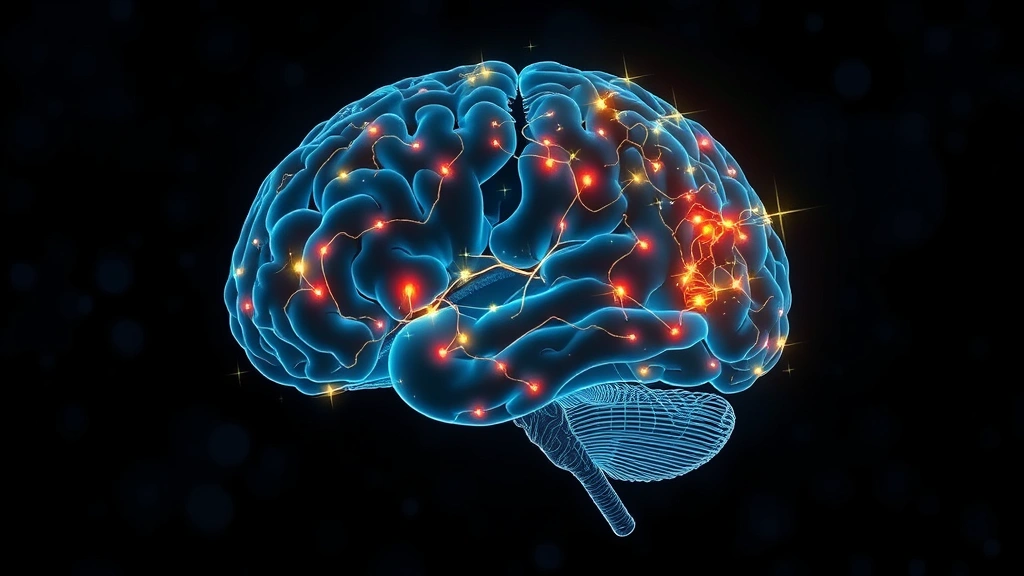
The mechanism through which mindfulness produces mental health benefits operates on multiple levels. At the neurological level, mindfulness practice activates the prefrontal cortex—the brain region responsible for rational thinking, emotional regulation, and executive function. Simultaneously, it dampens activity in the amygdala, your brain’s alarm system responsible for triggering fear and stress responses. This neuroplastic change means that with consistent practice, your brain literally rewires itself to be less reactive and more responsive to life’s challenges.
Psychologically, mindfulness works by creating space between stimulus and response. Viktor Frankl famously said that between stimulus and response there is a space, and in that space lies our freedom. Mindfulness expands that space, allowing you to choose your response rather than being hijacked by automatic reactions. When you’re learning about cognitive behavioral therapy approaches, you’ll notice that mindfulness complements these techniques beautifully by teaching acceptance alongside cognitive restructuring.

Scientific Evidence Supporting Mindfulness
The scientific validation of mindfulness is remarkably robust. A landmark meta-analysis published in JAMA Psychiatry examined 47 trials involving over 3,500 participants and concluded that mindfulness-based interventions showed moderate evidence of effectiveness for anxiety and depression—comparable to pharmaceutical interventions in many cases. This finding has profound implications for how we approach mental health treatment.
The American Psychological Association has endorsed mindfulness-based stress reduction (MBSR) as an evidence-based treatment, recognizing decades of rigorous research demonstrating its efficacy. Brain imaging studies using functional MRI have shown that mindfulness meditation produces measurable changes in gray matter density in regions associated with learning, memory, and emotional regulation.
Research from the Mind and Life Institute has documented that even brief daily mindfulness practice—as little as 10-15 minutes—produces significant improvements in attention, emotional regulation, and overall well-being. Long-term practitioners show even more dramatic benefits, with some studies suggesting that experienced meditators have brain structures that more closely resemble those of individuals with naturally high emotional resilience.
The National Center for Biotechnology Information maintains a comprehensive database of peer-reviewed research on mindfulness, with thousands of studies documenting its effects on depression, anxiety, chronic pain, and numerous other conditions. This unprecedented level of scientific scrutiny has positioned mindfulness as a cornerstone of evidence-based mental health care.
Mindfulness and Anxiety Reduction
Anxiety disorders affect approximately 19% of the American population annually, making them the most common mental health condition. Traditional treatments include medication and psychotherapy, but mindfulness offers a powerful complementary approach with no side effects and increasing scientific support. When you’re exploring your options through a therapy resources and information hub, mindfulness-based anxiety reduction should feature prominently.
The mechanism through which mindfulness reduces anxiety involves several interconnected processes. First, anxiety thrives on avoidance—we become anxious about anxiety itself, creating a vicious cycle. Mindfulness teaches you to observe anxious thoughts and sensations without trying to eliminate them, which paradoxically reduces their power. This acceptance-based approach breaks the avoidance cycle that perpetuates anxiety disorders.
Second, mindfulness activates the parasympathetic nervous system—your body’s natural relaxation response. Through focused breathing and body awareness practices, you can literally shift your physiology from a state of high alert to one of safety and calm. Studies show that mindfulness practitioners develop greater heart rate variability, a marker of nervous system flexibility and resilience.
Third, mindfulness training enhances your ability to distinguish between thoughts and facts. Anxious individuals often treat worried thoughts as absolute truths requiring action. Mindfulness teaches metacognition—the ability to observe your own thinking—allowing you to recognize that thoughts are just mental events, not commands or predictions that must be obeyed.
Depression Management Through Mindfulness
Depression is characterized by rumination—repetitive, negative thinking patterns that reinforce low mood and hopelessness. Mindfulness-based cognitive therapy (MBCT) was specifically developed to address this pattern by combining mindfulness meditation with cognitive therapy principles. This approach has proven remarkably effective for preventing depression relapse, with some studies showing relapse prevention rates comparable to maintenance antidepressant medication.
The key to mindfulness’s antidepressant effects lies in its ability to interrupt rumination. When depressed individuals notice themselves falling into familiar negative thought patterns, mindfulness practice teaches them to gently redirect attention to sensory experience—the feeling of breath, the sensation of feet on the ground, the sounds around them. This grounding technique literally pulls the brain out of the depressive rumination loop and anchors it in present-moment reality.
Additionally, mindfulness cultivates self-compassion, which is profoundly therapeutic for depression. Rather than the harsh self-criticism that characterizes depressive thinking, mindfulness encourages treating yourself with the same kindness you’d offer a good friend. Research shows that self-compassion is a stronger predictor of psychological well-being than self-esteem, making this shift in internal dialogue particularly valuable for depression recovery.
When depression involves reduced motivation and anhedonia (inability to experience pleasure), mindfulness’s emphasis on savoring present-moment experience can help restore capacity for enjoyment. By consciously attending to sensory pleasures—the taste of food, the warmth of sunshine, the beauty of nature—mindfulness practitioners often report renewed ability to experience joy and meaning.
Stress Relief and Cortisol Reduction
Chronic stress is epidemic in modern society, contributing to virtually every major health problem from cardiovascular disease to immune dysfunction to mental health disorders. Mindfulness-based stress reduction (MBSR) is a standardized 8-week program that has become the gold standard for stress management in medical settings. Hospitals, clinics, and corporate wellness programs worldwide have implemented MBSR based on overwhelming evidence of its effectiveness.
The biological mechanism of mindfulness’s stress-relieving effects centers on the hypothalamic-pituitary-adrenal (HPA) axis, your body’s primary stress response system. Chronic stress keeps this system in overdrive, flooding your bloodstream with cortisol and adrenaline. Mindfulness practice dampens HPA axis reactivity, lowering baseline cortisol levels and improving your ability to return to baseline after stress exposure.
Research measuring salivary cortisol—a reliable biomarker of stress physiology—shows that MBSR participants experience significant reductions in cortisol levels after just 8 weeks of practice. These reductions correlate with improvements in sleep quality, immune function, inflammation markers, and subjective stress perception. The effects persist long-term, suggesting that mindfulness creates lasting changes in stress physiology rather than temporary relief.
Beyond cortisol, mindfulness reduces inflammatory markers like C-reactive protein and interleukin-6, which are elevated in chronic stress and associated with depression, anxiety, and numerous medical conditions. This anti-inflammatory effect represents one mechanism through which mindfulness produces broad health benefits. When you’re managing stress alongside other therapeutic needs, exploring treatment options near you can provide complementary approaches to stress relief.
Mindfulness-Based Cognitive Therapy
Mindfulness-based cognitive therapy (MBCT) represents a sophisticated integration of mindfulness meditation with cognitive therapy principles, originally developed for depression relapse prevention and now applied to anxiety, bipolar disorder, chronic pain, and numerous other conditions. MBCT works by teaching you to recognize the early warning signs of mood episodes—the subtle shifts in thinking, emotion, and behavior that precede full-blown depression or anxiety—and respond with mindfulness practices rather than avoidance.
The beauty of MBCT lies in its dual approach. Rather than trying to change or eliminate negative thoughts (the traditional cognitive therapy approach), MBCT teaches you to change your relationship with those thoughts. You learn to observe them without judgment or struggle, recognizing them as mental events rather than facts. Simultaneously, MBCT teaches specific cognitive techniques for situations where thoughts genuinely distort reality, creating a balanced approach.
When you’re exploring comprehensive mental health treatment options, understanding how cognitive behavioral therapy for anxiety disorders integrates with mindfulness can help you choose the most effective approach for your situation. MBCT is particularly valuable for individuals with recurrent depression or anxiety, as it addresses both the acute symptoms and the underlying patterns that perpetuate these conditions.
The standard MBCT program runs 8 weeks with weekly 2-hour sessions plus daily home practice. Participants learn formal meditation practices including body scans and sitting meditation, as well as informal mindfulness practices integrated into daily activities. Homework assignments ensure consistent practice, which is essential for developing the neurological and psychological changes that sustain long-term benefits.
Practical Mindfulness Techniques
Mindfulness doesn’t require special equipment, religious beliefs, or significant time commitments. Practical techniques range from simple 5-minute practices suitable for beginners to advanced meditation practices for experienced practitioners. Starting with basic techniques helps you understand mindfulness and experience its benefits firsthand.
Mindful breathing: This foundational practice involves sitting comfortably and focusing your attention on the natural rhythm of your breath. When your mind wanders—which it will—you gently redirect attention back to breathing without criticism. Even 5-10 minutes daily produces measurable benefits. This simple practice activates your parasympathetic nervous system and trains attention.
Body scan meditation: Lie down comfortably and systematically bring awareness to different parts of your body, from toes to head, noticing sensations without trying to change them. This 20-30 minute practice relieves tension, increases body awareness, and promotes relaxation. It’s particularly helpful for anxiety and sleep problems.
Mindful walking: Rather than walking on autopilot, bring full attention to the physical sensations of walking—the feeling of feet contacting ground, the movement of legs and arms, the wind on your face. This can be practiced for 10 minutes or integrated into your entire day as informal mindfulness.
Loving-kindness meditation: This practice involves systematically directing compassionate wishes toward yourself and others. You mentally repeat phrases like “May I be happy, may I be healthy, may I be safe” and extend these wishes to loved ones, neutral people, difficult people, and eventually all beings. This practice cultivates self-compassion and reduces hostility and rumination.
Mindful eating: Eat a meal or snack with full attention, noticing colors, aromas, textures, and flavors. Eat slowly, chewing thoroughly, and pausing between bites. This informal practice increases enjoyment, improves digestion, and can support healthier eating patterns.
Mindfulness of emotions: When experiencing strong emotions, pause and observe them with curiosity. Where do you feel the emotion in your body? What thoughts accompany it? Rather than acting on emotions automatically, you create space for conscious choice. This is particularly powerful for anxiety and anger management.
Integration with Professional Treatment
While mindfulness is powerful, it works best as part of comprehensive mental health care. If you’re experiencing significant anxiety, depression, or other mental health challenges, mindfulness should complement rather than replace professional treatment. Many therapists now integrate mindfulness into their practice, recognizing its synergistic effects with other therapeutic approaches.
When accessing professional support, understanding your options—from traditional therapy to specialized treatments—helps you make informed decisions. Resources like comprehensive therapy resources and information can help you understand different treatment modalities and find qualified providers. For anxiety disorders specifically, cognitive behavioral therapy for generalized anxiety disorder combined with mindfulness creates a particularly powerful treatment combination.
Psychiatric medication and mindfulness practice also work synergistically. Antidepressants and anti-anxiety medications can stabilize mood and reduce symptoms enough that you can effectively engage in mindfulness practice and therapy. Rather than choosing between medication and mindfulness, the evidence supports using both when clinically indicated. Your psychiatrist or therapist can help determine the optimal combination for your specific situation.
For specialized therapeutic needs, exploring specific treatment options ensures you receive appropriate care. For example, if you’re dealing with speech-related anxiety or communication challenges, finding local speech therapy services alongside mindfulness practice provides comprehensive support. Similarly, if you’re managing complex physical and mental health challenges, integrating different therapeutic approaches—such as physical therapy treatment with mindfulness—creates holistic healing.
Professional therapists trained in mindfulness-based interventions can teach you these practices within the context of understanding your specific mental health needs. They can help you troubleshoot difficulties with practice, deepen your understanding of mindfulness principles, and integrate mindfulness with other therapeutic work. The combination of professional guidance and personal practice maximizes benefits.
FAQ
How long does it take to see benefits from mindfulness practice?
Some people notice benefits after a single session—increased calm, improved focus, or reduced anxiety. However, significant neurological changes and sustained mental health improvements typically emerge after 4-8 weeks of consistent daily practice. Research shows that practicing 10-20 minutes daily produces measurable effects on brain structure and function within 8 weeks. Individual timelines vary based on practice consistency, baseline stress levels, and specific mental health conditions.
Can mindfulness replace psychiatric medication?
For mild to moderate anxiety and depression, mindfulness-based interventions produce benefits comparable to medication in research studies. However, mindfulness should not replace medication without professional guidance. Many people benefit most from combined treatment—medication to stabilize acute symptoms plus mindfulness and therapy for long-term resilience. Your psychiatrist can help determine when medication might be reduced or discontinued as mindfulness practice deepens.
What if I can’t quiet my mind during meditation?
A quiet mind is not the goal of mindfulness. The goal is noticing where your mind goes and gently bringing attention back to the present moment. Your mind will wander—that’s normal and expected. Each time you notice your mind has wandered and redirect attention, you’re strengthening your mindfulness capacity. Restlessness during meditation often indicates you need the practice most.
Is mindfulness religious or spiritual?
While mindfulness originates from Buddhist traditions, the scientific research focuses on secular mindfulness practices stripped of religious elements. You don’t need to believe anything specific or hold any particular worldview to benefit from mindfulness. It’s a practical mental training technique supported by neuroscience. That said, some people find spiritual dimensions meaningful, and that’s perfectly compatible with secular mindfulness practice.
How much mindfulness practice is necessary?
Research suggests that even 5-10 minutes daily produces benefits, though 20-30 minutes daily produces more substantial effects. The key is consistency—daily practice is more valuable than occasional longer sessions. Additionally, informal mindfulness—bringing full attention to everyday activities like eating, walking, or washing dishes—supplements formal meditation and extends benefits throughout your day.
Can mindfulness help with sleep problems?
Yes, mindfulness is highly effective for insomnia and sleep difficulties. Anxiety about sleep, racing thoughts, and physical tension all respond well to mindfulness practice. Body scan meditation and mindful breathing are particularly helpful before bed. Research shows that mindfulness-based interventions produce improvements in sleep quality comparable to sleep medication, without side effects.