
Music Therapy’s Impact on Mental Health: Expert Insights
Music therapy has emerged as a powerful evidence-based intervention for mental health treatment, combining the therapeutic benefits of music with clinical expertise to address emotional, cognitive, and behavioral challenges. As mental health awareness grows globally, the demand for qualified music therapists continues to rise, creating exciting career opportunities in therapeutic fields. This comprehensive guide explores how music therapy transforms mental health outcomes, the science behind its effectiveness, and what professionals need to know about this evolving discipline.
The intersection of music and psychology has fascinated researchers for decades, but only in recent years has music therapy gained recognition as a legitimate clinical practice. Unlike passive listening to music, music therapy involves structured sessions led by certified professionals who use musical interventions to achieve specific therapeutic goals. Whether addressing depression, anxiety, trauma, or neurological conditions, music therapists employ scientifically-validated techniques that harness the brain’s remarkable responsiveness to rhythm, melody, and harmony.
Understanding Music Therapy and Mental Health
Music therapy is defined by the American Music Therapy Association as the clinical use of music to accomplish individualized goals such as reducing stress, improving mood, and enhancing emotional expression within a therapeutic relationship. This definition distinguishes music therapy from recreational music activities or entertainment, emphasizing its clinical foundation and therapeutic intent.
The relationship between music and mental health operates on multiple levels. Psychologically, music can evoke emotions, memories, and cognitive responses that facilitate emotional processing. Physiologically, music influences heart rate, blood pressure, cortisol levels, and neurotransmitter production. Socially, music-making creates connection and community, addressing isolation that often accompanies mental health challenges. These interconnected mechanisms make music therapy particularly valuable for individuals who struggle with traditional talk therapy or benefit from multimodal treatment approaches.
For those interested in pursuing this field, understanding the broader context of therapy resources and career information is essential. The mental health field encompasses numerous specializations, and music therapy represents a unique intersection of artistic expression and clinical practice. Unlike occupational therapy jobs or other rehabilitation specialties, music therapy specifically leverages the therapeutic power of musical engagement.
The Neuroscience Behind Musical Healing
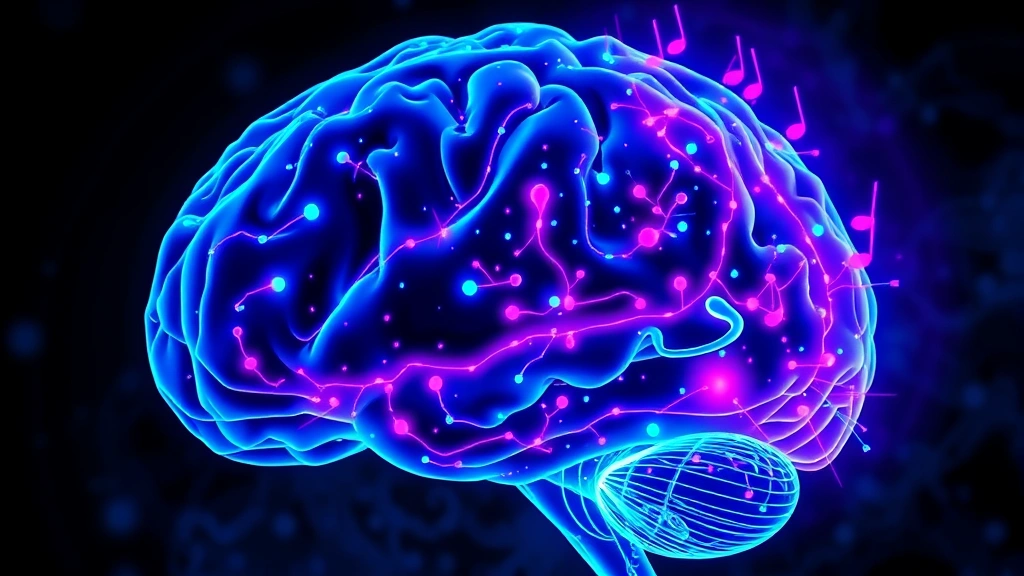
Recent neuroimaging studies have revealed how profoundly music affects the brain. Research published in Nature Reviews Neuroscience demonstrates that listening to and engaging with music activates multiple brain regions simultaneously, including areas responsible for emotion, memory, reward processing, and motor control. When individuals participate in active music-making, such as playing instruments or singing, additional neural pathways activate, creating robust neuroplastic changes.
The reward system plays a crucial role in music’s therapeutic effects. Music listening triggers dopamine release in the striatum, the brain’s reward center, similar to responses observed with food, drugs, or other pleasurable stimuli. This neurochemical response explains why music can be so motivating and mood-enhancing. For individuals with depression or anhedonia, music therapy can jumpstart reward circuitry that has become dysregulated.
Rhythm and entrainment represent another critical mechanism. The brain naturally synchronizes with external rhythmic patterns—a phenomenon called neural entrainment. Music therapists exploit this by using rhythmic patterns to influence heart rate, breathing, and brainwave activity. For anxious clients, slower tempos can calm the nervous system; for lethargic clients, faster rhythms can energize and mobilize.
Memory networks activated by music are particularly robust. The brain regions storing musical memories often remain relatively intact even in advanced dementia, which is why individuals with Alzheimer’s can recall songs and associated memories long after other cognitive functions decline. This neurological reality has made music therapy invaluable in geriatric mental health settings.
Understanding these mechanisms is essential for aspiring music therapists and those researching therapy costs and treatment modalities. The scientific foundation of music therapy justifies insurance coverage and clinical implementation.
Evidence-Based Applications for Mental Health Conditions
Depression and Mood Disorders
Clinical trials demonstrate that music therapy reduces depressive symptoms as effectively as some pharmaceutical interventions. A meta-analysis in PubMed Central examining 25 randomized controlled trials found that music therapy produced moderate to large effect sizes for depression reduction. Active music engagement—playing instruments or singing—proved more effective than passive listening alone, suggesting that active participation amplifies therapeutic benefits.
Music therapy addresses depression through multiple pathways: improving mood through dopamine activation, providing structure and purpose, facilitating emotional expression that talk therapy alone might not access, and building social connection through group music-making activities.
Anxiety and Stress Disorders
Music’s calming effects on the autonomic nervous system make it particularly valuable for anxiety treatment. Studies show that listening to carefully selected music reduces cortisol levels, lowers blood pressure, and decreases heart rate—all markers of reduced anxiety. For individuals with generalized anxiety disorder, social anxiety, or panic disorder, music therapy provides both immediate symptom relief and long-term coping strategies.
The predictability and structure of music—particularly classical and ambient genres—help anxious individuals feel more grounded and safe. Progressive music therapy interventions teach clients to use music independently for self-regulation, extending benefits beyond therapy sessions.
Post-Traumatic Stress Disorder (PTSD)
Music therapy has emerged as an effective adjunctive treatment for PTSD, particularly for military veterans and trauma survivors. The U.S. Department of Veterans Affairs now includes music therapy in evidence-based PTSD treatment protocols. Music therapy helps trauma survivors by providing non-verbal outlets for processing traumatic memories, regulating nervous system responses to triggers, and rebuilding emotional safety.
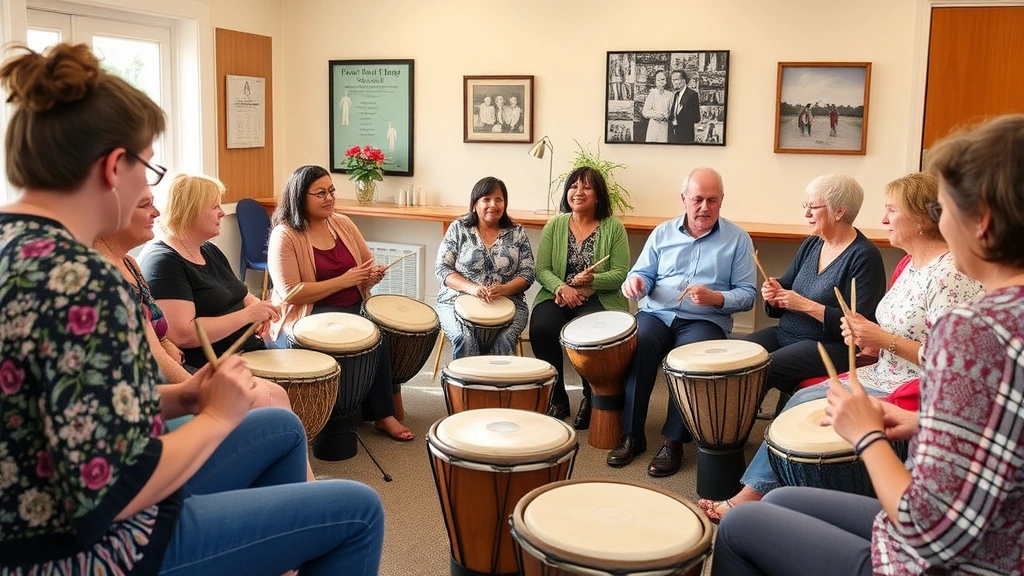
Drumming circles and rhythm-based interventions have proven particularly effective with trauma populations, as they provide sensorimotor engagement without requiring verbal processing of traumatic content.
Autism Spectrum Disorder and Developmental Conditions
Music therapy has demonstrated remarkable effectiveness for individuals with autism spectrum disorder, improving social communication, reducing anxiety, and enhancing emotional regulation. The structured, predictable nature of music appeals to many autistic individuals, while the social elements of group music-making provide scaffolding for social skill development.
For children with developmental delays, music therapy integrates seamlessly with other therapeutic approaches like physical therapy for cerebral palsy and speech interventions, creating comprehensive treatment plans that address multiple developmental domains.
Substance Use Disorders
Music therapy addresses the psychological and neurological components of addiction by providing healthy reward experiences, facilitating emotional processing without substances, and building community support. Research shows music therapy reduces cravings, supports emotional regulation during recovery, and addresses co-occurring depression and anxiety that often accompany addiction.
Music Therapy Career Pathways and Job Market
The job market for music therapists continues expanding as recognition of music therapy’s clinical efficacy grows. Understanding career pathways is essential for those considering this profession or exploring related therapy career opportunities.
Educational Requirements
Becoming a board-certified music therapist requires specific educational credentials. Aspiring music therapists must complete a bachelor’s degree in music therapy from an accredited program, which typically includes music theory, performance, psychology, anatomy, neuroscience, and clinical coursework. Following graduation, candidates must complete 1,000 to 1,500 hours of clinical internship and pass the Certification Board for Music Therapists (CBMT) examination.
This rigorous training ensures that music therapists possess both musical expertise and clinical competency, distinguishing them from musicians who might use music therapeutically without formal training.
Employment Settings and Music Therapy Job Listings
Music therapists work across diverse settings, directly impacting job availability and specialization options. Common employment settings include:
- Mental health clinics and psychiatric hospitals
- Rehabilitation facilities and long-term care settings
- Schools and educational institutions
- Pediatric hospitals and medical centers
- Correctional facilities
- Community mental health centers
- Private practice
- Hospice and palliative care programs
When searching for music therapy job listings, candidates should explore positions advertised through professional organizations like the American Music Therapy Association, national job boards, and healthcare facilities’ human resources departments. The diversity of settings means career opportunities span urban medical centers, rural community programs, and specialized clinical environments.
Salary and Job Growth
The U.S. Bureau of Labor Statistics projects growth in rehabilitation and therapeutic professions, with music therapy experiencing stronger growth than average. Entry-level positions typically offer salaries between $35,000 and $45,000, while experienced music therapists in specialized settings or private practice earn $55,000 to $70,000 or more annually. Geographic location, specialization, and credentials significantly influence earning potential.
Integrating Music Therapy into Mental Health Treatment
Successful mental health treatment increasingly relies on integrative approaches combining multiple therapeutic modalities. Music therapy integrates effectively with cognitive-behavioral therapy, psychodynamic therapy, speech therapy and other rehabilitation services, and psychiatric medication management.
Collaborative Treatment Planning
Music therapists work collaboratively with psychiatrists, psychologists, social workers, and other mental health professionals to develop comprehensive treatment plans. The music therapist’s assessment identifies clients’ musical preferences, cognitive and emotional functioning, and therapeutic goals, which then inform specific musical interventions.
This collaborative approach ensures that music therapy complements rather than conflicts with other treatments, maximizing therapeutic synergy.
Assessment and Outcome Measurement
Professional music therapists employ standardized assessment tools and outcome measures to track treatment effectiveness. Assessments might evaluate emotional expression, social engagement, cognitive functioning, and symptom reduction. Regular outcome measurement ensures accountability and allows treatment adjustments based on client progress.
Cultural Competence and Individualization
Effective music therapy respects cultural backgrounds and individual musical preferences. A music therapist working with diverse populations understands how different cultures relate to music and incorporates culturally relevant musical styles into treatment. This personalization increases engagement and therapeutic effectiveness.
Challenges and Future Directions
Current Challenges
Despite growing evidence, music therapy faces several challenges. Insurance reimbursement remains inconsistent across regions and insurance types, limiting accessibility for some clients. Public awareness of music therapy’s clinical applications remains limited, with many people viewing music therapy as recreational rather than clinical. Additionally, the relatively small number of credentialed music therapists limits availability in many geographic areas.
Funding for music therapy research, while improving, remains limited compared to pharmaceutical and psychological interventions. This funding gap hinders the generation of the large-scale, long-term studies that could further strengthen music therapy’s evidence base.
Emerging Research and Future Applications
Future research directions include investigating music therapy’s effectiveness for emerging mental health challenges like internet addiction and climate anxiety, exploring virtual and teletherapy delivery models, and investigating optimal dosing and treatment duration. Neuroimaging research continues revealing music’s neural mechanisms, potentially identifying biomarkers that predict treatment response.
Technology integration represents another frontier, with researchers exploring how virtual reality, biofeedback, and AI-enhanced music personalization might enhance music therapy’s effectiveness. These innovations could expand access while maintaining clinical rigor.
The intersection of music therapy with precision medicine—tailoring treatments to individual neurobiological profiles—promises more targeted, effective interventions. As psychological science advances, music therapy will likely become increasingly integrated into standard mental health treatment protocols.
FAQ
What is the difference between music therapy and music medicine?
Music therapy involves a trained therapist using music within a therapeutic relationship to address specific goals, requiring assessment and individualized treatment planning. Music medicine refers to the application of pre-recorded music to achieve specific physiological outcomes, such as using music to reduce pain during medical procedures. Music medicine doesn’t require a therapist-client relationship but does require understanding music’s physiological effects.
Can music therapy replace psychiatric medication?
Music therapy works best as a complementary treatment alongside psychiatric medication rather than as a replacement. While research shows music therapy reduces symptoms of depression, anxiety, and other conditions, individuals should not discontinue prescribed medications without medical consultation. Music therapy and medication often work synergistically, with music therapy addressing emotional and behavioral symptoms while medication manages neurochemical imbalances.
How long does music therapy treatment typically last?
Treatment duration varies widely based on individual needs, diagnoses, and treatment goals. Some individuals benefit from short-term music therapy (8-12 sessions), while others engage in long-term treatment (6 months to years). Music therapists develop individualized treatment plans specifying expected duration and frequency of sessions.
What qualifications should I look for in a music therapist?
Seek music therapists with board certification from the Certification Board for Music Therapists (CBMT), indicated by the credential MT-BC (Music Therapist-Board Certified). Verify that their education came from an accredited music therapy program and ask about their experience with your specific condition or population.
Is music therapy covered by insurance?
Music therapy coverage varies significantly by insurance plan and geographic location. Some insurance companies cover music therapy when prescribed by a physician as part of medical treatment, while others don’t cover it. Check with your specific insurance provider and inquire whether your therapist accepts your insurance.
How do I find music therapy job listings?
Search music therapy job listings through the American Music Therapy Association’s job board, general healthcare job sites like Indeed and LinkedIn, facility-specific websites, and networking within professional music therapy communities. Many positions are filled through professional networks, so joining associations and attending conferences increases opportunities.