
Music Therapy’s Role in Mental Health: Expert Insights
Music has been intertwined with human healing practices for thousands of years, yet only in recent decades has it gained recognition as a legitimate clinical intervention. Music therapy represents a unique convergence of art and science, where trained professionals use musical elements—rhythm, melody, harmony, and timbre—to address physical, emotional, cognitive, and social needs. The growing body of peer-reviewed research demonstrating music therapy’s efficacy has transformed it from a complementary practice into an evidence-based healthcare modality recognized by major medical institutions worldwide.
The mental health crisis affecting millions globally has prompted healthcare systems to explore diverse therapeutic approaches. Music therapy stands out because it bypasses traditional talk-therapy barriers, engaging the brain through multiple sensory pathways simultaneously. Whether addressing anxiety, depression, trauma, or neurodevelopmental disorders, music therapists employ scientifically validated techniques that produce measurable neurochemical changes. This comprehensive guide explores the intersection of music therapy and mental health treatment, examining how this powerful intervention works, what research reveals about its effectiveness, and the expanding career opportunities in the field through music therapy job listings that are increasingly available across healthcare settings.
Understanding Music Therapy as Clinical Practice
Music therapy is fundamentally different from simply listening to music for relaxation or enjoyment. The American Music Therapy Association defines it as a clinical use of music to accomplish individualized goals within a therapeutic relationship by a credentialed professional. This distinction matters significantly because it establishes music therapy as a regulated healthcare profession requiring specialized education, certification, and adherence to ethical standards.
Certified Music Therapists (MT-BC) complete rigorous training including a bachelor’s degree with specific coursework in music, psychology, biology, and therapeutic techniques. They study human development, pathology, medical and psychiatric conditions, pharmacology, and research methodologies. This comprehensive education enables therapists to assess clients’ needs, design individualized treatment plans, implement evidence-based interventions, and document progress using clinical outcome measures. The certification process ensures practitioners understand when music therapy is appropriate and when referral to other specialists is necessary.
The practice settings for music therapists continue to expand, creating diverse career opportunities similar to other therapy professions. Mental health clinics, psychiatric hospitals, rehabilitation centers, schools, private practice, and community mental health organizations all employ music therapists. Some professionals work in forensic settings, correctional facilities, or specialized programs for trauma survivors. This diversity of settings reflects growing recognition of music therapy’s versatility in addressing various mental health needs across the lifespan.

Neurobiological Mechanisms Behind Music’s Healing Power
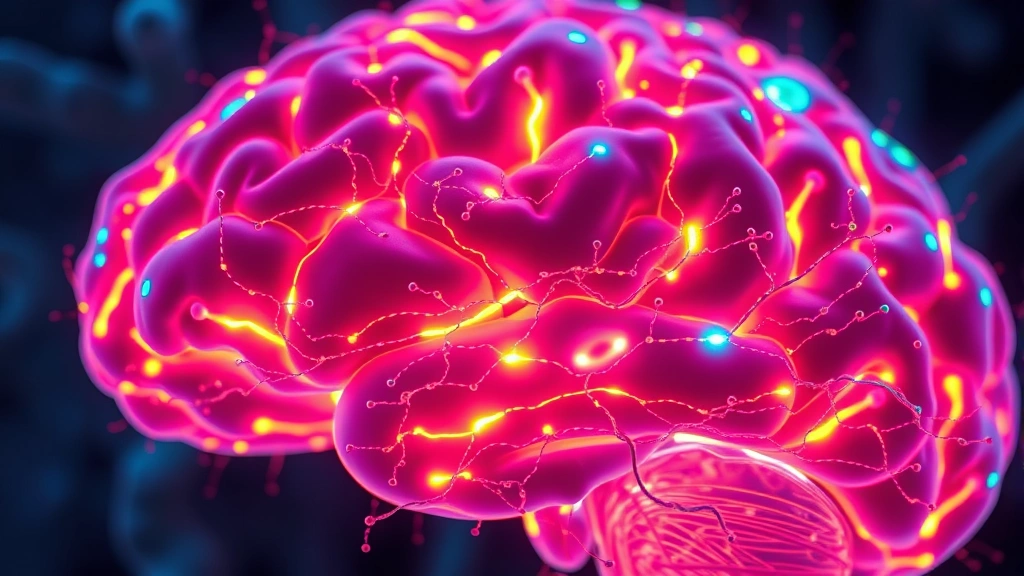
The mechanisms through which music influences mental health operate at multiple neurological levels, engaging brain regions responsible for emotion regulation, reward processing, and stress response. When individuals engage with music—whether through listening, playing instruments, singing, or moving to rhythm—profound neurochemical cascades initiate throughout the central nervous system.
Music activates the release of dopamine, the neurotransmitter associated with pleasure, motivation, and reward. Research using positron emission tomography (PET) imaging demonstrates that listening to preferred music triggers dopamine release in the nucleus accumbens, the brain’s reward center. This neurochemical response explains why music can provide immediate mood elevation and motivation enhancement. For individuals struggling with depression, where dopamine dysregulation contributes to anhedonia (inability to experience pleasure), music therapy offers a non-pharmacological avenue to stimulate these reward pathways.
Beyond dopamine, music influences serotonin levels, the neurotransmitter implicated in mood regulation, sleep, and anxiety management. Cortisol, the primary stress hormone, demonstrates measurable decreases when individuals engage with music, particularly when the music matches their preferred style and tempo. The prefrontal cortex, responsible for executive function and emotional regulation, shows enhanced activity during musical engagement, suggesting that music therapy can strengthen cognitive control over emotional responses.
The vagus nerve, a critical component of the parasympathetic nervous system responsible for the “rest and digest” response, responds directly to musical rhythm and acoustic properties. Therapists strategically employ music with specific tempos and frequencies to activate vagal tone, shifting clients from hyperarousal states (anxiety, panic) toward parasympathetic activation characterized by reduced heart rate, normalized breathing, and psychological calm. This physiological mechanism proves particularly valuable for anxiety disorders and post-traumatic stress disorder.
Music Therapy Applications for Mental Health Conditions
The versatility of music therapy extends across the full spectrum of mental health conditions, with specific techniques tailored to each disorder’s neurobiological and psychological characteristics.
Depression and Major Depressive Disorder: Music therapy addresses depression through multiple pathways. Active music-making (playing instruments or singing) engages motor systems and provides achievable accomplishment experiences that counter depressive hopelessness. Receptive music listening activates reward circuitry through dopamine release. Lyric analysis and songwriting enable clients to process emotions and access insight. Group drumming circles provide social connection, addressing isolation that often accompanies depression. The structured nature of musical engagement also provides behavioral activation, moving depressed individuals toward activity despite low motivation.
Anxiety Disorders: Music’s capacity to modulate arousal states makes it particularly effective for anxiety treatment. Therapists use slow-tempo, consonant music to activate parasympathetic responses, reducing physiological anxiety symptoms. Progressive muscle relaxation paired with calming music combines somatic and auditory input for enhanced anxiety reduction. Improvisation on instruments allows clients safe expression of anxious emotions while developing control through musical structure. For social anxiety, group music-making provides graded exposure to social interaction within a structured, non-threatening context.
Post-Traumatic Stress Disorder: Trauma survivors often experience dysregulated nervous systems cycling between hyperarousal and dissociation. Rhythmic entrainment—synchronizing bodily responses to consistent musical rhythm—helps stabilize nervous system function. Songwriting enables trauma processing and narrative reconstruction. Receptive music listening with careful tempo and intensity selection supports emotional regulation. The non-verbal nature of music bypasses the language centers that trauma can disrupt, providing access to healing even when verbal processing feels impossible.
Bipolar Disorder: Music therapy supports mood stabilization and relapse prevention. During manic episodes, slower-tempo music and structured musical activities help reduce racing thoughts and hyperactivity. During depressive episodes, more energetic music and active music-making provide behavioral activation. Music journaling tracks mood patterns and identifies triggers. The predictable structure of musical form provides cognitive organization that can stabilize mood cycling.
Schizophrenia and Psychotic Disorders: Music therapy offers benefits for both positive and negative symptoms. Active music participation improves social engagement and addresses negative symptoms like social withdrawal and emotional flattening. Structured musical activities enhance cognitive organization and reality testing. The emotional safety of musical expression may reduce paranoia and agitation. Research indicates music therapy reduces aggressive behavior in psychotic patients and improves treatment engagement.
Evidence-Based Research and Clinical Outcomes
The scientific foundation supporting music therapy has strengthened dramatically over the past two decades, with numerous randomized controlled trials demonstrating measurable mental health improvements. The quality of research has also advanced, with larger sample sizes, appropriate control groups, and validated outcome measures establishing music therapy’s credibility within evidence-based medicine.
Cochrane systematic reviews examining music therapy for schizophrenia indicate significant benefits for social functioning and symptom reduction when music therapy supplements standard psychiatric treatment. Meta-analyses of anxiety intervention studies consistently demonstrate that music-based interventions produce anxiety reductions comparable to or exceeding some pharmacological approaches, without the side effect burden.
Depression studies reveal that music therapy produces antidepressant effects measurable through standardized assessment instruments like the Beck Depression Inventory and Hamilton Depression Rating Scale. A pivotal finding involves music therapy’s capacity to produce sustained improvements—effects that persist and sometimes strengthen after treatment concludes, unlike some pharmacological interventions that require continuous administration.
Neuroimaging studies using functional magnetic resonance imaging (fMRI) and positron emission tomography (PET) reveal that music therapy produces brain activation patterns associated with improved emotion regulation, reward processing, and social cognition. These objective neurobiological measures validate subjective clinical improvements, demonstrating that music therapy’s benefits represent genuine physiological changes rather than placebo effects.
The American Psychological Association recognizes music therapy as an evidence-based intervention for multiple mental health conditions. Insurance companies increasingly cover music therapy services, reflecting growing acceptance of research demonstrating return on investment through improved outcomes and reduced hospitalization rates. Healthcare systems incorporating music therapy report decreased medication requirements, reduced aggressive incidents in psychiatric units, and improved patient satisfaction scores.
Music Therapy Career Pathways and Professional Development
The expanding recognition of music therapy’s clinical value has created substantial career growth, with the Bureau of Labor Statistics projecting above-average employment expansion in music therapy and related fields. Professionals entering this field navigate specific educational pathways and credentialing requirements that ensure competence and maintain professional standards.
Entry into music therapy requires completion of a bachelor’s degree from an accredited music therapy program approved by the American Music Therapy Association. These programs integrate rigorous music training with clinical coursework in psychology, neurobiology, pharmacology, and human development. Students complete approximately 1,200 hours of direct clinical practice through internships in diverse mental health settings. This comprehensive preparation distinguishes music therapy from adjacent fields like recreational music or music education.
Following degree completion, graduates pursue national certification through the Certification Board for Music Therapists (CBMT), earning the Music Therapist-Board Certified (MT-BC) credential. Certification requires passing a comprehensive examination assessing knowledge of music therapy practice, research, ethics, and clinical application. This credential signals to employers and clients that the professional meets established competency standards and adheres to ethical practice guidelines.
Advanced career development opportunities include master’s degree programs offering specialization in specific populations or techniques, doctoral training for those pursuing research or academic positions, and specialized credentials in areas like neurologic music therapy. Many music therapists pursue continuing education through professional organizations and training institutes to stay current with emerging research and expanding therapeutic applications.
The music therapy job listings landscape reflects diverse employment opportunities spanning mental health clinics, psychiatric hospitals, rehabilitation facilities, educational institutions, private practice, and community organizations. Some professionals establish independent practices, contracting with multiple facilities or accepting private clients. Others pursue integrated roles within multidisciplinary mental health teams. The flexibility of music therapy careers accommodates various professional preferences and lifestyle considerations.
Integration with Traditional Mental Health Treatment
Music therapy achieves maximum effectiveness when thoughtfully integrated with other mental health interventions rather than offered in isolation. Multidisciplinary treatment teams combining psychiatry, psychology, music therapy, and social work address mental health conditions from multiple perspectives, leveraging each discipline’s unique contributions.
In psychiatric settings, music therapy complements psychopharmacology by supporting medication adherence and reducing side effects. Some clients experience medication-induced emotional blunting or anhedonia; music therapy’s capacity to activate reward pathways can partially offset these iatrogenic effects. Therapists communicate with prescribing physicians about clinical observations, such as whether certain musical elements exacerbate or ameliorate symptoms, enabling collaborative treatment optimization.
Music therapy integrates seamlessly with psychotherapeutic approaches including cognitive-behavioral therapy (CBT), dialectical behavior therapy (DBT), and trauma-focused cognitive behavioral therapy (TF-CBT). Therapists use songwriting to externalize thoughts and beliefs, providing material for cognitive restructuring. Music improvisation develops distress tolerance skills central to DBT. Rhythm and movement paired with music support body-based trauma processing aligned with somatic therapies. This integration multiplies therapeutic effectiveness through synergistic mechanisms.
In educational settings serving students with mental health challenges, music therapy supports academic success by addressing underlying emotional and behavioral barriers to learning. School-based music therapists collaborate with counselors, special educators, and classroom teachers to create comprehensive support systems. Similar collaboration occurs in correctional settings, where music therapy reduces institutional violence and supports rehabilitation alongside counseling and education programs.
Professional boundaries and clear communication ensure effective collaboration. Music therapists understand their scope of practice and refer clients to other specialists when conditions exceed music therapy’s capacity. They document treatment progress using standardized outcome measures that other team members understand, facilitating data-driven decision-making about treatment modifications. This professional integration reflects music therapy’s maturation as a clinical discipline embedded within broader healthcare systems rather than existing as an isolated practice.
Frequently Asked Questions
What is the difference between music therapy and music medicine?
Music therapy involves a trained therapist using music within a therapeutic relationship to address identified treatment goals, while music medicine refers to the application of music to influence physiological responses—such as playing calming music in hospital settings—without necessarily involving a therapeutic relationship or personalized treatment plan. Music therapists provide assessment, individualized treatment planning, and documentation of progress; music medicine is more general wellness application.
Can music therapy treat severe mental illness like schizophrenia?
Music therapy cannot replace antipsychotic medications necessary for managing psychotic symptoms, but research demonstrates it effectively supplements psychiatric treatment. When integrated with medication and psychotherapy, music therapy reduces negative symptoms, improves social engagement, decreases agitation, and enhances treatment compliance. It represents a valuable component of comprehensive care rather than a standalone treatment.
How long does music therapy treatment typically last?
Treatment duration varies significantly based on condition severity, goals, and treatment setting. Some clients benefit from short-term interventions (4-8 weeks) addressing specific issues like acute anxiety or grief. Others require longer-term treatment (months to years) for chronic conditions like schizophrenia or complex trauma. Therapists regularly assess progress and adjust treatment plans accordingly, potentially transitioning clients to maintenance sessions once primary goals are achieved.
What qualifications should I verify when selecting a music therapist?
Verify that the therapist holds the MT-BC (Music Therapist-Board Certified) credential from the Certification Board for Music Therapists, indicating completion of accredited education and national certification examination. Confirm they completed a bachelor’s degree from an AMTA-approved program and completed required clinical internship hours. Ask about their specific experience treating your particular condition and their continuing education in evidence-based practices.
Does insurance cover music therapy?
Coverage varies by insurance plan and location. Many major insurance companies cover music therapy when prescribed by a physician and provided by a certified music therapist in appropriate clinical settings. Some plans require documentation of medical necessity and specific diagnoses. Coverage often depends on whether the service is provided in a hospital, clinic, or private practice setting. Verify coverage with your specific insurance provider before beginning treatment.
How does music therapy differ from simply listening to music at home?
While personal music listening provides benefits, music therapy involves professional assessment, individualized treatment planning, and skilled application of specific techniques. A music therapist selects music strategically based on your neurobiological responses, guides active participation, monitors physiological and psychological changes, and adjusts interventions based on progress. The therapeutic relationship, professional expertise, and systematic treatment approach distinguish music therapy from general music listening.