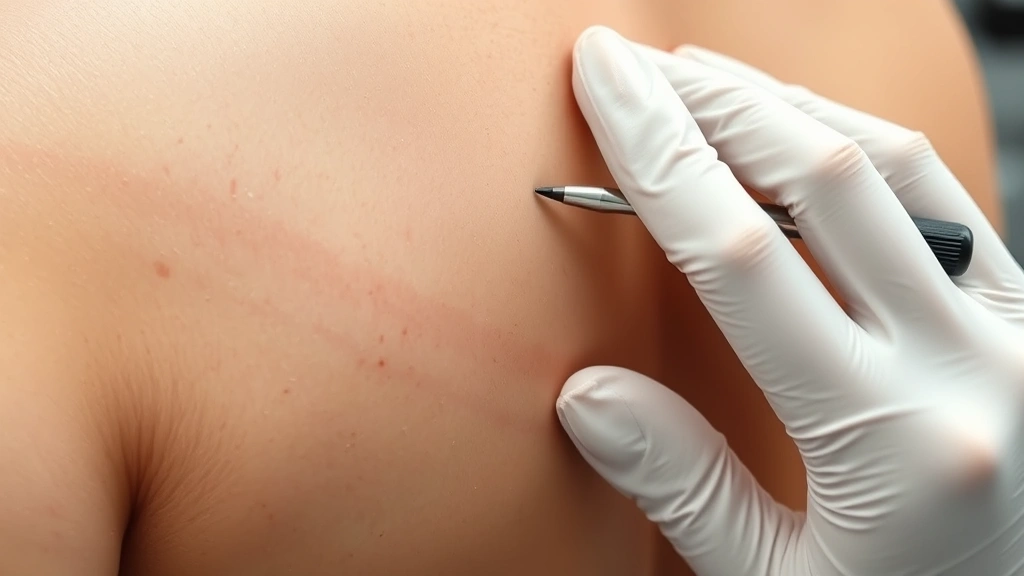
Does Mederma Work for Stretch Marks? Expert Insights and Evidence-Based Analysis
Stretch marks are a common concern affecting millions of people worldwide, appearing as linear scars on the skin when it stretches rapidly due to pregnancy, weight gain, growth spurts, or muscle development. Many individuals seeking solutions turn to topical treatments like Mederma, hoping for visible improvement in the appearance of these marks. However, the question of whether Mederma truly works for stretch marks requires a careful examination of scientific evidence, product composition, and realistic expectations about what over-the-counter remedies can achieve.
The cosmetic dermatology market is flooded with products claiming to reduce stretch marks, yet consumers often find themselves disappointed with results. Understanding the science behind stretch mark formation and how products like Mederma function is essential for making informed decisions about your skincare investments. This comprehensive guide explores the efficacy of Mederma for stretch marks, comparing it with alternative treatments and providing expert insights into what actually works.
Understanding Stretch Marks: Formation and Types
Stretch marks, medically known as striae distensae, form when the dermis (the middle layer of skin) tears due to rapid stretching. When skin expands quickly, the collagen and elastin fibers that provide structural support cannot keep pace with the expansion, resulting in microscopic tears. The body attempts to repair these tears, but the resulting scar tissue appears different from surrounding skin, creating the characteristic linear patterns.
There are two primary types of stretch marks: red or purple marks (striae rubra) that are newer and indicate active inflammation, and white or silver marks (striae alba) that are older and represent mature scar tissue. The appearance and treatability of stretch marks depends significantly on their age, depth, and individual skin characteristics. Newer stretch marks are generally more responsive to treatment because they still have active inflammation and increased blood flow to the area.
Common causes of stretch marks include pregnancy, rapid weight gain or loss, puberty-related growth spurts, muscle building, and certain medical conditions. Understanding these causes helps explain why topical treatments have limitations—stretch marks are fundamentally a structural issue within the dermis, a layer that most topical products struggle to penetrate effectively. This is a crucial point when evaluating whether products like Mederma can deliver meaningful results.
What Is Mederma and How Does It Work
Mederma is an over-the-counter topical gel formulated with onion extract (derived from the bulb of the onion plant) as its primary active ingredient. The product also contains other components including thimerosal (a preservative), fragrance, and various emollients designed to hydrate the skin. Mederma has been marketed for several decades as a solution for improving the appearance of scars, including stretch marks, and has become one of the most recognized scar treatment products in the consumer market.
The manufacturer claims that Mederma works by promoting skin healing and reducing the appearance of scars through its proprietary onion extract formula. The theory behind onion extract’s efficacy is that it may have anti-inflammatory properties and could potentially stimulate collagen remodeling. However, the actual mechanism of action remains somewhat unclear, and independent scientific validation has been limited. The product is designed to be applied topically, directly to affected skin areas, typically requiring consistent application over several months.
Mederma’s formulation is relatively simple compared to prescription-strength scar treatments available through dermatologists. The product is easily accessible without a prescription, making it an attractive first-line option for many consumers. However, accessibility and popularity do not necessarily correlate with clinical efficacy, particularly for challenging conditions like stretch marks. Understanding the limitations of topical treatments is essential before investing time and money in Mederma therapy for stretch mark reduction.
Scientific Evidence Behind Mederma
The scientific evidence supporting Mederma’s effectiveness for stretch marks is surprisingly limited and mixed. A landmark study published in the Journal of Cosmetic Dermatology examined the efficacy of onion extract-based products like Mederma and found minimal evidence supporting their use for scar improvement. While some studies have shown modest benefits for certain types of scars, the research specifically addressing stretch marks is less conclusive.
One of the primary challenges with Mederma research is that many studies are sponsored by the manufacturer or conducted with small sample sizes, which can introduce bias. Independent, large-scale clinical trials comparing Mederma to placebo have shown that improvements in stretch mark appearance may be largely attributable to natural healing over time rather than the product itself. Additionally, studies have noted that moisturizing the skin alone—using any basic emollient—can produce similar cosmetic improvements to Mederma application.
Dermatologists frequently emphasize that while Mederma is not harmful, it is also not particularly effective for stretch marks specifically. The onion extract may provide minor anti-inflammatory benefits and skin hydration, but these effects are insufficient to significantly remodel the structural damage characteristic of stretch marks. Research from the American Academy of Dermatology suggests that professional treatments offer substantially better outcomes for visible stretch mark reduction than topical over-the-counter products.
The fundamental issue is that stretch marks are dermal injuries requiring intervention at the collagen and elastin level, not merely surface-level skin conditions. Topical products cannot penetrate deeply enough to meaningfully affect these structural components. This explains why dermatologists typically recommend more advanced treatments for patients seeking significant improvement in stretch mark appearance, particularly for older, more established marks.
Mederma vs Alternative Treatments
When considering whether to use Mederma for stretch marks, it is valuable to compare it with other available treatment options. Professional dermatological treatments include laser therapy, microneedling, radiofrequency treatments, and chemical peels—all of which have stronger clinical evidence supporting their effectiveness than Mederma. These treatments work by stimulating collagen production and remodeling scar tissue at deeper skin layers.
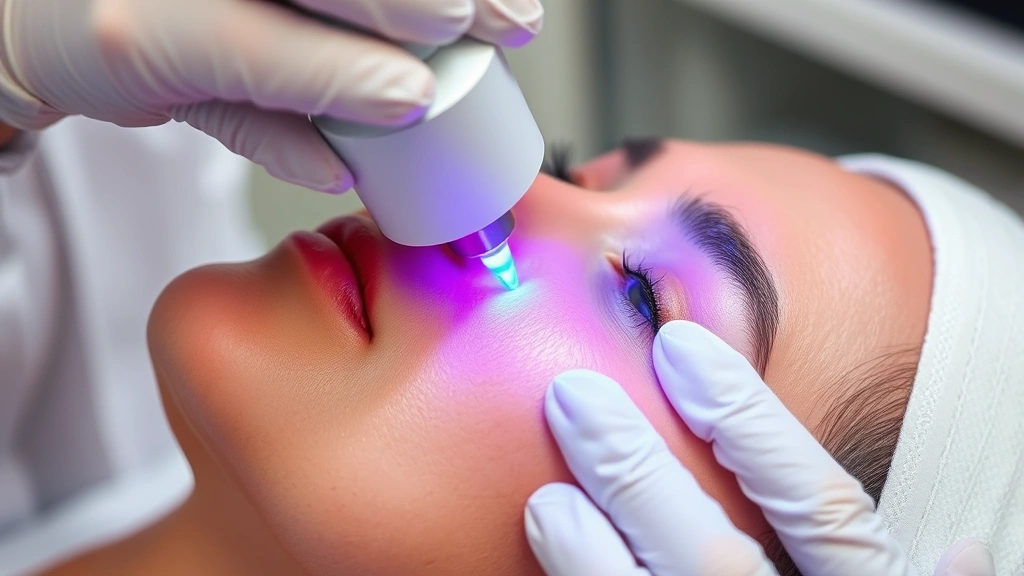
Laser treatments, particularly fractional laser therapy, have demonstrated significant efficacy for stretch mark improvement. These treatments work by creating controlled micro-injuries that trigger the body’s natural healing response, leading to increased collagen production and gradual improvement in stretch mark appearance. Multiple clinical studies have shown that laser treatments can reduce stretch mark visibility by 50-75% over several sessions, substantially outperforming topical treatments like Mederma.
Microneedling, another professional treatment option, involves using fine needles to create controlled micro-injuries in the skin, stimulating collagen remodeling. This technique has shown promise for stretch mark treatment with relatively minimal downtime. Research on microneedling efficacy demonstrates significant improvements in stretch mark appearance, particularly when combined with other treatments.
For individuals interested in non-invasive options, red light therapy has gained attention as a potential stretch mark treatment. If you are curious about this modality, you can explore red light therapy near me to find local providers. While red light therapy shows promise in some studies, evidence remains preliminary compared to laser and microneedling approaches. Other topical options include retinoid creams (prescription-strength tretinoin), which have better evidence than Mederma but still show modest results.
Cost considerations are important when comparing treatments. Mederma is inexpensive ($10-20 per tube), while professional treatments range from hundreds to thousands of dollars depending on the number of sessions required. However, the superior efficacy of professional treatments often justifies the investment for individuals with significant stretch marks causing cosmetic concern. The therapy cost guide can provide additional context on healthcare expense considerations.
Expert Recommendations and Best Practices
Dermatologists generally recommend a tiered approach to stretch mark treatment based on severity and individual circumstances. For very new stretch marks still in the red or purple stage, early intervention is most effective. During this active phase, any treatment that reduces inflammation and promotes proper healing may help prevent the marks from becoming more pronounced. Mederma could theoretically be considered as a low-risk, low-cost option during this early window, though professional treatments remain more effective.
If you choose to use Mederma, consistency is absolutely critical. The product requires application at least twice daily for several months to have any chance of producing visible results. Many users discontinue use before the recommended timeframe, making it impossible to assess true efficacy. Dermatologists suggest that if you are willing to commit to consistent topical treatment, you might as well use a prescription-strength retinoid, which has stronger evidence supporting its use for scar improvement.
Beyond topical treatments, lifestyle factors play an important role in stretch mark management. Maintaining healthy skin through proper hydration, sun protection, and avoiding rapid weight fluctuations can help prevent new stretch marks and support existing skin health. For individuals interested in comprehensive wellness approaches, exploring therapy resources and information from reputable health sources can provide additional guidance on holistic health management.
Prevention is ultimately more effective than treatment when it comes to stretch marks. Pregnant women, athletes, and individuals experiencing rapid weight changes should focus on maintaining skin hydration and elasticity through moisturizing routines and gradual body composition changes when possible. While these preventive measures cannot completely eliminate stretch mark risk, they may reduce severity.
Timeline and Realistic Expectations
One of the most important aspects of evaluating Mederma’s effectiveness is establishing realistic expectations about timeline and results. The manufacturer recommends using Mederma for at least 8-12 weeks before expecting noticeable improvements, with some recommendations extending to 6 months of consistent application. Even after this extended timeframe, improvements are typically modest—users might expect slight lightening or softening of stretch marks rather than dramatic transformation.
For older stretch marks (more than one year old), expectations should be even more conservative. Mature stretch marks have fully formed scar tissue with minimal active inflammation, making them substantially more resistant to topical treatment. Professional treatments like laser therapy or microneedling are significantly more effective for these established marks, though even these treatments require multiple sessions over several months.
Individual variation in treatment response is substantial. Factors affecting outcomes include skin type, age, genetics, stretch mark depth and location, and overall skin health. Someone with recent, shallow stretch marks on well-hydrated skin will likely see better results than someone with deep, years-old marks. Expectations should be calibrated based on these individual factors rather than assuming universal results.
The placebo effect should not be discounted when evaluating topical stretch mark treatments. Some perceived improvements may result from increased attention to skin care, improved hydration from any moisturizing product, or natural fading that occurs over time regardless of treatment. This is why controlled clinical trials comparing treatment to placebo are so important—they help distinguish true therapeutic effects from natural improvement or psychological factors.
When to Seek Professional Treatment
Professional dermatological treatment should be considered when stretch marks significantly impact self-confidence or quality of life, or when topical treatments have proven ineffective after reasonable trial periods. Dermatologists can assess stretch mark characteristics and recommend the most appropriate professional intervention based on individual circumstances. For individuals in fields like occupational therapy jobs or other professions where appearance concerns may affect professional confidence, professional treatment options can be particularly valuable.
The timing of professional treatment matters significantly. Recent stretch marks (within the first year) respond better to intervention than older marks. If you are considering professional treatment, consulting a dermatologist sooner rather than later can maximize treatment effectiveness. Many dermatologists recommend combination approaches, such as laser treatment followed by microneedling or topical retinoids, for optimal results.
Insurance coverage for stretch mark treatment is typically limited since these marks are usually considered cosmetic rather than medical conditions. However, some insurance plans may cover treatment if stretch marks are causing documented psychological distress or if they result from specific medical conditions. Discussing insurance coverage with your dermatologist before pursuing professional treatment is important for financial planning.
For individuals interested in comprehensive health and wellness approaches, exploring physical therapy treatment and other therapeutic modalities can complement dermatological care. Additionally, speech therapy near me and other wellness services can support overall health during cosmetic treatment journeys, though these are not directly related to stretch mark management.
FAQ
Does Mederma actually work for stretch marks?
Mederma has limited scientific evidence supporting its effectiveness specifically for stretch marks. While it is not harmful, independent clinical trials suggest improvements are modest and may be comparable to using any basic moisturizer. Professional treatments like laser therapy or microneedling have significantly stronger evidence for stretch mark reduction.
How long does Mederma take to work on stretch marks?
The manufacturer recommends using Mederma for 8-12 weeks minimum, with some users requiring 6 months of consistent twice-daily application before noticing changes. Even with extended use, improvements tend to be subtle rather than dramatic.
Can Mederma remove stretch marks completely?
No topical product, including Mederma, can completely remove stretch marks. At best, these products may slightly reduce appearance or lighten marks. Professional treatments offer better results for significant improvement, though complete removal is rarely achieved even with advanced procedures.
Is Mederma safe to use on stretch marks?
Yes, Mederma is safe for topical use on stretch marks. The product is well-tolerated with minimal side effects. However, safety does not equate to efficacy—a product can be safe without being particularly effective for its intended purpose.
What is the best treatment for stretch marks?
Professional treatments like fractional laser therapy and microneedling have the strongest clinical evidence for stretch mark improvement. The best treatment depends on individual factors including stretch mark age, depth, skin type, and budget. Consulting a dermatologist is recommended for personalized recommendations.
Can I use Mederma during pregnancy to prevent stretch marks?
Mederma is generally considered safe during pregnancy, though pregnant women should consult their healthcare provider before using any topical product. However, evidence that Mederma prevents stretch marks is limited. Maintaining skin hydration and avoiding rapid weight gain are more evidence-based preventive approaches.