Can Mederma Heal Stretch Marks? Expert Insights on Efficacy and Alternatives
Stretch marks are a common concern for many people, whether they result from pregnancy, rapid weight gain, growth spurts, or intense physical training. These linear scars appear when the skin stretches beyond its elastic capacity, causing the dermis to tear. The search for effective treatments has led many to consider topical solutions like Mederma, a well-known scar treatment product. But does Mederma actually work for stretch marks, and what do dermatologists say about its effectiveness?
In this comprehensive guide, we’ll examine the scientific evidence behind Mederma’s claims, explore how stretch marks form, and discuss proven alternatives that may offer better results. Whether you’re dealing with recent stretch marks or long-established ones, understanding your options is essential for making informed decisions about your skin health.

Understanding Stretch Marks and How They Form
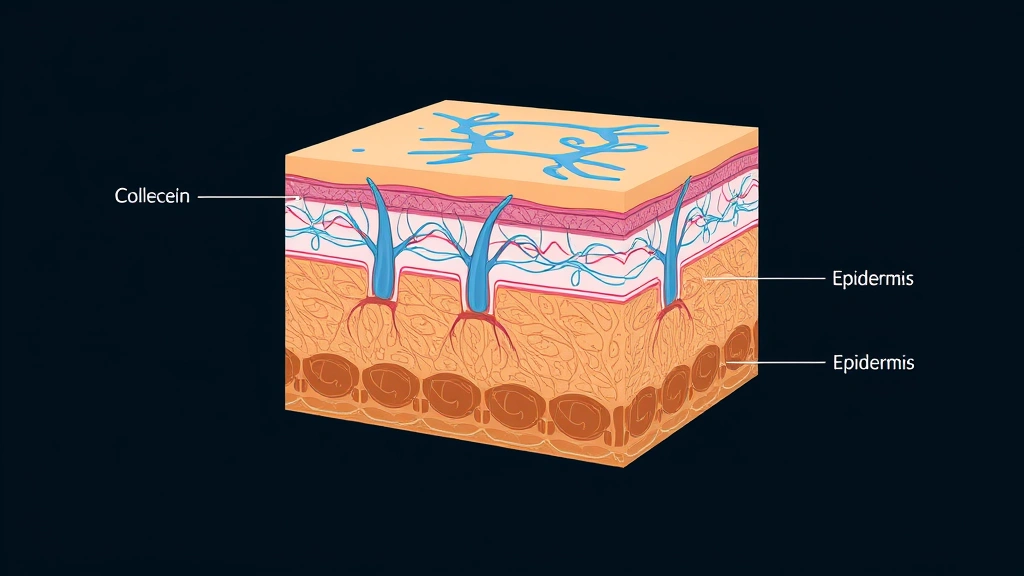
Stretch marks, medically known as striae distensae, are a form of scarring that occurs when the skin undergoes rapid expansion. The dermis, which is the middle layer of skin responsible for maintaining elasticity and firmness, contains collagen and elastin fibers that provide structural support. When the skin stretches too quickly, these fibers break rather than extend, creating visible linear marks.
Several factors contribute to stretch mark development. During pregnancy, hormonal changes increase the production of cortisol, which weakens collagen and elastin fibers while the skin stretches to accommodate fetal growth. Adolescents experiencing growth spurts may develop stretch marks on their thighs, hips, and breasts. Bodybuilders and athletes who gain muscle mass rapidly often notice stretch marks on their shoulders, chest, and biceps. Additionally, certain medical conditions like Cushing’s syndrome and Marfan syndrome increase susceptibility to stretch mark formation.
The appearance of stretch marks changes over time. Fresh stretch marks typically appear reddish or purple due to increased blood flow to the area. As they age, they gradually fade to a silver or white color, becoming less noticeable but more difficult to treat. This distinction between new and mature stretch marks is crucial when evaluating treatment options like Mederma, as the stage of development significantly impacts treatment success.
What Is Mederma and How Does It Work
Mederma is an over-the-counter topical gel containing onion bulb extract (Allium cepa), commonly marketed as a scar treatment product. The brand claims that regular application can improve the appearance of various types of scars, including stretch marks. The product has been available for decades and maintains significant market presence in drugstores and online retailers.
The active ingredient in Mederma is onion extract, which proponents suggest may help improve skin texture and reduce scar visibility. The formulation also includes other ingredients like hydroquinone, which may help with discoloration, and various emollients that keep the skin moisturized. According to the manufacturer’s claims, Mederma works by promoting skin cell turnover and improving hydration in the affected area.
The mechanism theoretically involves stimulating fibroblasts, the cells responsible for producing collagen and elastin. By encouraging these cells to work more actively, the theory suggests that Mederma can help rebuild damaged skin tissue and reduce the appearance of scars. However, the concentration of active ingredients in over-the-counter formulations raises questions about whether they’re potent enough to create meaningful changes in scar tissue.
Scientific Evidence on Mederma Effectiveness
When examining the scientific literature, the evidence supporting Mederma’s effectiveness is surprisingly limited and mixed. Multiple clinical studies have investigated whether Mederma delivers on its promises, and the results are less impressive than marketing materials suggest.
A notable study published in medical journals found that Mederma showed minimal improvement over basic moisturization alone. Researchers compared patients using Mederma to those using standard moisturizing lotion and found no statistically significant difference in scar appearance. This suggests that any benefits from Mederma might simply result from the hydrating effects of applying any emollient to the skin regularly.
Another important consideration comes from PubMed research databases, where dermatologists and plastic surgeons note that topical treatments generally have limited ability to penetrate deeply enough to affect the dermis where stretch marks originate. Since stretch marks involve structural damage to collagen and elastin fibers in the dermis, surface-level treatments face inherent limitations.
The evidence does suggest that Mederma may provide some benefit for very early-stage stretch marks, particularly those that are still red or purple. In these cases, the improvement might relate to increased blood flow and hydration rather than the specific properties of onion extract. For mature, white or silver stretch marks, the evidence for Mederma’s effectiveness is even weaker.
Dr. Joshua Zeichner, a dermatologist at Mount Sinai Medical Center, has stated that while Mederma is not harmful, patients should have realistic expectations about its results. Many dermatologists recommend that patients seeking meaningful improvement consider more advanced treatment options rather than relying solely on topical creams.
Early vs Late-Stage Stretch Marks Treatment
The timing of treatment is critical when addressing stretch marks. Early intervention offers significantly better outcomes than waiting, as the skin’s healing capacity is highest immediately after the marks form.
Early-Stage Stretch Marks (Red or Purple)
New stretch marks appear red or purple because of increased blood flow and inflammation in the area. During this phase, the skin is actively trying to repair itself, making it more responsive to treatment. Mederma may have its best chance of effectiveness during this window, though clinical evidence remains modest. Early-stage stretch marks also respond well to professional treatments like laser therapy and microneedling, which can redirect the skin’s healing response toward collagen remodeling.
Late-Stage Stretch Marks (White or Silver)
Mature stretch marks have completed their inflammatory phase and represent permanent alterations in skin structure. At this stage, topical treatments like Mederma have virtually no scientific support for effectiveness. The marks have become less vascular, meaning blood flow has normalized, and the skin’s natural healing response has ceased. Professional treatments become necessary if you want to see meaningful improvement in appearance.
Professional Treatment Options
For those seeking more effective solutions than Mederma offers, several professional treatments have demonstrated superior results in clinical studies. These options range from minimally invasive to more intensive procedures.
Laser Therapy
Different laser technologies target stretch marks through various mechanisms. Pulsed dye lasers work best on red or purple stretch marks by targeting hemoglobin in blood vessels, reducing redness and promoting collagen remodeling. Fractional lasers create controlled micro-injuries that stimulate the skin’s healing response, encouraging new collagen production. Multiple sessions typically yield better results than single treatments.
Microneedling
This procedure involves using fine needles to create controlled micro-injuries in the skin, triggering the body’s natural healing response. Unlike Mederma’s surface-level approach, microneedling reaches the dermis where stretch marks originate. Studies show that microneedling can produce 40-50% improvement in stretch mark appearance, particularly when combined with other treatments.
Radiofrequency and Microfocused Ultrasound
These technologies use energy to heat deeper skin layers, stimulating collagen production and skin tightening. They work particularly well on mature stretch marks and can be combined with other treatments for enhanced results.
Chemical Peels
Stronger chemical peels can remove outer skin layers and stimulate collagen remodeling, though they’re typically used as part of a comprehensive treatment plan rather than standalone solutions.
Natural Remedies and Preventive Measures
While professional treatments offer the most dramatic results, several natural approaches may help prevent stretch marks or support overall skin health. These methods work best as preventive measures rather than treatments for existing marks.
Hydration and Moisturization
Keeping skin well-hydrated from inside and outside supports skin elasticity. Drinking adequate water and using quality moisturizers maintains the skin’s ability to stretch without tearing. Natural oils like coconut oil, jojoba oil, and almond oil provide emollient benefits similar to those in Mederma but at lower cost.
Nutritional Support
Certain nutrients support collagen and elastin production. Vitamin C promotes collagen synthesis, zinc supports wound healing, and protein provides amino acids necessary for collagen formation. While supplements cannot eliminate existing stretch marks, adequate nutrition may improve skin’s resilience during periods of rapid growth or weight changes.
Gradual Weight Changes
Preventing rapid weight gain or loss significantly reduces stretch mark risk. Gradual changes allow the skin to adapt more gradually, reducing the likelihood of dermal tearing. This applies equally to weight loss, muscle gain, and pregnancy when possible.
Physical Activity
Regular exercise improves circulation and skin health while supporting gradual, sustainable body composition changes rather than rapid transformations that stress the skin.
Combining Approaches for Better Results
The most effective strategy often involves combining multiple approaches rather than relying on any single treatment. A comprehensive approach might include professional treatments combined with preventive measures and skin care.
For example, someone with new stretch marks might begin with laser therapy or microneedling, then use quality moisturizers and maintain excellent hydration to support healing. Those unable to access professional treatments might focus on prevention for future stretch marks while accepting that topical treatments like Mederma offer limited benefits for existing ones.
Understanding that therapy costs vary for professional skin treatments, many people benefit from consulting with dermatologists about treatment plans that fit their budget and goals. Some treatments can be spaced over time to distribute costs, making them more accessible than they might initially appear.
Cost Considerations and Accessibility
One significant advantage of Mederma is its affordability and accessibility. A tube costs between $10-20 and requires no professional appointment. For people with limited budgets, this makes it an attractive option despite modest evidence of effectiveness.
Professional treatments carry higher costs, typically ranging from $200-500 per session for laser therapy or microneedling, with multiple sessions often recommended. However, the improved results often justify the expense for those seeking meaningful improvement. Some dermatologists offer package deals or financing options to make treatments more accessible.
Insurance rarely covers stretch mark treatments since they’re considered cosmetic rather than medically necessary. This means most people pay out-of-pocket regardless of which approach they choose. Understanding the cost-benefit ratio helps inform treatment decisions.
For those exploring therapy resources and information about various health and wellness topics, including skin health, reliable sources can provide guidance on treatment options and realistic expectations.
FAQ
Does Mederma actually work on stretch marks?
Scientific evidence suggests Mederma provides minimal benefits beyond basic moisturization. While it may help slightly with very early-stage red or purple stretch marks, clinical studies show no significant advantage over regular lotion. For mature white or silver stretch marks, evidence for effectiveness is essentially absent.
How long does it take to see results from Mederma?
Most manufacturers recommend consistent use for 8-12 weeks before expecting noticeable results. However, clinical studies suggest that if improvement occurs, it’s likely due to moisturization rather than specific properties of the onion extract.
Can anything truly eliminate stretch marks?
No treatment completely eliminates stretch marks, but professional treatments like laser therapy and microneedling can significantly reduce their appearance, particularly when started early. Results vary based on mark age, skin type, and treatment type.
Are there side effects to using Mederma?
Mederma is generally safe with minimal side effects. Some people experience mild skin irritation or allergic reactions to the onion extract, but serious adverse effects are rare.
When should I start treatment for stretch marks?
Starting treatment as soon as stretch marks appear yields the best results. Early-stage red or purple marks respond much better to professional treatments than mature white marks, making timing important for achieving optimal outcomes.
Is professional treatment worth the cost?
For those seeking meaningful improvement in stretch mark appearance, professional treatments offer significantly better results than topical options like Mederma. The cost-benefit analysis depends on your budget, the extent of stretch marks, and how much improvement matters to you personally.
Can I prevent stretch marks completely?
While you cannot guarantee prevention, maintaining healthy skin through hydration, nutrition, and gradual body changes significantly reduces stretch mark risk. Genetic factors also play a role, so some people are more susceptible regardless of preventive measures.
Does Mederma work better on certain skin types?
The evidence doesn’t suggest that Mederma works better on specific skin types. However, people with certain skin conditions or sensitivities may react differently to the onion extract, making patch testing advisable before full application.