Does Laser Therapy Work for Dark Circles? Expert Insight
Dark circles under the eyes affect millions of people worldwide, creating a tired, aged appearance that no amount of sleep seems to remedy. Whether caused by genetics, aging, allergies, or lifestyle factors, these stubborn shadows have driven consumers to seek increasingly sophisticated treatments. Among the most popular options gaining traction in dermatology clinics is laser therapy, a technology that promises to rejuvenate the delicate under-eye area with precision and minimal downtime.
But does laser therapy for dark eye circles actually deliver on its promises? The answer is nuanced. While laser treatments can produce significant improvements for certain types of dark circles, their effectiveness depends heavily on the underlying cause, the specific laser technology used, individual skin characteristics, and realistic expectations about results. This comprehensive guide explores the science behind laser therapy, examines clinical evidence, and provides expert insights to help you determine whether this treatment is right for you.
Understanding Dark Circles: Root Causes and Types
Before examining whether laser therapy works, it’s essential to understand what causes dark circles in the first place. The under-eye area is uniquely vulnerable because the skin there is approximately 40% thinner than facial skin elsewhere, with minimal underlying fat padding and a rich network of blood vessels just beneath the surface.
Dark circles typically fall into three primary categories, each with distinct characteristics and treatment implications:
- Vascular dark circles: These result from visible blood vessels and increased blood flow in the under-eye area, causing a bluish or purplish hue. They’re often hereditary and more pronounced when you’re tired, stressed, or dehydrated.
- Pigmentation dark circles: Caused by excess melanin production or post-inflammatory hyperpigmentation, these appear as brown or gray shadows. They’re more common in individuals with darker skin tones and can worsen with sun exposure.
- Structural dark circles: These result from volume loss, hollowing, or prominent tear troughs that create shadows through the natural contours of the face. They’re typically associated with aging and loss of collagen and elastin.
The effectiveness of laser therapy varies significantly depending on which type of dark circles you have. Understanding your specific concern is the first step toward determining whether therapy resources and treatment options like laser treatment will be beneficial for your situation.
How Laser Therapy Works for Under-Eye Treatment
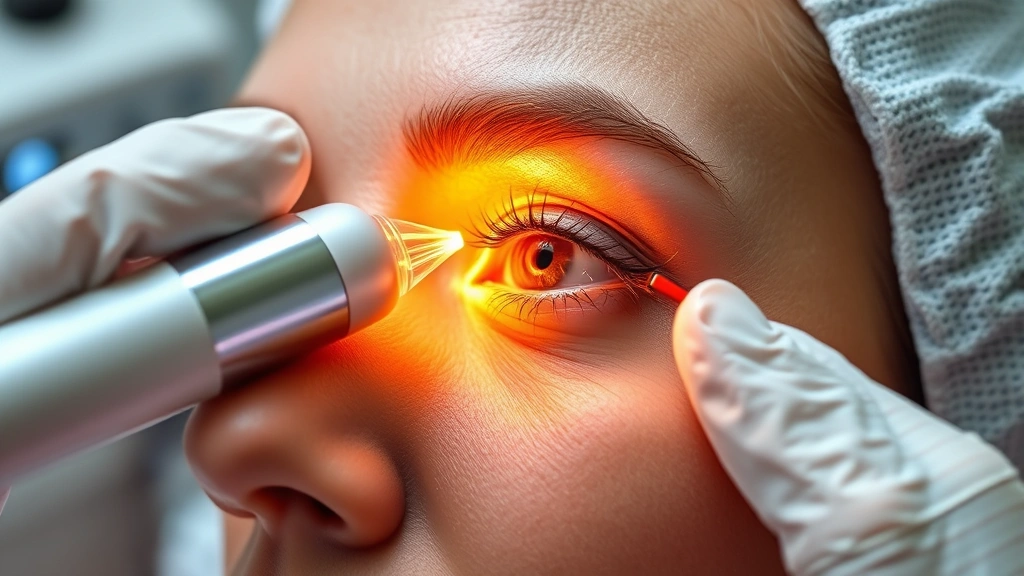
Laser therapy operates on principles of selective photothermolysis, a process where concentrated light energy is absorbed by specific chromophores (light-absorbing molecules) in the skin. Different wavelengths target different structures, allowing dermatologists to address various causes of dark circles with precision.
When laser light penetrates the under-eye area, several beneficial processes occur simultaneously. The energy heats and stimulates collagen production, improving skin texture and thickness. For vascular dark circles, the laser energy is absorbed by hemoglobin in blood vessels, causing them to collapse and be reabsorbed by the body over time. For pigmentation issues, the energy breaks down excess melanin deposits that can then be cleared by the body’s natural processes.
The fractional laser technology commonly used in modern practices creates thousands of microscopic treatment zones while leaving surrounding skin untouched. This approach accelerates healing and reduces recovery time compared to traditional ablative lasers that treat the entire surface area.
Additionally, laser therapy stimulates the production of new collagen and elastin through a process called neocollagenesis. This gradual rebuilding of structural support can help address the volume loss that contributes to shadowing in the tear trough area. Results typically improve over several weeks to months as new collagen continues to form and remodel.
Types of Lasers Used in Dark Circle Treatment
Several laser technologies have demonstrated effectiveness for treating dark circles, each with distinct advantages and applications:
- Fractional CO2 Lasers: These ablative lasers operate at 10,600 nanometers and excel at resurfacing and stimulating collagen. They’re particularly effective for structural dark circles and skin texture improvements but require longer recovery periods with more pronounced downtime.
- Fractional Erbium Lasers: Operating at 2,940 nanometers, erbium lasers offer similar benefits to CO2 with slightly less aggressive ablation and faster healing. They work well for mixed-type dark circles.
- Nd:YAG Lasers: These non-ablative lasers at 1,064 nanometers penetrate deeper into the dermis without removing surface skin. They’re excellent for vascular dark circles and can be used on all skin types with minimal downtime.
- Pulsed Dye Lasers (PDL): Specifically designed to target hemoglobin, these 585-595 nanometer lasers are highly effective for vascular concerns and can be used safely on sensitive under-eye skin.
- Radiofrequency Microneedling: While technically not a pure laser, this hybrid technology combines microneedling with radiofrequency energy to stimulate collagen and improve skin quality with excellent safety profiles.
The choice of laser depends on your specific dark circle type, skin tone, sensitivity level, and desired downtime. Darker skin types typically benefit from non-ablative options like Nd:YAG to minimize risk of post-inflammatory hyperpigmentation.
Clinical Evidence and Success Rates
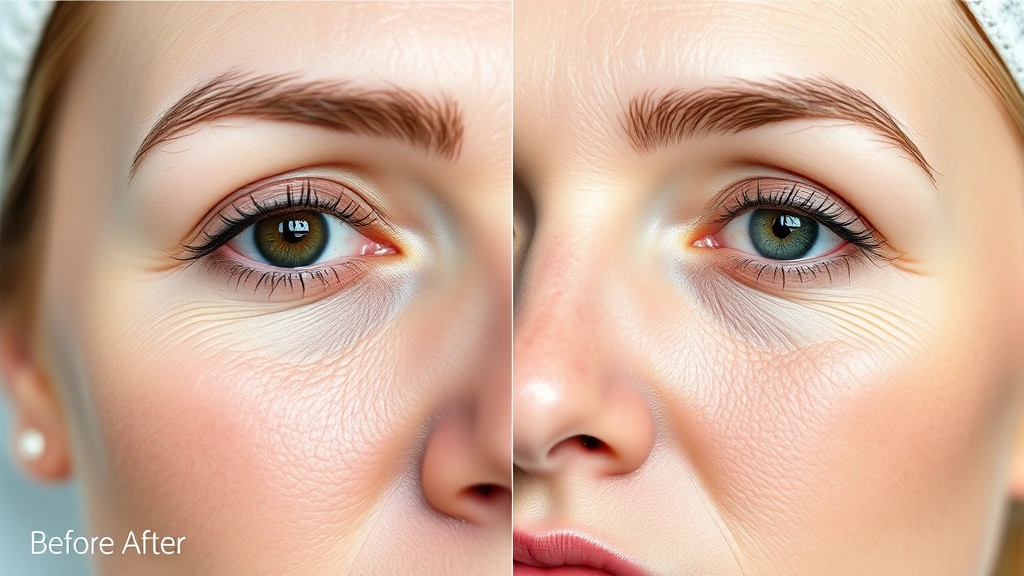
Scientific research on laser therapy for dark circles has produced encouraging results, though quality evidence remains somewhat limited compared to other aesthetic treatments. A comprehensive review published in dermatological journals indicates that laser treatments can produce meaningful improvements in 60-80% of patients, depending on the dark circle type and laser used.
Studies specifically examining fractional CO2 and erbium lasers report improvement rates of 70-85% for structural dark circles and moderate improvement for vascular concerns. Non-ablative Nd:YAG laser studies show 60-75% patient satisfaction for vascular dark circles, with best results when combined with multiple treatment sessions.
Research from the American Academy of Dermatology indicates that combination approaches yield superior results. For instance, treating pigmentation with a Q-switched laser while simultaneously using fractional lasers for structural improvement produces better outcomes than single-modality treatment.
A significant finding across multiple studies is that results improve gradually over 3-6 months as collagen remodeling continues. Many patients report that their best results appear 3-4 months post-treatment rather than immediately. This timeline is important for setting realistic expectations about when you’ll see improvement in your dark circles.
However, it’s crucial to note that laser therapy works best for certain types of dark circles. Vascular and pigmentation-related dark circles respond more favorably to laser treatment than purely structural concerns caused by deep volume loss, which may require complementary treatments like dermal fillers.
Comparing Laser Therapy to Alternative Treatments
Understanding how laser therapy compares to other available treatments helps contextualize its role in managing dark circles. Several alternative and complementary approaches exist:
- Topical Treatments: Vitamin C serums, retinoids, and caffeine-based creams offer modest improvements for mild dark circles but cannot address vascular or deep structural concerns. They work best as preventative measures and maintenance between professional treatments.
- Dermal Fillers: Hyaluronic acid and other filler materials can address volume loss and hollowing effectively. Results are immediate but temporary, requiring touch-ups every 6-12 months. Fillers excel where lasers struggle with structural dark circles.
- Chemical Peels: While less aggressive than laser resurfacing, chemical peels can improve pigmentation-related dark circles and surface texture. Results are typically more modest than laser therapy.
- Microneedling: This collagen-induction therapy stimulates natural collagen production and works well for structural concerns. It’s gentler than laser therapy but may require more sessions to achieve comparable results.
- Combination Approaches: Many dermatologists recommend combining laser therapy with fillers or other modalities for optimal results, particularly when dark circles have multiple contributing factors.
For comprehensive guidance on various treatment approaches and how they compare, consulting with resources about treatment costs and pricing can help you understand investment levels across different options.
What to Expect During and After Treatment
Understanding the treatment experience helps patients prepare appropriately and manage expectations about recovery:
Pre-Treatment Preparation: Most dermatologists recommend avoiding sun exposure, blood thinners, and certain supplements for 1-2 weeks before laser treatment. Your skin should be clean and free of makeup or skincare products on treatment day. A topical anesthetic or numbing cream is typically applied 15-30 minutes before treatment begins.
During Treatment: You’ll experience a warm sensation and possibly slight discomfort, though most patients describe the feeling as tolerable. The treatment typically lasts 15-30 minutes depending on the laser type and area size. Protective eyewear is essential to shield your eyes from laser light.
Immediate Aftercare: Non-ablative laser treatments like Nd:YAG may cause minimal visible effects, allowing you to return to normal activities immediately. Fractional ablative lasers typically produce visible redness, mild swelling, and a sandpaper-like texture that gradually improves over 3-7 days.
Post-Treatment Healing: Strict sun protection is critical during healing, as the treated area is extremely photosensitive. Most dermatologists recommend SPF 50+ sunscreen and physical sun avoidance for at least two weeks. Gentle cleansing, moisturizing, and avoiding harsh products support optimal healing. Some patients benefit from specific professional guidance on managing treatment expectations and recovery concerns.
Timeline for Results: Non-ablative treatments show gradual improvement over weeks. Ablative fractional treatments show visible skin quality improvements within 1-2 weeks, with continued enhancement over 3-6 months as collagen remodels. Most patients require 2-4 treatment sessions spaced 4-6 weeks apart for optimal results.
Safety Considerations and Potential Risks
While laser therapy is generally safe when performed by qualified dermatologists, certain risks and contraindications deserve consideration:
- Hyperpigmentation or Hypopigmentation: Post-inflammatory changes in skin pigmentation can occur, particularly in darker skin types. Non-ablative lasers and careful settings minimize this risk.
- Infection: Proper aftercare and infection prevention protocols are essential, as the under-eye area is particularly sensitive.
- Scarring: Rare but possible with aggressive treatment, particularly in patients with compromised healing ability.
- Temporary Swelling and Bruising: More common with ablative lasers and vascular-targeting treatments, usually resolving within days to weeks.
- Eye Irritation: The proximity to the eye requires careful technique and protective measures.
- Inadequate Results: Not all dark circles respond equally to laser therapy, and some patients experience minimal improvement.
Contraindications include active infections, certain medications (particularly photosensitizing drugs), pregnancy, and recent sun exposure or tanning. Patients with darker skin tones should seek practitioners experienced with treating their specific skin type to minimize complications.
Choosing a board-certified dermatologist with specific experience in under-eye laser treatment significantly reduces complication risks. It’s worth asking about their complication rates, patient satisfaction scores, and before-and-after photos of patients with similar concerns.
Cost and Treatment Duration
Investment in laser therapy for dark circles varies considerably based on geographic location, practitioner expertise, laser technology used, and treatment extent:
Typical Cost Range: Single laser treatments for dark circles range from $300 to $1,500 per session. Most patients require 2-4 sessions, bringing total investment to $600-$6,000. Non-ablative treatments tend to cost less ($300-$800 per session) than ablative fractional lasers ($800-$1,500 per session).
Insurance Coverage: Laser therapy for dark circles is considered cosmetic and typically isn’t covered by insurance. Some exceptions exist if dark circles result from a medical condition requiring treatment.
Long-Term Costs: Results from laser therapy aren’t permanent. While improvements can last 1-2 years or longer, maintenance treatments may be needed periodically. This makes understanding local treatment options and pricing important for budgeting ongoing care.
Treatment Timeline: Initial series typically spans 2-4 months with sessions spaced 4-6 weeks apart. Visible improvements begin within weeks, with optimal results appearing 3-6 months after the final treatment. Maintenance treatments might be needed annually or biennially depending on individual results and skin aging.
When evaluating cost, consider the expertise of the practitioner, clinic reputation, technology used, and expected outcomes. The cheapest option isn’t always the best value if it results in suboptimal results or complications requiring corrective treatment.
Frequently Asked Questions
How many laser sessions do I need to see results for dark circles?
Most patients require 2-4 sessions spaced 4-6 weeks apart. Some see meaningful improvement after a single treatment, while others need the full series. Results continue improving for 3-6 months after the final session as collagen remodels. Your dermatologist can assess your specific situation and recommend an appropriate treatment plan.
Is laser therapy safe for the delicate under-eye area?
Yes, when performed by experienced board-certified dermatologists, laser therapy is safe for the under-eye area. The skin there is delicate, which is precisely why careful technique, appropriate laser selection, and protective measures are essential. Non-ablative lasers are often preferred for this sensitive region due to lower complication risks.
Can laser therapy treat all types of dark circles?
Laser therapy works best for vascular and pigmentation-related dark circles. Structural dark circles caused by significant volume loss may respond modestly to laser-stimulated collagen production but often require complementary treatments like fillers for optimal results. Your dermatologist can assess your dark circle type and recommend the most effective approach.
What’s the difference between ablative and non-ablative laser treatments?
Ablative lasers remove the outer layer of skin while stimulating deeper collagen production, producing more dramatic results but requiring longer recovery (5-7 days visible healing). Non-ablative lasers work through the skin without removing the surface layer, causing minimal downtime but potentially requiring more sessions. Both can effectively treat dark circles; the choice depends on your tolerance for downtime and specific concerns.
How long do laser therapy results for dark circles last?
Results typically last 1-2 years or longer, though this varies by individual, laser type used, and lifestyle factors like sun exposure and aging. Some patients maintain results longer with preventative topical treatments and sun protection. Maintenance treatments may be needed periodically to sustain improvements.
Can I return to normal activities after laser treatment for dark circles?
Recovery depends on the laser type. Non-ablative treatments often allow immediate return to normal activities with minimal restrictions. Ablative fractional treatments typically require 5-7 days of recovery with visible redness and peeling, though you can use makeup after 24-48 hours. Strict sun protection is essential regardless of laser type for at least two weeks.
Is laser therapy effective for dark circles caused by genetics?
Yes, laser therapy can effectively treat genetically-determined dark circles, particularly those caused by visible blood vessels (vascular dark circles) or pigmentation issues. Genetic factors often determine dark circle type rather than making them untreatable. Your dermatologist can assess your specific genetic dark circles and recommend appropriate laser therapy options.
Can I combine laser therapy with other dark circle treatments?
Absolutely. Many dermatologists recommend combination approaches for optimal results. For instance, combining fractional laser therapy for structural improvement with fillers for volume loss, or using laser therapy alongside topical treatments, often produces superior outcomes compared to single-modality treatment. Discuss combination options with your dermatologist.