IV Hydration Therapy: Effective for Stress?
In today’s fast-paced world, stress management has become increasingly important for maintaining overall health and wellness. Many people seek innovative solutions to combat chronic stress, fatigue, and mental exhaustion. One emerging wellness trend gaining popularity is IV hydration therapy, a treatment that delivers fluids, electrolytes, and nutrients directly into the bloodstream. But does this therapy actually help reduce stress, or is it simply another wellness fad? This comprehensive guide explores the science behind IV hydration therapy, its potential benefits for stress relief, and how to find IV hydration therapy near me.
IV hydration therapy has transitioned from hospital settings and athletic recovery into the wellness and preventative health space. Clinics and wellness centers across the country now offer customized IV drips designed to boost energy, enhance mental clarity, and promote relaxation. However, understanding whether these treatments genuinely address stress requires examining the underlying science, the specific formulations used, and the current research evidence.

What Is IV Hydration Therapy?
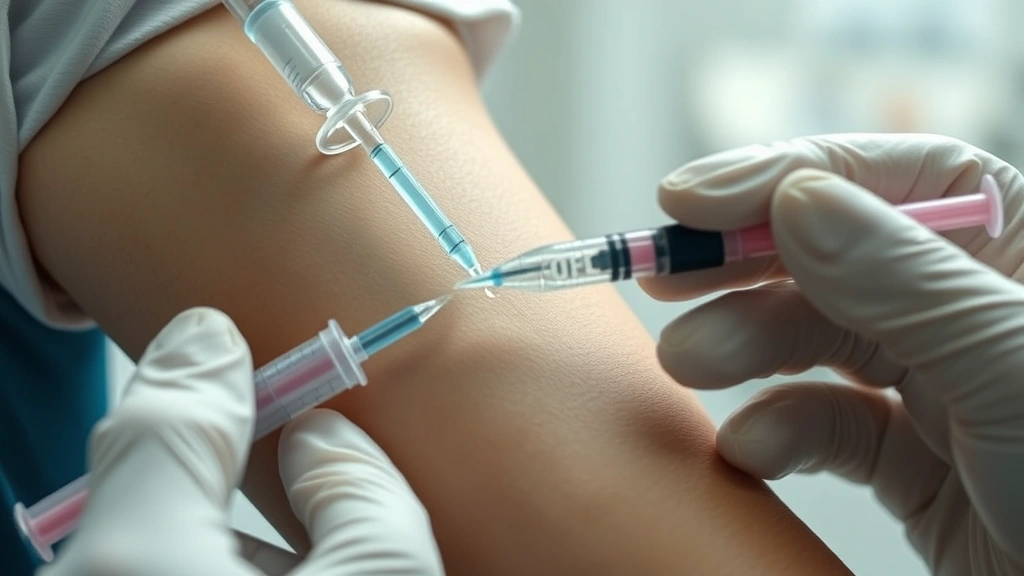
IV hydration therapy, also known as intravenous therapy or IV infusion, involves administering a sterile saline solution directly into a vein, typically in the arm or hand. This solution serves as a delivery mechanism for water, electrolytes, vitamins, minerals, and other therapeutic compounds. Unlike oral supplements that must pass through the digestive system, IV therapy bypasses this process entirely, allowing nutrients to enter the bloodstream immediately.
The typical IV hydration session lasts between 30 minutes to an hour, during which patients relax in a comfortable chair while the infusion drips into their veins. Medical professionals monitor vital signs and ensure the procedure proceeds safely. The specific composition of each IV drip varies depending on the patient’s goals and health status. Some common formulations include Myers’ cocktail (containing B vitamins, vitamin C, magnesium, and calcium), glutathione (an antioxidant), and custom blends designed for energy, immune support, or recovery.
The wellness industry has heavily marketed IV hydration therapy as a solution for various concerns, from hangover recovery to athletic performance enhancement to stress management. Celebrities, athletes, and wellness enthusiasts have publicly endorsed the treatment, contributing to its growing popularity. However, this marketing enthusiasm sometimes outpaces the scientific evidence supporting specific claims.
How IV Hydration Works in the Body
Understanding how IV hydration therapy might affect stress requires knowledge of basic physiology. When you experience stress, your body activates the sympathetic nervous system, triggering the release of hormones like cortisol and adrenaline. This stress response can deplete certain nutrients, particularly B vitamins, magnesium, and vitamin C, which play crucial roles in managing stress responses and supporting nervous system function.
Dehydration itself can exacerbate stress symptoms. When your body lacks adequate hydration, it cannot efficiently regulate neurotransmitter production, maintain optimal blood pressure, or support cognitive function. This creates a vicious cycle where stress leads to dehydration, which intensifies stress symptoms. IV hydration therapy directly addresses this dehydration by delivering fluids and electrolytes that your body can immediately utilize.
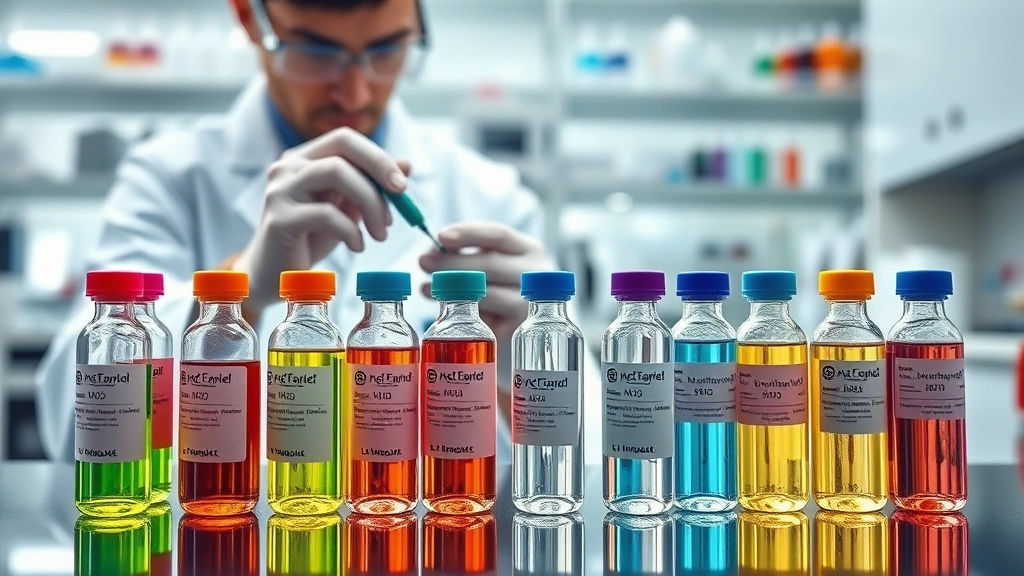
The nutrients included in stress-focused IV formulations work through different mechanisms. Magnesium helps regulate neurotransmitter activity and supports muscle relaxation. B vitamins, particularly B6 and B12, support the production of neurotransmitters like serotonin and dopamine, which regulate mood and stress response. Vitamin C supports adrenal gland function during stress. Amino acids like glycine promote relaxation and improve sleep quality. When delivered intravenously, these nutrients achieve higher blood concentrations than oral supplements, potentially producing more noticeable effects.
Can IV Hydration Reduce Stress?
The question of whether IV hydration therapy effectively reduces stress requires a nuanced answer. The scientific evidence supporting stress-specific benefits remains limited compared to the marketing claims. Most research on IV nutrient therapy focuses on specific conditions like migraines, chronic fatigue, or athletic recovery rather than stress management specifically.
However, several mechanisms suggest potential benefits. A PubMed study on magnesium supplementation found that magnesium can reduce anxiety and stress-related symptoms, though this research typically involves oral supplementation rather than IV delivery. The immediate hydration provided by IV therapy may offer quick relief from symptoms associated with dehydration-induced stress, such as headaches, fatigue, and difficulty concentrating.
Many patients report subjective improvements in stress symptoms following IV hydration therapy. These improvements may result from several factors: the direct hydration effect, the nutrient replenishment, the placebo effect of receiving professional wellness treatment, or the relaxing ritual of the treatment itself. Some individuals describe feeling more mentally clear and emotionally balanced after sessions, though this could partially reflect the stress-reducing effect of taking time for self-care.
The most honest assessment is that IV hydration therapy may help with stress management when combined with other evidence-based approaches, but it should not be viewed as a standalone stress treatment. Individuals seeking stress relief should prioritize proven interventions like cognitive behavioral therapy for generalized anxiety disorder, regular exercise, meditation, and adequate sleep. IV therapy might complement these approaches, particularly for individuals with documented nutrient deficiencies or chronic dehydration.
Key Nutrients for Stress Relief
Understanding which nutrients support stress management helps explain why IV formulations marketed for stress contain specific compounds. Magnesium stands out as particularly important for stress regulation. This mineral activates the parasympathetic nervous system, which counters the stress response. Research indicates that chronic stress depletes magnesium stores, creating a deficit that impairs your ability to manage subsequent stress. IV magnesium delivery ensures rapid repletion of this critical mineral.
B-complex vitamins play essential roles in stress response and nervous system function. Vitamin B6 supports neurotransmitter synthesis, B12 helps maintain myelin sheaths protecting nerve fibers, and folate supports DNA synthesis and cellular function. Pantothenic acid (B5) supports adrenal gland function during stress. Many individuals with chronic stress show suboptimal B vitamin levels, potentially explaining why supplementation sometimes helps.
Vitamin C serves multiple roles in stress management. It supports adrenal gland function and helps regulate cortisol levels during stress. As an antioxidant, it protects cells from oxidative stress damage. Calcium works synergistically with magnesium to regulate neurotransmitter release and muscle function. L-theanine, an amino acid found in green tea, promotes relaxation without sedation by increasing GABA production.
Glutathione, a powerful antioxidant, protects cells from stress-induced damage. Some IV protocols include this compound specifically for its stress-protective properties. NAD+ (nicotinamide adenine dinucleotide) supports cellular energy production and stress resilience. These nutrients work together in an IV formulation to address multiple aspects of stress physiology simultaneously.
Finding IV Hydration Therapy Near You
If you’re interested in exploring IV hydration therapy, finding reputable providers is essential. Search for “IV hydration therapy near me” to identify local options, but evaluate each provider carefully. Legitimate IV therapy clinics should employ licensed medical professionals, typically nurses or physicians, who administer treatments. These providers should conduct health assessments before treatment, screen for contraindications, and maintain sterile protocols.
Reputable clinics will discuss realistic expectations about IV therapy benefits and avoid making exaggerated medical claims. They should offer customized formulations based on individual health goals and medical history rather than one-size-fits-all protocols. Ask about their medical director’s qualifications, the source of their IV solutions, and their infection control procedures.
When comparing options for stress management, consider exploring complementary approaches. Red light therapy near me offers another emerging wellness option with growing research support. Speech therapy near me addresses stress-related communication issues, while physical therapy treatment supports overall wellness. Additionally, consulting the MindLift Daily Blog – Therapy Resources and Information provides comprehensive guidance on various therapeutic approaches.
Insurance typically does not cover IV hydration therapy for wellness purposes, as it’s considered elective treatment rather than medically necessary. Costs range from $150 to $500 per session depending on location and formulation complexity. Some clinics offer package discounts for multiple sessions.
Safety Considerations and Side Effects
IV hydration therapy is generally safe when administered by qualified medical professionals, but potential risks exist. Common minor side effects include bruising at the injection site, mild discomfort during insertion, and occasional inflammation along the vein. Some individuals experience a cooling sensation as the IV fluid enters their bloodstream.
More serious but rare complications include infection at the injection site, phlebitis (vein inflammation), electrolyte imbalances, and allergic reactions to components in the IV solution. Individuals with certain medical conditions—including kidney disease, heart failure, or electrolyte imbalances—may face increased risks and should avoid IV therapy or receive it only under medical supervision.
The quality and safety of IV solutions vary between providers. Reputable clinics use pharmaceutical-grade solutions prepared in sterile facilities. Some clinics may use compounded solutions prepared on-site, which carries additional risk if not handled properly. Always verify that your provider uses solutions from established pharmaceutical sources.
Individuals taking medications should disclose this information before IV therapy, as certain drugs may interact with IV nutrients. Pregnant women, people with active infections, and those with compromised immune systems should consult physicians before receiving IV therapy. Never receive IV treatment from unlicensed practitioners or in non-medical settings.
Comparing IV Therapy to Other Wellness Options
While IV hydration therapy offers a novel approach to wellness, other established stress-management techniques have stronger research support. Evidence-based approaches for stress reduction include regular physical exercise, which reliably reduces cortisol levels and improves mood; meditation and mindfulness practices, which demonstrate measurable effects on brain structure and function; adequate sleep, which supports stress resilience; and healthy nutrition, which provides the nutrients your body needs through the digestive system.
Professional mental health treatment deserves consideration for individuals with chronic stress or anxiety disorders. Cognitive behavioral therapy for generalized anxiety disorder offers evidence-based treatment with lasting benefits. Occupational therapy can help develop stress-management skills and healthy routines. The occupational therapy jobs field continues expanding as more people recognize the value of professional support for wellness.
Many wellness experts recommend a multi-faceted approach combining several interventions. IV hydration therapy might fit into this comprehensive strategy for individuals who have tried other approaches and want to explore additional options. However, it should complement rather than replace evidence-based stress management techniques.
Cost-benefit analysis often favors more accessible interventions. For example, magnesium supplementation through oral supplements costs significantly less than IV therapy while providing similar benefits for many individuals. Exercise, meditation, and adequate sleep cost nothing but require consistent commitment. These factors should influence your decision about whether IV therapy makes sense for your particular situation.
FAQ
How often should someone receive IV hydration therapy for stress relief?
There is no standard recommendation, as research on optimal frequency remains limited. Some clinics suggest weekly or bi-weekly sessions, while others recommend monthly maintenance. The appropriate frequency depends on individual factors including baseline stress levels, nutrient status, and response to treatment. Starting with a single session to assess tolerance and benefits is reasonable before committing to a schedule.
Can IV hydration therapy replace prescription anxiety medications?
No. IV therapy should never replace prescribed psychiatric medications without medical supervision. Individuals taking anxiety medications should continue them as prescribed by their psychiatrist. IV therapy might complement medication but cannot serve as a substitute. Anyone considering changes to psychiatric medication should discuss this with their prescribing physician.
How quickly do people notice benefits from IV hydration therapy?
Some individuals report feeling more alert and energetic immediately after treatment, while others notice gradual improvements over multiple sessions. The timeline varies based on individual factors, baseline hydration and nutrient status, and specific formulation used. Realistic expectations involve noticing subtle improvements rather than dramatic transformation.
Are there natural alternatives to IV hydration therapy for stress?
Yes. Oral supplementation with magnesium, B vitamins, and vitamin C provides similar nutrients without intravenous administration. Herbal approaches including adaptogenic herbs like ashwagandha and rhodiola have research support for stress reduction. Lifestyle modifications including exercise, sleep optimization, and stress-management practices offer evidence-based benefits. These alternatives typically cost less and carry fewer risks than IV therapy.
Can IV hydration therapy help with anxiety disorders?
IV therapy may help with anxiety symptoms related to dehydration or nutrient deficiency but cannot treat anxiety disorders. Conditions like generalized anxiety disorder or panic disorder require professional mental health treatment. Individuals with diagnosed anxiety disorders should work with mental health professionals rather than relying on wellness treatments like IV therapy as primary treatment.
What should I look for when choosing an IV hydration clinic?
Verify that licensed medical professionals administer treatments in a medical setting. Ask about infection control procedures, the source of IV solutions, and the medical director’s qualifications. Request information about the specific nutrients in their formulations and why these are included. Avoid clinics making exaggerated medical claims or pressure to purchase packages before trying a single session.