
Mindfulness for PTSD: What Experts Say
Post-traumatic stress disorder (PTSD) affects millions of individuals worldwide, creating profound challenges in daily functioning, relationships, and overall quality of life. Traditional therapeutic approaches have long formed the cornerstone of PTSD treatment, but emerging research increasingly demonstrates that mindfulness-based interventions offer significant therapeutic benefits when integrated into comprehensive treatment plans. Mental health professionals and neuroscientists are discovering that mindfulness practices can rewire trauma responses, reduce hypervigilance, and help individuals reclaim emotional regulation.
The intersection of ancient contemplative practices and modern neuroscience has revealed compelling evidence that mindfulness addresses the neurobiological mechanisms underlying PTSD. When trauma occurs, the brain’s threat-detection systems become hyperactive, keeping survivors locked in survival mode. Mindfulness interventions work by gradually retraining these neural pathways, allowing the nervous system to recognize safety and process traumatic memories without overwhelming emotional activation. This article explores what leading experts say about mindfulness for PTSD, examining the scientific evidence, practical applications, and integration with other therapeutic modalities.
Understanding PTSD and the Nervous System
Post-traumatic stress disorder represents a complex psychological condition where the brain’s threat-response system becomes dysregulated following exposure to traumatic events. Dr. Bessel van der Kolk, a leading trauma researcher and author of “The Body Keeps the Score,” emphasizes that PTSD fundamentally involves the amygdala—the brain’s alarm center—becoming overactive while the prefrontal cortex, responsible for rational thinking and emotional regulation, becomes underactive.
When individuals experience trauma, their nervous system shifts into hyperarousal, a state designed for survival but maladaptive when sustained. This physiological state manifests as intrusive thoughts, nightmares, hypervigilance, emotional numbness, and avoidance behaviors. The nervous system essentially becomes stuck in a pattern of perceiving threat even in safe environments. Research from the American Psychological Association confirms that this neural dysregulation persists long after the traumatic event, fundamentally altering how survivors process emotional information.
Understanding this neurobiological foundation is crucial for appreciating why mindfulness interventions prove effective. Rather than simply talking about trauma, mindfulness addresses the embodied, nervous system-based nature of PTSD. By cultivating present-moment awareness and non-judgmental observation of internal experiences, individuals gradually teach their nervous system that they are safe in the present moment, even when past trauma memories arise.
Mindfulness-Based Approaches for Trauma
Several evidence-based mindfulness protocols have been specifically adapted for trauma survivors. Mindfulness-Based Cognitive Therapy (MBCT), originally developed for depression relapse prevention, has been modified for PTSD applications. This approach combines formal mindfulness meditation practices with cognitive-behavioral strategies, helping individuals observe traumatic thoughts without becoming entangled in them.
Mindfulness-Based Stress Reduction (MBSR), created by Jon Kabat-Zinn at the University of Massachusetts Medical School, represents another foundational approach. While not trauma-specific, MBSR’s eight-week program teaches body scan meditation, sitting meditation, and mindful movement, all of which help regulate the nervous system. Many trauma centers now incorporate MBSR principles into their treatment protocols.
Trauma-Sensitive Mindfulness, developed by David Treleaven, addresses specific concerns about traditional mindfulness instruction for trauma survivors. This approach recognizes that standard instructions like “observe your thoughts without judgment” or “stay present with your experience” can inadvertently trigger re-traumatization in survivors with certain trauma histories. Trauma-sensitive teachers modify language and offer choice in practice modifications, allowing survivors to maintain agency—a critical element in trauma recovery.
When exploring comprehensive therapy goals and achievement strategies, mindfulness practices form an essential component of modern trauma treatment. Additionally, understanding the relationship between different therapeutic disciplines, such as exploring occupational therapy versus physical therapy, can help trauma survivors understand how multiple therapeutic modalities complement each other in recovery.
Scientific Evidence Supporting Mindfulness
Rigorous scientific research increasingly validates mindfulness as an evidence-based PTSD treatment. A landmark study published in JAMA Psychiatry found that mindfulness-based stress reduction produced comparable symptom reduction to pharmacological treatments in PTSD patients, with improvements sustained at follow-up assessments.
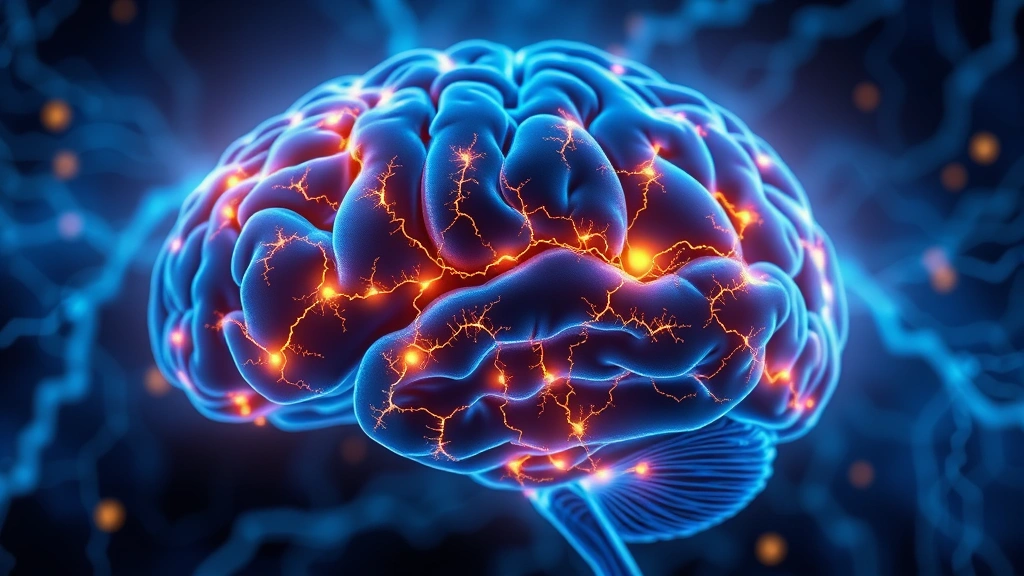
Neuroimaging research reveals the mechanisms underlying mindfulness’s therapeutic effects. Functional MRI studies show that regular mindfulness practice increases gray matter density in the prefrontal cortex while reducing amygdala reactivity—precisely the neural changes needed for trauma recovery. The National Institute of Mental Health has documented these neuroplastic changes, demonstrating that mindfulness literally rewires trauma-affected brains.
Dr. Willoughby Britton, neuroscientist at Brown University, has conducted extensive research on how mindfulness affects trauma processing. Her findings indicate that mindfulness helps individuals develop what researchers call “decentering”—the ability to observe thoughts and sensations as temporary mental events rather than absolute truths. This capacity proves particularly valuable for PTSD sufferers who experience intrusive memories as overwhelming present-moment realities.
Meta-analyses examining multiple randomized controlled trials consistently demonstrate that mindfulness-based interventions produce significant reductions in PTSD symptom severity. Effect sizes range from moderate to large, with particular efficacy for hyperarousal and emotional dysregulation symptoms. Long-term follow-up studies show that benefits persist and often continue improving months after intervention completion, suggesting that mindfulness creates lasting neurobiological changes.
A 2022 systematic review in Frontiers in Psychology examined 47 studies and concluded that mindfulness-based interventions warrant classification as evidence-based treatments for PTSD, particularly when integrated with cognitive-behavioral approaches.
Comparing Therapeutic Modalities
While mindfulness shows remarkable promise, experts emphasize that it functions most effectively as part of comprehensive treatment rather than as a standalone intervention. Cognitive Processing Therapy (CPT) and Prolonged Exposure (PE) remain gold-standard PTSD treatments according to the Veterans Affairs and Department of Defense clinical practice guidelines.
However, these approaches sometimes struggle with individuals who experience severe dissociation or who have difficulty tolerating the emotional intensity of exposure-based work. This is where mindfulness offers particular value. By helping survivors develop capacity to observe internal experiences without becoming overwhelmed, mindfulness can prepare individuals for more intensive trauma processing. Many trauma specialists now recommend sequencing: beginning with stabilization and mindfulness practices before progressing to trauma-focused cognitive-behavioral therapies.
The relationship between different therapeutic disciplines extends beyond psychology. Understanding how physical therapy addresses neurological conditions illuminates how mind-body interventions work. Similarly, the comprehensive therapy resources available on MindLift Daily demonstrate how integrated approaches serve trauma survivors better than isolated modalities.
Some experts advocate for what’s termed “third-wave” cognitive-behavioral approaches, which include mindfulness, acceptance and commitment therapy (ACT), and dialectical behavior therapy (DBT). These methods acknowledge that complete symptom elimination may be unrealistic; instead, they emphasize developing a changed relationship to symptoms. This paradigm shift proves particularly liberating for chronic PTSD sufferers who have experienced repeated treatment disappointments.
Practical Implementation Strategies
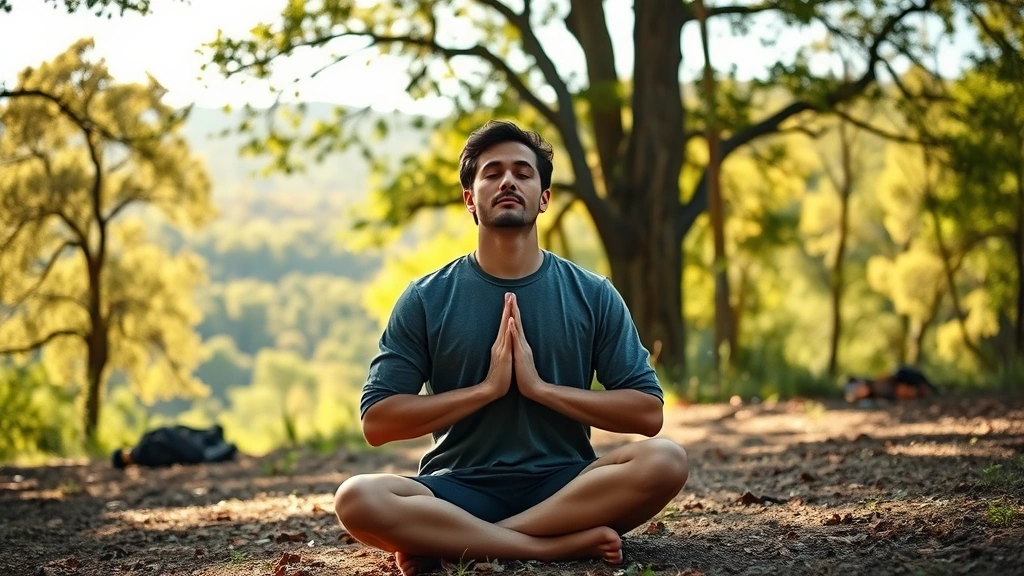
Mental health professionals implementing mindfulness for PTSD employ several practical strategies. Body scan meditation forms a foundational practice, where individuals systematically move attention through different body regions. For trauma survivors, this practice rebuilds the sense of bodily safety and interoceptive awareness—the ability to perceive internal bodily states—which trauma often disrupts.
Breathing-based practices require careful adaptation for trauma survivors. While deep breathing helps many people, some PTSD patients experience breathing focus as triggering, particularly those with trauma involving physical restraint or suffocation. Skilled practitioners offer choices, allowing survivors to determine their own practice modifications.
Loving-kindness meditation (metta) addresses the self-directed anger and shame common in trauma survivors. This practice involves systematically directing compassionate wishes toward oneself and others, gradually softening the harsh internal narratives that trauma often creates. Research shows loving-kindness practice reduces self-blame and increases self-compassion in PTSD populations.
Walking meditation offers benefits for individuals who find stillness challenging or triggering. This practice combines movement with mindful attention, allowing survivors to cultivate presence while engaging their bodies actively. Many trauma specialists incorporate walking meditation into clinical sessions.
Group mindfulness classes specifically designed for trauma survivors provide both the benefits of mindfulness practice and the therapeutic value of community. Sharing experiences with others who understand trauma creates normalization and reduces isolation. However, trauma-informed facilitation remains essential to ensure safety and prevent inadvertent re-traumatization.
The practical integration of mindfulness with occupational therapy deserves consideration. When exploring complementary therapeutic modalities and understanding how long specialized training requires, individuals often wonder about the educational pathways. Questions about occupational therapy training duration and comparison with physical therapy reflect broader interest in how professionals become qualified to integrate these approaches effectively.
Challenges and Considerations
Despite compelling evidence, mindfulness for PTSD encounters legitimate challenges and limitations that experts acknowledge. The phrase “just be present with your experience” can feel invalidating to someone experiencing severe flashbacks or panic attacks. Critics argue that mindfulness rhetoric sometimes minimizes the legitimate need for symptom reduction, potentially pressuring trauma survivors to accept their suffering as acceptable.
Adverse effects, while relatively uncommon, do occur. Some individuals experience increased anxiety, dissociation, or re-traumatization during mindfulness practice. These risks particularly affect individuals with complex PTSD, dissociative disorders, or active substance use. Proper screening, trauma-informed instruction, and therapist availability for processing difficulties prove essential.
Access remains a significant barrier. While mindfulness costs less than traditional therapy, not all communities offer trauma-sensitive mindfulness instruction. Online programs help but cannot fully substitute for in-person guidance, particularly for individuals with severe symptoms. Additionally, cultural factors influence mindfulness acceptability; some individuals find secular mindfulness instruction misaligned with their spiritual or religious beliefs.
The debate between mindfulness as active treatment versus mindfulness as complement continues in academic literature. Some researchers argue that mindfulness’s benefits derive primarily from increased attention and therapeutic contact rather than from mindfulness-specific mechanisms. This discussion highlights the importance of rigorous research methodology and appropriate control conditions.
Timing proves crucial; premature mindfulness practice before adequate stabilization can overwhelm fragile nervous systems. Expert consensus emphasizes that mindfulness works best after initial trauma stabilization and safety establishment, typically following several sessions of psychoeducation and grounding techniques.
FAQ
How long does it take mindfulness to help PTSD symptoms?
Research indicates that meaningful symptom reduction often emerges within 8-12 weeks of consistent practice, though individual timelines vary significantly. Some individuals notice improvements in sleep and hyperarousal within days, while emotional processing and intrusive thought reduction may require months of practice. Sustained benefits typically increase over 6-12 months as neuroplastic changes deepen.
Can mindfulness replace trauma-focused therapy?
Experts generally recommend mindfulness as a complement to evidence-based trauma therapies like CPT or PE rather than as a replacement. Mindfulness excels at nervous system regulation and developing observing capacity, while trauma-focused approaches directly process traumatic memories. Combined approaches often produce superior outcomes than either modality alone.
Is mindfulness safe for all PTSD survivors?
While generally safe, mindfulness requires trauma-informed adaptation for survivors with dissociative symptoms, severe re-traumatization risks, or active substance use. Proper screening, skilled instruction, and therapist availability for processing difficulties prove essential. Some individuals benefit more from movement-based or body-focused approaches initially.
What’s the difference between mindfulness and meditation?
Meditation refers to formal practices where individuals sit or lie still and focus attention, while mindfulness describes a broader quality of present-moment awareness applicable to all activities. Mindfulness can be practiced during meditation, walking, eating, or any daily activity, making it more accessible and integrable into daily life than formal meditation alone.
How do I find trauma-informed mindfulness instruction?
Look for instructors with specific training in trauma-sensitive mindfulness, certification from reputable organizations, and experience working with PTSD populations. Many mental health clinics now employ mindfulness teachers, and specialized online platforms offer trauma-informed guided practices. Consultation with your therapist helps identify appropriate resources.