
Can Mindfulness Boost Hormone Balance? Experts Weigh In
Hormonal imbalances affect millions of people worldwide, causing fatigue, mood swings, weight fluctuations, and diminished quality of life. While therapy resources and information often focus on pharmaceutical interventions, emerging research suggests that mindfulness practices may play a significant complementary role in regulating hormonal systems. The connection between mental states and physiological hormone production has long fascinated scientists, but only recently have rigorous studies begun to quantify mindfulness’s measurable impact on endocrine function.
The relationship between stress and hormones forms the foundation of this discussion. When we experience chronic stress, our bodies release elevated cortisol levels, which cascade through multiple biological systems and disrupt the delicate balance maintained by thyroid hormones, reproductive hormones, and metabolic regulators. Mindfulness meditation, defined as non-judgmental awareness of present-moment experience, has demonstrated promising effects in clinical trials examining hormonal markers. This article explores the scientific evidence, expert perspectives, and practical applications of mindfulness for hormone balance, while acknowledging when professional medical intervention—potentially including hormone replacement therapy documented with appropriate ICD-10 codes—remains necessary.
Understanding Hormonal Systems and Stress Response
The human endocrine system comprises numerous glands producing hormones that regulate metabolism, reproduction, mood, immune function, and stress responses. The hypothalamic-pituitary-adrenal (HPA) axis represents the central stress-response mechanism, triggering cortisol release during perceived threats. In modern life, psychological stressors—work pressure, relationship conflicts, financial anxiety—chronically activate this system, maintaining elevated cortisol that disrupts other hormonal axes.
This disruption manifests across multiple endocrine systems. The thyroid, responsible for metabolic regulation, often becomes dysregulated under chronic stress. Reproductive hormones including estrogen and testosterone fluctuate abnormally. Insulin sensitivity decreases, increasing diabetes risk. Growth hormone production diminishes, affecting muscle maintenance and recovery. Melatonin secretion becomes irregular, disrupting sleep architecture. Understanding these interconnections reveals why addressing stress through cognitive behavioral therapy for anxiety disorders may provide systemic benefits beyond psychological improvements alone.
Traditional medical approaches to hormonal imbalances often involve pharmaceutical interventions. Clinicians use standardized diagnostic coding systems, including hormone replacement therapy ICD-10 classifications, to document treatments and ensure proper insurance coverage and medical records management. However, an integrative approach combining mindfulness with conventional treatment addresses both the psychological drivers and physiological manifestations of hormonal dysfunction.

The Science Behind Mindfulness and Hormonal Regulation
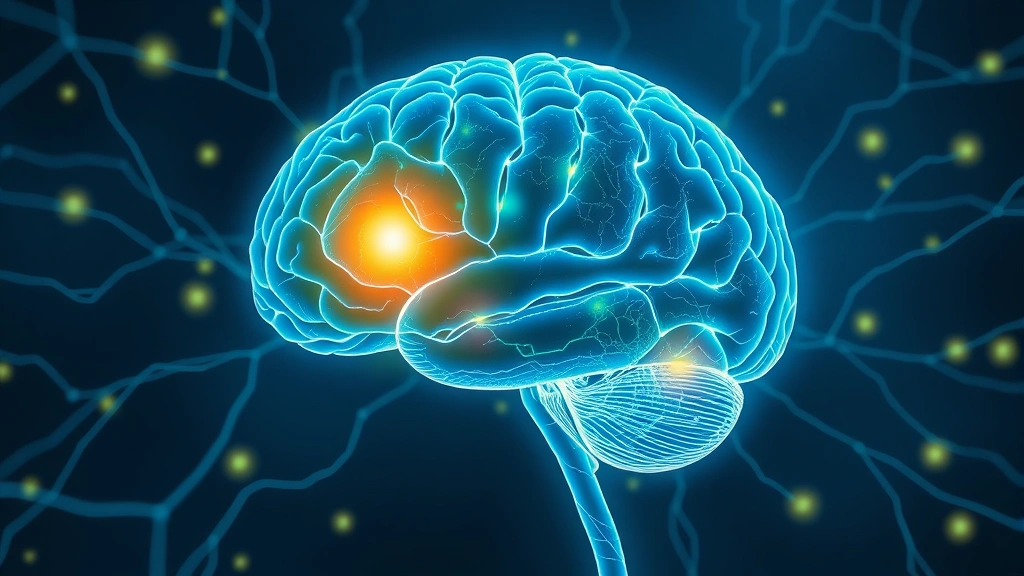
Mindfulness operates through multiple neurobiological pathways affecting hormone production and regulation. Functional neuroimaging studies reveal that meditation practice strengthens the prefrontal cortex—the brain region governing executive function and emotional regulation—while simultaneously reducing amygdala reactivity, the brain’s threat-detection center. This neural remodeling directly impacts HPA axis sensitivity and cortisol secretion patterns.
The parasympathetic nervous system, often called the “rest-and-digest” branch, counterbalances the stress-activated sympathetic system. Mindfulness practices activate parasympathetic pathways through several mechanisms: controlled breathing increases vagal tone, present-moment awareness interrupts rumination cycles that perpetuate stress signaling, and non-judgmental observation reduces the emotional intensity assigned to stressful thoughts. These physiological shifts reduce cortisol baseline levels and blunt cortisol’s reactive spikes.
Research from institutions like the Center for Mindfulness at the University of Massachusetts Medical School demonstrates that consistent mindfulness practice increases heart rate variability—a marker of parasympathetic dominance and cardiovascular health. Enhanced parasympathetic tone directly suppresses cortisol while promoting the release of hormones supporting restoration, including growth hormone during sleep and reproductive hormones during appropriate circadian windows.
Research Evidence: What Studies Show
Peer-reviewed literature increasingly documents mindfulness’s hormonal effects. A meta-analysis published in JAMA Psychiatry examining mindfulness-based stress reduction (MBSR) found significant cortisol reductions in multiple cohorts, with effects comparable to some pharmaceutical anxiolytics. Participants practicing eight weeks of MBSR demonstrated 20-30% reductions in salivary cortisol measurements compared to control groups.
Reproductive endocrinology research shows particular promise. Studies of women with polycystic ovary syndrome (PCOS), a condition involving insulin resistance and hormonal imbalance, found that mindfulness-based interventions improved insulin sensitivity, reduced testosterone levels, and restored more regular menstrual cycles. These improvements occurred alongside measured psychological benefits, suggesting genuine physiological changes rather than merely subjective perception.
Thyroid research from the American Thyroid Association indicates that chronic stress exacerbates autoimmune thyroid conditions like Hashimoto’s thyroiditis. Mindfulness-based interventions reducing perceived stress and inflammatory markers may slow autoimmune progression, though these effects work best alongside conventional thyroid hormone replacement when necessary. Individuals requiring hormone replacement therapy with appropriate ICD-10 coding for documentation purposes should continue professional medical management while integrating mindfulness as complementary practice.
Sleep-related research demonstrates that mindfulness improves melatonin production and sleep quality. Better sleep normalizes cortisol’s circadian rhythm, allowing appropriate morning peaks for alertness and evening declines for sleep onset. This circadian normalization cascades through multiple endocrine systems, improving metabolic hormone function and reproductive hormone timing.
Mindfulness Techniques for Hormone Balance
Effective mindfulness practices for hormonal support include several evidence-backed approaches. Body scan meditation—systematically directing attention through body regions—activates parasympathetic responses while building interoceptive awareness (conscious perception of internal bodily states). This technique particularly benefits people with disconnected relationships to their bodies, common in stress-related conditions.
Breathing exercises, especially extended exhalation techniques where exhale duration exceeds inhale duration, directly stimulate the vagus nerve and parasympathetic activation. Practicing 4-7-8 breathing (inhale for 4 counts, hold for 7, exhale for 8) for five minutes twice daily produces measurable cortisol reductions within weeks.
Loving-kindness meditation generates positive emotional states that counteract the negativity bias perpetuating stress responses. By cultivating compassion toward oneself and others, practitioners reduce inflammatory markers and stress hormone production. This approach particularly supports those experiencing therapy services for stress-related conditions, as it provides accessible daily practice complementing professional support.
Mindful movement practices including gentle yoga, tai chi, and qigong combine physical activity with meditative attention. These practices improve circulation, reduce muscle tension holding stress, and engage proprioceptive awareness. Research shows these modalities produce comparable hormonal benefits to seated meditation while offering advantages for people with physical limitations or those seeking physical therapy treatment approaches.
Consistency matters profoundly. Daily practice of 15-30 minutes produces superior results compared to sporadic longer sessions. Neuroplasticity research indicates that approximately 8-12 weeks of regular practice creates measurable brain changes supporting sustained hormone regulation improvements.
Integration with Professional Treatment
Mindfulness works optimally as part of comprehensive care rather than replacement for necessary medical interventions. Individuals experiencing severe hormonal imbalances—such as those requiring hormone replacement therapy appropriately coded using ICD-10 classifications—benefit from integrated approaches combining pharmaceutical management with mindfulness practice. Medical professionals document such treatments using specific codes (like Z79.4 for long-term hormone replacement therapy) ensuring proper tracking, insurance authorization, and continuity of care.
Collaborative care models involving endocrinologists, mental health professionals offering occupational therapy and related services, and mindfulness instructors produce superior outcomes. Endocrinologists monitor hormone levels and adjust medications as needed, while mindfulness practitioners provide evidence-based meditation instruction tailored to each individual’s condition and preferences.
For those seeking therapy services in their local area, many therapists now receive training in mindfulness-based approaches and can integrate these techniques into treatment. This integration addresses both the cognitive and physiological dimensions of hormonal dysfunction simultaneously.
Limitations and When to Seek Medical Care
While mindfulness offers genuine benefits, it cannot replace necessary medical interventions. Severe hormonal deficiencies—such as complete thyroid failure, severe adrenal insufficiency, or significant reproductive hormone imbalances—require pharmaceutical replacement. Mindfulness enhances but does not substitute for such treatments.
Certain individuals require particular caution with intensive meditation practices. Those with trauma histories or active psychotic symptoms may experience adverse effects from certain techniques, requiring professional guidance from qualified therapy resources before beginning mindfulness training. Qualified instructors screen participants and adapt practices accordingly.
Mindfulness also cannot address all hormonal imbalance causes. Structural issues like pituitary tumors, genetic conditions affecting hormone production, or autoimmune destruction of endocrine tissue require specific medical interventions. However, even in these cases, mindfulness may reduce secondary stress-related hormonal disruption and improve overall wellbeing.
Additionally, mindfulness effects develop gradually. Individuals seeking immediate hormonal symptom relief should pursue medical evaluation rather than relying exclusively on meditation. The optimal approach combines prompt professional assessment, appropriate pharmaceutical interventions when indicated, and mindfulness practice as a complementary strategy supporting long-term hormonal health.
Research from the American Psychological Association emphasizes that integrative approaches produce better long-term outcomes than single-intervention models. Patients combining mindfulness with medical treatment show superior adherence, better symptom management, and improved quality of life compared to those using either approach alone.
FAQ
How quickly does mindfulness affect hormone levels?
Initial changes in stress-responsive hormones like cortisol appear within 2-4 weeks of consistent daily practice, though more substantial improvements typically require 8-12 weeks. Hormones with slower regulatory cycles may take months to normalize.
Can mindfulness alone treat hormone imbalances?
For mild stress-related hormonal dysregulation, mindfulness may provide sufficient intervention. For significant imbalances or deficiencies, mindfulness works best combined with appropriate medical treatment and monitoring.
What type of mindfulness practice works best for hormones?
Research suggests that body scan meditation, breathwork, and loving-kindness meditation produce particularly strong hormonal benefits. However, individual preferences matter—consistent practice of any mindfulness technique outperforms inconsistent practice of the “optimal” technique.
Are there risks to mindfulness practice?
For most people, mindfulness is safe. Individuals with trauma histories or certain psychiatric conditions should work with qualified instructors. Mindfulness should complement, not replace, necessary medical care.
How does mindfulness relate to hormone replacement therapy coding?
While mindfulness itself requires no special medical coding, individuals receiving hormone replacement therapy documented with appropriate ICD-10 codes may benefit from adding mindfulness to their treatment plan. Healthcare providers can document this integration in clinical notes.