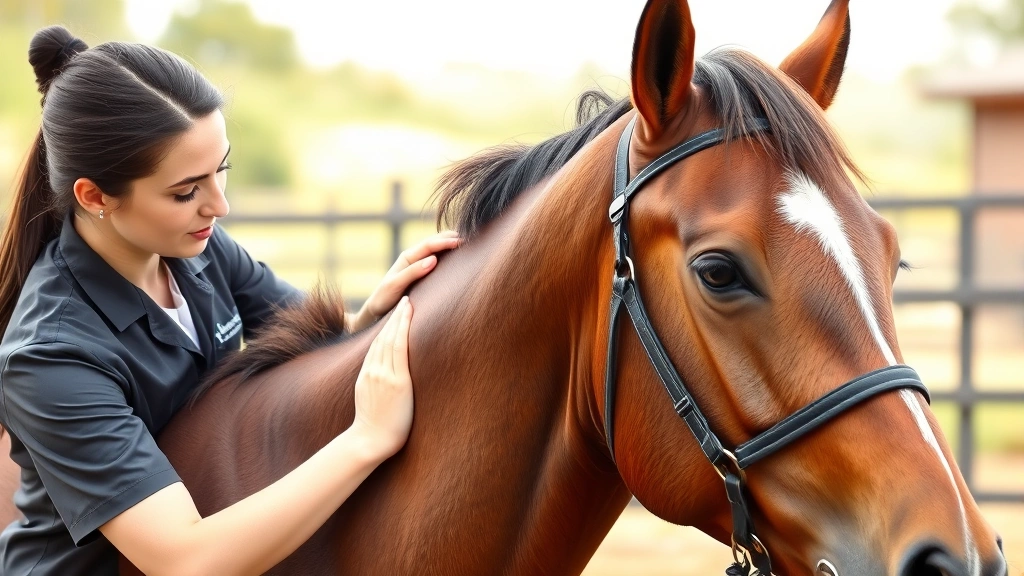
Can Equine Massage Therapy Calm Horses? Vet Insights
Equine massage therapy has emerged as a complementary approach to equine wellness, with horse owners and veterinarians increasingly recognizing its potential benefits for stress reduction and muscular health. This therapeutic practice involves the application of hands-on techniques to a horse’s muscles, tendons, and soft tissues, promoting relaxation and potentially alleviating tension-related conditions. Understanding whether equine massage therapy truly calms horses requires examining the scientific evidence, veterinary perspectives, and practical applications in equine care.
The relationship between physical tension and behavioral responses in horses is well-documented in equine science. Just as humans experience stress manifested through muscle tightness, horses similarly develop muscular tension when anxious, fearful, or experiencing pain. Equine massage therapy addresses this mind-body connection by releasing physical tension, which can subsequently promote a calmer mental state. Many veterinarians now view this therapeutic modality as part of a holistic approach to equine health management, particularly when integrated with traditional veterinary care.
Understanding Equine Massage Therapy Fundamentals
Equine massage therapy encompasses various manual techniques applied to a horse’s soft tissue structures, including muscles, ligaments, tendons, and fascia. Practitioners utilize methods such as effleurage (long, gliding strokes), petrissage (kneading motions), friction techniques, and tapotement (percussion movements) to address different therapeutic goals. Unlike human massage therapy, which operates within a well-established regulatory framework, equine massage exists within a more variable landscape where certification and training standards vary significantly across regions and countries.
The fundamental principle underlying equine massage therapy is that physical manipulation of soft tissues can improve circulation, reduce muscular tension, and stimulate the parasympathetic nervous system—the body’s “rest and digest” mechanism. When a horse’s parasympathetic nervous system activates, heart rate decreases, breathing becomes more regular, and the animal enters a more relaxed physiological state. This physiological shift is often observable through behavioral cues such as lowered head position, softer eye expression, and reduced muscle tension.
Professional equine massage therapists typically undergo training programs ranging from several weeks to two years, depending on the program’s depth and the practitioner’s prior experience. Many practitioners combine equine massage with knowledge of equine anatomy, biomechanics, and behavior to provide more comprehensive care. Some equine massage therapists hold additional certifications in complementary modalities such as red light therapy near me for equine applications, expanding their therapeutic toolkit.
The Physiological Effects on Horse Nervous Systems
The equine nervous system responds distinctly to therapeutic touch, with measurable physiological changes occurring during and after massage sessions. When a trained practitioner applies appropriate pressure and technique, mechanoreceptors in the horse’s skin and muscles send signals to the central nervous system, triggering relaxation responses. This sensory input activates the parasympathetic nervous system while simultaneously reducing sympathetic (fight-or-flight) activation.
Research from equine behavior and physiology studies demonstrates that horses experiencing stress exhibit elevated cortisol levels, increased heart rate variability, and heightened muscle tension. Equine massage therapy directly addresses these stress markers by promoting relaxation at the physiological level. The release of endorphins—the body’s natural pain-relieving and mood-enhancing chemicals—occurs during massage, contributing to the calming effect many horse owners observe.
The vagus nerve, a critical component of the parasympathetic nervous system, plays a particularly important role in equine relaxation responses. Stimulation of the vagus nerve through appropriate massage techniques can lower heart rate, reduce anxiety-related behaviors, and promote digestive function. Horses with heightened anxiety or behavioral issues often show noticeable improvements in these physiological markers following consistent massage therapy sessions.
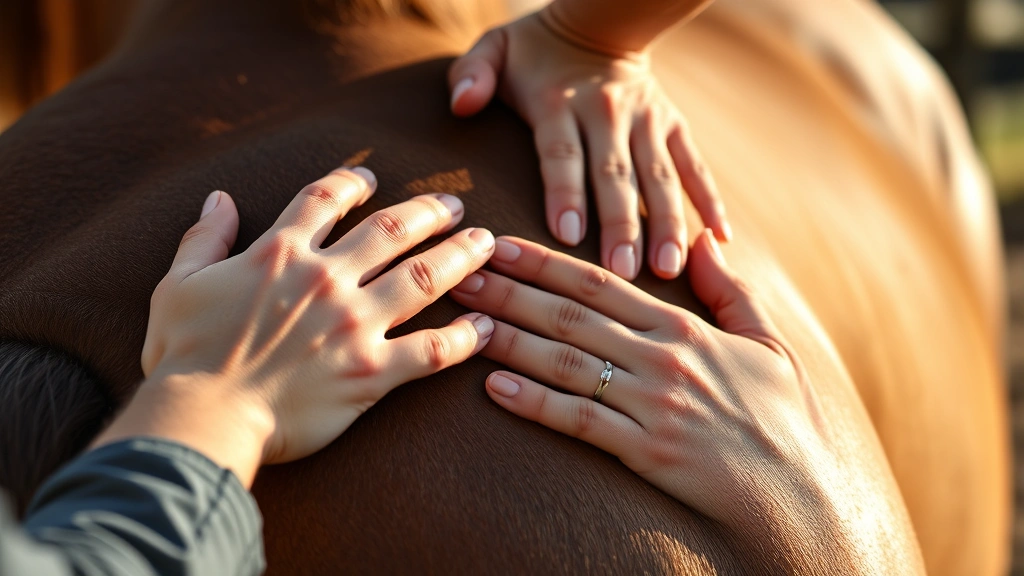
Research Evidence and Veterinary Studies
Scientific investigations into equine massage therapy have yielded promising results, though researchers note that more rigorous, large-scale studies are needed. A significant body of research published in peer-reviewed equine journals has documented measurable improvements in muscle tension, range of motion, and behavioral indicators following massage therapy interventions. Studies examining physical therapy treatment approaches in animals have provided methodological frameworks applicable to equine research.
The American Association of Equine Practitioners has acknowledged equine massage therapy as a legitimate complementary modality, with many members incorporating it into comprehensive treatment plans. Veterinary studies have documented improved performance metrics, reduced injury rates, and enhanced recovery in horses receiving regular massage therapy compared to control groups receiving no intervention.
Research from equine research institutions has demonstrated that horses receiving massage therapy show decreased stress-related behaviors, improved movement quality, and enhanced overall well-being. One notable study found that horses receiving regular massage exhibited lower baseline cortisol levels and faster cortisol recovery following stressful events, indicating improved stress resilience.
However, veterinary researchers emphasize that equine massage therapy should complement, not replace, traditional veterinary care. Horses presenting with lameness, behavioral issues, or performance problems require proper veterinary diagnosis before massage therapy can be appropriately recommended. The American Association of Equine Practitioners maintains that massage therapy is most effective when integrated into a comprehensive health management plan developed with qualified veterinary professionals.
Techniques That Promote Relaxation
Specific massage techniques have demonstrated particular effectiveness in promoting equine relaxation and calmness. Effleurage, characterized by long, flowing strokes along the direction of muscle fibers, is particularly effective for initial relaxation and circulation improvement. This technique warms tissues, improves blood flow, and signals to the horse’s nervous system that the environment is safe and non-threatening.
Petrissage, involving rhythmic kneading and lifting of muscle tissue, addresses deeper muscular tension and promotes the release of metabolic waste products accumulated in fatigued muscles. This technique is particularly valuable for horses engaged in regular athletic activity or those experiencing performance-related stress. The combination of mechanical pressure and rhythmic movement creates a meditative-like state in many horses, similar to the relaxation response humans experience during therapeutic massage.
Trigger point therapy, another specialized technique, targets specific areas of muscular tension and pain. When applied appropriately, trigger point release can produce immediate relaxation responses and behavioral changes in horses. Many equine massage practitioners report that horses receiving trigger point therapy frequently exhibit signs of deep relaxation, including lowered head position, soft eye expression, and even audible sighing or groaning as tension releases.
Myofascial release techniques, which address the fascia (connective tissue surrounding muscles), have gained prominence in equine therapy over recent years. By releasing restrictions in fascial tissue, practitioners can improve overall movement quality and reduce compensatory tension patterns that contribute to stress and anxiety in horses.
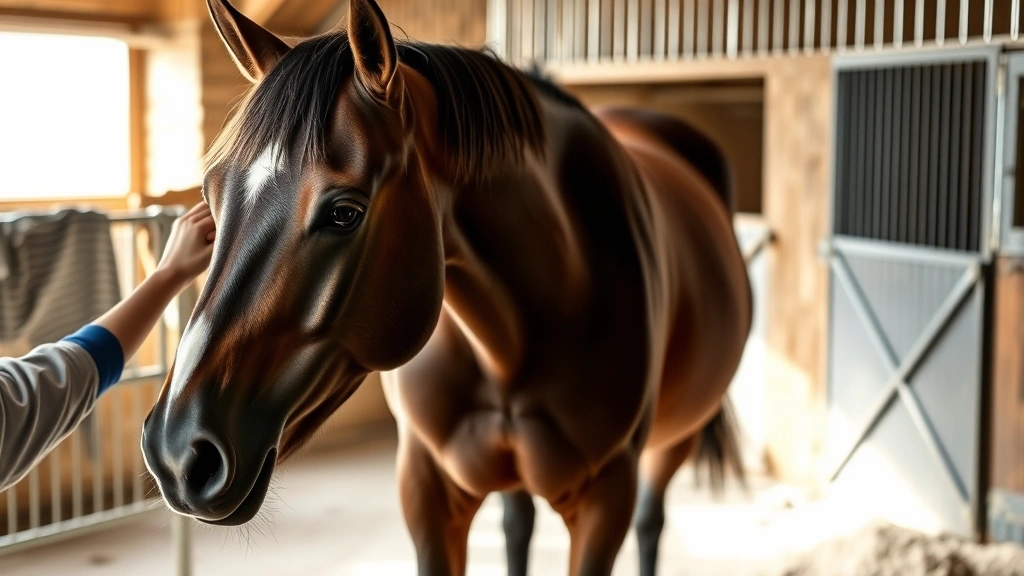
Behavioral Changes After Treatment Sessions
Horse owners and trainers frequently report observable behavioral improvements following equine massage therapy sessions. These changes often manifest as increased calmness during handling, improved responsiveness to training cues, reduced spooking behaviors, and enhanced focus during work sessions. Horses that previously exhibited anxiety-related behaviors such as tail-swishing, ear-pinning, or resistance to mounting often show marked improvement after receiving consistent massage therapy.
The calming effects of equine massage therapy can be immediate or develop gradually with repeated sessions, depending on the individual horse and the underlying causes of stress or tension. Some horses demonstrate visible relaxation during massage sessions, with behavioral indicators such as drooping lower lip, slow blinking, and shifted weight distribution suggesting deep parasympathetic activation. These observable signs correlate with measurable physiological changes including reduced heart rate and respiratory rate.
Long-term behavioral improvements often extend beyond the massage session itself, with horses showing sustained calmness and improved temperament over days or weeks following treatment. This extended benefit suggests that equine massage therapy may help reset the horse’s baseline stress response, making the animal more resilient to future stressors. Trainers working with anxious or reactive horses often integrate massage therapy into their training programs, reporting improved learning capacity and behavioral consistency.
Performance horses receiving regular massage therapy frequently demonstrate improved focus, reduced anxiety during competitions, and enhanced recovery between training sessions. Event horses, dressage competitors, and jumping horses all show documented improvements in performance metrics when massage therapy is incorporated into their training regimens. The connection between physical relaxation and mental clarity appears particularly pronounced in performance contexts.
Integration with Traditional Equine Care
Veterinarians increasingly recommend equine massage therapy as a complementary component of comprehensive equine health management, similar to how therapy cost considerations factor into human healthcare decisions. Integrating massage therapy with traditional veterinary care requires clear communication between the massage therapist and the veterinarian to ensure coordinated, evidence-based treatment planning. This collaborative approach maximizes therapeutic benefits while maintaining appropriate professional oversight.
Equine massage therapy proves particularly valuable in managing chronic pain conditions, post-injury rehabilitation, and behavioral issues with stress-related origins. Horses recovering from lameness injuries or surgical procedures often benefit from massage therapy as part of their rehabilitation protocol, with improved tissue healing and faster return to function compared to rehabilitation without massage intervention. The improved circulation and reduced muscular compensation patterns achieved through massage support the overall healing process.
Preventive applications of equine massage therapy are equally important, with many veterinarians recommending regular sessions for horses in intensive training or competition. Regular massage therapy can identify developing muscle tension patterns early, prevent compensatory movement problems, and maintain optimal muscular function. This preventive approach reduces injury risk and extends the athletic career of performance horses.
Visit the MindLift Daily Blog for therapy resources and information to explore how complementary therapies integrate with traditional care approaches. Understanding the relationship between physical and mental well-being applies across species, with equine applications mirroring human therapeutic principles. The blog provides valuable insights into holistic health management applicable to equine contexts.
Practical Application and Best Practices
Implementing equine massage therapy effectively requires selecting qualified practitioners with appropriate training and certification. Look for practitioners who have completed comprehensive training programs, maintain current knowledge through continuing education, and can clearly articulate their credentials and experience. Professional organizations and certification bodies vary by region, so researching local standards and requirements is essential.
Establishing a consistent massage therapy schedule maximizes therapeutic benefits, with most equine veterinarians recommending sessions ranging from monthly maintenance to weekly intensive treatment, depending on the horse’s individual needs and goals. Horses experiencing acute stress, anxiety, or recovering from injury typically benefit from more frequent sessions, while healthy horses in light work may require only monthly maintenance massage.
Creating an appropriate environment for massage therapy enhances the horse’s ability to relax and benefit from treatment. Quiet, low-stress settings away from distractions facilitate parasympathetic nervous system activation. Many horses receive massage therapy in their stalls or paddocks, familiar environments that promote relaxation. Avoiding massage sessions during times of high stress or excitement—such as feeding time or immediately before work—optimizes the therapeutic response.
Communication between the horse owner, trainer, veterinarian, and massage therapist ensures coordinated care addressing the horse’s specific needs and goals. Sharing information about the horse’s behavior, performance issues, and medical history helps the massage therapist tailor treatment to address underlying causes of stress or tension. This collaborative approach, similar to coordinated human healthcare involving multiple specialists, produces superior outcomes.
Documenting changes in behavior, performance, and physical indicators following massage therapy helps establish the effectiveness of treatment for individual horses. Keeping records of session frequency, techniques employed, and observable improvements provides valuable data for ongoing treatment planning and helps justify continued investment in this therapeutic modality. Many horse owners report that documented improvements in behavior and performance directly correlate with regular massage therapy participation.
For those interested in related therapeutic fields, exploring occupational therapy jobs or speech therapy near me can provide insights into broader therapeutic career pathways and complementary modalities. The principles of therapeutic practice and client care extend across multiple disciplines, including equine therapeutic applications.
FAQ
Does equine massage therapy actually calm horses?
Yes, equine massage therapy does calm horses through physiological mechanisms including parasympathetic nervous system activation, endorphin release, and muscular tension reduction. Observable behavioral changes such as lowered head position, soft eye expression, and reduced anxiety-related behaviors confirm the calming effects. However, individual responses vary based on the horse’s temperament, prior experience with massage, and underlying causes of stress.
How often should horses receive massage therapy?
Frequency depends on individual needs, ranging from monthly maintenance sessions for healthy horses to weekly intensive treatment for those experiencing acute stress or recovering from injury. Consulting with a veterinarian helps determine appropriate frequency for specific horses and goals.
Can equine massage therapy replace veterinary treatment?
No, equine massage therapy should complement, not replace, traditional veterinary care. Horses requiring veterinary diagnosis and treatment for lameness, behavioral issues, or medical conditions need appropriate veterinary evaluation before massage therapy can be recommended as a complementary modality.
What qualifications should equine massage therapists have?
Look for practitioners with completion of comprehensive training programs, current certifications from recognized organizations, continuing education participation, and clear communication about credentials and experience. Standards vary by region, so researching local requirements is important.
Are there any risks associated with equine massage therapy?
When performed by qualified practitioners, equine massage therapy carries minimal risk. However, improper technique or application to horses with certain medical conditions could potentially cause harm. Consulting with a veterinarian before beginning massage therapy ensures appropriate application for individual horses.
How long does it take to see results from equine massage therapy?
Some horses show immediate relaxation responses during or immediately after massage sessions, while others develop sustained benefits gradually over multiple sessions. Most horse owners observe noticeable behavioral improvements within 4-6 weeks of regular massage therapy participation.