
Does Mindfulness Improve Mental Health? Expert Insights
Mindfulness has become one of the most researched and discussed wellness practices in modern mental health treatment. What was once considered an esoteric meditation technique is now integrated into clinical settings, therapeutic protocols, and mainstream healthcare systems worldwide. The question isn’t whether mindfulness exists or has practitioners—it’s whether the scientific evidence supports the claims that it genuinely improves mental health outcomes.
This comprehensive guide examines the current state of mindfulness research, explores expert perspectives, and reveals what the data actually tells us about this transformative practice. Whether you’re considering mindfulness for anxiety, depression, or general psychological well-being, understanding the evidence-based insights will help you make informed decisions about your mental health journey.
What Is Mindfulness and How Does It Work?
Mindfulness is fundamentally about present-moment awareness without judgment. It involves intentionally directing your attention to what’s happening right now—your thoughts, feelings, bodily sensations, and surroundings—while maintaining a non-judgmental, accepting stance toward your experience. This isn’t about clearing your mind or achieving a blank mental state; rather, it’s about observing your mental processes with curiosity rather than resistance.
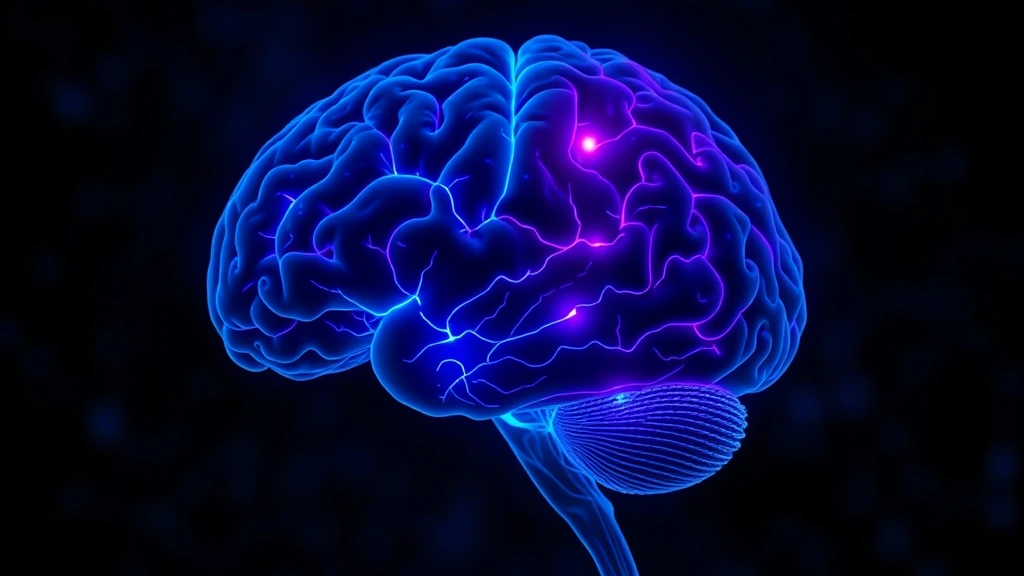
The mechanism behind mindfulness’s effectiveness lies in how it alters our relationship with our thoughts and emotions. Rather than being swept away by anxious thoughts or depressive rumination, mindfulness practitioners develop the capacity to notice these mental patterns without becoming entangled in them. Research from neuroscience shows that regular mindfulness practice strengthens the prefrontal cortex—the brain region responsible for executive function and emotional regulation—while reducing activity in the amygdala, which processes fear and emotional reactivity.
When you practice mindfulness, you’re essentially training your brain to respond more skillfully to stress and emotional challenges. Instead of the automatic reaction pattern (stimulus → emotional reaction → behavior), mindfulness creates space for choice (stimulus → awareness → intentional response). This distinction between reacting and responding represents a fundamental shift in how your nervous system processes difficult experiences.

Scientific Evidence Supporting Mindfulness Benefits
The scientific foundation for mindfulness continues to expand. A landmark meta-analysis published in JAMA Psychiatry examined 47 trials involving over 3,500 participants and found that mindfulness-based interventions showed moderate evidence of improving anxiety and depression. The effect sizes were comparable to those of antidepressant medications for some populations, though researchers emphasized that mindfulness shouldn’t necessarily replace pharmacological treatment.
Neuroimaging studies reveal concrete changes in brain structure and function. Participants who engaged in eight-week mindfulness-based stress reduction (MBSR) programs showed increased gray matter density in the hippocampus—a region crucial for learning and memory—and decreased gray matter density in the amygdala. These changes correlated directly with reduced self-reported stress levels, suggesting that mindfulness produces measurable neurobiological alterations.
Research from institutions like MIT and Stanford University has documented improvements in:
- Anxiety disorders: Reduction in generalized anxiety symptoms with sustained practice
- Sleep quality: Enhanced sleep onset and duration in insomnia patients
- Attention and focus: Improved cognitive performance and working memory
- Pain management: Decreased chronic pain perception and improved pain coping
- Immune function: Enhanced markers of immune system resilience
The consistency of these findings across different research centers and populations strengthens the evidence base considerably. However, it’s important to note that effect sizes vary, and mindfulness doesn’t work universally for everyone at the same level.
Mindfulness for Anxiety and Stress Management
Anxiety disorders represent one of the most common mental health challenges, affecting millions worldwide. Mindfulness-based interventions have emerged as evidence-supported treatments, particularly for generalized anxiety disorder (GAD) and social anxiety. The mechanism is straightforward: anxiety typically involves future-oriented worry and “what-if” thinking. Mindfulness anchors attention in the present moment, where anxiety literally cannot exist—you cannot be anxious about something happening right now.
Studies demonstrate that even brief mindfulness practices yield measurable anxiety reduction. A 10-minute daily mindfulness meditation can lower cortisol levels (the primary stress hormone) and reduce heart rate variability associated with anxiety. When practiced consistently over weeks and months, mindfulness produces sustained anxiety reduction that often rivals cognitive-behavioral therapy (CBT) for certain anxiety presentations.
For stress management specifically, mindfulness addresses both the physiological and psychological dimensions. The American Psychological Association recognizes mindfulness-based stress reduction as an evidence-based practice. Organizations from healthcare systems to corporate environments now implement mindfulness programs to reduce employee burnout and improve workplace mental health. The accessibility of mindfulness—requiring no equipment and minimal time investment—makes it particularly valuable for stress management in busy modern life.
When combined with other therapy cost considerations, mindfulness offers a cost-effective complementary approach. Many people find that integrating mindfulness with professional therapy resources and information from comprehensive mental health platforms enhances their overall outcomes.
Depression, Emotional Regulation, and Mindfulness
Depression presents unique challenges for mindfulness practice because depressive symptoms often include low motivation and difficulty concentrating—both obstacles to meditation. However, research specifically addressing mindfulness for depression shows promising results. Mindfulness-Based Cognitive Therapy (MBCT), developed by Zindel Segal and colleagues, was originally designed to prevent depressive relapse and has proven highly effective.
The mechanism differs from anxiety treatment. Depression often involves rumination—repetitive, circular thinking about negative experiences and self-perception. Mindfulness interrupts this rumination cycle by training practitioners to notice when their mind has become stuck in depressive thought patterns and gently redirecting attention. Rather than fighting the negative thoughts or trying to replace them with positive ones, mindfulness teaches acceptance and non-engagement with depressive cognition.
Emotional regulation—the capacity to experience emotions without being overwhelmed by them—represents a core mechanism through which mindfulness improves mental health. People with depression often struggle with emotional numbness or conversely, with emotional intensity that feels unmanageable. Mindfulness develops the middle path: experiencing emotions fully while maintaining psychological flexibility and resilience.
Research shows that individuals who practice mindfulness demonstrate improved emotional awareness and faster recovery from negative emotional states. The prefrontal-limbic pathway strengthens, meaning the rational, thinking brain develops better communication with the emotional brain, creating more balanced responses to life circumstances.
Mindfulness in Clinical Settings
Healthcare institutions worldwide have integrated mindfulness into clinical practice. Hospitals offer mindfulness programs for pain management, particularly valuable for patients dealing with chronic conditions. Mental health clinics use mindfulness as a foundational component of treatment protocols. The integration extends beyond psychiatry into general medicine, where mindfulness helps patients cope with medical diagnoses and treatment-related stress.
Therapists increasingly incorporate mindfulness techniques into sessions, teaching clients practical skills they can deploy between appointments. This represents a significant shift from traditional talk therapy alone toward skills-based interventions. Patients working with physical therapy treatment providers sometimes benefit from mindfulness practices that complement their rehabilitation work, particularly when addressing chronic pain or post-injury emotional challenges.
The National Institute of Mental Health has funded extensive research on mindfulness interventions, recognizing their potential to address treatment gaps and provide accessible mental health support. Clinical guidelines now often recommend mindfulness as a first-line or adjunctive treatment for multiple mental health conditions.
Integration into clinical settings also means mindfulness is being studied with greater rigor. Randomized controlled trials now compare mindfulness directly against other active treatments, placebo conditions, and waitlist controls. This methodological sophistication strengthens confidence in the findings while also revealing nuances about who benefits most and under what conditions.
Combining Mindfulness with Other Therapeutic Approaches
Evidence increasingly supports mindfulness as most powerful when combined with other evidence-based interventions rather than as a standalone treatment. Mindfulness-Based Cognitive Therapy combines mindfulness with cognitive therapy principles, creating a hybrid approach that addresses both the awareness component and the thought-pattern component of mental health struggles.
Dialectical Behavior Therapy (DBT), originally developed for borderline personality disorder, incorporates mindfulness as a foundational skill. Clients learn mindfulness techniques alongside distress tolerance, emotion regulation, and interpersonal effectiveness skills. This integration creates a comprehensive toolkit for managing complex mental health challenges.
For individuals seeking speech therapy near me or other specialized therapeutic services, combining mindfulness with condition-specific treatment often yields superior outcomes. Someone managing anxiety alongside speech challenges, for instance, might use mindfulness to reduce performance anxiety while working with a speech-language pathologist on specific communication skills.
Mindfulness also complements pharmacological treatment. Patients taking antidepressants or anti-anxiety medications who add mindfulness practice often report enhanced benefits and sometimes require lower medication doses. The combination addresses different mechanisms: medication helps restore neurochemical balance while mindfulness trains the mind to respond more skillfully to psychological challenges.
Career professionals, including those exploring occupational therapy jobs, increasingly recognize the value of recommending mindfulness to clients as part of comprehensive treatment planning. This integrated approach reflects the current evidence base suggesting that multimodal treatment typically outperforms single interventions.
Potential Limitations and Considerations
While mindfulness benefits are substantial, important limitations and contraindications deserve attention. Mindfulness isn’t universally beneficial; some individuals experience increased anxiety or dissociation when practicing meditation. People with certain trauma histories, particularly those with untreated post-traumatic stress disorder, may find that turning attention inward during meditation triggers distressing memories. In these cases, mindfulness requires careful implementation alongside trauma-informed therapy.
Mindfulness also requires consistent practice to produce meaningful benefits. Single meditation sessions provide temporary calming effects, but sustained mental health improvements typically require regular practice over weeks or months. Many people struggle with consistency, leading to disappointment when expecting quick results. Realistic expectations about the timeline for benefits help maintain motivation.
The quality of mindfulness instruction matters significantly. Poorly taught mindfulness can reinforce unhelpful patterns like perfectionism (“I’m meditating wrong”) or spiritual bypassing (using meditation to avoid addressing real problems). Working with trained instructors or using evidence-based programs like MBSR ensures proper technique and appropriate guidance.
Additionally, mindfulness shouldn’t replace necessary medical or psychiatric treatment. For severe depression or acute psychosis, medication and intensive therapy are essential. Mindfulness functions best as a complementary practice within comprehensive treatment. People exploring red light therapy near me or other complementary treatments alongside mindfulness should discuss all approaches with their healthcare provider to ensure integrated, safe care.
Research also reveals that mindfulness benefits plateau for some individuals. After initial improvements, some practitioners experience diminishing returns without additional instruction or deepening of practice. This suggests that mindfulness is not a “set it and forget it” solution but rather an ongoing skill development process.
Frequently Asked Questions
How long does it take for mindfulness to improve mental health?
Most research studies examine eight-week programs, and participants typically report noticeable improvements within this timeframe. Some benefits appear within days—improved sleep or reduced immediate anxiety. Deeper changes in mood regulation and emotional resilience typically emerge over months of consistent practice. Individual variation is significant; some people experience rapid benefits while others require longer adaptation periods.
Can mindfulness replace medication for anxiety or depression?
For mild to moderate cases, mindfulness can sometimes reduce symptoms enough that medication becomes unnecessary, though this should only be decided in consultation with a psychiatrist or physician. For moderate to severe mental health conditions, mindfulness works best as a complement to medication rather than a replacement. Abruptly discontinuing psychiatric medication is dangerous and should never be done without medical supervision.
What’s the difference between mindfulness and meditation?
Mindfulness is a mental state characterized by present-moment awareness without judgment. Meditation is a practice through which you cultivate mindfulness. Meditation involves structured techniques like focused breathing or body scanning, while mindfulness can be practiced informally throughout daily activities—eating mindfully, walking mindfully, or listening mindfully during conversations.
Is mindfulness suitable for everyone?
Mindfulness benefits most people, but it’s not universally appropriate. Individuals with active psychosis, certain dissociative disorders, or unprocessed trauma may need modified approaches or preparation before beginning mindfulness practice. Anyone with significant mental health conditions should consult their healthcare provider before starting a mindfulness program.
How does mindfulness compare to other mental health treatments?
Research indicates that mindfulness produces comparable benefits to cognitive-behavioral therapy for anxiety and depression, with some studies showing slightly faster symptom reduction with CBT initially, but comparable long-term outcomes. Mindfulness offers advantages of accessibility, low cost, and applicability across multiple conditions. The ideal approach often combines mindfulness with other evidence-based treatments tailored to individual needs.
Can I practice mindfulness if I have ADHD?
Mindfulness can be beneficial for ADHD, though standard meditation may be challenging due to attention difficulties. Modified approaches like movement-based mindfulness, shorter practice periods, or guided meditations specifically designed for ADHD work better than traditional sitting meditation. Working with an instructor experienced in ADHD is helpful for developing an appropriate practice.