Can EECP Therapy Improve Mental Health? Studies Reveal
Enhanced External Counterpulsation (EECP) therapy has traditionally been recognized as a cardiovascular treatment, but emerging research is unveiling its potential impact on mental health and psychological well-being. This non-invasive therapeutic technique, which uses synchronized air pressure cuffs around the legs to improve blood flow, is gaining attention from mental health professionals and researchers exploring innovative approaches to treating depression, anxiety, and cognitive decline.
The connection between cardiovascular health and mental health is well-established in medical literature, and EECP therapy operates at this critical intersection. By enhancing cerebral blood flow and promoting neuroplasticity, EECP may offer therapeutic benefits that extend far beyond traditional cardiac applications. Understanding these mechanisms and the current research landscape is essential for anyone considering this therapy as a complementary mental health intervention.
What Is EECP Therapy and How Does It Work?
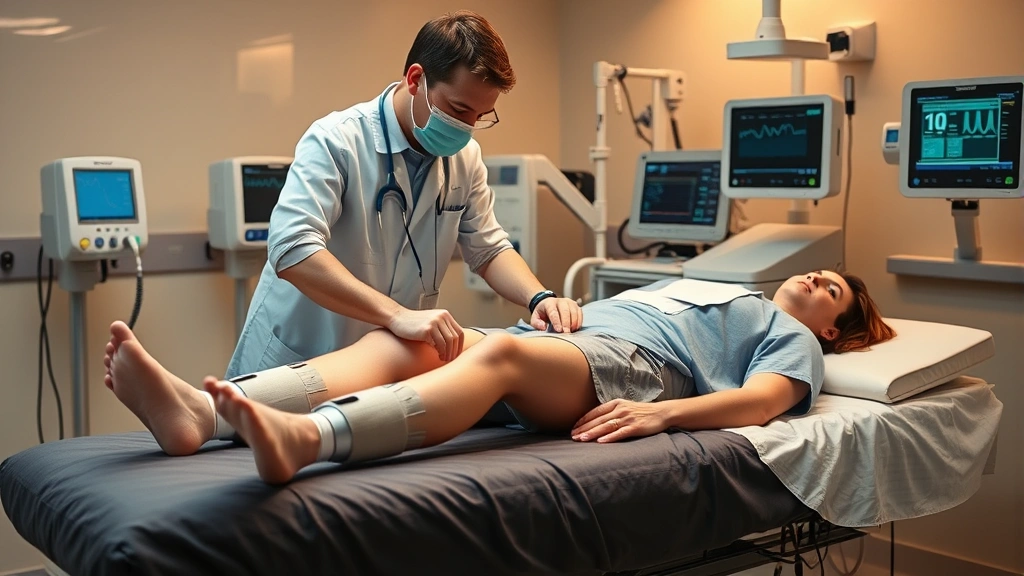
Enhanced External Counterpulsation (EECP) is a non-invasive outpatient treatment that uses pneumatic cuffs placed around the lower extremities to enhance blood circulation. During each treatment session, which typically lasts 60 minutes, the cuffs inflate and deflate in synchronized rhythm with the patient’s heartbeat. This coordinated pumping action creates a wave of increased pressure that moves blood toward the heart and brain during the diastolic phase of the cardiac cycle.
The therapeutic mechanism involves several physiological processes. When the cuffs inflate during diastole (when the heart is relaxing), they propel blood retrograde toward the aorta and coronary arteries, significantly increasing diastolic pressure. Conversely, when the heart enters systole (contraction), the cuffs deflate, reducing peripheral resistance and allowing the heart to pump more efficiently. This synchronized counterpulsation creates what researchers call “diastolic augmentation,” which can improve coronary and cerebral perfusion.
Standard EECP therapy protocols typically involve 35 one-hour sessions conducted over a seven-week period, though variations exist based on individual patient needs and treatment goals. The procedure is completely non-invasive, requires no medications or surgical interventions, and patients remain awake and alert throughout treatment. Many individuals use treatment time productively by reading, watching videos, or working on laptops while receiving therapy.
The technology behind EECP has been refined over several decades. FDA approval for cardiovascular applications was granted in 1995, and since then, the equipment has become increasingly sophisticated with real-time monitoring capabilities and personalized pressure adjustments. Modern EECP systems use computer-controlled algorithms to optimize treatment parameters for each individual patient’s hemodynamic profile.
The Brain-Heart Connection in Mental Health
The bidirectional relationship between cardiovascular health and mental health has become increasingly apparent in contemporary neuroscience and psychology. Poor cardiovascular function is associated with higher rates of depression, anxiety, and cognitive impairment, while mental health conditions like chronic stress and depression contribute to cardiovascular disease. This interconnection suggests that therapies targeting cardiovascular function may have measurable psychological benefits.
Cerebral blood flow is fundamental to optimal brain function and mental health. The brain consumes approximately 20% of the body’s oxygen supply despite comprising only 2% of body weight, making adequate circulation essential for neuronal health and function. When cerebral perfusion is compromised, neurons may not receive sufficient oxygen and nutrients, leading to reduced neurotransmitter production, impaired synaptic plasticity, and potentially contributing to mood disorders and cognitive decline.
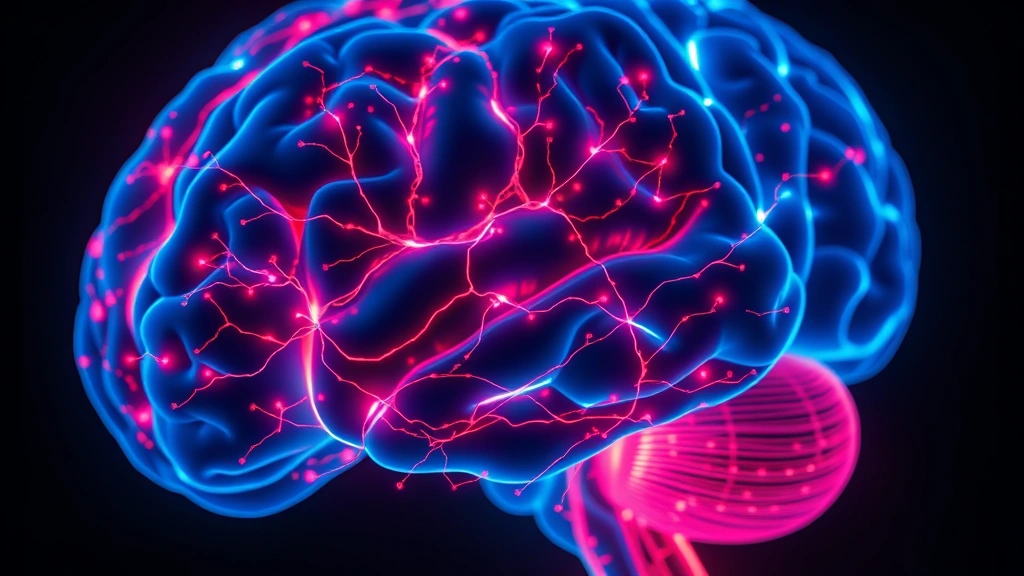
EECP therapy’s capacity to enhance cerebral blood flow may address this fundamental issue. By increasing diastolic pressure and improving vascular function, EECP potentially delivers more oxygen and glucose to brain tissue, supporting optimal neurotransmitter synthesis and neuroplasticity. This improved metabolic environment may create conditions favorable for mood regulation, anxiety reduction, and enhanced cognitive processing.
Additionally, EECP therapy may influence the autonomic nervous system, which controls involuntary functions including heart rate, blood pressure, and stress responses. Patients undergoing EECP often report improved sleep quality, reduced anxiety symptoms, and better stress tolerance. These improvements may reflect beneficial shifts in autonomic balance, with increased parasympathetic (calming) activation relative to sympathetic (stress) activation.
Research Findings on EECP and Depression
Clinical research exploring EECP’s effects on depression is still emerging, but preliminary studies show encouraging results. A significant body of research has documented EECP’s cardiovascular benefits, and investigators are increasingly examining whether these physiological improvements translate to psychological benefits. Several mechanisms could explain how EECP might alleviate depressive symptoms.
Depression is associated with reduced cerebral blood flow, particularly in frontal and temporal regions responsible for mood regulation and emotional processing. By enhancing global cerebral perfusion, EECP may restore adequate blood flow to these critical brain areas. Enhanced blood flow supports increased production of brain-derived neurotrophic factor (BDNF), a protein essential for neuronal survival, growth, and synaptic plasticity—processes that are typically impaired in depression.
Research from the National Institute of Mental Health and various academic centers has documented that cardiovascular interventions improving blood flow often correlate with mood improvements. While specific EECP studies focused on depression remain limited, the physiological mechanisms align with established understanding of depression’s neurobiology. Some clinicians report observing mood improvements in cardiac patients receiving EECP, though formal psychiatric outcome measures weren’t always primary endpoints in cardiovascular studies.
The vascular depression hypothesis, proposed by leading neuroscientists, suggests that cerebrovascular dysfunction contributes significantly to late-life depression. Under this framework, EECP therapy represents a potentially valuable intervention, as it directly addresses vascular insufficiency. Patients with treatment-resistant depression might particularly benefit from EECP’s vascular enhancement, especially those whose depression correlates with cardiovascular comorbidities.
Ongoing clinical trials are beginning to systematically evaluate EECP’s psychiatric effects. These studies employ standardized depression rating scales, neuroimaging, and biochemical markers to objectively measure changes in depressive symptoms. Early anecdotal evidence suggests meaningful improvements in mood, energy levels, and motivation among some patients receiving EECP therapy.
EECP Therapy for Anxiety and Stress
Anxiety disorders and chronic stress conditions may benefit from EECP therapy through multiple physiological pathways. Anxiety is characterized by autonomic hyperarousal—an overactive stress response system—and heightened sympathetic nervous system activation. EECP’s effects on autonomic balance may help normalize this dysregulated state.
During EECP treatment, patients typically experience a calming effect. The rhythmic, predictable nature of the therapy, combined with the parasympathetic activation stimulated by improved cardiovascular function, creates a relaxation response. This is similar to the mechanisms underlying other successful anxiety treatments like biofeedback and heart rate variability training, which work partly by promoting parasympathetic dominance.
Chronic stress elevates cortisol levels and promotes systemic inflammation, both of which impair cardiovascular and cerebral function. EECP may interrupt this negative feedback loop by improving vascular function and reducing inflammatory markers. As cardiovascular efficiency improves, the body’s stress response system may recalibrate, leading to reduced anxiety sensitivity and improved stress resilience.
Patients receiving therapy resources and mental health information often benefit from multimodal approaches combining multiple treatment modalities. EECP could serve as a complementary anxiety treatment, particularly for individuals whose anxiety correlates with cardiovascular dysfunction or who have experienced limited success with conventional psychiatric medications.
The relationship between panic attacks and cardiac symptoms complicates anxiety treatment in some patients. Individuals with health anxiety may experience panic attacks triggered by normal cardiac sensations. By genuinely improving cardiovascular function and reducing irregular heart rhythms or arrhythmias, EECP may reduce legitimate cardiac triggers for anxiety, providing both physiological and psychological relief.
Cognitive Benefits and Neurological Improvements
Beyond mood and anxiety, EECP therapy may enhance cognitive function and potentially slow age-related cognitive decline. Cognitive impairment frequently accompanies mood disorders, and improving cerebral blood flow could address both simultaneously. Cerebral hypoperfusion is increasingly recognized as a contributor to mild cognitive impairment and early dementia.
Studies examining EECP’s effects on cognitive function have documented improvements in memory, processing speed, and executive function in some patient populations. These improvements align with enhanced cerebral perfusion, as adequate blood flow is prerequisite for optimal cognitive processing. Older adults and individuals with vascular risk factors may derive particular cognitive benefit from EECP therapy.
The mechanism involves multiple factors. Improved blood flow delivers more oxygen and glucose to neural tissue, supporting optimal mitochondrial function and ATP production. Enhanced perfusion promotes neurogenesis—the creation of new neurons—particularly in the hippocampus, crucial for memory formation. Additionally, improved vascular function reduces microinfarcts and white matter disease, common contributors to cognitive decline in aging populations.
Neuroinflammation, characterized by activated microglia and elevated inflammatory cytokines, contributes to both mood disorders and cognitive decline. EECP may reduce neuroinflammation by improving vascular function and reducing hypoxia-related inflammation. This anti-inflammatory effect could benefit multiple neuropsychiatric conditions simultaneously.
For individuals experiencing early intervention approaches to cognitive concerns, EECP represents an emerging option worth exploring. Unlike pharmaceutical interventions, EECP has minimal side effects and may be particularly suitable for older adults taking multiple medications or those with medication sensitivities.

Safety Profile and Contraindications
EECP therapy demonstrates an excellent safety profile across numerous clinical applications. The procedure is non-invasive, requires no anesthesia, and produces no significant systemic side effects in most patients. Adverse events are rare and typically mild when they occur. This safety profile makes EECP particularly valuable for vulnerable populations including elderly individuals, those with multiple comorbidities, and patients unable to tolerate conventional psychiatric medications.
Common mild side effects may include temporary bruising at cuff application sites, minor discomfort during treatment, or transient fatigue following sessions. These effects typically resolve without intervention. Some patients report mild leg soreness similar to mild exercise-related soreness, which dissipates within hours.
Certain conditions represent contraindications to EECP therapy. Uncontrolled hypertension, significant aortic insufficiency, and recent myocardial infarction or unstable angina require medical clearance before EECP initiation. Patients with severe peripheral vascular disease may not be suitable candidates. However, these contraindications primarily relate to cardiac safety rather than psychiatric applications, and many individuals with mental health concerns can safely receive EECP.
Pregnancy represents a relative contraindication, though limited data exists on EECP safety during pregnancy. Patients with active malignancy may not be appropriate candidates. Severe leg edema, recent surgery on the lower extremities, or significant skin conditions affecting the legs may preclude treatment or require modifications.
Pre-treatment evaluation should include comprehensive cardiovascular assessment, blood pressure monitoring, and review of current medications and medical conditions. Patients with mental health conditions considering EECP should undergo full medical evaluation to ensure appropriateness and safety. Psychiatric medications typically do not interact with EECP, though treatment teams should maintain open communication about all interventions.
Combining EECP with Other Mental Health Treatments
EECP therapy demonstrates greatest potential when integrated into comprehensive mental health treatment plans rather than used as monotherapy. Combining EECP with psychotherapy, medication management, and lifestyle interventions creates synergistic benefits addressing mental health from multiple angles simultaneously.
Individuals receiving occupational therapy approaches or other structured interventions often benefit from multimodal treatment designs. Similarly, adults with mental health conditions may optimize outcomes by combining EECP’s physiological benefits with cognitive-behavioral therapy, mindfulness practices, or other evidence-based psychological interventions.
For treatment-resistant depression or anxiety, EECP could serve as an augmentation strategy alongside psychiatric medications. Some patients experiencing inadequate response to antidepressants or anxiolytics may achieve breakthrough improvements when EECP is added. The physiological benefits of improved cerebral perfusion may enhance the efficacy of psychiatric medications by optimizing the neurobiological environment.
EECP also complements lifestyle interventions. Patients undergoing EECP often feel motivated to enhance other health behaviors including exercise, nutrition, and stress management. As cardiovascular fitness improves through EECP, patients may find exercise more tolerable and enjoyable, creating positive feedback loops supporting mental health improvement.
Mental health professionals should consider EECP as one component of individualized treatment planning. Patients interested in therapeutic interventions should discuss EECP possibilities with their treatment teams. Collaborative care models involving cardiologists, mental health professionals, and primary care physicians optimize outcomes and ensure appropriate patient selection and monitoring.
Insurance coverage and accessibility present practical considerations. While EECP has FDA approval for cardiovascular conditions, coverage for psychiatric applications remains limited. Patients should verify insurance coverage and explore financial assistance programs before initiating treatment.
Frequently Asked Questions
What exactly is EECP therapy?
EECP (Enhanced External Counterpulsation) is a non-invasive treatment using pneumatic cuffs around the legs that inflate and deflate synchronized with your heartbeat. This coordinated pumping action increases blood flow to the heart and brain, improving cardiovascular and cerebral perfusion during 60-minute sessions.
How many EECP sessions are typically needed for mental health benefits?
Standard protocols involve 35 one-hour sessions over seven weeks, though treatment duration varies based on individual needs and conditions. Some patients may require fewer sessions while others benefit from extended treatment. Your healthcare provider will determine the appropriate protocol for your specific situation.
Can EECP replace psychiatric medications?
EECP should not replace psychiatric medications without medical supervision. Instead, it works best as a complementary therapy alongside medication and psychotherapy. Patients should never discontinue psychiatric medications without consulting their psychiatrist, even when receiving EECP.
Is EECP therapy painful?
No, EECP is not painful. You may feel firm pressure from the cuffs as they inflate, similar to a blood pressure cuff, but this is not uncomfortable. Most patients find the treatment relaxing and use the time productively by reading or working.
Who should not receive EECP therapy?
Patients with uncontrolled hypertension, severe aortic insufficiency, recent heart attacks, or severe peripheral vascular disease may not be suitable candidates. Pregnant women and those with active malignancy typically should not receive EECP. Comprehensive medical evaluation determines individual appropriateness.
How long do mental health benefits from EECP last?
Research on long-term mental health benefits remains limited, though cardiovascular benefits often persist for months following treatment completion. Some patients maintain improvements with periodic maintenance sessions, while others experience gradual symptom return. Individual responses vary considerably.
What does current research say about EECP and mental health?
While research specifically examining EECP for psychiatric conditions is emerging, strong theoretical rationale exists based on EECP’s ability to improve cerebral blood flow and cardiovascular function. Preliminary clinical observations suggest mood and anxiety improvements, though large-scale randomized controlled trials are needed.
Can EECP help with treatment-resistant depression?
EECP may benefit individuals with treatment-resistant depression, particularly those whose depression correlates with cardiovascular dysfunction or cerebral hypoperfusion. However, evidence remains preliminary, and treatment decisions should involve collaboration between psychiatrists and cardiologists.
How does EECP compare to other mental health treatments?
EECP represents a unique approach targeting vascular function rather than neurotransmitters or psychological processes directly. It complements rather than replaces established treatments like psychotherapy and medication. For many patients, combining EECP with conventional treatments optimizes outcomes.
Where can I receive EECP therapy?
EECP treatment is available at specialized cardiac centers and some comprehensive medical facilities. Availability varies by location. Consult your primary care physician or cardiologist for referrals to accredited EECP treatment centers in your area.
EECP therapy represents a promising frontier in the intersection of cardiovascular medicine and mental health treatment. While research specifically examining psychiatric applications continues evolving, the physiological mechanisms underlying potential mental health benefits are well-grounded in neuroscience. Enhanced cerebral blood flow, improved autonomic balance, and reduced neuroinflammation provide plausible pathways through which EECP could improve depression, anxiety, and cognitive function.
The excellent safety profile and non-invasive nature of EECP make it particularly attractive for individuals seeking alternatives to pharmaceutical interventions or those experiencing inadequate responses to conventional treatments. However, EECP should not replace established psychiatric care but rather complement comprehensive treatment approaches involving psychotherapy, medication management, and lifestyle interventions.
For individuals interested in exploring EECP as a mental health intervention, consultation with both cardiovascular specialists and mental health professionals ensures appropriate patient selection and optimal treatment integration. As research continues, EECP may become recognized as a valuable tool in comprehensive mental health treatment, particularly for patients with concurrent cardiovascular concerns or those seeking multimodal therapeutic approaches.
Understanding the current evidence, safety considerations, and treatment mechanisms empowers individuals to make informed decisions about whether EECP aligns with their mental health goals and medical circumstances. Discussing EECP possibilities with your healthcare team opens opportunities for exploring innovative therapeutic options as part of personalized mental health care.