How Early Language Therapy Aids Development
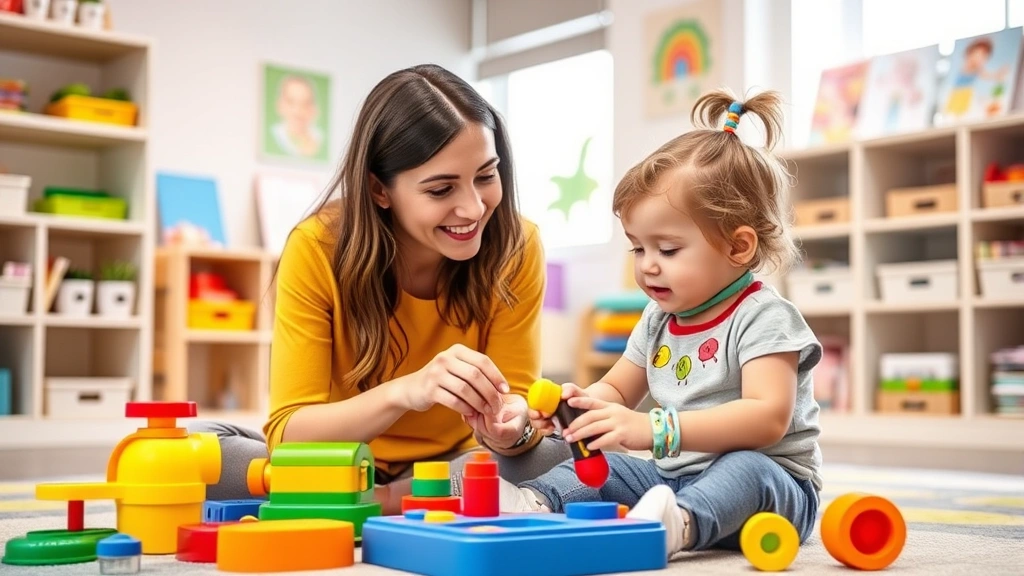
Language development is one of the most critical milestones in a child’s early years, forming the foundation for academic success, social interaction, and emotional expression. When children experience delays or disorders in language acquisition, early intervention can make a profound difference in their developmental trajectory. Early language therapy—also called speech-language pathology intervention—provides targeted support to help children overcome communication challenges during their most formative years when the brain is most receptive to learning and change.
The science of neuroplasticity demonstrates that children’s brains are exceptionally adaptable during early childhood, with neural pathways forming and strengthening based on environmental input and practice. When language therapy begins early, therapists capitalize on this window of opportunity to establish strong communication foundations. Research consistently shows that children who receive timely intervention for language disorders demonstrate significantly better long-term outcomes in literacy, academic performance, and social-emotional development compared to those whose treatment is delayed.
This comprehensive guide explores the multifaceted benefits of early language therapy, examining how intervention strategies support various aspects of development and why timing is critical for optimal results.
Understanding Early Language Development
Language development is a complex process that begins even before birth. Infants are exposed to language patterns in utero and continue absorbing linguistic information from the moment they’re born. By the end of the first year, typically developing children produce their first words. By age two, they combine words into simple phrases. By age three, they construct more complex sentences and engage in conversational exchanges.
This progression follows a relatively predictable timeline, though individual variation is normal. Children develop language across multiple domains: receptive language (understanding what they hear), expressive language (using words and grammar to communicate), pragmatics (using language appropriately in social contexts), and phonology (sound production and organization). When development lags significantly behind age-expected norms in any of these areas, early intervention becomes essential.
Understanding baseline development helps parents and professionals recognize when a child might benefit from speech therapy for toddlers. Early identification requires knowing what typical development looks like and recognizing red flags that suggest delays.
The Critical Window: Why Early Intervention Matters
Neuroscience research reveals that the period from birth to age five represents an extraordinary window for brain development. During these years, the brain forms over one million neural connections per second, with language areas developing at particularly rapid rates. The left hemisphere’s language centers—Broca’s area and Wernicke’s area—undergo significant maturation during early childhood.
Early language therapy capitalizes on this heightened neuroplasticity by providing intensive, targeted practice during the period when the brain is most responsive to language input. Studies published in peer-reviewed journals demonstrate that children receiving early intervention show greater gains in language skills compared to those who begin therapy later. The brain’s remarkable ability to reorganize and form new neural pathways decreases with age, making early intervention not just beneficial but potentially transformative.
The concept of critical periods in language development has been extensively studied. Research indicates that children who don’t receive adequate language input during early years may experience permanent deficits in language capacity, even if they receive therapy later. This underscores why early intervention language therapy represents one of the most cost-effective and impactful health investments possible.
Common Language Disorders Addressed in Early Intervention
Early language therapy addresses a wide spectrum of communication disorders. Specific Language Impairment (SLI) is among the most common, affecting approximately 7-8% of kindergarten-age children. Children with SLI show language delays without accompanying cognitive or hearing impairments. Early intervention helps these children develop stronger language foundations before entering school, where language demands increase dramatically.
Expressive language disorders involve difficulty using language to communicate, even when comprehension is relatively intact. Children might understand what’s said to them but struggle to formulate words, phrases, or sentences. Receptive language disorders present the opposite challenge—difficulty understanding spoken language. Both conditions benefit significantly from early, structured therapy.
Speech sound disorders, where children struggle to produce certain phonemes correctly, also respond well to early intervention. Conditions like apraxia of speech and dysarthria, which involve motor planning or muscle control difficulties respectively, benefit from intensive early therapy that takes advantage of developmental plasticity. Children with conditions like cerebral palsy may benefit from physical therapy treatment for cerebral palsy alongside speech-language services. Similarly, children with Down syndrome physical therapy treatment often includes language intervention components.
Autism spectrum disorder frequently involves language and communication challenges that respond well to early intervention. Early identification and therapy for children on the autism spectrum can significantly improve functional communication and social interaction skills.
How Early Language Therapy Supports Cognitive Development
Language and cognition are deeply intertwined. Language provides the mental tools for thinking, organizing information, and solving problems. When children develop strong language skills early, they simultaneously strengthen cognitive abilities. Early language therapy thus supports broader cognitive development beyond communication itself.
Through structured language activities, children learn to categorize information, recognize patterns, and make connections between concepts. A therapist working on vocabulary expansion isn’t just teaching words—they’re helping children organize their understanding of the world. When a child learns that “dog,” “puppy,” and “poodle” all refer to canines, they’re developing categorical thinking and hierarchical organization of knowledge.
Language therapy activities that involve problem-solving, sequencing, and following multi-step directions directly strengthen executive functioning skills. Children practice working memory when they follow complex instructions. They develop planning abilities when they engage in narrative activities that require organizing events in logical sequence. These cognitive skills transfer to academic learning and everyday functioning.
Research from cognitive psychology demonstrates that children with stronger early language skills show advantages in mathematical reasoning, scientific thinking, and literacy development. Early language therapy essentially provides cognitive scaffolding that supports multiple domains of intellectual development.
Social and Emotional Benefits of Early Therapy
Communication is fundamentally social. Children who struggle with language often experience frustration, social isolation, and reduced confidence. Early language therapy addresses these social-emotional dimensions by helping children express themselves effectively and participate in peer interactions.
When children can communicate their needs, feelings, and ideas, they experience greater autonomy and self-efficacy. They feel more confident engaging with peers and adults. This confidence extends beyond communication into other developmental areas. Children who successfully use newly acquired language skills to connect with others experience positive reinforcement that motivates continued language development.
Peer relationships depend heavily on communication skills. Children who can engage in conversation, understand social cues, and participate in group play develop stronger friendships and experience greater social belonging. Early language therapy helps prevent the social isolation and peer rejection that often accompany communication disorders, protecting children’s mental health and emotional well-being.
Additionally, early successful therapy experiences build resilience and growth mindset. Children learn that effort and practice lead to improvement, a lesson that extends well beyond language development into academic and personal pursuits.
Academic Foundations Built Through Language Therapy
Language skills are the foundation for literacy development. Children who enter kindergarten with strong oral language skills—including vocabulary, grammar, narrative ability, and phonological awareness—are significantly more likely to become successful readers and writers. Early language therapy directly supports these foundational skills.
The relationship between oral language and reading comprehension is particularly strong. Children who understand complex grammatical structures and possess rich vocabulary find reading comprehension more accessible. They can decode words and simultaneously understand meaning. Without strong language foundations, children often struggle with reading despite adequate decoding skills, a phenomenon sometimes called hyperlexia.
Writing development similarly depends on strong language foundations. Children who can express complex ideas orally transition more easily to written expression. Early language therapy that emphasizes narrative development, vocabulary expansion, and grammatical complexity prepares children for the language demands of academic writing.
Research indicates that children receiving early language intervention show measurably better academic outcomes through elementary and middle school. They achieve higher standardized test scores in reading and language arts. They’re less likely to require special education services. They experience greater academic confidence and engagement. The academic benefits of early language therapy extend far beyond early childhood, influencing educational trajectories.
Evidence-Based Therapy Approaches for Young Children
Modern early language therapy employs approaches grounded in research about how children learn. The natural environment approach, supported by extensive research, involves embedding language therapy into everyday routines and activities. Rather than pulling children into clinical settings for isolated drills, therapists coach parents and caregivers to incorporate language targets into daily activities like mealtimes, bath time, and play. This approach proves particularly effective because it provides frequent, naturalistic practice in meaningful contexts.
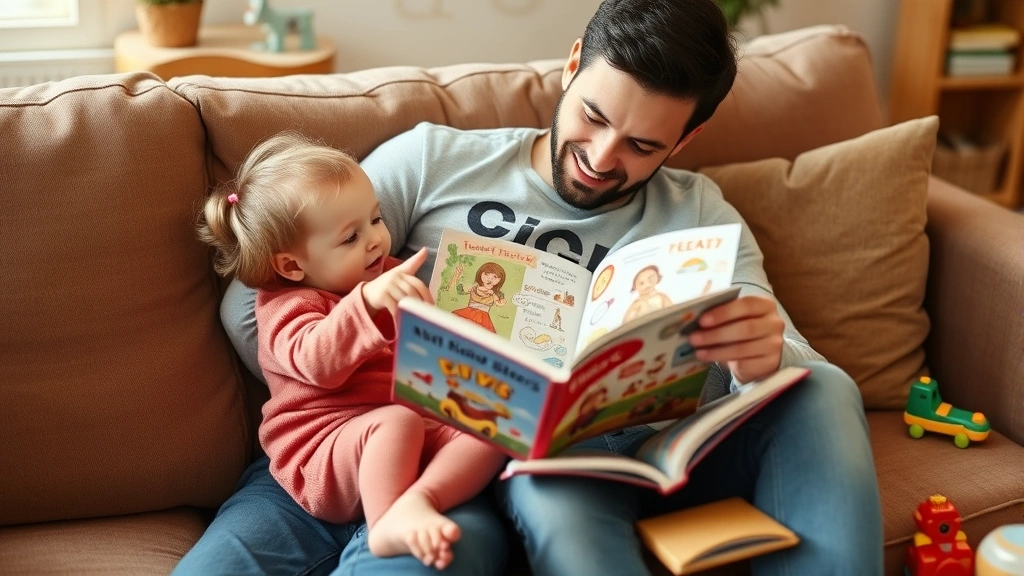
Interactive book reading represents another evidence-based approach. When adults engage children in conversations about stories—asking questions, expanding on children’s comments, introducing new vocabulary in context—children develop language skills efficiently. Research shows that interactive reading produces stronger language gains than passive listening to stories.
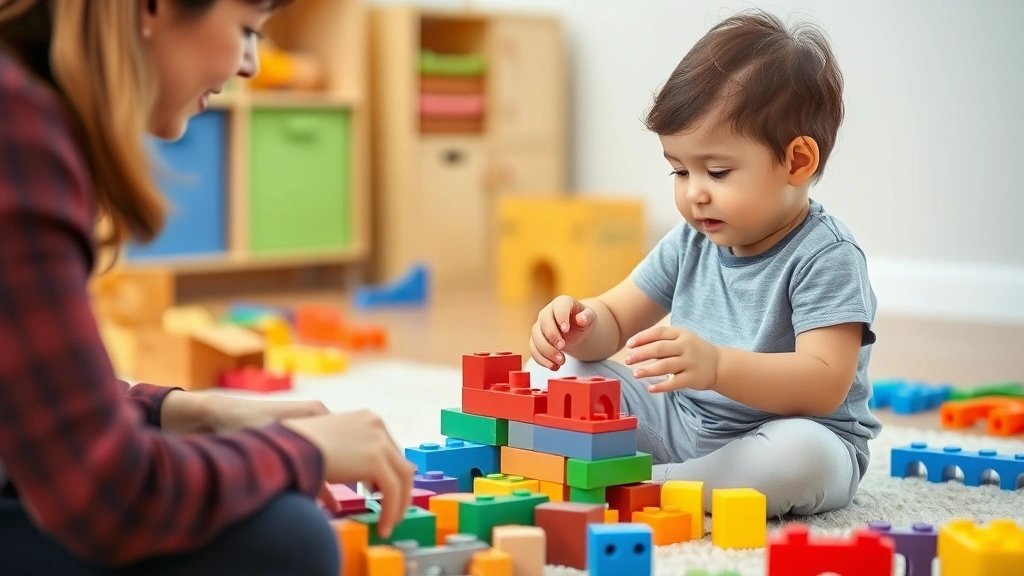
Play-based intervention leverages children’s natural motivation to play. Therapists structure play activities to target specific language goals while maintaining the joy and engagement inherent in play. A therapist might use a toy kitchen to work on verb vocabulary, prepositions, and turn-taking in conversation while the child remains engaged in meaningful play.
Parent coaching represents a critical component of evidence-based early intervention. Parents spend far more time with children than any therapist could. When therapists teach parents specific strategies to support language development, the amount of therapeutic input increases exponentially. Research from the National Institutes of Health demonstrates that parent-implemented intervention produces outcomes comparable to or exceeding direct therapy.
Hybrid models combining direct therapy with parent coaching optimize outcomes. The therapist works directly with the child while also coaching parents to implement strategies at home. This approach provides intensive input while maximizing the child’s learning opportunities throughout the day.
Parental Involvement and Home-Based Strategies
Research consistently demonstrates that parental involvement is one of the strongest predictors of therapy success. Parents who actively participate in their child’s language development see dramatically better outcomes. This involvement doesn’t require specialized training or extensive time commitments—it requires understanding simple strategies that can be incorporated into everyday routines.
Responsive interaction strategies form the foundation of parent-implemented intervention. When parents respond enthusiastically to their child’s communication attempts, expand on what the child says, and provide models of more advanced language, they create an optimal language learning environment. For example, when a child says “doggy,” a parent might respond, “Yes, that’s a big brown dog! The dog is running fast!” This response acknowledges the child’s attempt, models more complex language, and provides new vocabulary in context.
Modeling and expansion techniques involve the parent providing correct forms without explicitly correcting the child. This indirect approach proves more effective than direct correction, which can create anxiety around communication. If a child says “I goed,” the parent might respond, “Yes, you went to the park! You had fun at the park.” The child hears the correct form without feeling corrected.
Creating language-rich environments supports development. This doesn’t mean expensive toys or programs—it means providing varied experiences, talking about what’s happening, asking open-ended questions, and reading together regularly. Research shows that children from language-rich homes hear millions more words by age three, a difference that correlates strongly with language and cognitive outcomes.
Understanding typical development helps parents recognize when additional support might be beneficial. Consulting resources about therapy and wellness resources can help parents access information about developmental milestones and intervention options. Parents concerned about costs can explore how much therapy costs and pricing options, as many insurance plans cover early intervention services.
Measuring Progress and Adjusting Treatment Plans
Effective early language therapy involves ongoing measurement of progress and data-driven decision making. Speech-language pathologists use standardized assessments, curriculum-based measurement, and progress monitoring to track whether children are making adequate gains. If progress stalls, treatment approaches are adjusted.
Progress monitoring typically occurs frequently—sometimes weekly or biweekly—allowing therapists to detect when strategies aren’t working and modify them quickly. This responsiveness to data ensures that therapy remains efficient and effective. A child who isn’t making expected gains on a particular target receives a different approach rather than continuing with an ineffective strategy.
Objective measurement also provides accountability and helps families understand their child’s progress. Rather than vague descriptions of improvement, families see concrete data about vocabulary growth, increased utterance length, improved speech intelligibility, or enhanced social communication skills. This transparency builds confidence in the therapy process and helps families understand the value of continued intervention.
Functional outcome measures assess how language improvements translate to real-world communication. A child might improve on standardized measures but still struggle with functional communication. Therapy that improves both standardized test scores and real-world communication effectiveness represents the gold standard. Therapists regularly assess whether a child can use newly acquired skills to request needs, share information, and engage socially.
Collaboration among therapists, educators, and families ensures consistent, coordinated support. When everyone working with a child uses consistent terminology, targets similar goals, and reinforces the same skills across settings, children learn more efficiently. Regular communication and collaborative goal-setting ensure that therapy addresses priorities identified by families and teachers.
FAQ
At what age should language screening begin?
Language screening should begin during infancy. Pediatricians screen for hearing and early communication development at well-child visits. Formal language assessments can occur at 18-24 months if concerns arise. The earlier potential delays are identified, the sooner intervention can begin, maximizing developmental benefits.
How long does early language therapy typically last?
Duration varies based on the severity of the language disorder, the child’s response to intervention, and family circumstances. Some children make sufficient progress within 6-12 months of intensive therapy. Others benefit from longer-term services. Therapists regularly assess whether continued therapy remains necessary or whether the child has developed sufficient skills to progress without additional support.
Can early language therapy prevent future learning disabilities?
While early language therapy cannot guarantee the prevention of all learning disabilities, it significantly reduces the risk of academic difficulties. Children who develop strong language foundations in early childhood are far less likely to experience reading and writing difficulties. Early intervention addresses foundational skills that support academic learning across domains.
What’s the difference between speech therapy and language therapy?
Speech therapy focuses on sound production and voice quality, while language therapy addresses understanding and using language to communicate. Many children benefit from both services, as speech and language development are interrelated. A comprehensive early intervention program addresses both areas when needed.
How can parents tell if their child needs language therapy?
Red flags include: limited vocabulary for age, difficulty understanding simple instructions, rarely using words or gestures to communicate, speech that’s difficult to understand, limited social interaction, or significant delays compared to same-age peers. Consulting with a speech-language pathologist provides professional assessment and recommendations.
Is early language therapy covered by insurance?
Most insurance plans cover medically necessary speech-language pathology services. Early intervention services for children under three are often provided through public programs at no cost to families. School-based therapy for children three and older is typically provided through special education services. Families should check with their insurance provider and local school district regarding coverage and eligibility.