Physical Therapy for Charcot Marie Tooth: Expert Insights and Treatment Strategies
Charcot-Marie-Tooth (CMT) disease represents a group of inherited neurological disorders affecting the peripheral nerves, causing progressive weakness and atrophy primarily in the feet, legs, and hands. This debilitating condition impacts approximately 1 in 2,500 people worldwide, yet many patients remain unaware of how targeted physical therapy resources and evidence-based interventions can significantly improve their quality of life and functional capacity.
The progressive nature of CMT demands a comprehensive, individualized approach to treatment. Physical therapy stands as a cornerstone intervention, working synergistically with medical management to maintain muscle strength, improve balance, enhance mobility, and prevent secondary complications. Unlike conditions such as cerebral palsy treatment approaches, CMT requires long-term management strategies tailored to the patient’s specific genetic subtype and disease progression trajectory.
This comprehensive guide explores evidence-based physical therapy interventions for CMT, incorporating expert insights, clinical research, and practical strategies that empower patients to maintain independence and optimize their functional outcomes throughout their treatment journey.
Understanding Charcot-Marie-Tooth Disease: Pathophysiology and Classification
Charcot-Marie-Tooth disease encompasses over 100 genetically distinct forms, broadly categorized into demyelinating (CMT1) and axonal (CMT2) variants. The disease primarily affects the peripheral nervous system, causing progressive degeneration of nerve fibers responsible for motor and sensory function. This neurological deterioration manifests as distal muscle weakness, particularly in the lower extremities, leading to characteristic gait abnormalities and functional limitations.
The pathophysiology of CMT involves either defective myelin formation or axonal degeneration, depending on the genetic subtype. CMT1, the demyelinating form, accounts for approximately 70% of cases and typically presents earlier with more pronounced symptoms. CMT2, the axonal variant, generally progresses more slowly. Understanding your specific CMT classification is essential for developing targeted physical therapy interventions, as different subtypes respond variably to treatment approaches.
Research published by the National Center for Biotechnology Information demonstrates that early intervention with structured physical therapy can slow functional decline and maintain quality of life significantly better than conservative management alone. The progressive nature of CMT necessitates ongoing reassessment and program modification throughout the patient’s lifetime.
The Critical Role of Physical Therapy in CMT Management
Physical therapy serves as a fundamental component of comprehensive CMT management, addressing multiple dimensions of the disease’s impact. While no cure currently exists for most CMT variants, physical therapy interventions can preserve existing muscle strength, maintain joint flexibility, improve cardiovascular fitness, and enhance functional independence for extended periods. This proactive approach fundamentally differs from passive disease management, offering patients tangible opportunities to influence their disease trajectory.
The multifaceted benefits of physical therapy include maintaining aerobic capacity through low-impact exercise, preventing contractures and joint deformities, improving proprioception and balance to reduce fall risk, enhancing gait mechanics, and promoting psychological well-being through active participation in treatment. Additionally, physical therapy provides education regarding activity pacing, energy conservation techniques, and strategies for preventing secondary complications such as pressure ulcers or musculoskeletal injuries.
Expert consensus from the Charcot-Marie-Tooth Association emphasizes that individualized, progressive physical therapy programs tailored to each patient’s specific functional limitations yield superior outcomes compared to generic exercise approaches. The integration of physical therapy with occupational therapy, orthotic management, and psychological support creates a holistic treatment framework maximizing patient outcomes.
Professionals seeking to expand their expertise in this specialized area may consider exploring occupational therapy career pathways, which often intersect with physical therapy in managing complex neurological conditions like CMT.
Comprehensive Assessment and Evaluation: Establishing the Baseline
Effective physical therapy begins with thorough, standardized assessment establishing baseline function and identifying specific impairments requiring intervention. Physical therapists utilize validated outcome measures including the CMT Neuropathy Score (CMTNS), which quantifies motor and sensory deficits; the Charcot-Marie-Tooth Examination Score (CMES); and functional mobility assessments such as the Timed Up and Go test and Six-Minute Walk Test.
Detailed evaluation encompasses manual muscle testing using the Medical Research Council Scale, sensory testing protocols, gait analysis, balance assessment through dynamic and static stability measures, and range of motion documentation. These objective measurements provide essential baseline data enabling therapists to track disease progression objectively and modify treatment protocols accordingly. Functional assessments should include activities of daily living (ADL) capacity, instrumental ADL function, and patient-reported outcome measures capturing quality of life dimensions.
Specialized assessments identify foot deformities such as high arches (pes cavus), ankle contractures, and proprioceptive deficits contributing to balance impairment and fall risk. Therapists evaluate cardiovascular fitness capacity, fatigue patterns, pain characteristics, and psychological factors influencing treatment adherence and motivation. This comprehensive evaluation framework ensures treatment plans address the patient’s specific constellation of impairments and functional limitations rather than applying generic protocols.
Strength Training and Muscle Conditioning: Preserving Motor Function
Progressive resistance exercise represents a cornerstone intervention for CMT management, with substantial research evidence supporting its efficacy in preserving muscle strength and slowing functional decline. Unlike intensive resistance training that may prove counterproductive in neuromuscular conditions, CMT patients benefit from moderate-intensity, progressive resistance exercise performed 2-3 times weekly with adequate recovery intervals.
Effective strength training protocols emphasize controlled movements with controlled tempos, avoiding excessive fatigue or eccentric loading that may exacerbate muscle damage. Therapists typically recommend 8-12 repetitions per exercise set, 2-3 sets per muscle group, with progressive resistance increases of 5-10% when patients complete all prescribed repetitions with proper form. Lower extremity strengthening focuses on hip abductors, hip extensors, knee extensors, and dorsiflexors—muscles particularly affected by CMT-related denervation.
Upper extremity strengthening addresses hand intrinsic muscles, wrist extensors, and shoulder stabilizers, maintaining fine motor coordination and functional grasp capacity. Core strengthening enhances trunk stability, improving postural control and reducing compensatory stress on weakened peripheral muscles. Aquatic therapy provides excellent resistance opportunities while reducing joint stress through buoyancy, making it particularly beneficial for patients with advanced disease or significant pain.
Research from peer-reviewed rehabilitation journals demonstrates that consistent resistance exercise maintains muscle strength for 12-24 months in CMT patients, compared to 6-12 months without intervention. Importantly, exercise must be carefully calibrated—excessive intensity may trigger delayed-onset muscle soreness or paradoxical weakness, necessitating expert program design and ongoing supervision.
Balance, Coordination, and Mobility Enhancement: Reducing Fall Risk
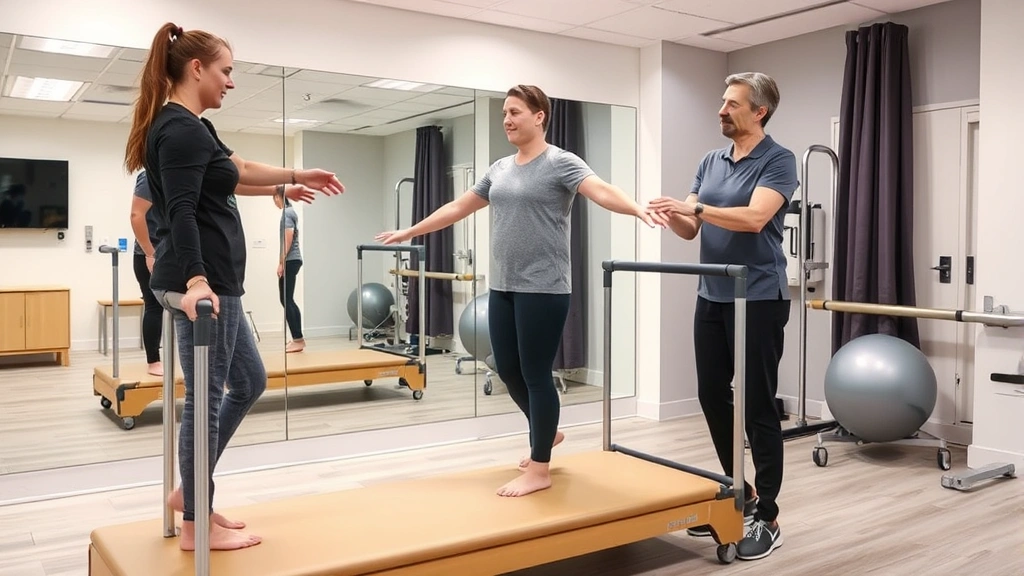
CMT-related peripheral neuropathy produces proprioceptive deficits and distal weakness fundamentally compromising balance and coordination. Physical therapy addresses these impairments through targeted interventions improving vestibular integration, proprioceptive feedback, and dynamic stability. Balance training progresses systematically from static activities in stable environments to dynamic challenges in increasingly complex contexts.
Initial balance interventions emphasize static stability in supported positions, gradually progressing to semi-dynamic activities such as weight shifting and tandem standing. Intermediate training incorporates single-leg stance challenges, perturbation training, and visual feedback manipulation. Advanced programs integrate dual-task training combining balance activities with cognitive challenges, mirroring real-world functional demands where attention divides between environmental navigation and other cognitive tasks.
Proprioceptive retraining through closed-eyes activities, unstable surface training, and movement quality emphasis enhances the nervous system’s capacity to utilize remaining sensory input effectively. Gait training focuses on normalizing walking mechanics, improving step height to reduce tripping risk, and enhancing stride symmetry. Therapists address specific gait deviations such as steppage gait (excessive hip and knee flexion compensating for foot drop) through targeted muscle activation and movement pattern retraining.
Fall prevention strategies extend beyond exercise, encompassing home safety assessment, environmental modification recommendations, and education regarding safe activity pacing. Patients learn to recognize fatigue indicators and adjust activity intensity accordingly, preventing excessive exertion triggering delayed weakness. Therapists educate regarding appropriate footwear selection, adequate lighting in home environments, and strategic furniture placement supporting safe mobility.
Orthotic Devices and Assistive Equipment: Optimizing Function and Safety
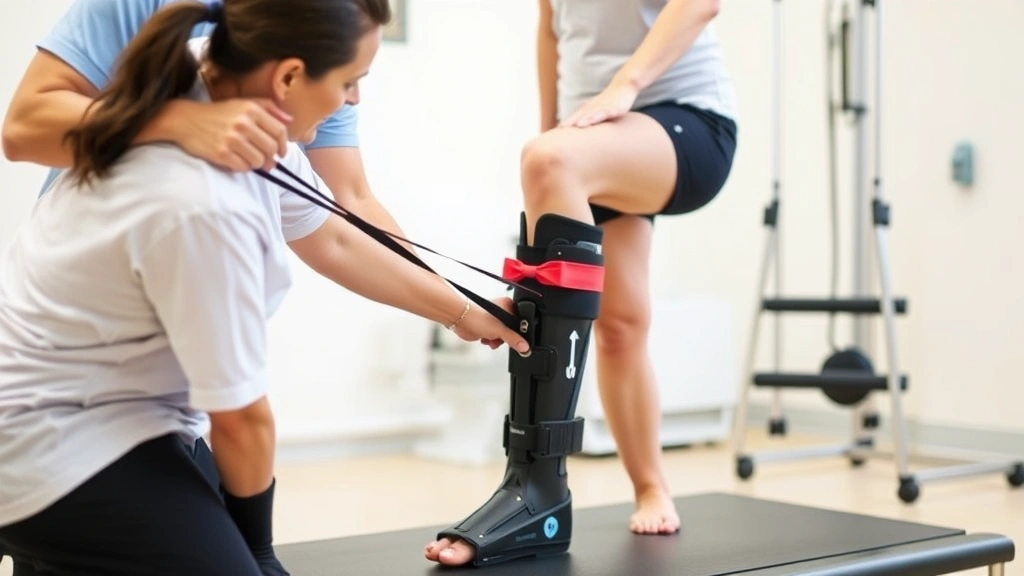
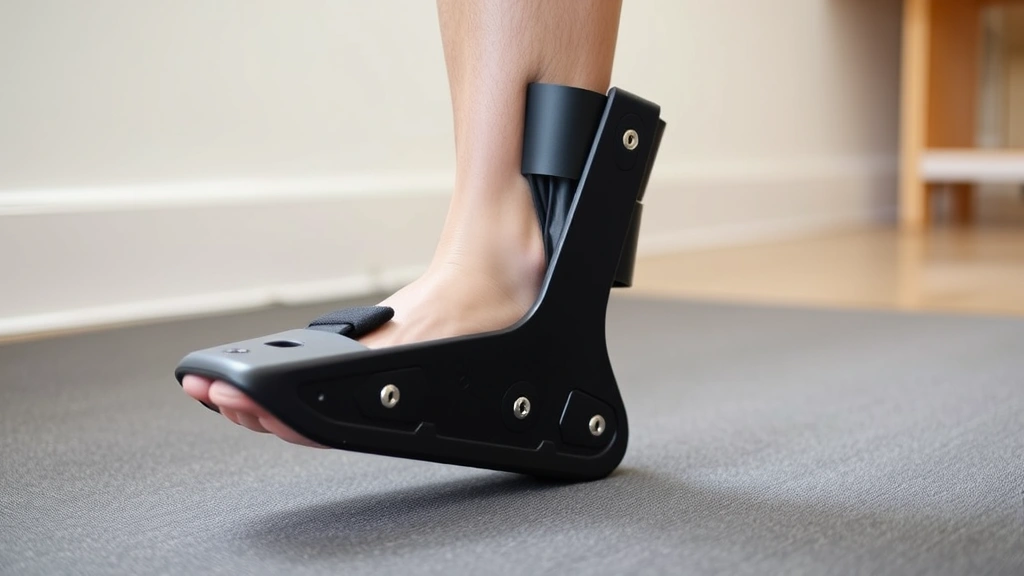
Orthotic interventions represent critical adjuncts to physical therapy, providing external support compensating for progressive muscle weakness and neurological deficits. Ankle-foot orthoses (AFOs) address foot drop and ankle instability, the most common CMT-related functional limitations. Properly fitted AFOs maintain ankle position during swing phase, reducing tripping risk and normalizing gait mechanics while reducing energy expenditure during ambulation.
AFO selection depends on individual weakness patterns, functional goals, and patient preferences. Rigid AFOs provide maximum support for severe foot drop but may feel restrictive. Dynamic AFOs offer intermediate support while preserving some ankle motion. Articulated AFOs permit dorsiflexion during swing while providing plantarflexion resistance during stance. Therapists collaborate with orthotists ensuring optimal fit, comfort, and compliance, as poorly fitted devices encourage non-use despite therapeutic benefit.
Hand orthoses address intrinsic hand muscle weakness affecting fine motor coordination and functional grasp. Thumb opposition splints, metacarpophalangeal extension assists, and wrist extension supports enhance hand function for activities requiring precision manipulation. Patients with significant weakness benefit from adaptive equipment including long-handled reachers, ergonomic utensils, and voice-activated environmental controls reducing physical demand.
Mobility aids progress from canes to walkers as disease advances, with therapist guidance ensuring appropriate selection and training. Canes reduce lower extremity loading by approximately 25%, while walkers provide superior stability for severely weakened patients. Patients benefit from education regarding proper assistive device usage, as improper technique may exacerbate pain or create secondary musculoskeletal problems. Advanced mobility limitations may necessitate wheelchair assessment and provision, with physical therapists ensuring proper positioning preventing pressure ulcers and secondary deformities.
Pain Management and Symptom Relief: Addressing Neuropathic Discomfort
Neuropathic pain affects approximately 50% of CMT patients, manifesting as burning sensations, cramping, or sharp pains particularly in feet and legs. While pharmacological interventions address pain biochemistry, physical therapy provides crucial complementary pain management through multiple mechanisms. Gentle stretching programs reduce muscle tension and cramping, addressing secondary muscle tightness from abnormal movement patterns and protective guarding.
Low-impact aerobic exercise enhances endogenous pain modulation through endorphin release and central nervous system changes reducing pain perception. Aquatic therapy combines gentle resistance, buoyancy-assisted movement, and warm water effects promoting relaxation and pain relief. Massage therapy, including self-massage techniques patients can perform independently, reduces muscle tension and may temporarily alleviate pain symptoms.
Complementary approaches such as red light therapy benefits show emerging evidence for peripheral neuropathy symptom management, though patients should discuss integration with their physical therapist. Transcutaneous electrical nerve stimulation (TENS) provides temporary pain relief through gate control mechanisms, though evidence remains mixed regarding long-term efficacy.
Cognitive-behavioral pain management strategies including relaxation techniques, mindfulness meditation, and pain coping skills enhance psychological resilience and reduce pain’s emotional impact. Patient education regarding pain neuroscience—explaining neuropathic pain mechanisms and demonstrating that pain doesn’t necessarily indicate ongoing nerve damage—often reduces pain intensity and associated anxiety.
Home Exercise Programs and Self-Management: Empowering Patient Independence
Sustainable CMT management requires consistent home exercise adherence extending beyond formal physical therapy sessions. Physical therapists develop individualized home programs incorporating exercises addressing patient-specific impairments, presented with clear written instructions, photographs, or video demonstrations ensuring proper technique. Effective programs balance comprehensiveness with feasibility, typically requiring 20-30 minutes daily to maximize compliance.
Progressive program modification maintains engagement and prevents adaptation plateaus limiting continued improvement. Therapists systematically advance exercise difficulty through increased repetitions, resistance, or movement complexity, ensuring ongoing challenge stimulating continued adaptation. Regular reassessment—ideally monthly during initial treatment phases—enables timely program modification based on patient response and changing functional capacity.
Technology integration enhances home program adherence through smartphone applications providing exercise reminders, video demonstrations, and progress tracking. Wearable devices monitoring activity levels encourage consistent participation, while virtual physical therapy sessions enable remote supervision and program modification when transportation barriers limit clinic attendance. Patient education materials addressing exercise rationale, symptom management, and disease progression enhance understanding and motivation.
Support group participation and peer interaction provide psychological benefit, reducing isolation and enhancing motivation through shared experience. Many patients benefit from working with specialized therapy professionals addressing multiple dimensions of their condition. Lifestyle modification including stress management, adequate sleep, and balanced nutrition supports overall health and exercise tolerance, complementing formal physical therapy interventions.
Fatigue management strategies including activity pacing, strategic rest periods, and energy conservation techniques enable patients to accomplish more with available energy. Therapists educate regarding the distinction between therapeutic muscle fatigue and pathological fatigue indicating excessive exertion, enabling patients to self-monitor and adjust activity intensity appropriately.
Frequently Asked Questions: Expert Answers to Common CMT Questions
What frequency of physical therapy sessions optimizes outcomes for CMT patients?
Optimal frequency depends on disease severity and functional status. Research suggests 2-3 supervised sessions weekly combined with consistent home exercise produces superior outcomes compared to less frequent supervision. However, patients with advanced disease or limited resources may benefit from monthly sessions providing program modification guidance and motivation support, supplemented by intensive home exercise.
Can physical therapy slow CMT disease progression?
While physical therapy cannot alter the underlying genetic pathology or halt disease progression, substantial evidence demonstrates that consistent exercise slows functional decline measurably. Patients participating in structured physical therapy programs maintain functional capacity 12-24 months longer than untreated controls, representing meaningful quality-of-life preservation.
Are there contraindicated exercises for CMT patients?
Excessive eccentric loading, high-intensity resistance training, and activities triggering delayed-onset muscle soreness should be avoided, as they may exacerbate muscle damage. Additionally, activities causing significant fatigue lasting beyond 24 hours indicate excessive intensity requiring reduction. Therapists guide patients distinguishing therapeutic fatigue from pathological responses.
How does CMT physical therapy differ from standard neuromuscular rehabilitation?
CMT requires particular attention to progressive nature and variable disease course across genetic subtypes. Programs emphasize long-term maintenance and functional preservation rather than recovery from acute injury, requiring modified progression protocols and realistic goal-setting. Orthotic management plays a more prominent role than in many other neuromuscular conditions.
What role does psychological support play in CMT rehabilitation?
Psychological factors significantly influence treatment adherence, pain perception, and quality of life in CMT. Depression and anxiety commonly accompany progressive neurological conditions, potentially undermining treatment engagement. Integrated psychological support addressing mood, coping strategies, and adjustment to progressive disability enhances overall rehabilitation outcomes substantially.
Can patients with advanced CMT benefit from physical therapy?
Absolutely. Even severely affected patients benefit from gentle mobility maintenance, contracture prevention, and functional optimization within their capacity. Therapists adapt interventions emphasizing quality of life, comfort, and preserved independence rather than strength gains, maintaining therapeutic benefit throughout disease progression.
Conclusion: Optimizing CMT Management Through Evidence-Based Physical Therapy
Physical therapy represents a cornerstone intervention for Charcot-Marie-Tooth disease, offering evidence-based strategies for preserving muscle strength, maintaining functional independence, and enhancing quality of life throughout disease progression. Comprehensive assessment, individualized program design, and consistent implementation of progressive resistance exercise, balance training, and orthotic management produce measurable functional benefits extending the period of independence and reducing secondary complications.
Success in CMT rehabilitation requires collaborative partnerships between patients, physical therapists, physicians, and other healthcare professionals implementing coordinated, comprehensive management approaches. Patients empowered with education regarding disease mechanisms, exercise rationale, and self-management strategies demonstrate superior adherence and outcomes. Emerging research continues refining understanding of optimal intervention timing, intensity, and progression, offering hope for improved management approaches.
If you or a loved one has received a CMT diagnosis, consulting with a physical therapist experienced in neuromuscular disorders represents an important step toward optimizing function and quality of life. Specialized treatment addressing your specific disease variant and functional limitations can meaningfully impact your long-term trajectory, enabling you to maintain independence and engagement in valued activities for extended periods.