
Is Mindfulness Effective for Anxiety? Expert Insights
Anxiety disorders affect millions of people worldwide, creating significant challenges in daily functioning and overall quality of life. In recent years, mindfulness has emerged as a prominent therapeutic approach, with proponents claiming it can effectively reduce anxiety symptoms. But does the science actually support these claims? This comprehensive guide examines the evidence behind mindfulness for anxiety, exploring both its benefits and limitations through expert insights and rigorous research.
The growing interest in mindfulness-based interventions reflects a broader shift toward integrative healthcare approaches. Unlike pharmaceutical interventions alone, mindfulness offers a behavioral technique that individuals can practice independently, making it an accessible option for many. However, understanding the true effectiveness requires examining clinical trials, neurobiological mechanisms, and real-world applications.
Understanding Mindfulness and Anxiety
Mindfulness, defined as present-moment awareness without judgment, represents a fundamental shift in how we relate to our thoughts and emotions. Anxiety, conversely, is characterized by excessive worry about future events, physiological arousal, and persistent tension. These two states appear fundamentally opposed—anxiety pulls attention toward imagined future threats, while mindfulness anchors awareness in the present moment.
The theoretical foundation for using mindfulness to treat anxiety rests on several key principles. When individuals practice mindfulness, they develop the capacity to observe anxious thoughts without becoming entangled in them. Rather than fighting anxiety or attempting to suppress it, mindfulness encourages acceptance and curiosity toward uncomfortable experiences. This shift in perspective can interrupt the cycle of rumination that typically perpetuates anxiety disorders.
Research into the mechanisms of anxiety reveals that avoidance behaviors often strengthen anxiety over time. People who avoid anxiety-provoking situations inadvertently reinforce the belief that these situations are genuinely dangerous. Mindfulness addresses this by teaching individuals to remain present with discomfort, gradually demonstrating that anxiety is tolerable and temporary. This process, known as exposure-based therapy goals, forms the cornerstone of many evidence-based anxiety treatments.
Understanding the distinction between normal anxiety and anxiety disorders is crucial. Everyone experiences anxiety in response to genuine threats—this is adaptive. However, anxiety disorders involve excessive, persistent worry that interferes with functioning. Mindfulness interventions target this pathological anxiety by modifying the relationship individuals have with anxious thoughts rather than eliminating anxiety entirely.
Scientific Evidence Supporting Mindfulness
Numerous clinical trials have investigated mindfulness-based interventions for anxiety disorders. A landmark study published in JAMA Psychiatry found that mindfulness-based stress reduction (MBSR) produced anxiety reduction comparable to antidepressant medication in some patients. This finding was particularly significant because it suggested mindfulness could serve as an alternative or complement to pharmacological treatment.
Meta-analyses synthesizing results from multiple randomized controlled trials consistently demonstrate moderate to large effect sizes for mindfulness interventions in reducing anxiety symptoms. A comprehensive review examining over 200 studies concluded that mindfulness-based interventions show promise for anxiety disorders, with effects sustained at follow-up assessments. These findings have led major medical organizations, including the American Psychological Association, to recognize mindfulness as an evidence-based treatment approach.
The research distinguishes between different mindfulness interventions. Mindfulness-Based Stress Reduction (MBSR), an eight-week program combining meditation, body awareness, and yoga, has the most robust evidence base. Mindfulness-Based Cognitive Therapy (MBCT), originally developed for depression relapse prevention, also shows effectiveness for anxiety. Additionally, Acceptance and Commitment Therapy (ACT), which incorporates mindfulness principles, demonstrates strong outcomes for various anxiety presentations.
Importantly, research also identifies individual differences in mindfulness responsiveness. Not all individuals benefit equally from mindfulness interventions. Factors including baseline anxiety severity, meditation experience, treatment expectations, and comorbid conditions influence outcomes. This variability underscores the importance of personalized treatment approaches rather than assuming universal effectiveness.
External research institutions continue advancing our understanding. The American Psychological Association provides comprehensive anxiety resources, while peer-reviewed meta-analyses in PubMed Central document systematic reviews of mindfulness interventions.
How Mindfulness Changes the Brain
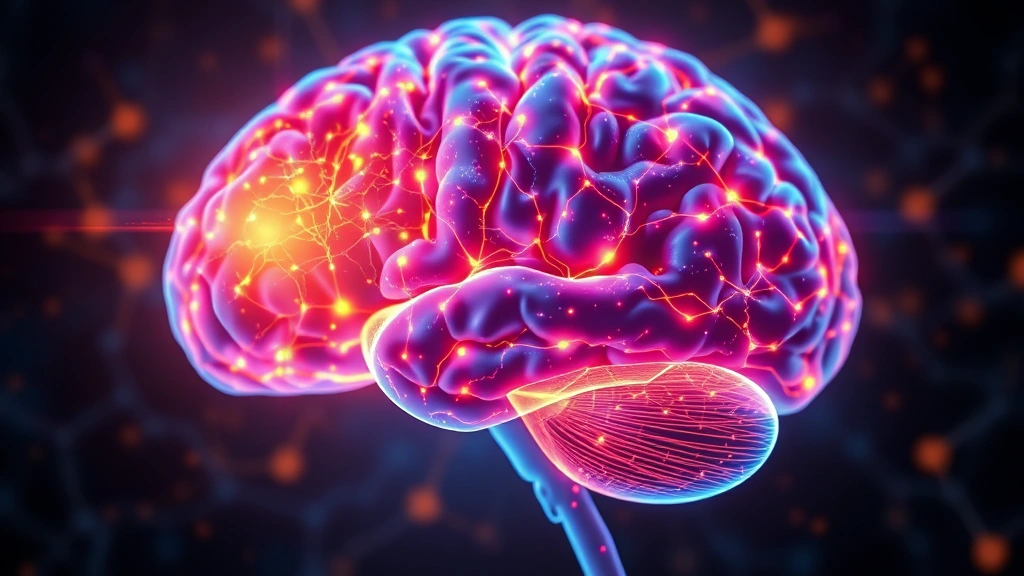
Neuroimaging studies reveal that mindfulness practice produces measurable changes in brain structure and function. Regular meditation increases gray matter density in the prefrontal cortex, the brain region responsible for executive function, emotional regulation, and rational decision-making. Simultaneously, mindfulness reduces activity in the amygdala, the brain’s threat-detection center that becomes hyperactive in anxiety disorders.
The default mode network (DMN), a brain system active during mind-wandering and self-referential thinking, becomes less active with mindfulness practice. This is particularly relevant to anxiety, as excessive DMN activity correlates with rumination and worry. By reducing DMN engagement, mindfulness interrupts the self-perpetuating cycle of anxious thoughts about oneself and future scenarios.
Functional connectivity studies demonstrate that mindfulness strengthens connections between the prefrontal cortex and amygdala. This enhanced communication allows better top-down regulation of emotional responses. Essentially, the brain’s “thinking” regions gain greater control over its “feeling” regions, enabling more measured responses to anxiety triggers. These neurobiological changes represent the physiological basis for the subjective experience of improved emotional regulation.
Neuroplasticity—the brain’s ability to reorganize itself through experience—underlies these structural and functional changes. Consistent mindfulness practice literally rewires neural circuits involved in anxiety processing. This mechanism explains why mindfulness effects often increase with practice duration and consistency. The brain gradually develops stronger “anxiety management” pathways through repeated activation.
Interestingly, these brain changes correlate with clinical improvement in anxiety symptoms. Studies measuring both neuroimaging data and symptom severity consistently show that individuals with greater brain changes also report greater anxiety reduction. This convergence of neural and behavioral evidence strengthens confidence in mindfulness mechanisms.
Mindfulness-Based Interventions for Anxiety
Mindfulness-Based Stress Reduction (MBSR) represents the most extensively researched intervention. The program includes daily meditation practice, body scan exercises, and gentle yoga integrated over eight weeks. Participants typically practice 45 minutes daily, supplemented by group sessions. MBSR targets anxiety by building foundational mindfulness skills applicable to various anxiety-provoking situations.
Mindfulness-Based Cognitive Therapy (MBCT) combines mindfulness practices with cognitive therapy principles. Originally designed to prevent depression relapse, MBCT has been adapted for anxiety disorders. The program teaches individuals to recognize anxious thought patterns and respond skillfully through mindful awareness rather than automatic reactivity. This integration of cognitive and mindfulness approaches addresses both the thought content and the relationship to thoughts.
Acceptance and Commitment Therapy (ACT) emphasizes acceptance of internal experiences while committing to values-aligned actions. Rather than focusing on anxiety reduction as the primary goal, ACT aims to increase psychological flexibility—the capacity to remain present with anxiety while pursuing meaningful activities. This approach can be particularly effective for individuals whose anxiety-reduction efforts paradoxically strengthen anxiety through excessive monitoring and avoidance.
Digital mindfulness interventions have emerged as accessible alternatives to in-person programs. Apps delivering guided meditations and mindfulness exercises show modest effectiveness for anxiety, particularly when supplemented with human support. These technologies democratize access to mindfulness training, enabling individuals in remote areas or with scheduling constraints to engage with evidence-based interventions.
For those interested in comprehensive therapeutic approaches, understanding therapy goals provides essential context for integrating mindfulness within broader treatment plans. Additionally, exploring red light therapy near me options demonstrates how complementary approaches can work alongside mindfulness.
Comparing Mindfulness to Other Treatments
Cognitive-Behavioral Therapy (CBT) remains the gold-standard psychological treatment for anxiety disorders, with extensive evidence supporting its effectiveness. Interestingly, research suggests mindfulness and CBT may work through partially overlapping mechanisms. Both involve changing the relationship to anxious thoughts, though they employ different techniques. CBT emphasizes thought evaluation and behavioral exposure, while mindfulness emphasizes non-judgmental observation and acceptance.
When comparing mindfulness directly to CBT in clinical trials, results generally show comparable effectiveness for reducing anxiety symptoms. Some studies suggest combination approaches integrating both modalities produce superior outcomes compared to either alone. This finding supports the notion that mindfulness and CBT represent complementary rather than competing approaches.
Pharmacological treatments, particularly selective serotonin reuptake inhibitors (SSRIs), remain widely prescribed for anxiety disorders. Medication can provide rapid symptom relief, particularly for severe anxiety that impairs functioning. Research suggests combining mindfulness with medication may produce additive benefits, allowing individuals to reduce medication doses while maintaining symptom control. However, mindfulness should never replace medication without medical supervision, particularly for severe anxiety presentations.
Physical activity and exercise represent another evidence-based anxiety treatment. Regular aerobic exercise produces anxiety reduction comparable to meditation in some studies. The combination of mindfulness and exercise may provide synergistic benefits, addressing anxiety through both psychological and physiological mechanisms. Individuals seeking physical therapy treatment options should consider how movement-based approaches integrate with mindfulness practices.
Social support and psychotherapy relationships themselves contribute significantly to anxiety treatment outcomes. The therapeutic alliance—the quality of the relationship between therapist and client—predicts treatment success across modalities. Mindfulness interventions delivered by skilled, compassionate instructors likely benefit from this therapeutic relationship factor, highlighting the importance of trained practitioners.
Practical Implementation and Challenges
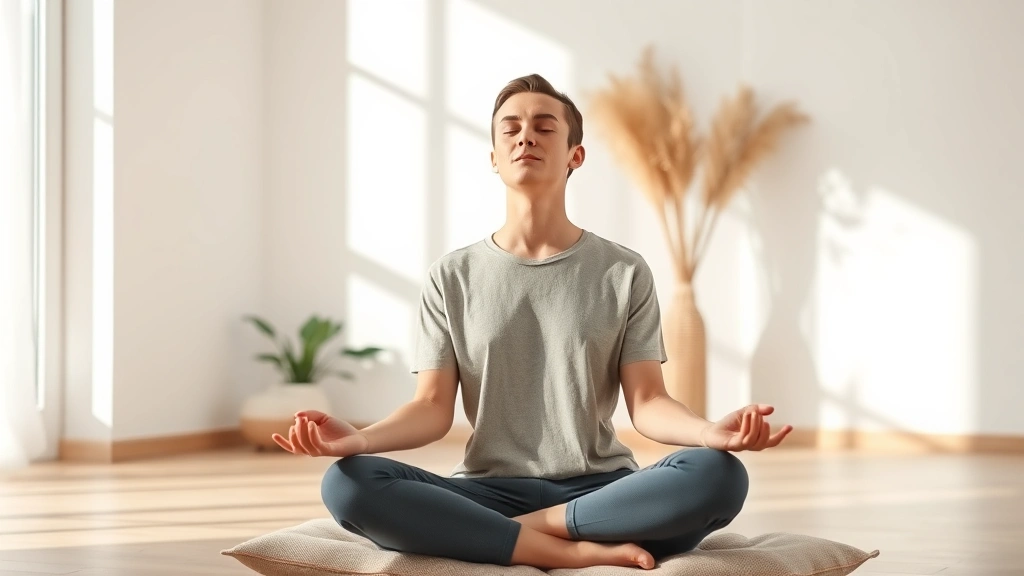
Beginning a mindfulness practice requires minimal resources—just a quiet space and willingness to sit with uncomfortable experiences. Basic practices include focused attention meditation (concentrating on breath), body scan meditation (systematically noticing physical sensations), and mindful movement (yoga or walking meditation). Starting with brief sessions (5-10 minutes) and gradually extending duration increases adherence and allows nervous systems to acclimate to the practice.
Common challenges emerge when individuals begin mindfulness practice. The “monkey mind” phenomenon—frequent mind-wandering—frustrates many beginners who expect to achieve perfect concentration. Paradoxically, noticing mind-wandering represents successful mindfulness practice; the practice involves repeatedly returning attention to the present moment rather than maintaining unbroken focus. Understanding this distinction prevents premature abandonment of practice.
Some individuals experience anxiety intensification when beginning meditation. This phenomenon, sometimes called “meditation-induced anxiety,” occurs when increased present-moment awareness highlights previously suppressed anxious thoughts. Skilled instructors help practitioners understand this temporary increase as part of the healing process rather than evidence that mindfulness isn’t working. Gradual practice increase and potentially combining mindfulness with other therapeutic approaches can mitigate this challenge.
Maintaining consistent practice represents the primary obstacle to mindfulness effectiveness. Research consistently demonstrates that benefits correlate with practice frequency and duration. However, many individuals struggle to establish sustainable routines. Addressing this challenge requires integration of mindfulness into daily activities—mindful eating, walking, or listening—rather than restricting practice to formal meditation sessions.
Those exploring complementary therapeutic options might consider speech therapy near me if anxiety manifests in communication difficulties, or explore occupational therapy jobs information if considering professional involvement in therapeutic work.
Expert Recommendations
Leading researchers and clinicians recommend mindfulness as a first-line treatment consideration for anxiety disorders, particularly for individuals preferring non-pharmacological approaches or experiencing medication side effects. The American Psychological Association acknowledges mindfulness-based interventions as evidence-based, supporting their integration into mental health treatment systems.
Experts emphasize that mindfulness works best within a comprehensive treatment framework. For moderate to severe anxiety, combining mindfulness with CBT, medication, or both typically produces superior outcomes compared to mindfulness alone. Personalized treatment planning should consider individual anxiety severity, comorbid conditions, treatment preferences, and previous response to interventions.
Professional guidance significantly enhances mindfulness effectiveness. While self-guided practice offers benefits, working with trained instructors—whether in MBSR programs, therapy, or meditation centers—accelerates skill development and helps individuals navigate challenges. Qualified instructors can tailor practices to individual needs and provide encouragement during difficult periods.
Long-term maintenance of mindfulness practice requires viewing it as a lifestyle component rather than a time-limited treatment. Just as physical fitness requires ongoing exercise, psychological resilience requires continued mindfulness practice. Many individuals benefit from periodic “refresher” programs or intensive retreats to deepen practice and recommit to regular meditation.
Importantly, experts caution against using mindfulness to suppress or avoid anxiety symptoms. The goal isn’t eliminating anxiety but changing the relationship to it—developing the capacity to remain functional and engaged in meaningful activities despite anxiety’s presence. This subtle but important distinction prevents mindfulness from becoming another anxiety-maintenance strategy.
For comprehensive information on evidence-based approaches, the National Institute of Mental Health provides authoritative anxiety disorder resources, while the American Psychological Association offers professional guidance on anxiety treatment.
FAQ
How long does it take to see results from mindfulness practice?
Individual timelines vary considerably. Some people report anxiety reduction within weeks of beginning practice, while others require months of consistent practice to notice significant changes. Research suggests that 8-week programs produce measurable improvements, though benefits continue increasing with extended practice. Consistency matters more than duration—regular brief practice often produces better results than occasional lengthy sessions.
Can mindfulness replace anxiety medication?
For some individuals with mild to moderate anxiety, mindfulness may reduce symptoms sufficiently to eliminate medication need. However, this should only occur under medical supervision. For severe anxiety or anxiety disorders with significant functional impairment, medication remains essential. Many individuals benefit from combining mindfulness with medication, potentially reducing doses while maintaining symptom control. Never discontinue anxiety medication without consulting your healthcare provider.
Is mindfulness effective for all types of anxiety disorders?
Mindfulness shows effectiveness across anxiety disorder presentations, including generalized anxiety disorder, social anxiety, panic disorder, and specific phobias. However, effectiveness varies by individual. Some people respond excellently to mindfulness, while others benefit more from other treatments. This variability underscores the importance of individualized treatment planning and willingness to adjust approaches if initial interventions prove insufficient.
What’s the difference between mindfulness and relaxation techniques?
While both reduce anxiety, they operate through different mechanisms. Relaxation techniques (progressive muscle relaxation, deep breathing) directly calm the nervous system through physiological changes. Mindfulness, conversely, develops awareness and acceptance without necessarily inducing physical relaxation. In fact, mindfulness sometimes precedes temporary anxiety increase as individuals notice previously suppressed uncomfortable sensations. Both approaches have merit; combining them often produces optimal results.
Can I practice mindfulness if I have severe anxiety?
Yes, but modifications may be necessary. Severe anxiety sometimes makes traditional meditation challenging, potentially increasing anxiety initially. Working with experienced instructors who can adapt practices, starting with very brief sessions, and potentially combining mindfulness with other treatments (therapy, medication) creates a supportive framework. Grounding techniques and shorter, more structured practices often work better for severe anxiety than open awareness meditation.
How does mindfulness compare to mindfulness-based apps?
Research shows that both in-person and app-based mindfulness interventions reduce anxiety, though in-person instruction typically produces stronger effects. Apps offer accessibility and convenience advantages, making them valuable for people unable to access traditional programs. Optimal outcomes often combine app-based practice with periodic professional guidance. Apps work best as supplements to rather than replacements for structured programs.
Visit our blog for additional resources on therapeutic approaches and wellness strategies.