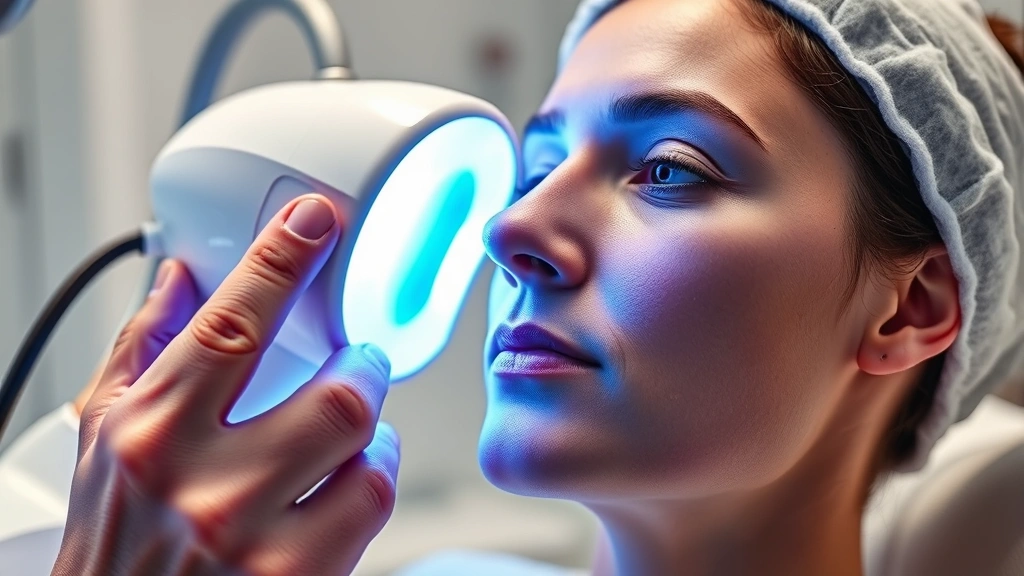
Is Blue Light Therapy Effective? Dermatologists Weigh In
Blue light therapy has emerged as a promising treatment modality in dermatology, particularly for managing acne and certain precancerous skin conditions. As technology advances and clinical evidence accumulates, healthcare providers and patients alike are asking critical questions about its efficacy, safety profile, and potential applications in skin cancer prevention and treatment. This comprehensive guide examines what dermatologists currently know about blue light therapy and its role in modern skincare medicine.
The conversation around blue light therapy extends beyond cosmetic concerns. Recent research has illuminated its potential in treating actinic keratosis and other conditions that may progress to skin cancer. However, separating scientific fact from marketing hype remains essential for patients considering this treatment option. We’ll explore the mechanisms behind blue light therapy, review clinical evidence, and provide insights from leading dermatological experts.
How Blue Light Therapy Works
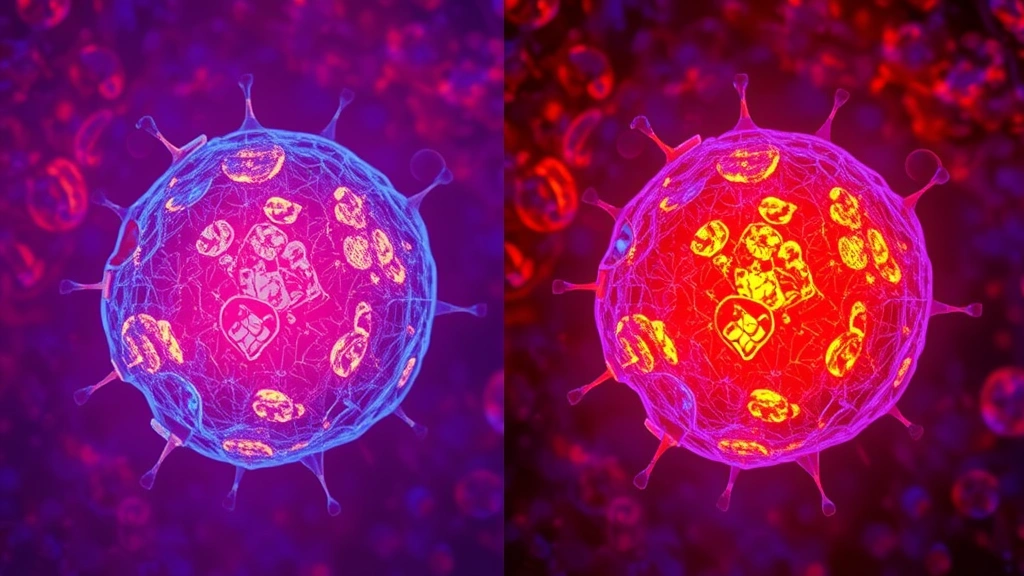
Blue light therapy operates through a mechanism known as photodynamic therapy (PDT) when combined with photosensitizing agents. The treatment involves exposing the skin to specific wavelengths of blue light, typically between 400-495 nanometers, which penetrate the epidermis and upper dermis. When used with a photosensitizer like aminolevulinic acid (ALA) or methyl aminolevulinate (MAL), the blue light activates these compounds, generating reactive oxygen species that damage abnormal cells.
The process begins when the photosensitizing agent accumulates preferentially in abnormal or cancerous cells. These cells exhibit higher metabolic activity and increased porphyrin synthesis compared to healthy tissue. When exposed to blue light, the photosensitizer undergoes a photochemical reaction that produces singlet oxygen and free radicals, triggering cell death through multiple pathways including apoptosis and necrosis. This selective targeting makes blue light therapy particularly attractive because it theoretically minimizes damage to surrounding healthy tissue.
Understanding the differences between red light therapy and blue light therapy helps clarify why dermatologists choose specific wavelengths for particular conditions. While red light penetrates deeper into tissue and promotes healing, blue light operates at a shallower depth and possesses antimicrobial and immunomodulatory properties. The wavelength selection depends entirely on the target pathology and desired therapeutic outcome.
Clinical Evidence for Skin Cancer Treatment
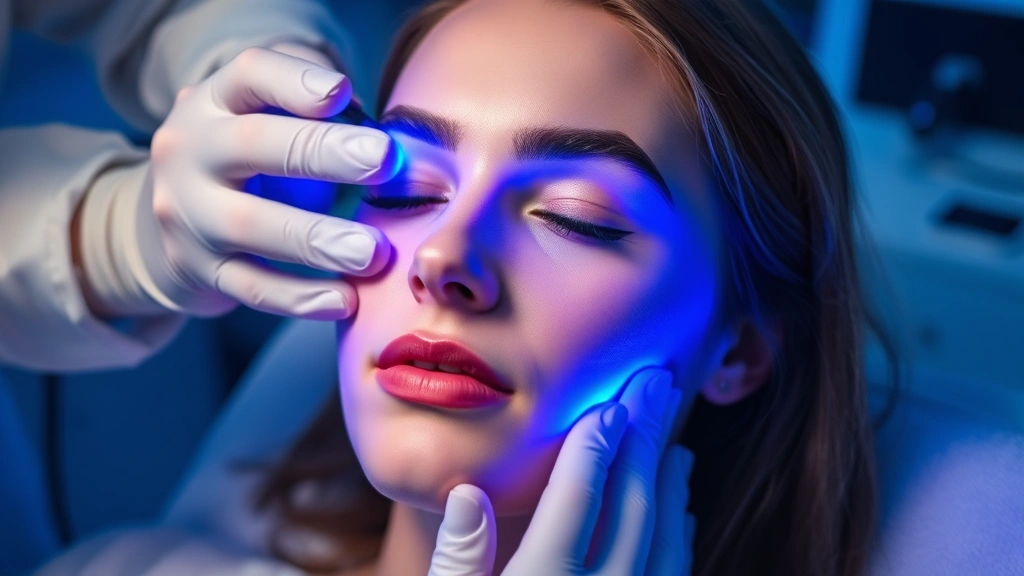
The clinical evidence supporting blue light therapy for skin cancer precursors is substantial and growing. Multiple randomized controlled trials have demonstrated efficacy in treating actinic keratosis (AK), a common precancerous lesion that affects millions of individuals with significant sun exposure history. A landmark study published in leading dermatological journals showed that photodynamic therapy using blue light achieved complete clearance rates exceeding 75% for treated lesions, with sustained responses at 12-month follow-up.
Research from peer-reviewed dermatological literature indicates that blue light PDT demonstrates particular effectiveness for field cancerization—areas of sun-damaged skin containing multiple subclinical lesions. This capability addresses a fundamental limitation of conventional treatments like cryotherapy, which target only visible lesions. By treating the entire affected area, blue light therapy may reduce recurrence rates and prevent progression to invasive squamous cell carcinoma.
However, dermatologists emphasize important distinctions regarding blue light therapy’s role in established skin cancer. While effective for precancerous lesions and very early basal cell carcinomas, blue light therapy is not typically recommended as monotherapy for invasive melanoma or advanced non-melanoma skin cancers. These malignancies require more aggressive interventions including surgical excision, systemic therapies, or multimodal treatment approaches. The evidence base supports blue light therapy as a preventive and early intervention tool rather than a primary treatment for advanced disease.
Studies comparing blue light PDT to other photodynamic approaches reveal nuanced advantages and limitations. The American Academy of Dermatology acknowledges blue light therapy as an evidence-based option for specific indications, particularly in patients with multiple actinic keratoses or those with field cancerization patterns. The organization emphasizes the importance of proper patient selection and realistic expectation-setting regarding treatment outcomes.
Comparing Blue Light to Traditional Treatments
Traditional approaches to managing precancerous skin lesions include cryotherapy (freezing), topical chemotherapy agents like 5-fluorouracil and imiquimod, and surgical excision. Each modality presents distinct advantages and drawbacks that dermatologists weigh when developing individualized treatment plans. Blue light therapy offers unique benefits that make it particularly attractive for certain patient populations and clinical scenarios.
Cryotherapy remains the most commonly used treatment for isolated actinic keratosis due to its simplicity, speed, and low cost. However, this approach addresses only visible lesions and provides no benefit for subclinical disease. Patients frequently experience recurrence because the underlying field cancerization remains untreated. Blue light PDT, conversely, can treat larger surface areas and address both clinical and subclinical lesions, potentially reducing long-term recurrence rates.
Topical chemotherapy agents like imiquimod require extended treatment courses spanning weeks to months, during which patients may experience significant irritation, redness, and discomfort. Blue light therapy typically involves fewer treatment sessions—often just one to three applications—though immediate post-treatment reactions can be pronounced. The shorter treatment duration appeals to patients seeking efficiency, though the intensity of acute side effects differs between modalities.
When exploring comprehensive therapy resources, patients should understand that treatment selection depends on lesion characteristics, patient skin type, tolerance for side effects, and access to technology. Dermatologists increasingly adopt blue light therapy as a first-line option for field cancerization and extensive actinic keratosis, reserving other modalities for specific clinical scenarios.
Cost considerations significantly influence treatment selection. Blue light therapy requires specialized equipment and trained practitioners, making it more expensive than cryotherapy but often comparable to or less costly than extended topical chemotherapy courses when considering total treatment burden including follow-up visits and management of side effects.
Safety Profile and Side Effects
Blue light therapy demonstrates a favorable safety profile compared to many systemic cancer treatments, with most adverse effects being localized and temporary. Understanding potential side effects helps patients prepare for treatment and distinguish normal expected responses from concerning complications requiring medical attention.
Common side effects during and immediately after blue light PDT include burning sensation, stinging, and discomfort that typically resolves within hours to days. Patients frequently experience erythema (redness) and edema (swelling) that peak within 24-48 hours post-treatment and gradually improve over one to two weeks. Temporary hyperpigmentation or hypopigmentation may occur as treated lesions resolve, though this usually normalizes over weeks to months.
More significant but less common adverse effects include blistering, crusting, and temporary scarring in some patients. Photosensitivity reactions represent another consideration—patients treated with systemic photosensitizers must avoid sun exposure for 24-48 hours post-treatment. Topical photosensitizers carry minimal systemic risk but still require sun protection on treated areas during the treatment window.
Contraindications to blue light therapy include pregnancy (due to limited safety data), photosensitivity disorders, and use of photosensitizing medications. Patients with porphyria cutanea tarda or other porphyrias require careful evaluation before treatment. Those taking certain medications including tetracyclines, retinoids, and some herbal supplements may experience exaggerated photosensitivity and require dose adjustments or alternative treatments.
Long-term safety data remains reassuring, with no evidence of increased cancer risk or systemic toxicity from properly administered blue light PDT. The FDA has cleared multiple blue light therapy devices for specific dermatological indications based on demonstrated safety and efficacy. However, ongoing surveillance and long-term follow-up studies continue to monitor for any delayed adverse effects.
What Dermatologists Recommend
Leading dermatologists have developed clinical guidelines reflecting the evidence base and practical experience with blue light therapy. These recommendations help practitioners optimize outcomes while managing patient expectations appropriately. The consensus emphasizes that blue light therapy represents a valuable tool in the dermatological armamentarium rather than a universal solution for all skin conditions.
Dermatologists recommend blue light PDT as a first-line treatment for patients with extensive field cancerization—multiple actinic keratoses distributed across large body surface areas. This population benefits particularly from the field effect, where treatment addresses both clinical and subclinical lesions simultaneously. Patients with compromised immune systems who require preventive strategies against skin cancer progression represent another population where dermatologists favor blue light therapy.
For isolated actinic keratosis in immunocompetent patients, dermatologists may recommend cryotherapy initially due to lower cost and equivalent efficacy for individual lesions. However, when patients develop recurrent lesions or demonstrate field cancerization patterns, escalation to blue light therapy becomes appropriate. This tiered approach optimizes resource allocation while ensuring patients receive effective treatment suited to their specific clinical presentation.
Consultation with a dermatologist before pursuing blue light therapy ensures proper diagnosis and treatment planning. Many conditions mimicking actinic keratosis or other indications for blue light therapy require different management approaches. A qualified dermatologist can evaluate your specific situation, discuss risks and benefits, and recommend the most appropriate treatment. Explore therapy resources available through dermatological practices to understand your options comprehensively.
Dermatologists emphasize the importance of sun protection following blue light therapy and as an ongoing preventive measure. While blue light therapy addresses existing lesions, it does not eliminate the underlying risk factor—chronic sun exposure. Patients who continue unprotected sun exposure face high recurrence rates regardless of initial treatment success. Comprehensive skin cancer prevention requires combining blue light therapy with rigorous photoprotection and regular dermatological surveillance.
Cost and Accessibility Considerations
The cost of blue light therapy varies significantly based on geographic location, provider credentials, facility type, and treatment extent. A single blue light PDT treatment typically ranges from $400 to $1,500, with most patients requiring one to three sessions depending on lesion burden and treatment response. Insurance coverage varies—some plans cover blue light therapy for specific FDA-approved indications while others classify it as elective and deny coverage.
Accessibility represents a significant barrier for many patients interested in blue light therapy. The treatment requires specialized equipment and trained practitioners, limiting availability primarily to dermatology offices and specialized medical centers. Rural populations and those in medically underserved areas may lack access to blue light therapy despite its clinical benefits. This geographic disparity in access influences treatment selection for many patients who must default to more readily available modalities like cryotherapy.
Insurance verification prior to scheduling treatment helps patients understand their financial responsibility and avoid unexpected costs. Many practices offer payment plans or financing options for patients without insurance coverage. Some dermatologists recommend discussing cost concerns openly, as they may have alternative recommendations more suitable to individual financial circumstances while still providing effective treatment.
Emerging technologies and increasing competition among manufacturers may gradually reduce blue light therapy costs, improving accessibility over time. As evidence continues accumulating and more practitioners gain training in photodynamic therapy techniques, treatment availability should expand, particularly in underserved regions.
FAQ
Is blue light therapy effective for treating skin cancer?
Blue light therapy demonstrates strong efficacy for treating actinic keratosis and field cancerization, with clinical clearance rates exceeding 75% in clinical trials. However, it functions best as a preventive and early intervention tool rather than primary treatment for advanced skin cancers. Patients with invasive melanoma or advanced non-melanoma skin cancers require more aggressive interventions including surgical excision and systemic therapies.
How many blue light therapy sessions do I need?
Most patients require one to three blue light therapy sessions depending on lesion extent and treatment response. Your dermatologist will evaluate your specific situation and recommend an appropriate treatment schedule. Some patients achieve complete clearance with a single treatment, while others require multiple sessions spaced weeks apart.
What is the recovery time after blue light therapy?
Recovery time varies but most patients experience peak redness and swelling within 24-48 hours that gradually improves over one to two weeks. Most individuals can return to normal activities immediately after treatment, though sun avoidance is essential during the photosensitivity window. Treated areas require diligent sun protection until fully healed.
Does blue light therapy hurt?
Patients commonly experience burning or stinging sensations during blue light therapy, though intensity varies based on individual pain tolerance and treatment area. The discomfort typically resolves within hours after treatment. Dermatologists may apply topical anesthetics or cooling measures to minimize discomfort during treatment.
Can blue light therapy prevent skin cancer?
Blue light therapy addresses existing precancerous lesions and field cancerization, significantly reducing progression risk to invasive skin cancer. However, it does not eliminate underlying skin cancer risk from chronic sun exposure. Combining blue light therapy with rigorous photoprotection and regular dermatological surveillance provides optimal skin cancer prevention.
Is blue light therapy covered by insurance?
Insurance coverage varies by plan and specific diagnosis. Many plans cover blue light therapy for FDA-approved indications including actinic keratosis, while others classify it as elective. Contact your insurance provider or dermatology office to verify coverage before scheduling treatment.