Wood Therapy Benefits: What Experts Say
Wood therapy, also known as xylotherapy, represents a fascinating intersection of traditional healing practices and modern wellness trends. This therapeutic approach harnesses the natural properties of wood and wood-based activities to promote physical, mental, and emotional well-being. From forest bathing to woodworking as a mindfulness practice, wood therapy has gained considerable attention among health professionals and wellness enthusiasts seeking alternative or complementary treatment modalities.
The growing interest in wood therapy reflects a broader shift toward nature-based healing and holistic wellness approaches. As individuals increasingly seek respite from digital overstimulation and stress-related ailments, therapeutic engagement with natural materials like wood offers a tangible, grounding experience. Whether you’re interested in exploring alternative therapy options near you or understanding how wood-based activities complement traditional therapy goals, this comprehensive guide examines what experts say about wood therapy’s legitimate benefits and applications.
What Is Wood Therapy and Its Historical Roots
Wood therapy encompasses various therapeutic practices centered on the healing properties of wood and wood-related activities. The concept isn’t entirely modern; traditional cultures have long recognized the restorative power of forests and wooden environments. Japanese forest bathing (shinrin-yoku), Scandinavian nature-based wellness practices, and Indigenous healing traditions all incorporate wood and forest environments as central therapeutic elements.
Contemporary wood therapy typically includes several distinct practices. Forest therapy involves spending intentional time in wooded environments while engaging the senses. Woodworking therapy utilizes the creative and meditative aspects of working with wood as a craft. Wood massage therapy employs wooden tools and instruments for therapeutic bodywork. Each modality operates on the principle that wood—whether as a natural environment, material to work with, or therapeutic tool—offers unique benefits unavailable through synthetic alternatives.
The scientific foundation for wood therapy draws from environmental psychology, sensory neuroscience, and occupational therapy research. According to studies published in the Journal of Environmental Psychology, exposure to natural wood environments and materials triggers measurable physiological responses, including reduced cortisol levels, decreased heart rate, and improved parasympathetic nervous system activation. These responses suggest that wood therapy isn’t merely placebo but operates through documented biological mechanisms.

Physical Health Benefits Supported by Research
Research into wood therapy’s physical benefits reveals several evidence-based advantages. Forest bathing and woodland exposure have demonstrated measurable improvements in immune function. A landmark study from the National Center for Biotechnology Information documented that regular forest exposure increases natural killer (NK) cell activity, which plays a crucial role in immune defense and cancer prevention. Participants who engaged in forest therapy showed sustained immune benefits for up to 30 days following exposure.
Physical therapists increasingly recommend woodworking and wood-based activities for rehabilitation and motor skill development. The repetitive, purposeful motions involved in woodworking engage fine motor skills, hand-eye coordination, and proprioceptive awareness. This makes wood therapy particularly valuable for individuals recovering from stroke, arthritis, or other conditions affecting mobility. The American Occupational Therapy Association recognizes craft-based activities, including woodworking, as legitimate therapeutic interventions for physical rehabilitation and functional improvement.
Cardiovascular health benefits represent another significant physical advantage. Studies tracking individuals engaged in regular forest therapy and nature-based wooden environments show consistent improvements in blood pressure, heart rate variability, and overall cardiovascular function. The combination of gentle physical activity, fresh air exposure, and stress reduction creates a synergistic effect on cardiovascular health. These benefits extend to individuals of all ages, with particular significance for aging populations seeking natural approaches to maintaining cardiovascular wellness.
Pain management represents an increasingly recognized application of wood therapy. Wooden massage tools, when used by trained practitioners, can provide myofascial release, reduce muscle tension, and alleviate chronic pain conditions. The thermal properties of certain woods, combined with the mechanical stimulation they provide, offer advantages over synthetic massage tools. Many physical therapy clinics now incorporate wooden implements into their treatment protocols for conditions ranging from fibromyalgia to sports injuries.
Mental and Emotional Wellness Advantages
The psychological benefits of wood therapy align with established principles in environmental psychology and nature-based interventions. Exposure to natural wood environments and materials activates the brain’s parasympathetic nervous system, triggering the relaxation response. Neuroimaging studies demonstrate that forest environments reduce activity in the prefrontal cortex region associated with rumination and anxiety, effectively quieting the brain’s stress-processing centers.
Woodworking and craft-based wood therapy offers profound mental health benefits through what researchers term “flow state” engagement. This state of complete absorption in a meaningful activity has been extensively documented to reduce anxiety, depression, and stress symptoms. The combination of creative expression, tangible results, and meditative focus creates ideal conditions for psychological healing. Individuals struggling with establishing meaningful therapy goals often find that woodworking provides concrete, measurable progress and a sense of accomplishment.
Research from the American Psychological Association confirms that nature-based interventions, including forest therapy and wood-focused activities, significantly reduce symptoms of depression, anxiety, and attention deficit disorders. The effect sizes are comparable to pharmaceutical interventions for mild to moderate symptoms, making wood therapy a valuable complementary or alternative approach. Additionally, the social aspects of group wood therapy classes or forest bathing experiences enhance these benefits through improved social connection and reduced isolation.
Emotional regulation and resilience building represent important psychological outcomes of sustained wood therapy practice. The grounding sensory experience of working with wood—the tactile sensation, visual beauty, and earthy aroma—engages multiple sensory pathways simultaneously. This multisensory engagement helps regulate the nervous system and provides emotional anchoring, particularly valuable for individuals with trauma histories or emotional dysregulation challenges. Mental health professionals increasingly recommend wood-based activities as adjunctive treatments for PTSD, anxiety disorders, and mood dysregulation.
Wood Therapy Modalities and Techniques
Forest bathing represents the most accessible wood therapy modality, requiring no special equipment or training. The practice involves mindful, sensory-focused time in forest environments, engaging all five senses in the natural setting. Unlike hiking or exercise-focused nature activities, forest bathing emphasizes slow, intentional movement and heightened sensory awareness. Practitioners report that even 20-30 minutes of forest bathing produces measurable relaxation and mood improvements.
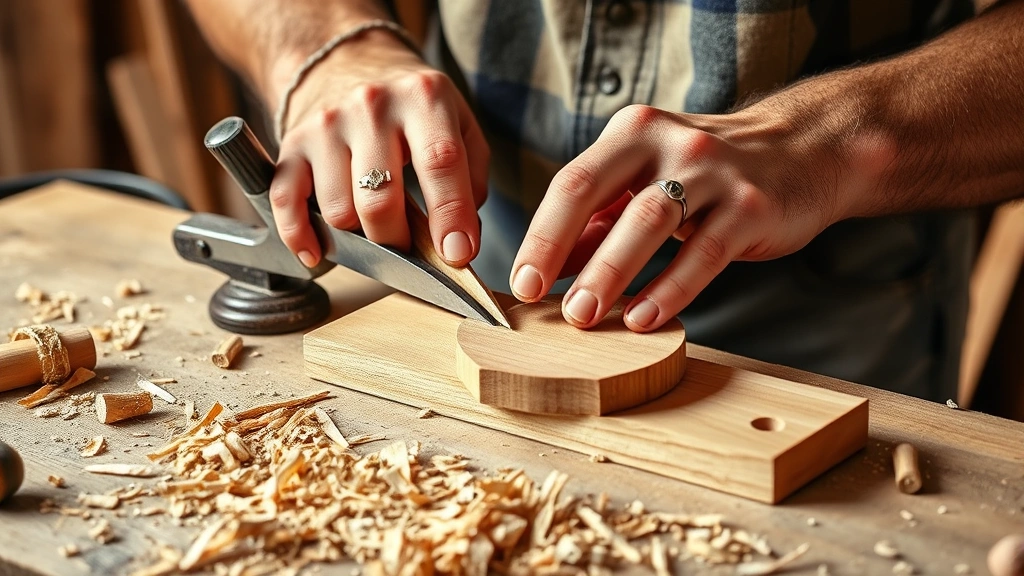
Woodworking therapy utilizes craft-based creation as the primary therapeutic mechanism. Participants may engage in furniture making, carving, turning, or other woodworking disciplines. The therapeutic value derives from multiple sources: the meditative focus required, the development of mastery and competence, the creative expression, and the tangible results of one’s efforts. This modality proves particularly effective for individuals seeking occupational therapy approaches that provide vocational skill development alongside therapeutic benefit.
Wood massage therapy employs specialized wooden tools and implements for therapeutic bodywork. Practitioners utilize wooden rollers, gua sha tools made from sustainable wood, and hand-carved implements designed for specific therapeutic purposes. The advantage of wooden tools over synthetic alternatives includes superior thermal properties, gentler tissue interaction, and the psychological benefit of natural material contact. Many massage therapists and physical therapists incorporate wooden implements into treatment protocols for myofascial release and trigger point therapy.
Horticultural therapy involving wood elements combines gardening activities with wooden structures, raised beds, and garden features. The combination of soil contact, plant nurturing, and wood-based garden construction creates a comprehensive therapeutic experience. This modality proves especially valuable for individuals with limited mobility, as wooden raised beds and benches allow therapeutic engagement without requiring extensive physical demands.
Expert Perspectives from Healthcare Professionals
Healthcare professionals across multiple disciplines increasingly recognize wood therapy’s legitimate therapeutic applications. Physical therapists note that woodworking activities provide superior engagement compared to traditional rehabilitation exercises. The inherent motivation to complete a meaningful project drives adherence and participation levels that exceed conventional therapy protocols. Physical therapy professionals and assistants report that clients demonstrate greater functional improvements and longer-term behavioral changes when wood-based activities comprise part of their treatment.
Occupational therapists, whose field explicitly incorporates meaningful activity and craft as therapeutic tools, widely endorse wood therapy modalities. The profession’s theoretical foundation emphasizes that engagement in purposeful, creative activities promotes health and wellness. Many occupational therapy programs now include woodworking and nature-based interventions in their curricula. Professionals seeking occupational therapy career opportunities increasingly specialize in nature-based and craft-focused therapeutic approaches.
Mental health professionals recognize forest therapy and nature-based wood therapy as evidence-supported interventions for anxiety, depression, and stress-related disorders. While not a replacement for traditional psychotherapy, these modalities serve as valuable adjunctive treatments and preventive mental health strategies. The National Institute of Mental Health has funded research into nature-based interventions, acknowledging their legitimate role in comprehensive mental health treatment.
Gerontologists and aging specialists emphasize wood therapy’s particular value for older adults. The gentle, low-impact nature of forest therapy and woodworking accommodates age-related physical limitations while providing substantial cognitive and emotional benefits. Research demonstrates that older adults engaged in regular wood therapy activities show improved cognitive function, reduced depression, and enhanced sense of purpose compared to control groups.
Finding Wood Therapy Services Near You
Locating quality wood therapy services requires understanding the various forms available and knowing where to search. Forest therapy guides, trained through certification programs like the Association of Nature and Forest Therapy, lead guided forest bathing experiences in natural settings. Many communities now offer group forest bathing sessions through parks departments, nature centers, or wellness organizations. Searching for “forest therapy” or “forest bathing” in your area often yields local options.
Woodworking therapy programs operate through occupational therapy clinics, rehabilitation centers, and community art centers. These programs may be offered as formal therapy under professional supervision or as community classes with therapeutic emphasis. Rehabilitation facilities increasingly incorporate woodworking into their programs, making them accessible through referral from physicians or therapists. Community colleges and maker spaces sometimes offer woodworking with therapeutic focus.
Wood massage therapy requires finding trained massage therapists or bodyworkers who specifically use wooden implements. Searching directories with filters for “wood massage,” “gua sha therapy,” or “wooden tool massage” helps identify qualified practitioners. Ensure practitioners have appropriate credentials and training in their specific modality. Many traditional Chinese medicine practitioners incorporate wooden tools into their practice.
Mental health professionals and therapists trained in nature-based interventions can guide individuals toward appropriate wood therapy options. If you’re currently working with a therapist, counselor, or healthcare provider, inquire about wood therapy integration into your treatment plan. Many professionals can provide referrals to local practitioners or recommend specific modalities suited to your needs. Exploring finding local therapy services through professional networks can reveal wood therapy options in your area.
Online platforms and wellness directories increasingly list wood therapy providers. Websites specializing in alternative and complementary medicine often include filterable databases for finding practitioners by location and specialty. Verify credentials, training, and certifications before engaging services. Look for practitioners affiliated with recognized organizations in their field.
Integration with Professional Treatment Plans
Wood therapy achieves optimal results when integrated thoughtfully into comprehensive treatment approaches rather than pursued in isolation. Mental health professionals can recommend specific wood therapy modalities as adjunctive to traditional therapy. For instance, a therapist might suggest forest bathing as a grounding practice between sessions or recommend woodworking groups for clients seeking community and creative expression alongside individual counseling.
Physical and occupational therapists can incorporate wood-based activities directly into rehabilitation protocols. Rather than viewing woodworking as leisure activity separate from therapy, skilled practitioners design specific woodworking projects targeting individual rehabilitation goals. A client recovering from hand surgery might work on detailed carving to restore fine motor control, while someone with chronic pain might engage in larger-scale woodworking to build confidence and functional capacity.
Medical doctors increasingly recognize the value of recommending nature-based interventions as part of preventive health strategies. Primary care physicians can advise patients to engage in regular forest bathing or woodworking as complementary approaches to managing stress, anxiety, and mild depression. Some healthcare systems now include nature prescriptions as formal treatment recommendations, with documented benefits comparable to pharmaceutical interventions for mild to moderate conditions.
The integration approach requires clear communication among all professionals involved in an individual’s care. When multiple providers understand the complete treatment picture, they can coordinate recommendations and avoid conflicting guidance. Some individuals benefit from formal referrals between providers, while others self-direct their participation in wood therapy while maintaining traditional professional care.
Research continues to expand our understanding of optimal integration strategies. As evidence accumulates regarding wood therapy’s efficacy, treatment protocols increasingly reflect nature-based interventions as standard options rather than alternative fringe practices. This evolution toward integrated, comprehensive care represents the future of healthcare, where natural and conventional approaches complement each other for optimal outcomes.
FAQ
What is the scientific basis for wood therapy’s effectiveness?
Wood therapy’s effectiveness stems from multiple documented physiological and psychological mechanisms. Forest exposure triggers parasympathetic nervous system activation, reducing stress hormones like cortisol. The sensory engagement of working with wood promotes flow state and mindfulness, reducing anxiety and depression. Immune system enhancement through forest therapy has been documented in peer-reviewed research. These aren’t theoretical benefits but measurable physiological responses verified through rigorous scientific study.
Is wood therapy covered by insurance?
Insurance coverage varies significantly depending on your specific plan and how wood therapy is delivered. Forest bathing or personal woodworking typically isn’t covered as it’s considered wellness activity rather than medical treatment. However, occupational therapy incorporating woodworking prescribed by a physician may be covered. Physical therapy utilizing wood-based rehabilitation tools may be reimbursable. Always check with your insurance provider and ensure your practitioner is appropriately credentialed and licensed for any therapy covered under your plan.
Can wood therapy replace traditional medical treatment?
Wood therapy works best as a complement to, not replacement for, traditional medical and mental health treatment. Conditions requiring medical intervention should receive appropriate medical care. However, wood therapy can significantly enhance outcomes when combined with conventional treatment. Always consult healthcare providers before reducing or discontinuing prescribed treatments in favor of alternative approaches. The most effective strategy typically combines evidence-based conventional care with complementary nature-based interventions.
How frequently should someone engage in wood therapy for benefits?
Research suggests that regular, consistent engagement produces optimal results. Forest bathing benefits accumulate with regular practice; studies show sustained immune benefits from weekly or more frequent exposure. Woodworking therapy benefits similarly from consistent engagement, ideally weekly sessions. However, even occasional participation provides measurable benefits compared to no engagement. The ideal frequency depends on individual circumstances, available resources, and specific therapeutic goals. Start with what’s realistic and sustainable for your situation.
Are there any contraindications or risks to wood therapy?
Wood therapy is generally safe for most individuals. However, forest environments present challenges for those with severe mobility limitations, respiratory conditions exacerbated by outdoor exposure, or severe nature-based phobias. Woodworking carries standard craft-related risks requiring appropriate safety precautions and supervision. Individuals with severe mental health crises or active suicidal ideation require professional mental health intervention rather than wood therapy alone. Always discuss participation in wood therapy with healthcare providers, particularly if you have significant health conditions.
How do I know if a wood therapy practitioner is qualified?
Verify credentials appropriate to the specific modality. Forest therapy guides should have certification from recognized organizations like the Association of Nature and Forest Therapy. Occupational therapists must hold appropriate licensing and credentials. Massage therapists should be licensed in their state. Woodworking instructors should demonstrate expertise in both woodworking and therapeutic application. Ask about training, certifications, experience, and professional affiliations. Don’t hesitate to request references or information about their qualifications before engaging their services.