Can Ultrasound Therapy Aid Mental Health? Expert Insights
The intersection of neuroscience and therapeutic innovation continues to reveal surprising applications for established medical technologies. Ultrasound therapy machines, traditionally recognized for physical rehabilitation and diagnostic imaging, are now emerging as a potential tool in mental health treatment. This convergence represents a paradigm shift in how we approach psychiatric conditions, offering non-invasive alternatives to conventional pharmacological interventions.
Recent research suggests that focused ultrasound waves can modulate brain activity in ways that may alleviate symptoms associated with depression, anxiety, and other mental health disorders. While the field remains in its infancy, preliminary findings from leading neuroscience institutions have sparked considerable interest among clinicians and researchers alike. Understanding the mechanisms, evidence, and practical applications of ultrasound therapy for mental health requires examining both the science and expert perspectives.
How Ultrasound Therapy Machines Work
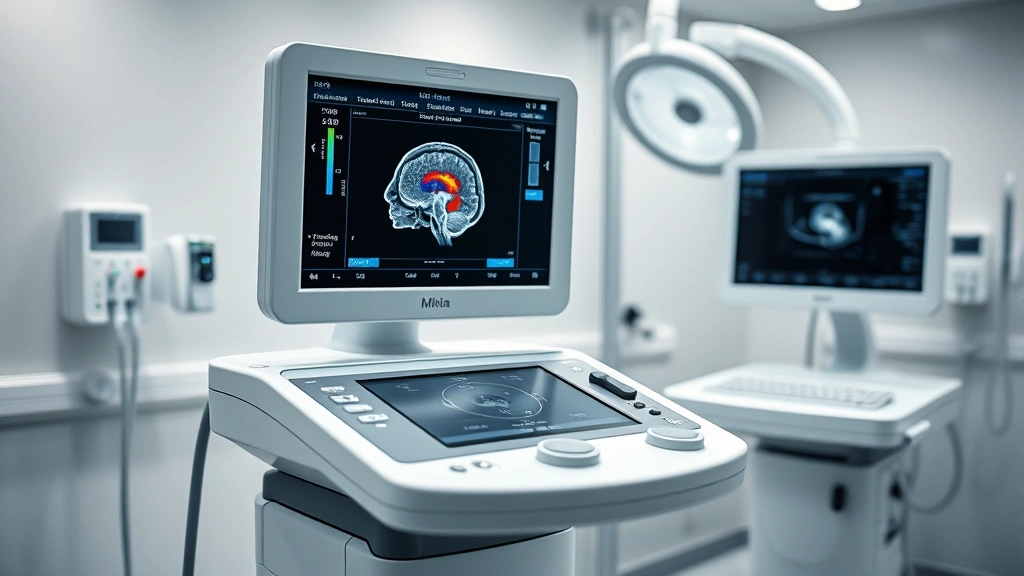
An ultrasound therapy machine generates high-frequency sound waves, typically ranging from 1 to 3 megahertz (MHz), which penetrate biological tissue with remarkable precision. Unlike diagnostic ultrasound used for imaging, therapeutic ultrasound devices deliver concentrated acoustic energy to target specific areas. The fundamental principle involves converting electrical energy into mechanical vibrations that propagate through tissue, creating thermal and non-thermal effects.
The therapeutic mechanism operates through two primary pathways: thermal effects, which generate heat through molecular friction, and mechanical effects, which involve acoustic cavitation and radiation pressure. When focused ultrasound reaches brain tissue, it can modulate neural activity without requiring surgical intervention or implanted devices. This non-invasive characteristic distinguishes ultrasound therapy from neurosurgical approaches like deep brain stimulation, making it increasingly attractive for psychiatric applications.
Modern ultrasound therapy machines employ sophisticated targeting systems to ensure acoustic energy reaches intended brain regions while minimizing exposure to surrounding tissue. Transcranial focused ultrasound (tFUS) technology represents the cutting edge of this field, enabling researchers to stimulate or inhibit specific neural circuits associated with mood regulation and emotional processing. The precision of these devices continues to improve as engineers refine beam-forming algorithms and imaging integration.
Neuroscience Behind Brain Stimulation
The human brain’s response to ultrasound stimulation involves complex neurobiological mechanisms that researchers are actively investigating. When focused ultrasound interacts with neural tissue, it can modulate ion channels, affect neurotransmitter release, and influence synaptic plasticity. These changes create cascading effects throughout interconnected brain networks, potentially restoring dysfunctional patterns observed in psychiatric conditions.
Depression and anxiety disorders frequently involve dysregulation in the prefrontal cortex, anterior cingulate cortex, and limbic system structures like the amygdala and hippocampus. Ultrasound therapy can target these regions with millimeter-level precision, potentially rebalancing neural circuits involved in emotional regulation, reward processing, and threat detection. The therapy goals for ultrasound interventions specifically aim to restore normal communication patterns between these brain areas.
Research published in Nature and related neuroscience journals demonstrates that ultrasound-induced neuromodulation can increase dopamine and serotonin signaling, the primary neurotransmitter systems targeted by conventional antidepressant medications. However, ultrasound offers a potentially more direct mechanism for influencing these systems compared to systemic drug administration. This localized approach may reduce side effects while improving treatment efficacy.
The neuroplasticity induced by repeated ultrasound sessions could produce long-lasting changes in brain function. Unlike temporary pharmacological effects that cease when medication is discontinued, ultrasound-stimulated neuroplasticity may facilitate more permanent remodeling of dysfunctional neural circuits. This distinction could revolutionize mental health treatment paradigms.
Current Research and Clinical Evidence
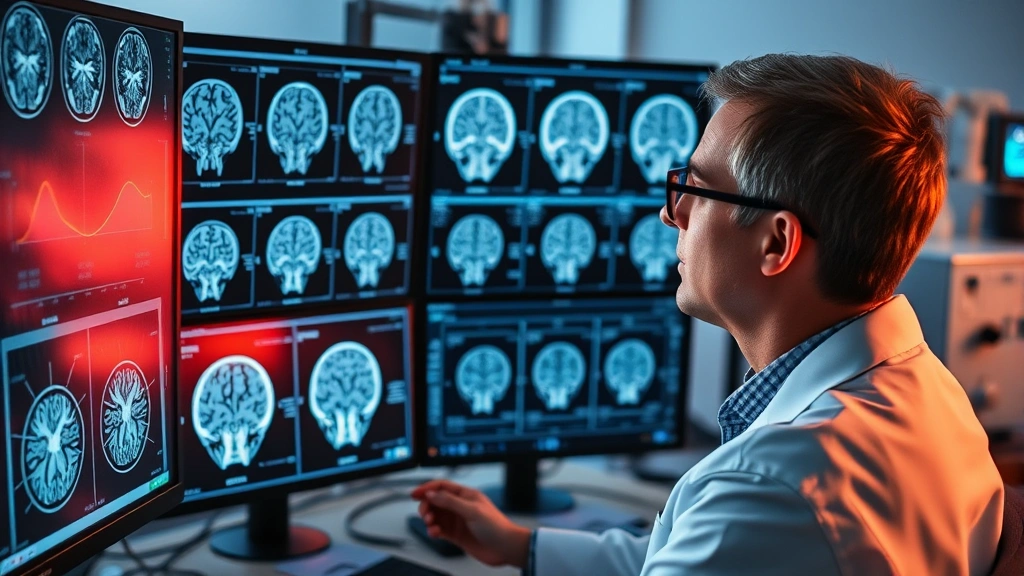
Leading academic institutions worldwide have initiated clinical trials investigating ultrasound therapy for various psychiatric conditions. Stanford University, MIT, and institutions across Europe have published preliminary data suggesting efficacy in treating treatment-resistant depression. A landmark study demonstrated that a single session of transcranial focused ultrasound produced measurable improvements in depressive symptoms within hours of treatment.
Research from MIT’s McGovern Institute for Brain Research revealed that ultrasound stimulation of the ventromedial prefrontal cortex altered activity patterns in the default mode network, a brain system implicated in depression and rumination. Participants showed reduced negative self-referential thinking following treatment, suggesting ultrasound’s potential for interrupting depressive thought patterns.
Studies investigating anxiety disorders show similarly promising results. Ultrasound targeting the anterior cingulate cortex has demonstrated anxiolytic effects comparable to benzodiazepine medications in preclinical models. The advantage lies in ultrasound’s lack of dependency potential and absence of cognitive dulling—common concerns with traditional anxiety medications.
However, current clinical evidence remains limited compared to established psychiatric treatments. Most published studies involve small sample sizes and short follow-up periods. The field requires larger randomized controlled trials with extended monitoring to establish safety profiles and determine optimal treatment parameters. Organizations like the FDA are carefully evaluating ultrasound therapy devices before granting approval for psychiatric applications.
Researchers are simultaneously investigating ultrasound’s potential for PTSD, bipolar disorder, and obsessive-compulsive disorder. Each condition involves distinct neural circuit dysfunctions, requiring customized targeting protocols. This specificity represents both an opportunity and a challenge—ultrasound’s precision could enable highly personalized psychiatric treatment, but it demands sophisticated understanding of each disorder’s neurobiological underpinnings.
Mental Health Applications
Treatment-Resistant Depression: Approximately 30% of individuals with major depressive disorder fail to respond adequately to conventional antidepressant medications. Ultrasound therapy offers a potential intervention for this population, particularly those who cannot tolerate medication side effects. Preliminary clinical trials suggest response rates exceeding 60% in treatment-resistant populations, substantially higher than rates for sequential medication trials.
Anxiety Disorders: Generalized anxiety disorder, social anxiety, and panic disorder all involve dysregulated amygdala function and impaired prefrontal inhibition of threat responses. Ultrasound targeting these circuits could provide rapid symptom relief without the dependence concerns associated with benzodiazepines. Some experts envision ultrasound as a complement to cognitive-behavioral therapy, potentially accelerating therapeutic gains.
Trauma and PTSD: Post-traumatic stress disorder involves hyperactive threat-detection systems and impaired emotion regulation. Ultrasound directed at the amygdala and ventromedial prefrontal cortex could suppress fear memories and enhance emotional processing. Integration with conventional PTSD treatments like therapy for breakups and trauma-focused psychotherapy could enhance outcomes.
Obsessive-Compulsive Disorder: OCD involves hyperactivity in cortico-striato-thalamic circuits. Ultrasound modulation of the anterior cingulate cortex or medial prefrontal regions could interrupt obsessive thought loops and reduce compulsive urges. This application represents a non-invasive alternative to neurosurgical interventions sometimes considered for severe OCD.
Bipolar Disorder: The mood regulation deficits in bipolar disorder suggest potential benefits from ultrasound targeting limbic-cortical circuits. Preliminary work suggests ultrasound could stabilize mood fluctuations, though distinguishing this from placebo effects requires rigorous controlled investigation.
Expert Perspectives and Limitations
Leading psychiatrists and neuroscientists maintain cautiously optimistic perspectives regarding ultrasound therapy’s potential. Dr. Nir Liphardt from Stanford’s Department of Psychiatry emphasizes that while early results are encouraging, significant validation work remains necessary. Experts stress the importance of avoiding hype cycles that have previously surrounded novel psychiatric technologies.
A critical limitation involves our incomplete understanding of optimal treatment parameters. Questions persist regarding ideal ultrasound frequencies, pulse patterns, session duration, and treatment schedules. Different brain regions may respond optimally to different protocols, necessitating individualized treatment approaches. This complexity contrasts with straightforward pharmaceutical interventions where dosing follows established guidelines.
The mechanism by which ultrasound produces lasting psychiatric benefits remains incompletely understood. While researchers have identified immediate neurophysiological changes, the pathways connecting these acute effects to sustained symptom improvement require clarification. Some experts hypothesize that ultrasound facilitates neuroplasticity, enabling brain regions to reorganize and establish healthier functional patterns.
Cost represents another substantial limitation. Current ultrasound therapy equipment requires significant capital investment, and treatment protocols demand specialized expertise. Accessibility remains restricted to research centers and specialized clinics, potentially limiting availability to affluent populations. Democratization of the technology will require miniaturization and simplified operation protocols.
Additionally, patient selection criteria for ultrasound therapy remain undefined. Which individuals will respond optimally? Can clinicians predict treatment responders versus non-responders? Identifying biomarkers that predict ultrasound therapy success represents a crucial research priority. The MindLift Daily Blog regularly covers emerging developments in psychiatric biomarker research.
Comparing Ultrasound to Traditional Therapies
Conventional psychiatric treatment combines pharmacotherapy and psychotherapy, each with distinct advantages and limitations. Antidepressant medications provide relatively rapid symptom relief but frequently produce side effects including sexual dysfunction, weight gain, and emotional blunting. Psychotherapy addresses root causes but demands significant time investment and trained therapist availability.
Ultrasound therapy potentially offers advantages in both domains. The mechanism directly addresses neural dysfunction underlying psychiatric symptoms, similar to pharmacotherapy’s neurobiological approach. However, ultrasound avoids systemic side effects characteristic of medications. Unlike psychotherapy, ultrasound doesn’t require developing therapeutic alliance or extensive cognitive work, potentially benefiting individuals with severe symptoms unable to engage in talk therapy.
Comparative efficacy studies remain limited, but preliminary data suggest ultrasound’s effects may rival or exceed conventional antidepressants for certain populations. Response times appear faster than typical antidepressant medication onset (which requires weeks to months). Some researchers envision ultrasound as complementary to existing treatments rather than replacement therapy, potentially accelerating recovery when combined with psychotherapy.
The non-invasive nature of ultrasound therapy distinguishes it favorably from neurosurgical alternatives like deep brain stimulation, which requires implanted electrodes and carries surgical risks. Transcranial magnetic stimulation (TMS), another non-invasive brain stimulation modality currently approved for depression treatment, shares ultrasound’s non-invasiveness but may offer different advantages regarding precision and treatment duration.
Importantly, ultrasound therapy appears suitable for individuals who cannot tolerate or have failed medication trials, addressing a significant clinical gap. For treatment-resistant populations, ultrasound represents genuinely novel therapeutic opportunity. Integration with red light therapy and other complementary approaches may further enhance outcomes.
Safety and Considerations
Safety represents paramount concern in any novel psychiatric treatment. Fortunately, ultrasound has extensive clinical history in diagnostic and therapeutic applications spanning decades, providing substantial safety data. Properly calibrated transcranial ultrasound has not demonstrated harm to brain tissue in animal models or human studies to date.
However, specific safety considerations apply to psychiatric applications. Repeated ultrasound exposure’s long-term effects remain incompletely characterized. Could chronic treatment produce unintended neuroplastic changes? Might ultrasound inadvertently strengthen problematic neural circuits if targeting is imprecise? These questions require investigation through extended follow-up studies.
Contraindications likely include active seizure disorders, severe head trauma history, or conditions affecting blood-brain barrier integrity. Individuals with metallic implants may require modified protocols, though transcranial ultrasound typically avoids ferromagnetic concerns associated with magnetic resonance imaging. Pregnancy represents a relative contraindication pending safety data.
Cognitive effects warrant careful monitoring. Could ultrasound stimulation affect memory, attention, or executive function? While current evidence suggests preserved cognition, rigorous neuropsychological testing in treatment studies remains essential. Some individuals might experience temporary discomfort, headaches, or dizziness during or after treatment, though serious adverse events have not been reported.
Regulatory oversight through agencies like the FDA will likely require extensive safety monitoring before widespread psychiatric application approval. Clinical trial protocols must demonstrate not only efficacy but also acceptable safety profiles across diverse populations. Special consideration must address vulnerable populations including adolescents, elderly individuals, and those with comorbid medical conditions.
The reversibility of ultrasound-induced neural changes provides reassurance regarding safety. Unlike permanent neurosurgical interventions, ultrasound effects appear potentially reversible if adverse effects emerge. This characteristic enables cautious clinical exploration with reduced risk compared to irreversible psychiatric interventions.
FAQ
Is ultrasound therapy currently available for mental health treatment?
Ultrasound therapy for psychiatric conditions remains experimental and primarily available through research studies at academic medical centers. The FDA has not yet approved commercial ultrasound therapy devices specifically for psychiatric applications, though some devices approved for other indications are under investigation for mental health. Individuals interested in participating should consult their psychiatrist about clinical trial opportunities.
How does ultrasound therapy compare to antidepressant medications?
Ultrasound therapy and antidepressants address psychiatric symptoms through different mechanisms. Antidepressants work systemically by altering neurotransmitter availability throughout the brain, while ultrasound targets specific brain regions with acoustic energy. Preliminary evidence suggests comparable efficacy, but ultrasound may produce faster effects with fewer systemic side effects. Both approaches likely have distinct roles in psychiatric treatment.
What are the potential side effects of ultrasound therapy?
Current research reports minimal side effects from properly administered ultrasound therapy. Some individuals experience transient headaches, dizziness, or mild discomfort during treatment. Serious adverse events have not been documented in published studies to date. However, long-term effects require additional investigation before widespread clinical implementation.
Can ultrasound therapy help treatment-resistant depression?
Preliminary clinical evidence suggests ultrasound therapy shows promise for treatment-resistant depression, with some studies reporting response rates around 60% in individuals who failed conventional antidepressant medications. However, larger controlled trials are necessary to establish efficacy definitively and identify which individuals will respond optimally.
How many ultrasound therapy sessions are needed for mental health improvement?
Treatment protocols vary across research studies, with some demonstrating symptom improvement after single sessions while others employ multiple treatments over weeks. Optimal dosing remains undefined pending additional research. The number of sessions likely varies based on individual factors, specific psychiatric condition, and treatment goals.
Are there specific mental health conditions ultrasound therapy treats best?
Current research has focused primarily on depression and anxiety disorders, with emerging investigation of PTSD and OCD. Depression, particularly treatment-resistant cases, shows the most robust preliminary evidence. However, generalizing effectiveness across psychiatric conditions requires additional comparative research.
How does a physical therapy assistant differ from psychiatric ultrasound applications?
While both involve ultrasound technology, physical therapy applications focus on musculoskeletal tissue healing and pain reduction, whereas psychiatric applications target brain neuromodulation. The frequencies, intensities, treatment durations, and therapeutic mechanisms differ substantially between these applications.
What research institutions are investigating ultrasound therapy for mental health?
Major institutions including Stanford University, MIT, University of California San Francisco, and European research centers have active programs investigating ultrasound therapy for psychiatric conditions. The National Institutes of Health funds several research initiatives exploring this application.
When will ultrasound therapy become widely available for mental health?
Timeline predictions remain speculative. If ongoing clinical trials demonstrate consistent efficacy and safety, FDA approval could potentially occur within 3-5 years. However, broader clinical availability would require additional time for technology refinement, clinician training, and insurance coverage establishment.
Can ultrasound therapy replace psychotherapy?
Current expert consensus suggests ultrasound therapy would complement rather than replace psychotherapy. While ultrasound can address neurobiological dysfunction, psychotherapy addresses cognitive patterns, behavioral habits, and life circumstances contributing to psychiatric symptoms. Integrated approaches combining both modalities likely offer optimal outcomes.