
Triple Therapy: Mindfulness in Mental Health Care
Mental health treatment has evolved dramatically over the past two decades, with practitioners increasingly recognizing that a comprehensive approach yields superior outcomes. Triple therapy, which combines pharmacological intervention, psychotherapy, and mindfulness-based practices, represents one of the most evidence-backed treatment modalities for complex mental health conditions. This integrated approach addresses the multifaceted nature of psychological distress by targeting biological, cognitive, and experiential dimensions simultaneously.
The convergence of traditional therapeutic methods with ancient contemplative practices has created a powerful synergy in modern mental health care. When mindfulness is incorporated alongside medication and conventional therapy, patients experience more sustained recovery, improved emotional regulation, and enhanced quality of life. Understanding how these three components work together can help individuals and clinicians make informed decisions about mental health treatment.
Understanding Triple Therapy Framework
Triple therapy represents a holistic paradigm shift in mental health treatment. Rather than relying on a single intervention, this tripartite model acknowledges that sustainable mental health improvement requires intervention at multiple levels of human functioning. The three pillars work synergistically: medication stabilizes neurochemistry, psychotherapy addresses thought patterns and behavioral responses, and mindfulness cultivates present-moment awareness and acceptance.
This integrated framework has its roots in the biopsychosocial model, which recognizes that mental health conditions arise from the interaction of biological, psychological, and social factors. By addressing each domain, triple therapy provides comprehensive coverage of the factors contributing to psychological distress. Research from leading institutions demonstrates that patients receiving all three components show significantly better treatment adherence and lower relapse rates compared to those receiving individual components alone.
The beauty of triple therapy lies in its flexibility. Practitioners can adjust the emphasis on each component based on individual needs, severity of symptoms, and personal preferences. Some patients may initially require higher medication dosages while building psychotherapy skills, whereas others might emphasize mindfulness practice to reduce medication dependence over time. This personalized approach honors the uniqueness of each individual’s mental health journey.
The Pharmacological Foundation
Medication forms the biological cornerstone of triple therapy, addressing the neurochemical imbalances that often underlie mental health conditions. Antidepressants, anxiolytics, and mood stabilizers work by modulating neurotransmitter systems, providing relief from acute symptoms and creating a stable foundation for psychological work. Without this pharmacological stabilization, many individuals lack the cognitive and emotional resources necessary to engage meaningfully in therapy or develop mindfulness practices.
The role of medication in triple therapy is not to serve as a standalone cure but rather to create optimal conditions for healing. When neurochemical systems are significantly dysregulated, individuals may experience such severe symptoms that therapy feels overwhelming or impossible. Medication reduces symptom severity to a manageable level, allowing patients to access the psychological and contemplative work necessary for deep, lasting change.
Contemporary psychiatric practice emphasizes collaborative medication management within the triple therapy framework. Clinicians regularly assess whether medication dosages remain appropriate, considering both symptom reduction and side effects. As patients develop stronger psychotherapy skills and mindfulness practices, medication requirements often decrease, creating a gradual transition toward greater autonomy and reduced pharmaceutical dependence.
Psychotherapy as Core Component
Psychotherapy provides the psychological infrastructure of triple therapy, equipping individuals with cognitive and behavioral tools for managing thoughts, emotions, and interpersonal dynamics. Various modalities—including cognitive-behavioral therapy, dialectical behavior therapy, and psychodynamic approaches—address the learned patterns and cognitive distortions that perpetuate mental health struggles. Through the therapeutic relationship, patients develop insight into their psychological processes and practice new ways of responding to life challenges.
The therapeutic alliance itself constitutes a healing mechanism. Within the safe container of the therapeutic relationship, individuals can explore painful experiences, challenge limiting beliefs, and practice vulnerability. This relational healing complements the neurochemical benefits of medication and the present-moment awareness cultivated through mindfulness practice. Many mental health professionals consider psychotherapy the most versatile component of triple therapy due to its applicability across diverse conditions and populations.
Evidence-based psychotherapies within triple therapy frameworks typically include structured components targeting specific symptom clusters. For depression, behavioral activation and thought challenging techniques prove particularly effective. For anxiety disorders, exposure-based interventions combined with relaxation training reduce avoidance patterns. For complex trauma, trauma-focused cognitive-behavioral therapy integrated with mindfulness helps individuals process and integrate difficult experiences. The specificity of psychotherapy allows for precision treatment tailored to individual diagnostic presentations.
Mindfulness Integration and Benefits
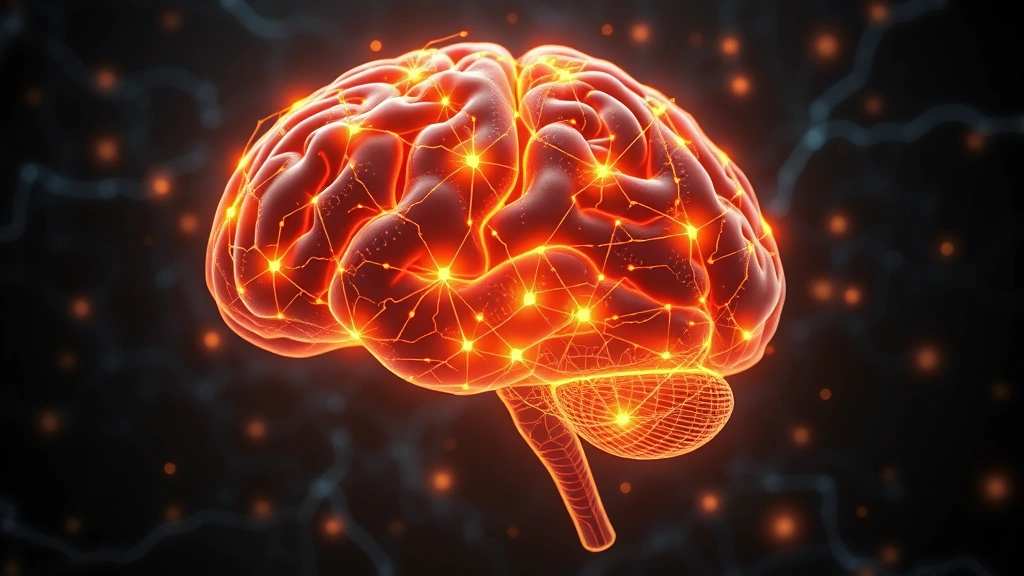
Mindfulness represents the contemplative dimension of triple therapy, cultivating moment-to-moment awareness without judgment. Rather than attempting to eliminate or suppress difficult thoughts and emotions, mindfulness teaches acceptance and compassionate observation. This deceptively simple practice produces profound neurological changes, including increased activation in prefrontal cortex regions associated with emotional regulation and decreased amygdala reactivity to threat stimuli.
Mindfulness-based interventions have demonstrated efficacy across diverse mental health conditions. Mindfulness-Based Cognitive Therapy (MBCT) originally developed for depression relapse prevention now shows effectiveness for anxiety, substance use disorders, and chronic pain. Mindfulness-Based Stress Reduction (MBSR) helps individuals develop resilience and emotional flexibility. When integrated with medication and psychotherapy, mindfulness practices enhance treatment outcomes and support long-term maintenance of gains.
The mechanism through which mindfulness enhances mental health involves multiple pathways. First, regular practice strengthens metacognitive awareness—the ability to observe thoughts rather than being consumed by them. Second, mindfulness activates the parasympathetic nervous system, reducing physiological stress responses. Third, consistent practice cultivates self-compassion, counteracting the shame and self-criticism that often accompany mental health struggles. Fourth, mindfulness develops distress tolerance, allowing individuals to remain present with difficult emotions rather than seeking escape through unhealthy coping mechanisms.
Integration of mindfulness into treatment also addresses a critical limitation of medication and traditional psychotherapy alone. While these interventions help individuals understand their problems intellectually and manage symptoms behaviorally, they sometimes leave a residual sense of fighting against one’s own mind. Mindfulness resolves this internal conflict by shifting from a struggle-based to an acceptance-based framework. Patients report feeling less at war with themselves and more capable of coexisting with difficult internal experiences.
Evidence-Based Outcomes
Research consistently demonstrates the superiority of triple therapy compared to individual components. A landmark meta-analysis examining combined treatment approaches found that individuals receiving medication plus psychotherapy plus mindfulness showed remission rates exceeding 70%, compared to 45% for medication alone and 55% for psychotherapy alone. These differences become even more pronounced in long-term follow-up studies, where triple therapy demonstrates superior relapse prevention.
For major depressive disorder, triple therapy produces particularly robust outcomes. Studies show that the combination approach reduces depressive symptoms faster than any single intervention while simultaneously building protective factors against future episodes. The cognitive skills developed in psychotherapy, neurochemical stabilization from medication, and present-moment acceptance from mindfulness create multiple reinforcing pathways toward sustained wellness.
In anxiety disorders, triple therapy demonstrates exceptional efficacy. The medication component reduces physiological hyperarousal, psychotherapy teaches specific anxiety management techniques, and mindfulness builds the capacity to observe anxious thoughts without being controlled by them. This multi-level intervention addresses anxiety at the neurological, cognitive, and experiential levels simultaneously.

For bipolar disorder and other complex conditions requiring mood stabilization, triple therapy offers particular advantages. Medication prevents mood episodes, psychotherapy teaches early warning sign recognition and lifestyle management, and mindfulness practice enhances emotional stability and reduces reactive mood fluctuations. Individuals receiving comprehensive triple therapy show significantly better functional outcomes and quality of life compared to those receiving medication management alone.
Post-traumatic stress disorder (PTSD) treatment exemplifies the power of triple therapy integration. Medications such as SSRIs reduce hyperarousal and intrusive symptoms. Trauma-focused psychotherapies help individuals process traumatic memories and rebuild safety narratives. Mindfulness practices support window-of-tolerance expansion, allowing individuals to gradually increase their capacity to tolerate and process trauma-related emotions without becoming overwhelmed. The synergy of these three approaches produces more complete trauma recovery than any single intervention.
Implementing Triple Therapy
Successful triple therapy implementation requires coordinated care among prescribers, therapists, and mindfulness instructors. Ideally, these providers communicate regularly about treatment progress, symptom changes, and any adjustments to the treatment plan. Many progressive mental health clinics now employ integrated teams where psychiatrists, psychotherapists, and mindfulness teachers collaborate within a single organization, facilitating seamless communication and coordinated care.
The initial assessment phase determines the appropriate balance among triple therapy components. Individuals with severe acute symptoms may require higher medication emphasis initially, with psychotherapy and mindfulness introduced as stabilization occurs. Those with chronic, treatment-resistant conditions often benefit from emphasis on all three components simultaneously from the outset. Personal preferences also matter—some individuals gravitate toward medication management while others prefer psychological work, and clinicians must honor these preferences while explaining the rationale for comprehensive treatment.
Psychotherapy training within triple therapy frameworks typically includes explicit instruction in mindfulness principles and practices. Therapists teach patients simple mindfulness techniques during sessions and assign regular home practice. This integration ensures that mindfulness becomes woven throughout treatment rather than existing as a separate component. Many therapists begin sessions with brief mindfulness exercises to ground patients in present-moment awareness before engaging deeper therapeutic work.
For those seeking therapy resources and support materials, comprehensive programs typically provide guided mindfulness recordings, psychotherapy worksheets, and medication education resources. These materials support consistent practice between sessions and reinforce the integrated treatment approach. Digital platforms increasingly offer coordinated triple therapy programs where patients access medication management appointments, psychotherapy sessions, and structured mindfulness training through integrated systems.
Addressing Common Challenges
Despite its effectiveness, triple therapy implementation faces several practical challenges. Medication stigma remains prevalent, with some individuals reluctant to accept pharmacological intervention despite clear evidence of benefit. Skilled clinicians address this by educating patients about the neurobiological basis of their conditions and reframing medication not as weakness but as a legitimate medical intervention supporting mental health recovery. Exploring therapy quotes and motivational resources can help individuals develop more accepting attitudes toward comprehensive treatment.
Cost and access present significant barriers to triple therapy implementation. Comprehensive treatment requires coordination among multiple providers, which increases expenses. Insurance coverage for mindfulness-based interventions remains inconsistent across plans and regions. Advocacy for insurance parity in mental health coverage continues to advance, though progress remains uneven. Community mental health centers increasingly offer sliding-scale triple therapy programs to improve access for underserved populations.
Finding qualified providers who understand triple therapy integration poses another challenge. Many therapists practice traditional psychotherapy without mindfulness training, and many mindfulness instructors lack clinical mental health credentials. Individuals seeking comprehensive treatment benefit from explicitly asking potential providers about their experience with integrated approaches and their willingness to collaborate with other practitioners on their treatment team.
Medication side effects sometimes complicate triple therapy participation. Individuals experiencing significant side effects may struggle to maintain consistent mindfulness practice or therapy engagement. Collaborative medication management, where prescribers work closely with psychotherapists to monitor side effects and adjust dosages, helps optimize the risk-benefit ratio. Sometimes switching medications or adjusting dosages improves overall treatment tolerability and adherence.
Patient dropout from triple therapy components occurs when individuals experience symptom relief and prematurely discontinue treatment. Education about relapse prevention and the protective effects of maintenance treatment helps address this challenge. Individuals who understand that triple therapy builds resilience and protective factors rather than simply eliminating symptoms show better treatment adherence and long-term outcomes.
FAQ
What exactly is triple therapy in mental health care?
Triple therapy combines three evidence-based treatment modalities: pharmacological intervention (medication), psychotherapy (talk therapy addressing thoughts and behaviors), and mindfulness-based practices (present-moment awareness training). This integrated approach addresses mental health conditions at biological, psychological, and experiential levels simultaneously, producing superior outcomes compared to individual components alone.
Can I do triple therapy without medication?
While psychotherapy and mindfulness can be effective independently for some individuals, combining all three components produces the strongest evidence-based outcomes. That said, treatment should be individualized. Some people with mild to moderate symptoms may benefit from psychotherapy and mindfulness alone, particularly if they have strong personal preferences against medication or experience contraindications. Discussing options with a qualified mental health provider helps determine the most appropriate approach.
How long does triple therapy typically take?
Triple therapy is not a quick fix. Most individuals require 6-12 months of consistent treatment to experience substantial symptom improvement and develop lasting coping skills. Many continue treatment for 12-24 months to consolidate gains and build resilience. Some individuals benefit from longer-term maintenance treatment, particularly for recurrent conditions like bipolar disorder or chronic depression. The timeline varies based on condition severity, individual responsiveness, and life circumstances.
Is triple therapy appropriate for all mental health conditions?
Triple therapy has demonstrated efficacy across diverse conditions including depression, anxiety disorders, bipolar disorder, PTSD, substance use disorders, and eating disorders. However, treatment planning should be individualized. Some conditions may benefit from emphasis on particular components—for instance, severe bipolar disorder typically requires robust medication management, while adjustment disorders might emphasize psychotherapy and mindfulness. Consultation with experienced mental health professionals helps determine appropriate triple therapy configuration for specific conditions.
How do I find providers offering triple therapy?
Look for integrated mental health clinics where psychiatrists, psychotherapists, and mindfulness instructors collaborate. Ask potential providers explicitly whether they practice triple therapy integration and whether they communicate with other members of your treatment team. Many university-affiliated clinics and progressive private practices now offer coordinated triple therapy programs. Online directories increasingly allow filtering by treatment modalities, making it easier to locate appropriate providers.
Can I eventually discontinue medication while maintaining psychotherapy and mindfulness?
For some individuals, yes. As psychotherapy skills strengthen and mindfulness practice deepens, some people can gradually reduce medication under careful medical supervision. However, this depends on condition type, severity, and individual factors. Some conditions, particularly bipolar disorder, typically require ongoing medication even with robust psychotherapy and mindfulness practice. Decisions about medication tapering should always be made collaboratively with prescribing physicians rather than independently.