How Effective Are Online Speech Therapy Programs?
Speech therapy has undergone a significant transformation in recent years, with digital platforms emerging as a viable alternative to traditional in-person sessions. As telehealth continues to expand across healthcare sectors, online speech therapy programs have gained considerable traction among patients seeking convenient and accessible treatment options. Whether you’re dealing with articulation disorders, voice issues, fluency problems, or language delays, understanding the effectiveness of these programs is crucial for making informed decisions about your care.
The shift toward remote speech therapy accelerated dramatically during the pandemic, forcing therapists and patients alike to adapt to virtual sessions. Today, numerous platforms and practitioners offer comprehensive speech therapy services through video conferencing, interactive apps, and hybrid models. But the pressing question remains: do these online programs deliver the same results as traditional face-to-face therapy? This comprehensive guide examines the evidence, benefits, limitations, and key considerations for evaluating online speech therapy programs.

Research Evidence on Online Speech Therapy Effectiveness
Multiple peer-reviewed studies have demonstrated that online speech therapy programs produce measurable improvements in speech and language outcomes. Research published in the American Journal of Speech-Language Pathology indicates that telehealth speech therapy can be equally effective as in-person therapy for certain conditions, particularly when delivered by licensed speech-language pathologists (SLPs).
A landmark study conducted by researchers at the University of Colorado examined outcomes for children receiving speech therapy through telehealth platforms. The findings revealed that children who participated in online sessions showed comparable progress to those receiving traditional therapy, with improvements in articulation, language comprehension, and expressive language skills. The study noted that consistency of treatment and parental involvement were more predictive of success than the delivery method itself.
According to the American Speech-Language-Hearing Association (ASHA), telehealth services have been recognized as an acceptable service delivery model for speech-language pathology. The organization emphasizes that effectiveness depends on proper assessment, appropriate case selection, and qualified providers. Research from the National Center for Biotechnology Information has documented positive outcomes across various speech and language disorders treated through telehealth platforms.
However, effectiveness varies depending on several factors: the specific disorder being treated, the patient’s age and cognitive abilities, the quality of the technology platform, therapist experience with telehealth, and the level of parental or caregiver involvement. Not all conditions respond equally well to remote delivery, which is why individual assessment and professional guidance are essential.

Types of Conditions Suitable for Online Treatment
Online speech therapy programs show particularly strong results for specific conditions and populations. Articulation and phonology disorders respond well to telehealth delivery, as therapists can clearly visualize mouth movements and provide real-time feedback on sound production. Adults recovering from stroke or managing voice disorders have also demonstrated positive outcomes with online therapy.
Language disorders in school-age children, including receptive and expressive language delays, can be effectively addressed through online platforms when structured properly. Stuttering and fluency disorders have shown promise with telehealth delivery, though some clinicians prefer hybrid approaches combining online sessions with occasional in-person appointments.
Additionally, accent modification and professional voice coaching are particularly well-suited to online delivery, as visual and auditory feedback through video can be highly effective. Patients managing voice disorders related to vocal strain, hoarseness, or nodules often benefit from remote sessions where therapists can monitor vocal function and provide immediate correction.
Conversely, certain populations present greater challenges for online delivery. Very young children (under age 3) may have difficulty engaging with screens for extended periods. Individuals with severe motor speech disorders, profound hearing loss, or significant behavioral challenges may require the hands-on support that in-person therapy provides. Patients with autism spectrum disorder show mixed results, with some benefiting greatly from online therapy while others struggle with the virtual format.
Advantages of Remote Speech Therapy Programs
Accessibility and convenience represent the primary advantages of online speech therapy. For individuals living in rural areas or regions with limited speech therapy services, online programs eliminate geographic barriers. When you’re searching for speech therapy near me, you may discover that local options are limited or have long waiting lists. Online platforms expand your options significantly.
Cost considerations are substantial. Online speech therapy typically costs less than traditional therapy, with reduced overhead expenses passed on to patients. Insurance coverage for telehealth has expanded considerably, and many programs offer flexible pricing models. Understanding therapy cost structures helps you make informed financial decisions about treatment options.
Flexibility in scheduling is another significant benefit. Online programs often accommodate sessions outside standard business hours, making them ideal for working professionals, students, and families with complex schedules. You can attend sessions from home, eliminating travel time and associated costs.
For many patients, the home environment itself becomes therapeutic. Telehealth sessions allow therapists to observe and provide guidance within the patient’s natural setting, which can enhance generalization of skills to real-world contexts. Parents and caregivers can more easily participate in sessions and learn strategies to reinforce therapy goals between appointments.
Additionally, the reduced anxiety some patients experience in familiar home environments can facilitate better engagement and progress. Individuals with social anxiety or transportation challenges find online therapy less intimidating and more accessible.
Limitations and Challenges
Despite significant advantages, online speech therapy programs have notable limitations that must be acknowledged. Technology barriers present real obstacles for some populations. Unreliable internet connections, inadequate devices, or unfamiliarity with digital platforms can impede effective treatment delivery.
The inability to perform certain hands-on assessments and interventions represents a significant constraint. Speech-language pathologists cannot physically manipulate oral structures, perform certain neurological examinations, or provide tactile cueing in the same way as in-person therapy. Some therapeutic techniques requiring direct physical contact cannot be delivered remotely.
Distractions in the home environment can undermine therapy effectiveness. Background noise, interruptions from family members, or pets can disrupt sessions. Younger children may struggle to maintain focus on a screen for the duration of a session, particularly if supervision is inadequate.
Assessment accuracy can be compromised with telehealth. Comprehensive speech and language evaluations often require specialized equipment and standardized conditions that are difficult to replicate in home settings. Initial diagnostic assessments are frequently conducted in-person to ensure accuracy, with follow-up sessions delivered remotely.
Therapeutic rapport may develop differently in virtual settings. Some patients and therapists report that the absence of physical presence affects the therapeutic relationship, though others find virtual sessions equally connective. The impact varies considerably among individuals.
Documentation and confidentiality concerns arise with home-based telehealth. Ensuring HIPAA compliance, managing private health information, and maintaining confidentiality in shared home spaces requires careful attention and patient education.
Technology Requirements and Setup
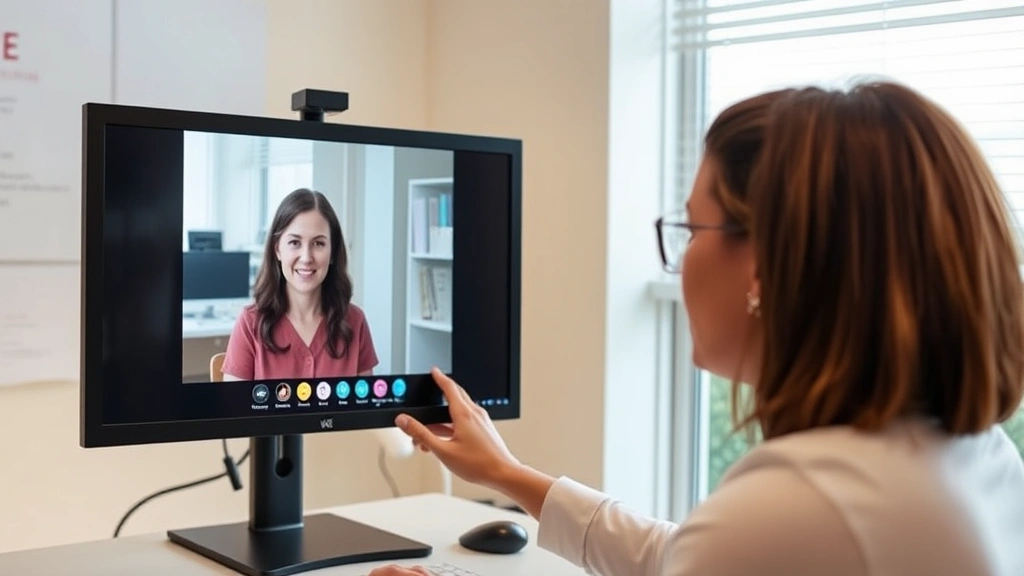
Successful online speech therapy requires appropriate technology infrastructure. At minimum, you need a device with video and audio capabilities—a computer, tablet, or smartphone—and a stable internet connection with adequate bandwidth. High-definition video and clear audio are essential for therapists to accurately assess speech and provide effective feedback.
Many online speech therapy programs utilize advanced AI technologies to supplement therapist-led sessions, offering interactive exercises and progress tracking. These supplementary tools can enhance outcomes when combined with professional guidance.
Adequate lighting and a quiet space are important environmental considerations. The therapy space should be free from significant distractions and positioned to allow the therapist clear visibility of the patient’s face and mouth. A comfortable chair and appropriate table height contribute to session quality and participant comfort.
Many platforms provide technical support and guidance for setup. Before beginning therapy, test your equipment, internet speed, and audio/video quality. Familiarize yourself with the platform’s features, including screen sharing, recording capabilities, and any interactive tools the therapist may use.
For younger children, parental presence and involvement are typically necessary, both for managing technology and for active participation in therapeutic activities. Parents should be prepared to assist with interactive exercises and help maintain focus during sessions.
Comparing Online vs. In-Person Therapy
Research comparing outcomes between online and therapy resources and information in traditional settings reveals nuanced findings. For many speech and language disorders, outcomes are comparable when controlling for therapist qualifications, treatment intensity, and patient engagement.
In-person therapy offers advantages in certain areas. Physical examination capabilities, hands-on therapeutic techniques, and the ability to work with very young children or individuals with severe behavioral challenges are better accommodated in clinical settings. Some patients respond better to the structure and formality of dedicated therapy spaces.
Online therapy excels in accessibility, flexibility, and consistency of scheduling. For individuals who can engage effectively with technology and maintain focus in home environments, remote therapy often produces excellent results with added convenience.
Hybrid models combining both delivery methods are increasingly popular. Initial comprehensive evaluations might occur in-person, with ongoing therapy delivered remotely. Periodic in-person sessions can be incorporated as needed for reassessment, hands-on technique instruction, or intensified intervention.
The most effective approach depends on individual circumstances: the specific disorder, patient age and abilities, therapist expertise with telehealth, technology access, home environment suitability, and personal preferences. Professional assessment helps determine the optimal delivery model for each patient.
Selecting a Reputable Online Speech Therapy Provider
Choosing a quality online speech therapy program requires careful evaluation. Verify that providers employ licensed speech-language pathologists (SLPs) with appropriate credentials. In the United States, SLPs should hold the Certificate of Clinical Competence (CCC-SLP) from ASHA, indicating they’ve completed extensive education, clinical training, and passed comprehensive examinations.
Research the platform’s technology infrastructure. Verify that sessions use secure, HIPAA-compliant video conferencing. Check for adequate privacy protections and clear policies regarding data security and patient confidentiality.
Review available information about treatment approaches and evidence-based practices. Reputable providers should clearly describe their methodologies and explain how they’re tailored to individual needs. Be cautious of programs making unrealistic promises or guarantees of rapid results.
Examine what you’ll pay and understand the billing structure. Some programs offer subscription models, per-session pricing, or package deals. Clarify insurance coverage, cancellation policies, and refund procedures before committing.
Read patient reviews and testimonials, while recognizing that individual experiences vary. Look for patterns in feedback regarding therapist responsiveness, scheduling flexibility, and perceived outcome achievement.
Consider career pathways if you’re interested in this field. Understanding physical therapy assistant roles and occupational therapy jobs can provide context for various therapy careers, including speech-language pathology positions in telehealth settings.
Request an initial consultation or trial session. This allows you to assess compatibility with the therapist, evaluate platform usability, and determine if the program meets your needs before making a financial commitment.
FAQ
Are online speech therapy programs covered by insurance?
Many insurance plans now cover telehealth speech therapy, though coverage varies by plan, provider, and state regulations. Contact your insurance company directly to confirm coverage for online speech therapy services. Some plans require documentation that in-person therapy isn’t feasible or appropriate. Always verify coverage before beginning treatment to avoid unexpected costs.
What age groups benefit most from online speech therapy?
School-age children and adults generally show excellent outcomes with online speech therapy. Children ages 5 and older can typically engage effectively with video-based therapy when properly structured. Preschoolers (ages 3-4) may participate with strong parental involvement. Very young children under 3 often struggle with screen engagement, making in-person therapy preferable. Older adults frequently adapt well to telehealth platforms and appreciate the convenience and accessibility benefits.
How long does it take to see results from online speech therapy?
Results depend on disorder severity, treatment intensity, and individual factors. Many patients notice improvements within 4-6 weeks of consistent therapy, though significant progress typically requires several months of ongoing treatment. Some conditions show rapid gains while others require longer-term intervention. Your therapist can provide realistic timelines based on your specific situation and goals.
Can online speech therapy treat severe speech disorders?
Online therapy can address many speech disorders effectively, but severe cases may require in-person treatment or hybrid approaches. Severe motor speech disorders, profound articulation difficulties, or cases requiring extensive hands-on techniques may benefit from in-person sessions. A licensed SLP can assess whether your condition is appropriate for online delivery or if in-person therapy is recommended.
What should I do if online speech therapy isn’t working?
If you’re not seeing progress, discuss concerns with your therapist. Adjustments to treatment approaches, session frequency, or home practice strategies might improve outcomes. Alternatively, transitioning to in-person therapy or seeking a second opinion from another SLP may be appropriate. Progress varies individually, but ongoing communication with your provider ensures treatment remains effective and aligned with your goals.
Do I need special software or equipment for online speech therapy?
Most online speech therapy programs work through standard video conferencing platforms accessible on computers, tablets, or smartphones. You’ll need a stable internet connection and a device with working camera and microphone. Some programs provide their own platforms or supplementary apps with interactive exercises. Your provider will explain specific technical requirements and offer setup support.