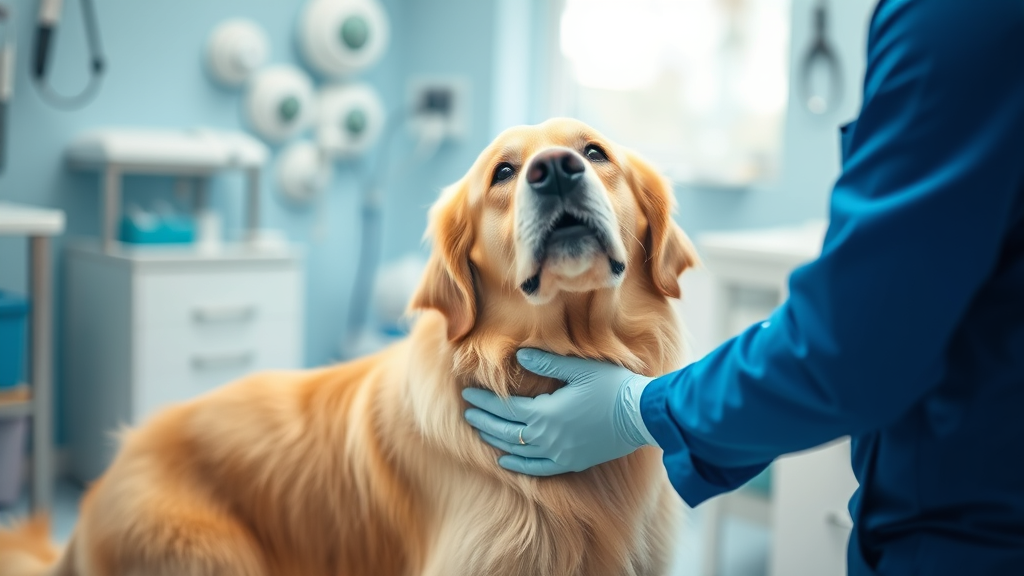
Watching your beloved canine companion struggle with mobility issues, pain, or recovering from surgery can be one of the most heart-wrenching experiences as a pet parent. Just as humans benefit from physical therapy to regain strength, improve mobility, and manage pain, our four-legged family members can experience remarkable healing through specialized canine rehabilitation programs.
The bond between you and your dog runs deeper than words can express, and when they’re hurting, you feel it too. Whether your furry friend is dealing with arthritis, hip dysplasia, post-surgical recovery, or age-related mobility challenges, finding the right physical therapy support near you can be a transformative step toward restoring their quality of life and bringing back that joyful spark in their eyes.
Physical therapy for dogs has evolved tremendously over the past decade, with veterinary rehabilitation becoming an increasingly recognized and effective treatment option. This comprehensive guide will help you navigate the journey of finding qualified canine physical therapists in your area, understanding what to expect from treatment, and making informed decisions about your dog’s rehabilitation needs.
Understanding Canine Physical Therapy
Canine physical therapy, also known as veterinary rehabilitation, is a specialized field that focuses on improving dogs’ mobility, reducing pain, and enhancing overall quality of life through targeted exercises, manual therapy, and advanced treatment modalities. This holistic approach to healing addresses not just the physical symptoms but also supports the emotional well-being of both pets and their families.
The foundation of dog physical therapy lies in understanding canine anatomy, biomechanics, and the unique challenges that different breeds and sizes of dogs face. Professional canine rehabilitation therapists undergo extensive training to develop expertise in assessing movement patterns, identifying compensatory behaviors, and creating individualized treatment plans that address each dog’s specific needs.
Unlike human physical therapy, canine rehabilitation requires specialized techniques for communication and motivation. Therapists must be skilled in reading canine body language, using positive reinforcement techniques, and adapting treatments to work with a dog’s natural behaviors and instincts. This makes the therapeutic relationship between therapist, dog, and owner particularly important for successful outcomes.
Finding Qualified Dog Physical Therapists Near You
Locating qualified dog physical therapy professionals in your area requires understanding the different types of practitioners and credentials to look for. Veterinary rehabilitation can be provided by licensed veterinarians who have completed additional certification in rehabilitation, or by licensed physical therapists who have specialized training in animal rehabilitation.
When searching for dog physical therapy near me, start by asking your primary veterinarian for referrals. Many veterinary clinics maintain relationships with qualified rehabilitation specialists and can provide valuable insights into which practitioners might be the best fit for your dog’s specific condition. Your vet can also provide necessary medical records and imaging studies that rehabilitation therapists will need to develop an effective treatment plan.
Professional organizations like the American Association of Rehabilitation Veterinarians (AARV) and the Canine Rehabilitation Institute maintain directories of certified practitioners. These resources can help you identify therapists who have completed rigorous training programs and maintain current certifications in canine rehabilitation techniques.
Consider the facility’s equipment and treatment options when evaluating potential therapists. Quality canine rehabilitation centers typically offer underwater treadmills, therapeutic laser systems, and other specialized equipment. Some facilities may offer advanced treatments like cold laser therapy or comprehensive laser therapy programs that can significantly enhance treatment outcomes.
Common Treatment Modalities and Techniques
Modern canine physical therapy incorporates a wide range of treatment modalities designed to address different aspects of healing and rehabilitation. Understanding these options can help you have informed discussions with potential therapists and set appropriate expectations for your dog’s treatment journey.
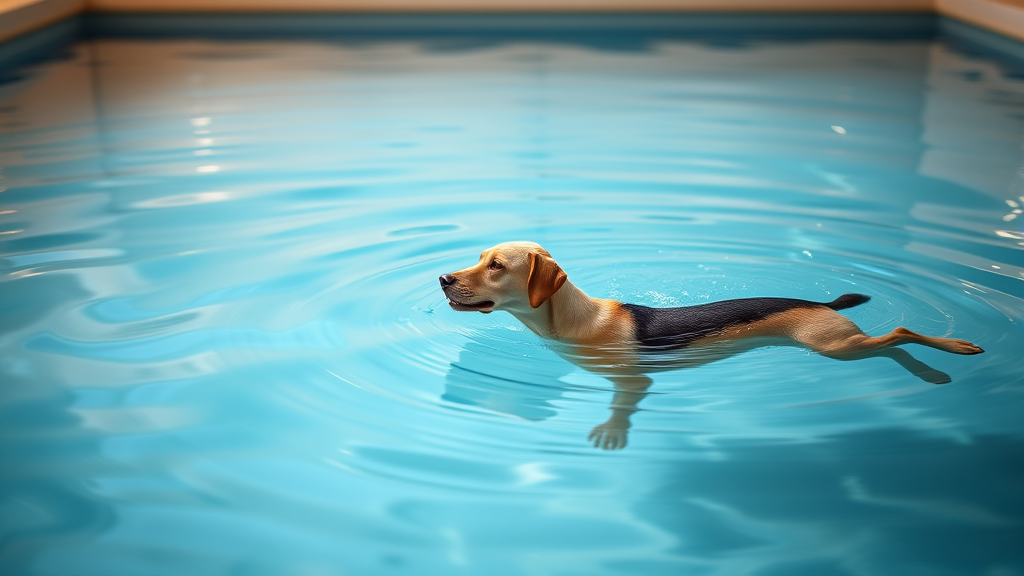
Hydrotherapy represents one of the most popular and effective treatment modalities in canine rehabilitation. Underwater treadmills and swimming pools provide low-impact exercise opportunities that reduce stress on joints while building strength and improving cardiovascular fitness. The buoyancy of water supports body weight, allowing dogs to exercise muscles that might be too painful to use on land.
Manual therapy techniques, including massage, stretching, and joint mobilization, play crucial roles in maintaining flexibility, reducing muscle tension, and improving circulation. These hands-on treatments require significant skill and experience to perform safely and effectively on canine patients.
Therapeutic laser treatments have gained considerable popularity in veterinary rehabilitation. Red light therapy and other laser modalities can help reduce inflammation, promote tissue healing, and provide pain relief without the need for additional medications.
Electrical stimulation, ultrasound therapy, and heat/cold treatments round out the toolkit of modern canine rehabilitation specialists. Each modality serves specific purposes and may be combined to create comprehensive treatment protocols tailored to individual patient needs.
Conditions That Benefit from Dog Physical Therapy
Canine physical therapy can benefit dogs with a wide variety of conditions, from acute injuries to chronic degenerative diseases. Understanding which conditions respond well to rehabilitation can help you recognize when your dog might benefit from professional therapy services.
Orthopedic conditions represent the most common reasons dogs are referred for physical therapy. Hip dysplasia, elbow dysplasia, cruciate ligament injuries, and spinal disc disease can all benefit significantly from structured rehabilitation programs. Post-surgical recovery following procedures like TPLO (Tibial Plateau Leveling Osteotomy) or spinal surgery often includes comprehensive physical therapy protocols.
Neurological conditions, including intervertebral disc disease, degenerative myelopathy, and stroke recovery, can show remarkable improvement with appropriate rehabilitation interventions. These conditions often require specialized techniques and equipment to help dogs relearn movement patterns and maintain neurological function.
Age-related conditions like arthritis and general mobility decline respond well to maintenance therapy programs designed to preserve function and manage pain. Senior dogs often experience significant quality of life improvements through regular physical therapy sessions combined with appropriate exercise programs.

What to Expect During Your Dog’s First Visit
Your dog’s first physical therapy appointment will typically involve a comprehensive evaluation that may take 60-90 minutes. This initial assessment is crucial for developing an effective treatment plan and establishing baseline measurements for tracking progress over time.
The evaluation process usually begins with a thorough review of your dog’s medical history, including any previous injuries, surgeries, medications, and current symptoms. The therapist will ask detailed questions about your dog’s daily activities, exercise tolerance, and specific behaviors you’ve noticed at home.
Physical examination components include gait analysis, range of motion testing, strength assessment, and palpation of muscles and joints. The therapist may use specialized equipment to measure joint angles and document any asymmetries or compensatory movement patterns. Your dog’s comfort level and stress response will be carefully monitored throughout this process.
Based on the evaluation findings, the therapist will discuss treatment recommendations, expected timeline for improvement, and home exercise programs. This collaborative approach ensures that you understand your dog’s condition and feel confident in the treatment plan moving forward.
Cost Considerations and Insurance Options
Understanding the financial aspects of canine physical therapy helps you plan appropriately and explore available options for managing treatment costs. Just as with human healthcare, therapy costs can vary significantly based on location, facility type, and treatment complexity.
Initial evaluation fees typically range from $150-300, with follow-up treatment sessions costing $75-150 per visit. The total number of sessions needed varies widely depending on your dog’s condition, with some cases requiring only a few visits while others benefit from ongoing maintenance therapy.
Pet insurance coverage for physical therapy has expanded significantly in recent years. Many policies now include rehabilitation services, though coverage limits and requirements vary between providers. Review your policy details carefully and discuss coverage options with your insurance provider before beginning treatment.
Some facilities offer package deals or payment plans to help make treatment more affordable. Don’t hesitate to discuss financial concerns with potential therapists, as many practitioners are willing to work with families to develop manageable payment arrangements.
While the costs can seem significant, many pet parents find that physical therapy provides excellent value by improving their dog’s quality of life, potentially reducing the need for medications, and helping prevent future injuries or complications.
Supporting Your Dog’s Recovery at Home
Home care plays a crucial role in maximizing the benefits of professional physical therapy treatments. Your therapist will likely provide specific exercises and activities to perform between sessions, making you an active partner in your dog’s recovery process.
Creating a safe, supportive home environment supports healing and prevents re-injury. This might include providing non-slip surfaces, comfortable bedding, ramps or steps to reduce jumping, and appropriate exercise restrictions during the recovery period.
Home exercise programs typically include range of motion exercises, strengthening activities, and balance training that can be performed safely without specialized equipment. Your therapist will teach you proper techniques and help you recognize signs that your dog is becoming fatigued or uncomfortable.
Monitoring and documenting your dog’s progress at home provides valuable information for your therapy team. Keep track of activity levels, appetite, sleep patterns, and any changes in mobility or pain levels. This information helps therapists adjust treatment plans and set appropriate goals for future sessions.
Communication with your therapy team is essential for successful outcomes. Don’t hesitate to reach out with questions or concerns about home care instructions, your dog’s response to treatment, or any changes in condition between appointments.
Frequently Asked Questions
How do I know if my dog needs physical therapy?
Signs that your dog might benefit from physical therapy include difficulty getting up or lying down, reluctance to climb stairs or jump, limping or favoring one leg, decreased activity levels, stiffness after rest, or changes in gait. Dogs recovering from surgery or diagnosed with conditions like arthritis, hip dysplasia, or neurological disorders often benefit significantly from rehabilitation services. Consult with your veterinarian if you notice any of these signs or have concerns about your dog’s mobility.
What’s the difference between veterinary physical therapy and human physical therapy for dogs?
While there are similarities between human and canine rehabilitation, dog physical therapy requires specialized training in animal anatomy, behavior, and communication techniques. The approach differs significantly from human therapy modalities, as therapists must work with non-verbal patients and use species-appropriate motivation and training techniques. Canine therapists also need expertise in handling different breeds, sizes, and temperaments safely and effectively.
How long does dog physical therapy typically take to show results?
The timeline for seeing results varies greatly depending on your dog’s condition, age, overall health, and compliance with treatment recommendations. Some dogs show improvement within 2-3 sessions, while others may require several weeks of consistent treatment. Acute conditions often respond more quickly than chronic issues. Most therapists will discuss expected timelines during your initial evaluation and adjust expectations based on your dog’s specific situation and progress.
Is dog physical therapy safe for senior dogs?
Physical therapy is generally very safe for senior dogs and can be particularly beneficial for age-related conditions like arthritis and general mobility decline. Therapists adjust treatment intensity and techniques based on each dog’s age, health status, and tolerance levels. Many senior dogs experience significant improvements in comfort and mobility through appropriate rehabilitation programs, often reducing their dependence on pain medications.
Can I do physical therapy exercises with my dog at home without professional guidance?
While some basic exercises can be beneficial, it’s strongly recommended to work with a qualified professional, especially initially. Improper techniques can potentially cause injury or worsen existing conditions. Professional therapists assess your dog’s specific needs, teach proper exercise techniques, and provide guidance on progression and safety. They can also identify when exercises should be modified or discontinued based on your dog’s response to treatment.
Does pet insurance cover dog physical therapy?
Many pet insurance policies now include coverage for rehabilitation services, but coverage varies significantly between providers and policy types. Some policies cover physical therapy as part of accident and illness coverage, while others may require additional wellness or alternative therapy riders. Review your policy carefully and contact your insurance provider to understand specific coverage limits, deductibles, and pre-authorization requirements before beginning treatment.
How do I prepare my anxious dog for physical therapy sessions?
Preparing anxious dogs for therapy requires patience and gradual conditioning. Start by visiting the facility without treatment to help your dog become familiar with the environment. Bring high-value treats and favorite toys to create positive associations. Discuss your dog’s anxiety with the therapist beforehand, as they can modify approaches and potentially recommend anti-anxiety strategies. Some facilities offer trial visits or shorter initial sessions to help nervous dogs adjust to the treatment environment.