In a world filled with constant noise and overwhelming emotions, finding healthy ways to process our feelings can feel like an impossible task. Art therapy activities offer a gentle yet powerful pathway to healing, allowing us to express what words cannot capture and discover profound insights about ourselves through creative expression. Whether you’re struggling with anxiety, depression, trauma, or simply seeking a deeper connection with your inner world, these therapeutic art activities can provide the comfort and clarity you’ve been searching for.
The beauty of art therapy lies not in creating museum-worthy masterpieces, but in the transformative process of creation itself. Each brushstroke, pencil mark, or sculpted form becomes a bridge between your conscious mind and deeper emotional truths. As you embark on this healing journey, remember that there are no wrong ways to create—only opportunities for growth, self-discovery, and emotional release.
Understanding Art Therapy and Its Benefits
Art therapy is a mental health profession that combines the creative process of making art with psychological healing. Unlike traditional therapy modalities, art therapy doesn’t require verbal communication as the primary means of expression. Instead, it harnesses the power of visual symbols, colors, textures, and forms to help individuals explore emotions, develop self-awareness, and work through psychological challenges.
Research published by the National Institutes of Health demonstrates that art therapy can significantly reduce symptoms of anxiety, depression, and PTSD while improving overall emotional well-being. The therapeutic process activates multiple areas of the brain simultaneously, promoting neuroplasticity and creating new neural pathways that support healing and growth.
The benefits of art therapy extend far beyond the therapy room. Regular engagement in creative activities can lower cortisol levels, reduce inflammation, and boost immune function. For children and adolescents seeking therapy for teens near me, art-based interventions often feel less intimidating than traditional talk therapy, making them more willing to engage in the therapeutic process.
Mandala Creation for Inner Balance
Mandala creation stands as one of the most powerful and accessible art therapy activities for achieving inner peace and psychological balance. The word “mandala” comes from Sanskrit, meaning “circle” or “completion,” and these circular designs have been used for centuries in various spiritual and healing traditions.
To begin your mandala practice, start with a simple circle drawn on paper. From this center point, allow your intuition to guide the creation of patterns, shapes, and designs that radiate outward. You might use colored pencils, markers, watercolors, or even digital tools—the medium matters less than the meditative process of creation.
The repetitive nature of mandala creation activates the brain’s relaxation response, similar to meditation. As you focus on the intricate details and symmetrical patterns, your mind naturally shifts away from anxious thoughts and into a state of present-moment awareness. Many practitioners report feeling a sense of completion and wholeness after finishing a mandala, as if they’ve created a visual representation of their inner harmony.
Emotion Color Mapping
Emotion color mapping is a powerful art therapy technique that helps individuals visualize and process their emotional landscape. This activity involves assigning colors to different emotions and creating abstract artworks that represent your current emotional state or explore specific feelings you’re working through.
Begin by creating an emotion-color chart. You might associate red with anger, blue with sadness, yellow with joy, green with peace, or purple with confusion. There are no right or wrong associations—trust your instincts and personal connections to different hues. Once you’ve established your color palette, create an abstract painting or drawing that represents how you’re feeling in the moment.
This technique is particularly effective because it bypasses the analytical mind and allows for direct emotional expression. The American Psychological Association recognizes color therapy as a valuable component of art-based interventions, noting its ability to help clients access and process emotions that might be difficult to verbalize.
Collage Therapy for Self-Discovery
Collage therapy offers a unique approach to self-exploration by combining found images, textures, and materials to create meaningful compositions. This technique is particularly valuable for individuals who feel intimidated by drawing or painting, as it relies on selecting and arranging existing elements rather than creating from scratch.
Gather magazines, newspapers, fabric scraps, photographs, and other materials that speak to you. Without overthinking the process, begin selecting images and elements that resonate with your current goals, dreams, fears, or experiences. Arrange these pieces on a canvas or poster board, layering and overlapping until you create a composition that feels complete.
The process of searching for and selecting images engages your subconscious mind, often revealing insights about your desires, concerns, and aspirations that you might not have consciously recognized. Many therapists incorporate collage work into their practice because it provides a safe way to explore difficult topics and envision positive futures.
Clay Sculpting for Trauma Release
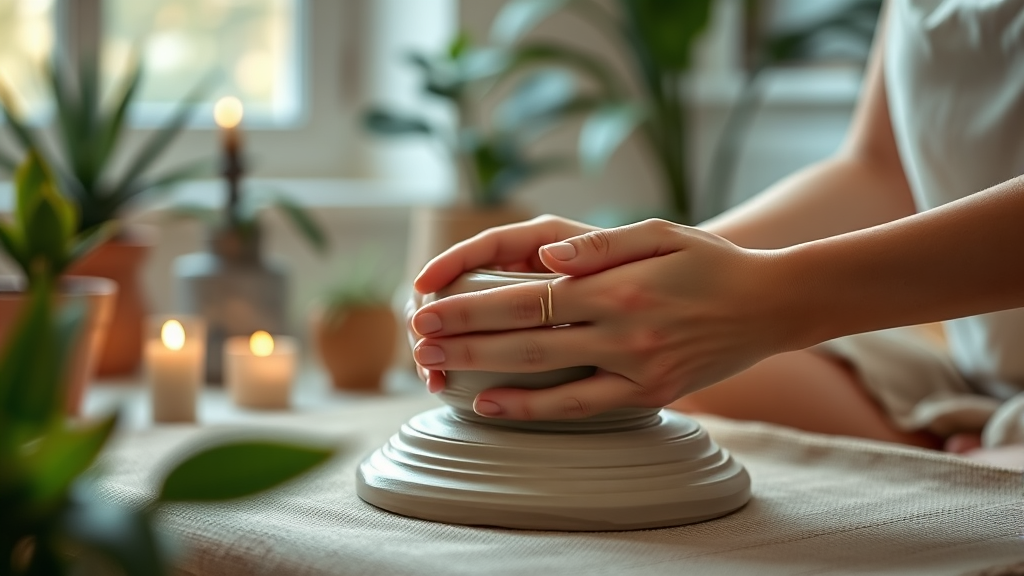
Working with clay offers a uniquely tactile and grounding art therapy experience that can be particularly beneficial for trauma survivors and individuals dealing with overwhelming emotions. The physical act of kneading, shaping, and molding clay provides a direct connection between emotional energy and creative expression.
Clay work doesn’t require any previous experience or artistic skill. Simply begin by holding the clay in your hands, feeling its texture and temperature. Allow your hands to move intuitively, creating shapes, figures, or abstract forms that emerge naturally. Some practitioners find it helpful to imagine they’re molding their emotions—squeezing out anger, gently shaping sadness, or building towers of strength and resilience.
The malleable nature of clay makes it an ideal medium for processing change and transformation. You can create, destroy, and recreate your sculptures as many times as needed, mirroring the cyclical nature of healing and growth. This flexibility often helps individuals feel more comfortable expressing difficult emotions, knowing they can always reshape their creation if needed.
Nature Art for Grounding
Nature-based art therapy activities combine the healing power of the natural world with creative expression, offering a powerful antidote to stress, anxiety, and disconnection. These activities can be practiced outdoors or brought inside using natural materials, making them accessible regardless of your living situation or mobility.
Outdoor nature art might involve creating temporary sculptures from stones, leaves, and branches, or using natural pigments to paint on rocks or tree bark. Indoor variations could include pressing flowers, creating leaf prints, or painting landscapes from memory or imagination. The key is to maintain a connection with the natural world throughout the creative process.
Studies published in Mayo Clinic research demonstrate that combining nature exposure with creative activities can significantly reduce cortisol levels and improve overall mood. The grounding effect of natural materials helps activate the parasympathetic nervous system, promoting relaxation and emotional regulation.
Visual Journaling for Daily Wellness
Visual journaling transforms the traditional written diary into a multimedia exploration of thoughts, feelings, and experiences. This art therapy activity involves combining drawings, paintings, collages, and written reflections in a personal journal that serves as both creative outlet and therapeutic tool.
Your visual journal can take many forms—a traditional sketchbook, a digital tablet, or even a simple notebook where you add visual elements to your written entries. The goal is to create a daily or weekly practice of documenting your inner world through both words and images. You might draw your mood each morning, create color studies representing your energy levels, or illustrate significant dreams or memories.
This practice is particularly valuable for individuals pursuing art therapy certification or those interested in developing their own self-care toolkit. Regular visual journaling builds emotional awareness, improves stress management skills, and creates a tangible record of personal growth over time.
Memory Boxes for Healing
Memory boxes serve as three-dimensional art therapy projects that help individuals process significant life events, relationships, or transitions. These containers become sacred spaces for holding both painful and joyful memories, allowing for a gentle exploration of the past while creating meaning in the present.
Choose a simple box—a shoebox, wooden craft box, or even a tin container. Begin by decorating the exterior with images, colors, and symbols that represent the memory or theme you’re exploring. Inside, place objects, photographs, letters, or small artworks that connect to your chosen focus. You might create a memory box for a lost loved one, a difficult life transition, or a celebration of personal achievements.
The process of selecting, arranging, and containing these meaningful elements provides a sense of control and closure that can be particularly healing for individuals dealing with grief, trauma, or major life changes. Unlike traditional scrapbooks, memory boxes allow for three-dimensional exploration and can be opened and closed as needed, providing a sense of safety and boundaries around difficult emotions.
Getting Started with Art Therapy at Home
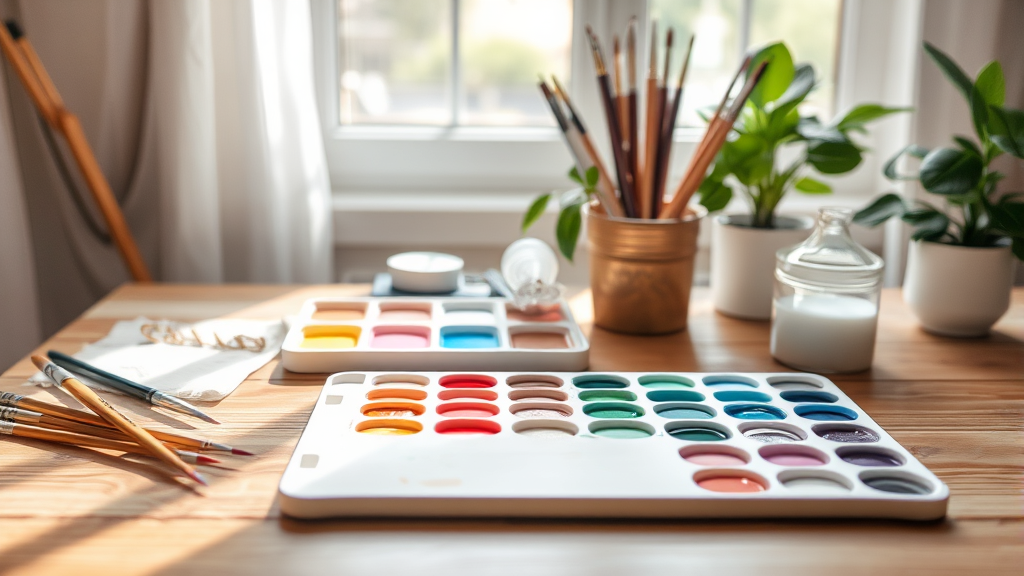
Beginning your art therapy journey at home requires minimal supplies but maximum openness to the creative process. Start with basic materials: paper, colored pencils or markers, watercolors, glue, scissors, and magazines for collage work. As you develop your practice, you might add clay, pastels, fabric, or digital tools to expand your creative options.
Create a dedicated space for your art therapy practice, even if it’s just a corner of a table or a portable basket of supplies. Having a consistent location helps signal to your brain that this is a time for healing and self-reflection. Consider setting aside regular time for creative practice—even 15-20 minutes daily can yield significant benefits.
While self-directed art therapy can be incredibly valuable, working with a trained professional can deepen your experience and provide additional support. Many art therapists offer both in-person and online sessions, and some specialize in specific populations or issues. For families seeking comprehensive support, consider exploring complementary approaches like occupational therapy for kids or pediatric speech therapy alongside art-based interventions.
Remember that the healing power of art therapy lies not in the final product but in the process of creation itself. Approach each activity with curiosity rather than judgment, allowing your authentic self to emerge through color, form, and creative expression. As you continue this practice, you may find that art becomes not just a therapeutic tool but a lifelong source of insight, comfort, and joy.
Frequently Asked Questions
Do I need artistic talent or experience to benefit from art therapy activities?
Absolutely not! Art therapy is about the process of creation and emotional expression, not artistic skill or talent. The therapeutic benefits come from engaging with materials, exploring colors and textures, and allowing your inner world to emerge through creative expression. Many people find that releasing the pressure to create “good” art actually enhances the healing experience.
What supplies do I need to start practicing art therapy at home?
You can begin with very basic supplies: paper, colored pencils or markers, watercolors, scissors, glue, and old magazines for collage work. As you develop your practice, you might add clay, pastels, fabric, or digital tools. The most important element is your willingness to explore and express, not expensive art supplies.
How often should I engage in art therapy activities for maximum benefit?
Consistency matters more than duration. Even 15-20 minutes of daily creative practice can yield significant benefits. Some people prefer longer weekly sessions, while others benefit from brief daily check-ins with their art supplies. Listen to your needs and schedule, but aim for regular engagement rather than sporadic intensive sessions.
Can art therapy activities help with specific mental health conditions?
Research shows that art therapy can be beneficial for various conditions including anxiety, depression, PTSD, grief, and trauma. However, while self-directed art activities can be deeply therapeutic, they shouldn’t replace professional mental health treatment for serious conditions. Consider art therapy as a valuable complement to, rather than substitute for, professional care when needed.
Is it normal to feel emotional or overwhelmed during art therapy activities?
Yes, emotional responses are completely normal and often indicate that the therapeutic process is working. Art can access and release emotions that have been stored in the body or subconscious mind. If you feel overwhelmed, take breaks, practice grounding techniques, or consider working with a trained art therapist who can provide additional support and guidance.
Can children participate in these art therapy activities?
Many of these activities are excellent for children, who often find creative expression more natural than verbal communication. However, children may need age-appropriate modifications and adult supervision. Some activities like play therapy certification programs specifically address developmental needs and can be combined with art-based interventions for comprehensive support.
How do I know if I should work with a professional art therapist?
Consider professional support if you’re dealing with trauma, severe depression or anxiety, grief, or if self-directed activities bring up overwhelming emotions you struggle to process alone. A trained art therapist can provide specialized techniques, create a safe container for difficult emotions, and help you integrate insights from your creative work into daily life and healing.