
Living with chronic pain can feel like carrying an invisible burden that affects every aspect of your daily life. Whether you’re struggling with persistent back pain, recovering from a sports injury, or dealing with conditions that have left you feeling hopeless about finding relief, you’re not alone in this journey. The search for effective pain management solutions often leads people through a maze of treatments, medications, and therapies that may provide temporary relief but don’t address the root cause of their discomfort.
In recent years, medical technology has opened new doors to healing, offering hope to those who have exhausted traditional treatment options. Among these breakthrough approaches is stem wave therapy, an innovative treatment that harnesses the body’s natural healing mechanisms to provide lasting pain relief. This cutting-edge therapy represents a paradigm shift in how we approach pain management, moving beyond simply masking symptoms to actually promoting cellular regeneration and tissue repair.
Understanding Stem Wave Therapy
Stemwave therapy represents a revolutionary approach to pain management that combines advanced acoustic wave technology with the body’s natural healing processes. Unlike traditional pain treatments that often focus on symptom management, this innovative therapy works at the cellular level to stimulate tissue regeneration and promote long-term healing.
The foundation of stem wave therapy lies in its ability to deliver precise acoustic waves to targeted areas of the body. These waves create a controlled mechanical stress that triggers the body’s natural repair mechanisms, including the activation of stem cells and the promotion of new blood vessel formation. This process, known as neovascularization, helps deliver essential nutrients and oxygen to damaged tissues, accelerating the healing process.
What sets stem wave therapy apart from other treatment modalities is its non-invasive nature and its ability to address the underlying causes of pain rather than simply masking symptoms. The therapy has gained significant attention in the medical community due to its impressive success rates and minimal side effects, making it an attractive option for patients who have not found relief through conventional treatments.
How Stem Wave Therapy Works
The mechanism behind stem wave therapy is both fascinating and scientifically sound. The treatment utilizes unfocused acoustic waves that penetrate deep into tissues, creating a phenomenon called mechanotransduction. This process converts mechanical energy into biological signals that stimulate cellular activity and promote healing at the molecular level.
When these acoustic waves reach damaged or inflamed tissues, they trigger several important biological responses. First, they increase blood flow to the treated area, which helps reduce inflammation and provides essential nutrients for tissue repair. Second, the waves stimulate the release of growth factors and cytokines, which are crucial for cellular regeneration and wound healing.
One of the most remarkable aspects of stem wave therapy is its ability to activate dormant stem cells within the treated tissues. These stem cells have the unique capability to differentiate into various cell types, including muscle cells, cartilage cells, and bone cells, depending on the body’s specific needs. This regenerative process can help repair damaged tissues and restore normal function to affected areas.
The therapy also promotes the formation of new blood vessels through a process called angiogenesis. This improved vascularization ensures that healing tissues receive adequate oxygen and nutrients while facilitating the removal of metabolic waste products that can impede recovery.
Conditions Effectively Treated
Stem wave therapy has shown remarkable effectiveness in treating a wide range of musculoskeletal conditions and pain disorders. Research and clinical experience have demonstrated its success in addressing both acute injuries and chronic conditions that have been resistant to other forms of treatment.
Orthopedic conditions respond particularly well to stem wave therapy. Patients with chronic low back pain, often caused by degenerative disc disease or facet joint arthritis, have experienced significant improvement following treatment. The therapy has also proven effective for shoulder impingement syndrome, rotator cuff injuries, and frozen shoulder, conditions that can severely limit mobility and quality of life.
Sports-related injuries represent another area where stem wave therapy excels. Tennis elbow, golfer’s elbow, and other repetitive strain injuries have shown excellent response rates. The therapy is also beneficial for treating plantar fasciitis, a common cause of heel pain that affects millions of people worldwide.
Patients with arthritis, particularly osteoarthritis of the knee, hip, and other joints, have found relief through stem wave therapy. The treatment can help reduce inflammation, improve joint mobility, and slow the progression of cartilage degeneration. Additionally, conditions such as chronic tendinopathies, muscle strains, and ligament injuries have responded favorably to this innovative approach.
Benefits and Advantages
The advantages of stem wave therapy extend far beyond simple pain relief, offering patients a comprehensive approach to healing that addresses both symptoms and underlying causes. One of the most significant benefits is the treatment’s non-invasive nature, which eliminates the risks associated with surgical procedures while providing comparable or superior outcomes in many cases.
Unlike pharmaceutical interventions that may cause side effects or dependency issues, stem wave therapy works with the body’s natural healing processes. This approach minimizes the risk of adverse reactions and makes it suitable for patients who cannot tolerate certain medications or have concerns about long-term drug use.
The treatment’s ability to promote actual tissue regeneration sets it apart from therapies that merely provide temporary symptom relief. Patients often experience lasting improvements that continue to develop even after the treatment series is completed, as the body’s healing processes remain active for weeks or months following therapy.
Another significant advantage is the relatively short treatment time and minimal recovery period. Most sessions last between 15-30 minutes, and patients can typically return to normal activities immediately after treatment. This convenience factor makes stem wave therapy particularly attractive for busy individuals who cannot afford extended downtime.
The therapy’s versatility is also noteworthy, as it can be effectively combined with other treatment modalities such as laser therapy for pain or physical therapy to enhance overall outcomes. This integrative approach allows healthcare providers to customize treatment plans based on individual patient needs and conditions.

The Treatment Process
Understanding what to expect during stem wave therapy can help alleviate anxiety and prepare patients for their treatment journey. The process typically begins with a comprehensive evaluation by a qualified healthcare provider who specializes in regenerative medicine and pain management.
During the initial consultation, your provider will review your medical history, conduct a physical examination, and may order diagnostic imaging to better understand your condition. This thorough assessment helps determine whether stem wave therapy is appropriate for your specific situation and allows for the development of a personalized treatment plan.
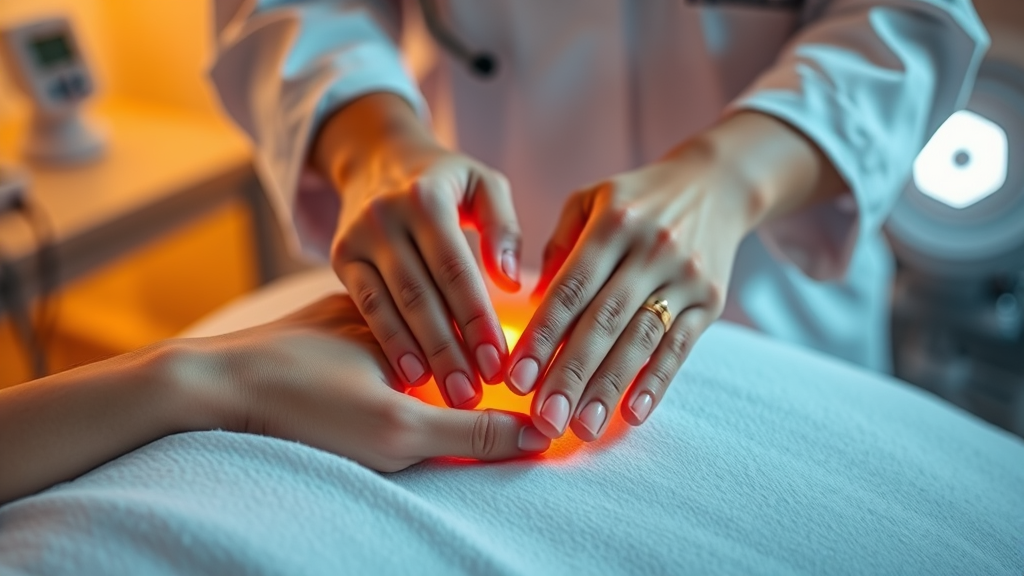
The actual treatment session is remarkably straightforward and comfortable for most patients. You’ll be positioned comfortably on a treatment table, and the provider will apply a coupling gel to the treatment area to ensure optimal wave transmission. The stem wave device is then positioned over the affected area, and acoustic waves are delivered according to the predetermined treatment protocol.
Most patients describe the sensation as mild to moderate pressure or pulsing, which is generally well-tolerated. The intensity can be adjusted based on your comfort level and the specific requirements of your condition. Treatment sessions typically last between 15-30 minutes, depending on the size and complexity of the area being treated.
A typical treatment course consists of 3-6 sessions scheduled over several weeks, allowing time for the body’s healing processes to respond between treatments. Your provider will monitor your progress and may adjust the treatment plan based on your response and improvement.
Comparison with Other Wave Therapies
The field of acoustic wave therapy encompasses several different modalities, each with its own characteristics and applications. Understanding the distinctions between these approaches can help patients make informed decisions about their treatment options.
Softwave therapy and soft wave therapy are closely related to stem wave therapy but may differ in wave characteristics and treatment protocols. These therapies typically use unfocused acoustic waves similar to stem wave therapy but may vary in frequency, intensity, and treatment depth.
Traditional shockwave therapy near me searches often lead patients to focused shockwave treatments, which use high-energy acoustic waves concentrated on specific points. While effective for certain conditions, focused shockwave therapy can be more uncomfortable and may require anesthesia in some cases.
Acoustic wave therapy serves as an umbrella term encompassing various wave-based treatments. The key differentiator with stem wave therapy is its specific focus on stem cell activation and tissue regeneration, making it particularly effective for chronic conditions and degenerative disorders.
According to research published in the National Center for Biotechnology Information, unfocused acoustic wave therapies like stem wave therapy have shown superior outcomes for tissue regeneration compared to focused treatments, particularly in chronic conditions where cellular repair is the primary goal.
Choosing the Right Provider
Selecting a qualified provider for stem wave therapy is crucial for achieving optimal outcomes and ensuring your safety throughout the treatment process. The expertise and experience of your healthcare provider can significantly impact the effectiveness of your treatment and your overall experience.
Look for providers who have specific training and certification in stem wave therapy or related acoustic wave treatments. Many qualified practitioners are orthopedic physicians, physiatrists, sports medicine specialists, or other healthcare professionals with advanced training in regenerative medicine and pain management.
The facility should maintain high standards of cleanliness and safety, with modern equipment that is regularly maintained and calibrated. Reputable providers will be transparent about their experience, success rates, and will provide detailed information about the treatment process, potential risks, and expected outcomes.
During your consultation, a qualified provider should conduct a thorough evaluation, discuss alternative treatment options, and provide realistic expectations about your potential outcomes. They should also be willing to coordinate care with your other healthcare providers and develop a comprehensive treatment plan that addresses your specific needs and goals.
Research from the Mayo Clinic emphasizes the importance of choosing providers with appropriate training and experience in acoustic wave therapies to maximize treatment effectiveness and minimize potential complications.
Frequently Asked Questions
How many stem wave therapy sessions will I need?
Most patients require 3-6 treatment sessions scheduled over 4-8 weeks. The exact number depends on your condition’s severity, chronicity, and individual healing response. Your provider will create a personalized treatment plan based on your specific needs and monitor your progress to determine if additional sessions are necessary.
Is stem wave therapy painful?
Most patients find stem wave therapy comfortable, describing the sensation as mild pressure or gentle pulsing. The treatment intensity can be adjusted to your comfort level, and no anesthesia is required. Some patients may experience mild soreness for 24-48 hours after treatment, similar to the feeling after exercise.
How quickly will I see results from stem wave therapy?
While some patients notice improvement within days of their first treatment, most begin experiencing significant pain relief and improved function after 2-3 sessions. The body’s healing response continues for weeks to months after treatment completion, with many patients reporting continued improvement over time.
Are there any side effects or risks with stem wave therapy?
Stem wave therapy has an excellent safety profile with minimal side effects. Some patients may experience temporary mild soreness, slight swelling, or skin redness at the treatment site. Serious complications are extremely rare. The American Psychological Association notes that non-pharmacological treatments like stem wave therapy can reduce reliance on pain medications and their associated risks.
Can stem wave therapy be combined with other treatments?
Yes, stem wave therapy can be safely combined with many other treatments including physical therapy, chiropractic care, and certain medications. Your provider will review your current treatments and may recommend complementary therapies to enhance your outcomes. However, certain treatments may need to be temporarily modified during your stem wave therapy course.
Is stem wave therapy covered by insurance?
Insurance coverage for stem wave therapy varies by provider and policy. While some insurance plans may cover the treatment for certain conditions, others may consider it experimental or investigational. It’s important to check with your insurance provider and discuss payment options with your healthcare provider’s office before beginning treatment.
Who is a good candidate for stem wave therapy?
Ideal candidates include individuals with chronic pain conditions that have not responded adequately to conservative treatments, those seeking alternatives to surgery or long-term medication use, and patients with musculoskeletal injuries or degenerative conditions. Your provider will evaluate your medical history, current condition, and treatment goals to determine if stem wave therapy is appropriate for you. Research from Psychology Today highlights how effective pain management can significantly improve mental health and overall quality of life.