Living with chronic pain can feel isolating and overwhelming, affecting every aspect of your daily life from work performance to personal relationships. If you’ve been searching for natural, effective ways to manage your discomfort, you may have encountered scraping therapy—an ancient healing practice that’s gaining renewed attention in modern wellness circles. This traditional technique offers a gentle yet powerful approach to pain relief that works with your body’s natural healing mechanisms.
Scraping therapy, also known as Gua Sha, represents more than just a physical treatment; it’s a holistic approach to wellness that addresses both the symptoms and underlying causes of pain and tension. Whether you’re dealing with muscle soreness, chronic headaches, or stress-related physical symptoms, understanding this time-tested therapy could open doors to the relief you’ve been seeking. Let’s explore how this ancient practice might become an integral part of your journey toward better health and well-being.
What is Scraping Therapy?
Scraping therapy, traditionally known as Gua Sha in Chinese medicine, is a therapeutic technique that involves using smooth-edged tools to gently scrape the skin’s surface. This ancient practice, which dates back over 2,000 years, works by creating controlled micro-trauma to the skin and underlying tissues, promoting increased blood flow and triggering the body’s natural healing response.
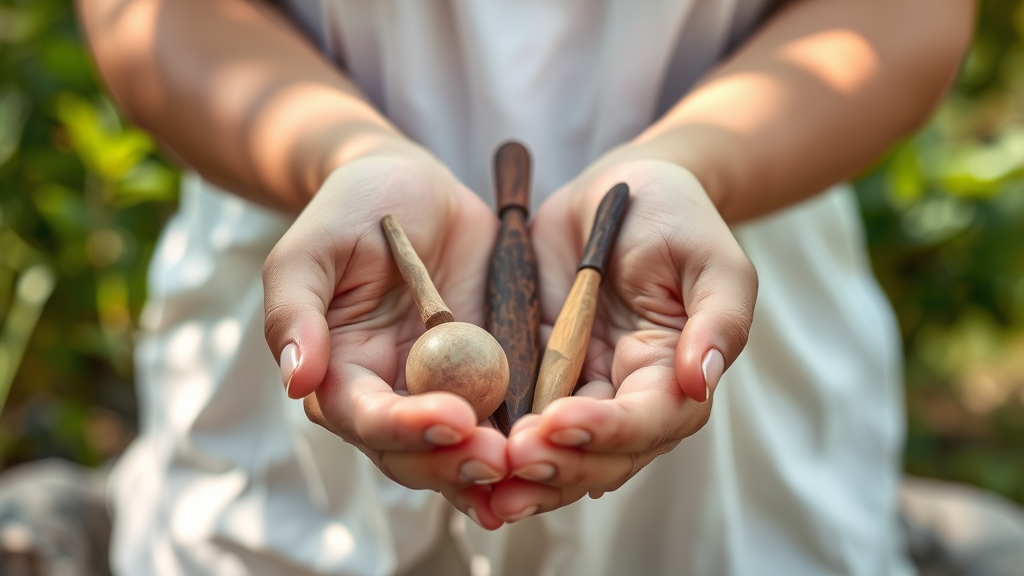
The technique involves applying oil or lubricant to the skin, then using specialized tools—traditionally made from jade, horn, or metal—to perform long, smooth strokes along specific areas of the body. These strokes follow the body’s meridian lines, which are energy pathways recognized in traditional Chinese medicine. The pressure applied is firm but not painful, creating a scraping sensation that helps break up stagnation and promote circulation.
Modern practitioners have adapted this ancient technique, incorporating contemporary understanding of anatomy and physiology while maintaining the core principles that make scraping therapy effective. Today’s sessions might utilize ergonomically designed tools made from stainless steel, ceramic, or high-quality stones, ensuring both effectiveness and hygiene standards.
How Scraping Therapy Works in Your Body
The mechanisms behind scraping therapy’s effectiveness are multifaceted, involving both physical and physiological responses. When the scraping tool moves across your skin, it creates a mechanical stimulus that affects multiple systems in your body simultaneously.
At the cellular level, the gentle scraping action stimulates mechanoreceptors in your skin and underlying tissues. These specialized nerve endings respond to mechanical pressure and movement, sending signals to your brain that can help modulate pain perception. This process, known as the gate control theory of pain, essentially “closes the gate” to pain signals, providing relief from discomfort.
The technique also promotes vasodilation—the widening of blood vessels—which increases circulation to the treated area. This enhanced blood flow brings fresh oxygen and nutrients to tissues while helping remove metabolic waste products that may contribute to pain and inflammation. The improved circulation can persist for hours after treatment, continuing to benefit the treated areas.
Additionally, scraping therapy may stimulate the release of endorphins, your body’s natural pain-relieving chemicals. These neurotransmitters not only help reduce pain but also promote feelings of well-being and relaxation, contributing to the overall therapeutic effect of the treatment.
The Science-Backed Benefits of Scraping Therapy
Research into scraping therapy has revealed numerous potential benefits that extend beyond simple pain relief. Studies published in the National Institutes of Health have documented various positive outcomes from regular scraping therapy sessions.
Pain reduction is perhaps the most well-documented benefit, with clinical trials showing significant improvements in conditions like chronic neck pain, lower back pain, and fibromyalgia symptoms. Participants in these studies often reported not just reduced pain intensity but also improved range of motion and decreased reliance on pain medications.
The therapy has also shown promise in addressing stress-related symptoms. The rhythmic, meditative nature of the treatment can activate your parasympathetic nervous system, promoting relaxation and reducing cortisol levels. Many people find that regular sessions help them manage anxiety and improve sleep quality.
Inflammation reduction is another significant benefit. The mechanical action of scraping appears to influence inflammatory markers in the body, potentially helping with conditions characterized by chronic inflammation. This anti-inflammatory effect may contribute to the therapy’s effectiveness in treating various musculoskeletal conditions.
For those exploring various therapeutic approaches, understanding how different treatments complement each other can be valuable. Some practitioners integrate scraping therapy with other modalities, and you might find resources through various therapy portals that offer comprehensive treatment approaches.
Different Techniques and Tools Used
Scraping therapy encompasses various techniques, each adapted to specific conditions and treatment goals. The traditional Chinese approach focuses on following meridian lines and acupuncture points, using long, flowing strokes that may create temporary redness or petechiae—small red spots that indicate increased circulation.
The pressure applied can vary from light to moderate, depending on your comfort level and the specific condition being treated. Practitioners typically begin with lighter pressure and gradually increase intensity based on your response and tolerance. The direction of strokes is also important, generally moving from the center of the body outward or following the natural direction of muscle fibers.
Modern adaptations of scraping therapy have introduced new tools and techniques. Some practitioners use instruments with different edge shapes and textures to achieve varying therapeutic effects. Softer materials might be used for sensitive areas or for clients new to the therapy, while firmer tools may be employed for deeper tissue work.
The choice of lubricant is also crucial for effective treatment. Traditional practitioners often use specific oils with therapeutic properties, while modern approaches might incorporate massage oils or even specialized gels designed to enhance the gliding motion while providing additional benefits to the skin.
Conditions That Respond Well to Scraping Therapy
Scraping therapy has shown effectiveness across a wide range of conditions, making it a versatile addition to many wellness routines. Musculoskeletal conditions often respond particularly well to this treatment approach.
Chronic neck and shoulder tension, often resulting from poor posture or stress, frequently improves with regular scraping therapy sessions. The increased circulation and muscle relaxation achieved through the technique can provide lasting relief from the tight, knotted feeling that characterizes these conditions.
Headaches and migraines may also benefit from scraping therapy, particularly when applied to the neck, shoulders, and scalp areas. Mayo Clinic research suggests that the improved blood flow and tension release achieved through the therapy may help reduce both the frequency and intensity of headaches.
Athletes and active individuals often find scraping therapy helpful for recovery from intense training or competition. The therapy can help reduce delayed onset muscle soreness (DOMS) and may speed recovery time between workouts.
Some practitioners have reported success using scraping therapy as part of comprehensive treatment plans for conditions like carpal tunnel syndrome, plantar fasciitis, and even some digestive issues. While more research is needed in these areas, the therapy’s ability to improve circulation and reduce tension may contribute to these positive outcomes.
Those interested in exploring various therapeutic modalities might find value in platforms that offer diverse treatment options, such as through comprehensive therapy platforms that connect individuals with various wellness practitioners.
What to Expect During Your First Session
Your first scraping therapy session will typically begin with a consultation where your practitioner will discuss your health history, current symptoms, and treatment goals. This conversation helps them tailor the session to your specific needs and ensures your safety throughout the treatment.
The actual treatment usually lasts between 15 to 45 minutes, depending on the areas being treated and the complexity of your condition. You’ll be asked to remove clothing from the treatment area, and your practitioner will provide appropriate draping for comfort and privacy.
The practitioner will apply a suitable lubricant to your skin before beginning the scraping motions. You should expect to feel pressure and a scraping sensation, but the treatment should never be painful. It’s important to communicate with your practitioner about your comfort level throughout the session.
During treatment, you may notice some redness appearing on your skin. This is a normal response and indicates increased blood flow to the area. In some cases, small red spots called petechiae may appear, which are also normal and typically fade within a few days.
After the session, you might feel relaxed and experience some immediate relief from tension or pain. However, some people may feel slightly tired or experience mild soreness similar to what you might feel after a deep massage. These sensations typically resolve within 24 hours.
Safety Considerations and Precautions
While scraping therapy is generally safe when performed by trained practitioners, there are important safety considerations to keep in mind. Understanding these precautions helps ensure you receive the maximum benefit while minimizing any potential risks.
Certain medical conditions require special consideration or may contraindicate scraping therapy entirely. These include bleeding disorders, skin conditions like eczema or psoriasis in the treatment area, recent surgery or injury, and pregnancy. Always inform your practitioner about any medications you’re taking, particularly blood thinners, as these can affect how your body responds to the treatment.
The temporary redness and petechiae that may appear after treatment are normal, but it’s important to distinguish these from concerning reactions. Research from the American Psychological Association emphasizes the importance of working with qualified practitioners who understand both the benefits and limitations of complementary therapies.
Proper hygiene and tool sterilization are crucial for safe treatment. Ensure your practitioner uses clean tools and follows appropriate sanitation protocols. The treatment area should be clean, and single-use lubricants should be employed to prevent contamination.
It’s also important to stay hydrated before and after treatment, as the increased circulation can affect your body’s fluid balance. Avoiding alcohol and strenuous exercise immediately after treatment can help optimize your body’s response to the therapy.
For those seeking information about various therapeutic approaches, educational resources and professional guidance can be found through reputable therapy communities where experiences and research are shared among practitioners and clients alike.
Frequently Asked Questions
Does scraping therapy hurt, and what should I expect to feel during treatment?
Scraping therapy should not be painful when performed correctly. You’ll feel pressure and a scraping sensation as the tool moves across your skin, which most people find tolerable and even relaxing. Some temporary redness or small red spots may appear, which is normal and indicates increased blood circulation. If you experience significant discomfort, communicate immediately with your practitioner so they can adjust the pressure or technique.
How often should I receive scraping therapy sessions for optimal results?
The frequency of scraping therapy sessions depends on your specific condition and treatment goals. For acute issues, you might benefit from sessions 2-3 times per week initially, then reducing frequency as symptoms improve. For chronic conditions or general wellness maintenance, weekly or bi-weekly sessions are often recommended. Your practitioner will develop a personalized treatment plan based on your individual needs and response to therapy.
Are there any side effects or risks associated with scraping therapy?
Scraping therapy is generally very safe when performed by trained practitioners. The most common side effects are temporary redness, mild soreness, and small red spots (petechiae) that typically resolve within 2-3 days. Serious adverse effects are rare but can include infection if proper hygiene isn’t maintained, or bruising in individuals with bleeding disorders. Always choose qualified practitioners and disclose any medical conditions or medications you’re taking.
Can scraping therapy be combined with other treatments or therapies?
Yes, scraping therapy often works well as part of a comprehensive treatment plan. It can be safely combined with many other therapies including acupuncture, massage, physical therapy, and conventional medical treatments. However, it’s important to inform all your healthcare providers about the treatments you’re receiving to ensure they work together effectively and don’t interfere with each other. Some practitioners offer integrated approaches that combine multiple modalities for enhanced results.
What conditions or health issues respond best to scraping therapy?
Scraping therapy has shown effectiveness for various musculoskeletal conditions including chronic neck and back pain, tension headaches, muscle soreness, and stiffness. It’s also used for stress-related symptoms, poor circulation, and some inflammatory conditions. Athletes often use it for recovery and performance enhancement. While research supports its use for many conditions, individual responses vary, and it’s not a cure-all. Consult with healthcare providers to determine if it’s appropriate for your specific situation.
How long does it take to see results from scraping therapy?
Many people experience some immediate benefits from scraping therapy, such as reduced muscle tension and improved range of motion. However, lasting results typically develop over several sessions. For acute conditions, significant improvement may be noticed within 3-5 sessions, while chronic conditions might require 6-10 sessions or more to achieve optimal results. Factors affecting response time include the severity of your condition, overall health, lifestyle factors, and how well you follow post-treatment care recommendations.
Is scraping therapy suitable for everyone, and are there any age restrictions?
Scraping therapy can be beneficial for people of various ages, from adolescents to seniors, but individual assessment is important. Children under 12 typically require specialized pediatric approaches and parental consent. Elderly individuals may need gentler techniques due to thinner skin and potential medication interactions. Pregnant women, people with certain medical conditions, and those taking blood-thinning medications require special consideration or may need to avoid the therapy entirely. A thorough consultation with a qualified practitioner is essential to determine suitability and develop an appropriate treatment approach.