In our fast-paced world, finding natural pathways to healing and wellness has become more crucial than ever. When stress, anxiety, and daily pressures weigh heavily on our minds and bodies, many people are turning to plant-based therapeutic solutions that honor both ancient wisdom and modern understanding. Lost Coast Plant Therapy represents a unique approach to wellness that combines the therapeutic power of nature’s botanical treasures with innovative healing methodologies.
The journey toward mental and physical well-being doesn’t have to be overwhelming or complicated. Sometimes, the most profound healing comes from reconnecting with the natural world around us and embracing the gentle yet powerful properties that plants have offered humanity for thousands of years. Whether you’re dealing with chronic stress, seeking better sleep, or simply looking to enhance your overall quality of life, plant therapy offers a compassionate and holistic path forward.
Understanding Plant Therapy and Its Foundations
Plant therapy, also known as phytotherapy or botanical medicine, represents one of humanity’s oldest and most enduring approaches to healing. This therapeutic modality harnesses the natural compounds found in plants—including essential oils, terpenes, flavonoids, and other bioactive molecules—to support mental, emotional, and physical well-being. Unlike synthetic medications that often target single pathways in the body, plant-based therapies work holistically, addressing multiple systems simultaneously.
The science behind plant therapy is both ancient and cutting-edge. Modern research has validated many traditional uses of medicinal plants, revealing the complex mechanisms through which botanical compounds interact with our nervous system, endocrine system, and immune function. For instance, studies published by the National Center for Biotechnology Information demonstrate how certain plant compounds can modulate neurotransmitter activity, reduce inflammation, and promote cellular repair processes.
What makes plant therapy particularly appealing for mental health support is its gentle yet effective nature. Rather than overwhelming the system with intense interventions, botanical medicines work with the body’s natural healing mechanisms, supporting homeostasis and encouraging the restoration of balance. This approach aligns beautifully with trauma-informed care principles, recognizing that healing happens best in an environment of safety, choice, and gradual progress.
The Lost Coast Approach to Healing
The Lost Coast region, known for its pristine natural environment and rich biodiversity, provides an ideal setting for understanding how plant therapy can be integrated into modern wellness practices. This approach emphasizes the importance of sourcing high-quality, sustainably harvested botanical materials while maintaining deep respect for indigenous knowledge and traditional healing practices.
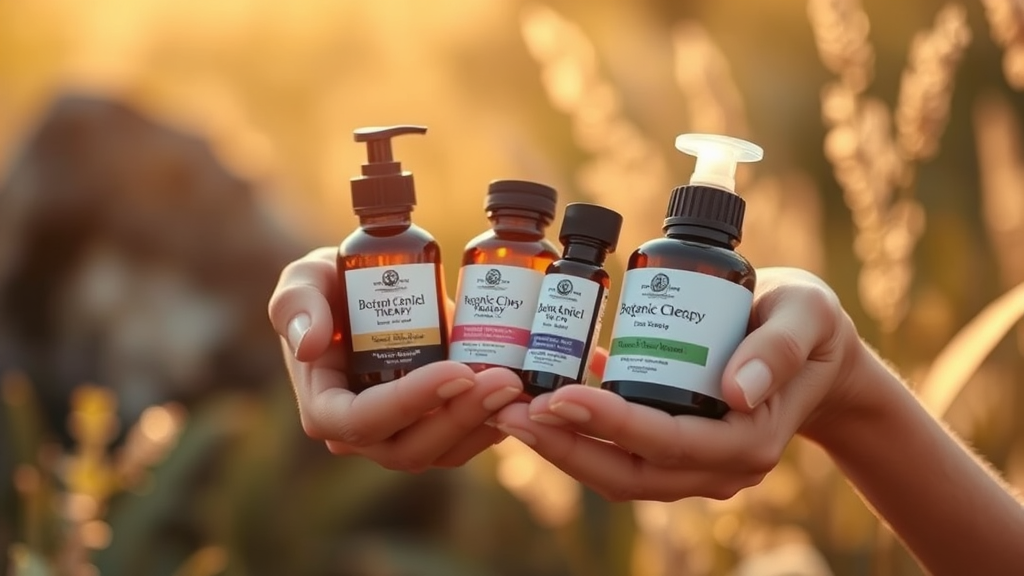
Lost Coast Plant Therapy products typically incorporate a carefully curated selection of therapeutic plants, each chosen for specific healing properties and synergistic effects. Common ingredients might include adaptogenic herbs like ashwagandha and rhodiola for stress management, calming botanicals such as chamomile and passionflower for anxiety relief, and aromatic plants like lavender and eucalyptus for their mood-enhancing properties.
The methodology behind Lost Coast Plant Therapy often involves multiple delivery systems to maximize therapeutic benefit. This might include topical applications through balms and oils, aromatherapy through diffusion or inhalation, and internal use through teas, tinctures, or capsules. Each method offers unique advantages and can be tailored to individual needs and preferences.
What sets this approach apart is its emphasis on holistic integration. Rather than simply addressing symptoms, Lost Coast Plant Therapy seeks to support the whole person—mind, body, and spirit—recognizing that true healing involves restoring balance across all dimensions of human experience. This philosophy aligns with emerging research in integrative mental health, which emphasizes the importance of combining multiple therapeutic modalities for optimal outcomes.
Therapeutic Benefits and Applications
The therapeutic applications of Lost Coast Plant Therapy are remarkably diverse, offering support for a wide range of mental health and wellness concerns. One of the most significant benefits is stress reduction and nervous system regulation. Many plant compounds contain natural anxiolytic properties that help calm an overactive stress response without the side effects often associated with pharmaceutical interventions.
For individuals dealing with anxiety and panic disorders, certain botanical combinations can provide gentle yet effective relief. Plants like lemon balm, skullcap, and holy basil have been shown to modulate GABA activity in the brain, promoting feelings of calm and relaxation. These effects can be particularly beneficial when combined with other therapeutic approaches such as colour vibration therapy, which uses specific light frequencies to support emotional balance.
Sleep disorders represent another area where plant therapy shows remarkable promise. The natural sedative properties of plants like valerian root, magnolia bark, and California poppy can help regulate circadian rhythms and promote restorative sleep without the dependency risks associated with sleep medications. Quality sleep is fundamental to mental health recovery and overall well-being, making this application particularly valuable.
Pain management is yet another significant benefit of Lost Coast Plant Therapy. Many botanical compounds possess natural anti-inflammatory and analgesic properties that can provide relief from chronic pain conditions. This is especially important for individuals whose mental health struggles are compounded by physical discomfort, as addressing both aspects simultaneously often leads to better overall outcomes.
The mood-supporting properties of various plants cannot be overstated. St. John’s wort, saffron, and turmeric have all shown promise in supporting healthy mood balance, while adaptogenic herbs help the body better cope with stressors that might otherwise trigger depressive episodes. These natural interventions can be particularly valuable as adjuncts to traditional therapy and counseling approaches.

Integration with Modern Wellness Practices
One of the most exciting aspects of Lost Coast Plant Therapy is how seamlessly it integrates with contemporary wellness practices and therapeutic modalities. This integration represents a return to more holistic approaches to health while leveraging modern scientific understanding and safety protocols.
Light therapy represents an excellent complementary practice to botanical medicine. Different wavelengths of light can enhance the absorption and effectiveness of plant compounds while providing additional therapeutic benefits. For instance, green light therapy has shown promise for pain relief and may work synergistically with anti-inflammatory plant compounds. Similarly, red light therapy vs infrared therapy options can support cellular healing processes while botanical medicines work on neurochemical balance.
Mindfulness and meditation practices pair beautifully with plant therapy. The calming effects of certain aromatherapy blends can deepen meditation experiences and make mindfulness practices more accessible to individuals who struggle with racing thoughts or anxiety. The ritual aspects of preparing and using plant medicines can themselves become mindful practices, creating opportunities for present-moment awareness and intentional healing.
Breathwork and plant therapy create a powerful synergistic combination. Essential oils and aromatic plant preparations can enhance breathing exercises by providing olfactory anchors that help regulate the nervous system. The act of conscious breathing while inhaling therapeutic plant compounds creates a multi-sensory healing experience that engages both physiological and psychological healing mechanisms.
Physical movement and exercise can also be enhanced through plant therapy integration. Topical preparations containing warming or cooling botanical compounds can support muscle recovery and reduce exercise-related inflammation. Energizing plant aromatics might be used before workouts, while calming botanicals can support post-exercise relaxation and recovery.
Getting Started with Plant Therapy
Beginning your journey with Lost Coast Plant Therapy requires thoughtful consideration of your individual needs, current health status, and wellness goals. The beauty of plant therapy lies in its adaptability—there are multiple entry points and approaches that can be tailored to your unique circumstances and comfort level.
Start by conducting an honest assessment of your current wellness needs. Are you primarily seeking stress relief, better sleep, mood support, or physical comfort? Understanding your primary concerns will help guide your selection of appropriate plant allies. Keep a simple wellness journal for a week or two, noting patterns in your energy, mood, sleep, and stress levels. This baseline information will be valuable as you begin incorporating plant therapy into your routine.
Education is a crucial first step in any plant therapy journey. Research the specific plants and compounds you’re considering, paying attention to potential interactions with any medications you’re currently taking. The Mayo Clinic provides excellent resources on herbal supplements and their interactions. Consulting with healthcare providers familiar with integrative medicine can provide additional safety guidance and personalized recommendations.
Quality sourcing is paramount when selecting plant therapy products. Look for companies that provide detailed information about their sourcing practices, extraction methods, and quality testing procedures. Third-party testing for purity and potency is an important indicator of product quality. Organic certification, while not always necessary, can provide additional assurance about the absence of harmful pesticides and chemicals.
Start slowly and mindfully with any new plant therapy regimen. Begin with lower doses or concentrations and gradually increase as you observe your body’s response. Keep detailed notes about what you’re using, when you’re using it, and how you feel afterward. This information will help you identify what works best for your unique physiology and circumstances.
Consider combining plant therapy with other wellness modalities for enhanced benefits. Broadband light therapy sessions might be enhanced by aromatherapy, while what does blue light therapy do for circadian rhythm regulation could be complemented by sleep-supporting botanical blends.
Safety and Best Practices
While plant therapy is generally considered safe and well-tolerated, responsible use requires understanding potential risks and implementing appropriate safety measures. The natural origin of botanical medicines doesn’t automatically guarantee their safety for all individuals or in all circumstances.
Drug interactions represent one of the most important safety considerations. Many plant compounds can interact with prescription medications, either enhancing or diminishing their effects. For example, St. John’s wort can significantly alter the metabolism of many medications, while ginkgo biloba may increase bleeding risk when combined with anticoagulant medications. Always consult with healthcare providers before adding plant therapy to your wellness routine, especially if you’re taking prescription medications.
Individual sensitivities and allergies must also be considered. Even natural substances can trigger allergic reactions in sensitive individuals. Conduct patch tests for topical preparations, start with very small doses for internal use, and discontinue use immediately if you experience any adverse reactions. Keep detailed records of what you’re using and any symptoms you experience to help identify potential triggers.
Pregnancy, breastfeeding, and childhood use require special consideration. Many botanical compounds can cross the placental barrier or pass into breast milk, potentially affecting developing babies. Some plants that are safe for adults may not be appropriate for children. Always consult with qualified healthcare providers before using plant therapy during pregnancy, breastfeeding, or with children.
Quality and purity concerns highlight the importance of sourcing products from reputable manufacturers. Contamination with heavy metals, pesticides, or adulterant substances can pose serious health risks. Look for products that have been third-party tested and certified by recognized organizations. Be particularly cautious with products sourced from regions with less stringent quality control standards.
The integration of plant therapy with other treatments, such as revive light therapy protocols, should be approached systematically and with professional guidance when dealing with serious health conditions. According to Psychology Today, integrative approaches work best when coordinated by knowledgeable healthcare providers who can monitor for interactions and adjust treatments as needed.
Frequently Asked Questions
What makes Lost Coast Plant Therapy different from other herbal products?
Lost Coast Plant Therapy emphasizes sustainable sourcing from pristine natural environments, often incorporating traditional indigenous knowledge with modern scientific understanding. The approach typically focuses on synergistic plant combinations rather than single-ingredient products, and emphasizes integration with other wellness practices like light therapy and mindfulness techniques. Quality sourcing, third-party testing, and holistic formulation principles distinguish these products from mass-market herbal supplements.
How long does it take to see results from plant therapy?
The timeline for experiencing benefits from plant therapy varies significantly depending on the specific plants used, the individual’s physiology, and the condition being addressed. Some effects, such as the calming properties of aromatherapy or the immediate relaxation from herbal teas, can be felt within minutes to hours. However, more significant therapeutic changes, such as improved sleep patterns, mood stabilization, or stress resilience, typically require consistent use over weeks to months. It’s important to maintain realistic expectations and track your progress over time.
Can I use plant therapy alongside my current medications?
This is a crucial safety question that requires individualized assessment by qualified healthcare providers. While many plant compounds are generally safe, some can interact significantly with prescription medications. Always consult with your doctor, pharmacist, or an integrative medicine practitioner before adding plant therapy to your wellness routine. Provide them with detailed information about the specific products you’re considering, including ingredient lists and dosages. Never discontinue prescribed medications without medical supervision.
Are there any side effects associated with plant therapy?
While generally well-tolerated, plant therapy can cause side effects in some individuals. Common mild side effects might include digestive upset, skin irritation from topical applications, or drowsiness from sedating plants. More serious reactions, though rare, can include allergic responses or interactions with medications. Starting with small doses, conducting patch tests for topical products, and monitoring your response carefully can help minimize risks. Discontinue use and consult healthcare providers if you experience any concerning symptoms.
How do I know if plant therapy products are high quality?
Look for several quality indicators when selecting plant therapy products: third-party testing for purity and potency, organic certification when possible, clear labeling of all ingredients and concentrations, transparent information about sourcing and manufacturing practices, and proper storage recommendations. Reputable companies will provide certificates of analysis upon request and maintain good manufacturing practice (GMP) standards. Avoid products with unrealistic health claims or those that seem significantly cheaper than comparable products from established companies.
Can children use Lost Coast Plant Therapy products?
Children’s use of plant therapy requires special consideration and professional guidance. While some gentle botanical preparations may be appropriate for children, dosages, and formulations must be adjusted for smaller body weights and developing physiology. Some plants that are safe for adults may not be suitable for children. Always consult with pediatricians or qualified practitioners experienced in pediatric botanical medicine before giving any plant therapy products to children. External aromatherapy applications are generally safer than internal use for younger individuals.
How should I store plant therapy products to maintain their effectiveness?
Proper storage is essential for maintaining the potency and safety of plant therapy products. Most botanical preparations should be stored in cool, dry places away from direct sunlight and heat sources. Essential oils and tinctures often require refrigeration or storage in dark glass containers. Always check product labels for specific storage instructions and expiration dates. Avoid storing products in bathrooms or other humid environments, as moisture can promote bacterial growth and degrade active compounds. Keep all products out of reach of children and pets.