In our fast-paced world, finding moments of true relaxation can feel like an impossible task. Your mind races with endless to-do lists, your shoulders carry the weight of daily stress, and that persistent tension headache seems to be your constant companion. If this sounds familiar, you’re not alone. Millions of people are discovering the transformative power of head spa therapy—a specialized wellness treatment that combines ancient healing techniques with modern relaxation methods to provide profound mental and physical relief.
Head spa therapy represents more than just a luxury treatment; it’s a therapeutic journey that addresses the unique stresses we face in modern life. From scalp massage and aromatherapy to specialized techniques that promote circulation and release tension, these treatments offer a sanctuary where your mind can finally find peace. Whether you’re dealing with chronic stress, tension headaches, or simply need a mental reset, exploring head spa therapy options in your local area could be the key to unlocking the ultimate relaxation experience you’ve been seeking.
What is Head Spa Therapy?
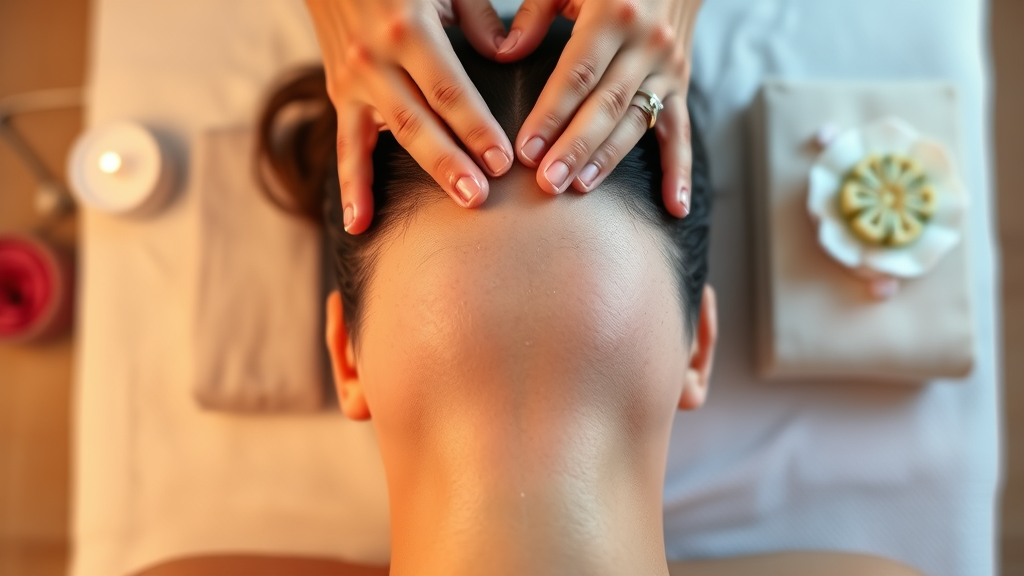
Head spa therapy is a comprehensive wellness treatment that focuses specifically on the head, scalp, and upper neck region to promote deep relaxation and stress relief. Unlike traditional spa treatments that may address the entire body, head spa therapy concentrates its healing power on the area where we carry the most tension—our heads and minds. This specialized approach recognizes that true relaxation often begins with releasing the physical and mental stress that accumulates in our cranial region.
The practice draws from various therapeutic traditions, including Ayurvedic head massage, Japanese scalp therapy techniques, and modern aromatherapy principles. During a typical session, trained therapists use a combination of gentle massage techniques, pressure point stimulation, and carefully selected essential oils to create a multi-sensory experience that promotes both physical relaxation and mental clarity.
What sets head spa therapy apart from regular massage is its targeted approach to the nervous system. The head contains numerous nerve endings and pressure points that, when properly stimulated, can trigger the body’s natural relaxation response. This makes head spa therapy particularly effective for individuals who struggle with anxiety, sleep issues, or chronic stress-related tension.
Benefits of Head Spa Therapy
The benefits of head spa therapy extend far beyond simple relaxation, offering both immediate relief and long-term wellness improvements. Research from the National Institutes of Health has shown that targeted massage therapy can significantly reduce stress hormones while increasing the production of endorphins, our body’s natural mood elevators.
One of the most immediate benefits clients experience is tension relief. Many people carry stress in their scalp, temples, and jaw muscles without even realizing it. Head spa therapy systematically addresses these areas, often providing instant relief from tension headaches and muscle tightness. The gentle manipulation of scalp tissues also improves blood circulation, which can promote better nutrient delivery to hair follicles and potentially improve hair health.
Mental health benefits are equally significant. The focused attention on the head and scalp creates a meditative experience that helps quiet racing thoughts and promotes mindfulness. Many clients report improved sleep quality after regular head spa sessions, as the relaxation response triggered during treatment can help regulate circadian rhythms and reduce nighttime anxiety.
Additionally, head spa therapy can be particularly beneficial for individuals who work in high-stress environments or spend long hours at computers. The treatment helps counteract the effects of prolonged mental strain and can serve as a powerful reset button for both mind and body.
Types of Head Spa Treatments
Head spa therapy encompasses various treatment modalities, each designed to address specific needs and preferences. Traditional scalp massage forms the foundation of most treatments, utilizing techniques that stimulate circulation and release muscle tension. These massages often incorporate warm oils infused with therapeutic herbs or essential oils, creating an aromatherapy component that enhances the relaxation experience.
Dry head spa treatments are another popular option, particularly for clients who prefer not to have oils in their hair. These sessions focus on pressure point stimulation and gentle manipulation of the scalp and surrounding areas without the use of topical products. This approach is ideal for individuals with sensitive skin or those who need to return to work immediately after their session.
Some facilities offer specialized treatments that combine head spa therapy with other modalities. For instance, you might find treatments that incorporate elements similar to red light therapy or sessions that complement cupping therapy for a more comprehensive wellness experience.
Advanced head spa treatments may include lymphatic drainage techniques, which help reduce puffiness and promote detoxification in the head and neck area. Some practitioners also incorporate sound therapy or guided meditation into their sessions, creating a truly immersive relaxation experience that addresses both physical and mental well-being.

Finding Quality Head Spa Providers Near You
When searching for head spa therapy in your area, it’s essential to research providers thoroughly to ensure you receive safe, effective treatment. Start by looking for practitioners who have proper certification and training in massage therapy. While requirements vary by location, reputable providers should have appropriate licensing, such as a massage therapy permit, and ongoing education in specialized techniques.
Reading client reviews and testimonials can provide valuable insights into the quality of service and effectiveness of treatments. Look for feedback that specifically mentions the therapist’s skill level, the cleanliness of the facility, and the overall experience. Many quality providers also offer consultations where you can discuss your specific needs and concerns before committing to a treatment.
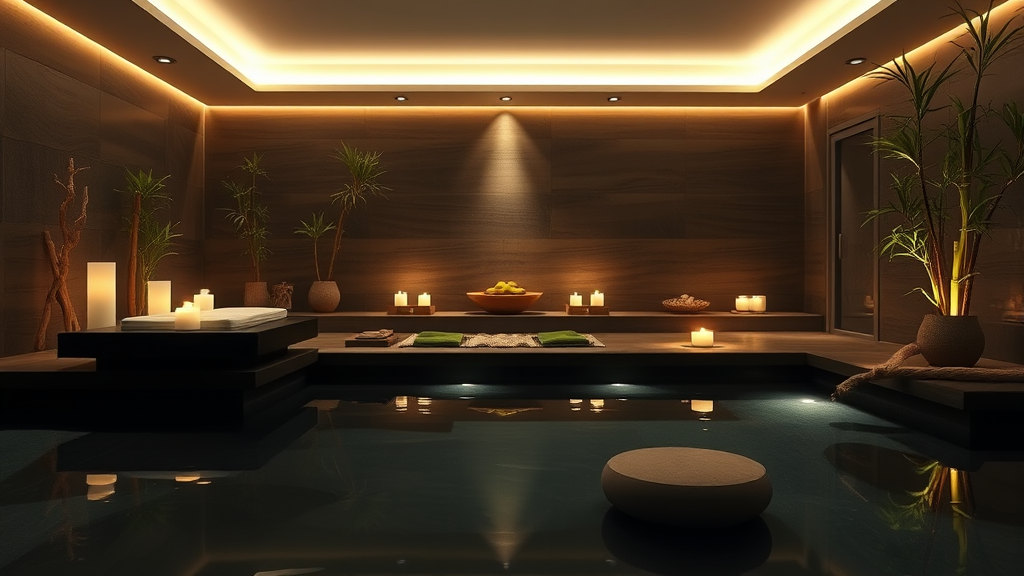
Consider the facility’s atmosphere and amenities when making your choice. A quality head spa should provide a clean, peaceful environment that promotes relaxation from the moment you enter. The treatment rooms should be private, comfortable, and equipped with appropriate furniture and ventilation systems.
Don’t hesitate to ask about the products used during treatments. Reputable providers will be transparent about their oils, lotions, and other materials, and should be able to accommodate any allergies or sensitivities you may have. Some facilities also offer package deals or membership programs that can make regular treatments more affordable.
What to Expect During Your First Session
Your first head spa therapy session will typically begin with a consultation where the therapist discusses your health history, stress levels, and treatment goals. This conversation helps them customize the session to your specific needs and ensures your safety throughout the treatment. Be honest about any medical conditions, medications, or areas of particular tension or sensitivity.
The actual treatment usually takes place in a quiet, dimly lit room designed to promote relaxation. You’ll typically remain fully clothed, though you may be asked to remove jewelry or hair accessories that could interfere with the treatment. The therapist will position you comfortably, often in a specialized chair that supports your head and neck properly.
During the session, you can expect gentle to moderate pressure as the therapist works on your scalp, temples, and neck area. Communication is important—don’t hesitate to speak up if the pressure is too light or too intense. Many people find that they drift into a deeply relaxed state or even fall asleep during treatment, which is completely normal and often indicates that the therapy is working effectively.
After the session, take a few moments to reorient yourself before standing up. It’s common to feel slightly lightheaded or very relaxed immediately following treatment. Many therapists will provide water and encourage you to hydrate well after your session to help your body process any toxins that may have been released during the massage.
Complementary Wellness Therapies
Head spa therapy works exceptionally well in combination with other wellness modalities, creating a comprehensive approach to stress relief and health optimization. Many wellness centers now offer integrated treatment plans that might include options like hyperbaric chamber therapy for enhanced oxygen delivery or ozone therapy for overall wellness support.
The Mayo Clinic recognizes that combining different therapeutic approaches can enhance overall treatment effectiveness. For individuals dealing with chronic stress or health issues, integrating head spa therapy with other treatments like chelation therapy under proper medical supervision can provide more comprehensive health benefits.
Regular exercise, meditation, and proper sleep hygiene complement head spa therapy beautifully. The relaxation skills you develop during treatment sessions can be applied to daily stress management, helping you maintain the benefits between appointments. Many clients find that regular head spa treatments improve their ability to practice mindfulness and manage stress in their daily lives.
Nutritional support also plays a role in maximizing the benefits of head spa therapy. Staying hydrated, eating anti-inflammatory foods, and ensuring adequate sleep all support your body’s natural healing processes and can enhance the effectiveness of your treatments.
Frequently Asked Questions
How often should I receive head spa therapy treatments?
The frequency of head spa therapy depends on your individual needs and stress levels. For general wellness and stress management, most practitioners recommend sessions every 2-4 weeks. If you’re dealing with chronic tension headaches or high stress levels, weekly sessions initially may be beneficial, gradually spacing them out as your condition improves. According to the American Psychological Association, regular stress management practices are most effective when maintained consistently over time.
Is head spa therapy safe for everyone?
Head spa therapy is generally safe for most people, but certain conditions may require modifications or medical clearance. Individuals with recent head injuries, active skin infections, severe migraines, or certain medical conditions should consult with their healthcare provider before receiving treatment. Pregnant women should also discuss head spa therapy with their doctor, though many find it helpful for stress relief during pregnancy when performed by trained professionals.
What should I wear to a head spa therapy session?
Comfortable, loose-fitting clothing is ideal for head spa therapy sessions. Since the treatment focuses on your head, scalp, and neck area, you’ll typically remain fully clothed. Avoid wearing heavy jewelry, especially earrings or necklaces that might interfere with the treatment. If your session includes oil treatments, consider wearing clothing you don’t mind getting slightly oily, or ask if the facility provides protective coverings.
Can head spa therapy help with hair loss or scalp conditions?
While head spa therapy primarily focuses on relaxation and stress relief, the improved circulation from scalp massage may support hair health. However, it’s important to have realistic expectations—head spa therapy is not a cure for medical hair loss conditions. If you have specific scalp concerns like psoriasis, eczema, or male pattern baldness, discuss these with both your healthcare provider and your therapist to ensure appropriate treatment modifications.
How long do the effects of head spa therapy last?
The duration of benefits varies among individuals and depends on factors like stress levels, lifestyle, and the frequency of treatments. Many people experience immediate relaxation and tension relief that can last several days to a week. For long-term benefits like improved stress management and sleep quality, regular treatments combined with other wellness practices typically provide the most sustained results.
What’s the difference between head spa therapy and regular massage?
Head spa therapy specifically targets the head, scalp, and upper neck area, using specialized techniques designed to address tension and stress in these regions. Regular full-body massage covers larger muscle groups but may not provide the focused attention to cranial pressure points that head spa therapy offers. The concentrated approach of head spa therapy can be more effective for stress-related tension, headaches, and mental fatigue.
How much does head spa therapy typically cost?
Costs for head spa therapy vary widely depending on location, facility type, and session length. Generally, sessions range from $60 to $150 for a 30-60 minute treatment. Many facilities offer package deals or membership programs that can reduce the per-session cost. While it may seem like an investment, many clients find that the stress relief and improved well-being justify the expense, especially when considering the potential healthcare costs associated with chronic stress and tension.