In our modern world, where artificial lighting dominates our daily lives, many of us have developed a complicated relationship with light itself. You might find yourself squinting at screens, feeling disconnected from natural rhythms, or struggling with mood changes as seasons shift. Yet, what if I told you that a specific type of light—blue light—could actually become a powerful ally in your wellness journey? This might seem counterintuitive, especially given the widespread concerns about blue light exposure from digital devices.
The truth is, therapeutic blue light is fundamentally different from the harsh, unfiltered blue light emitted by our phones and computers. When used intentionally and safely, blue light therapy represents a scientifically-backed approach to addressing various health concerns, from seasonal depression to sleep disorders. Understanding what does blue light therapy do can open doors to natural healing methods that work in harmony with your body’s innate rhythms.
As we explore this fascinating field together, remember that every person’s journey with light therapy is unique. What works wonderfully for one individual may require adjustments for another, and that’s perfectly normal. The key is approaching this treatment with patience, proper guidance, and realistic expectations about the healing process.
Understanding Blue Light Therapy
Blue light therapy utilizes specific wavelengths of light, typically between 470-490 nanometers, to trigger biological responses in your body. Unlike the broad spectrum of blue light from digital screens, therapeutic blue light is carefully calibrated and controlled to maximize benefits while minimizing potential harm. This targeted approach allows healthcare providers and individuals to harness light’s natural healing properties safely and effectively.
The foundation of blue light therapy rests on your body’s intricate relationship with light and darkness. Your circadian rhythms, those internal biological clocks that regulate sleep, mood, and countless physiological processes, are primarily governed by light exposure. When these rhythms become disrupted—whether due to shift work, seasonal changes, or modern lifestyle factors—blue light therapy can help restore balance and promote optimal functioning.
What makes blue light particularly powerful is its ability to penetrate tissues and interact directly with cellular components. This interaction isn’t just superficial; it reaches deep into your body’s regulatory systems, influencing everything from hormone production to neurotransmitter activity. The blue light therapy benefits extend far beyond simple mood enhancement, encompassing a wide range of physical and mental health improvements.

How Blue Light Therapy Works in Your Body
The science behind blue light therapy is both fascinating and complex, involving multiple biological pathways that work together to promote healing and wellness. When blue light enters your eyes, it travels along the optic nerve to reach the suprachiasmatic nucleus, your brain’s master clock. This tiny but crucial region coordinates your body’s circadian rhythms, sending signals throughout your system to regulate sleep-wake cycles, hormone production, and metabolic processes.
At the cellular level, blue light therapy activates specific photoreceptors called cryptochromes and melanopsin. These specialized proteins respond to light by triggering cascades of chemical reactions that ultimately influence your mood, energy levels, and cognitive function. The process is remarkably similar to how plants use light for photosynthesis, demonstrating the fundamental connection between light and life itself.
Research published by the National Institute of Mental Health shows that blue light exposure can significantly impact serotonin production, often called the “happiness hormone.” This neurotransmitter plays a crucial role in mood regulation, sleep quality, and overall mental well-being. By optimizing serotonin levels through controlled blue light exposure, many individuals experience improved emotional stability and reduced symptoms of depression.
The therapy also influences cortisol production, your body’s primary stress hormone. Proper light exposure helps maintain healthy cortisol rhythms, with levels naturally rising in the morning to promote alertness and declining in the evening to facilitate restful sleep. This hormonal balance is essential for managing stress, maintaining immune function, and supporting overall health.
Primary Therapeutic Applications
Blue light therapy has proven effective for treating seasonal affective disorder (SAD), a form of depression that typically occurs during fall and winter months when natural sunlight exposure decreases. The Mayo Clinic recognizes light therapy as a first-line treatment for SAD, with studies showing that 60-80% of people with this condition experience significant improvement when using blue light therapy consistently.
Beyond seasonal depression, blue light therapy shows promise for addressing non-seasonal depression and anxiety disorders. The treatment can be particularly beneficial for individuals who don’t respond well to traditional antidepressant medications or prefer non-pharmaceutical approaches to mental health care. Many therapists now incorporate light therapy into comprehensive treatment plans, recognizing its ability to enhance overall therapeutic outcomes.
Sleep disorders represent another major application area for blue light therapy. Paradoxically, while blue light exposure in the evening can disrupt sleep, strategic morning exposure can help reset your circadian clock and improve sleep quality. This approach is especially valuable for people dealing with delayed sleep phase disorder, jet lag, or shift work sleep disorder.
The therapy also shows potential for cognitive enhancement and brain health. Some research suggests that blue light exposure can improve attention, memory, and executive function, particularly in older adults. These cognitive benefits may be related to improved sleep quality, enhanced mood, or direct effects on brain function.
Treatment Protocols and Best Practices
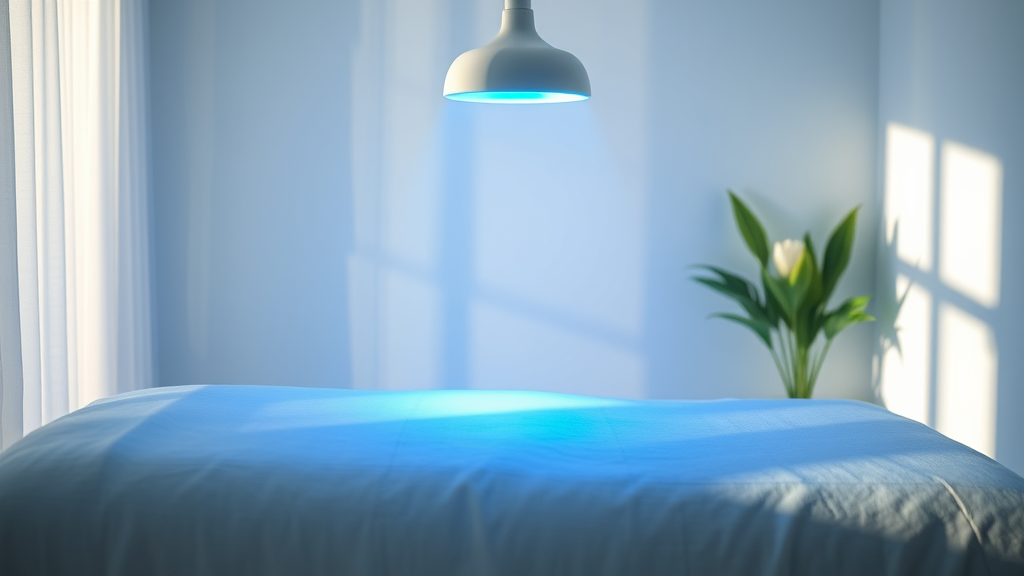
Effective blue light therapy requires careful attention to timing, duration, and intensity. Most treatment protocols recommend morning sessions, typically within the first hour after waking, to maximize circadian rhythm benefits. Session lengths usually range from 15-30 minutes, depending on the device’s intensity and your individual needs.
The intensity of therapeutic blue light is measured in lux, with most effective treatments delivering between 2,500-10,000 lux. Higher intensities allow for shorter treatment sessions, while lower intensities may require longer exposure times. It’s important to note that these intensities are significantly higher than typical indoor lighting but remain within safe therapeutic ranges when used properly.
Consistency is crucial for achieving optimal results with blue light therapy. Most people begin noticing improvements within 1-2 weeks of regular use, with maximum benefits typically achieved after 4-6 weeks of consistent treatment. This timeline reflects your body’s natural adaptation process and the time needed for circadian rhythms to stabilize.
Distance from the light source also matters significantly. Most therapeutic devices are designed to be used at a specific distance, usually 12-24 inches from your face. Sitting too close can cause eye strain or discomfort, while sitting too far reduces the therapeutic intensity. Always follow manufacturer guidelines and consider consulting with a healthcare provider for personalized recommendations.
Safety Considerations and Precautions
While blue light therapy is generally considered safe for most people, certain precautions are essential to ensure optimal outcomes and prevent adverse effects. Eye protection is paramount, as prolonged exposure to intense blue light can potentially damage retinal tissue. Most therapeutic devices include safety features and guidelines to minimize these risks, but it’s crucial to follow instructions carefully.
Individuals with certain medical conditions should exercise extra caution or avoid blue light therapy altogether. These conditions include bipolar disorder, where light therapy might trigger manic episodes, and certain eye diseases such as macular degeneration or retinal dystrophy. People taking photosensitizing medications should also consult with healthcare providers before beginning treatment.
Timing considerations extend beyond optimal therapeutic windows to include avoiding evening exposure. Blue light therapy too close to bedtime can disrupt natural melatonin production and interfere with sleep quality. The American Psychological Association recommends completing light therapy sessions at least 6 hours before intended bedtime to prevent sleep disruption.
Side effects, while generally mild, can include eye strain, headaches, nausea, or irritability, particularly during the initial adjustment period. These symptoms often resolve as your body adapts to the treatment, but persistent or severe side effects warrant discontinuation and professional consultation.
Comparing Different Light Therapy Options
Understanding the landscape of light therapies can help you make informed decisions about which approach might work best for your specific needs. While blue light therapy excels at circadian rhythm regulation and mood enhancement, other light wavelengths offer unique benefits. Red light therapy vs infrared therapy comparisons reveal that longer wavelengths penetrate deeper into tissues and may be more effective for pain management and tissue healing.
Green light therapy represents another emerging option, with research suggesting benefits for migraine management and pain reduction. This wavelength appears to interact differently with the nervous system, offering complementary effects to blue light therapy’s mood and sleep benefits.
Many modern devices combine multiple wavelengths to provide comprehensive therapeutic options. These full-spectrum approaches recognize that different conditions may respond better to specific light wavelengths or combinations thereof. Some individuals find that alternating between different types of light therapy throughout the day optimizes their overall wellness outcomes.
The choice between different light therapies often depends on your primary concerns, lifestyle factors, and individual responses to treatment. Some people prefer the energizing effects of blue light in the morning combined with the relaxing benefits of red light in the evening, creating a natural rhythm that supports both alertness and rest.
Choosing the Right Approach for You
Selecting the most appropriate blue light therapy approach requires careful consideration of your individual circumstances, health goals, and practical constraints. Start by identifying your primary concerns: Are you dealing with seasonal depression, sleep difficulties, or general mood challenges? Your specific symptoms will guide both device selection and treatment protocols.
Consider your daily schedule and lifestyle factors when planning your light therapy routine. Morning people might easily incorporate therapy into their wake-up routine, while night shift workers may need modified timing strategies. The key is finding an approach that you can maintain consistently over time, as sporadic use rarely produces lasting benefits.
Professional guidance can be invaluable, especially when dealing with complex mental health conditions or multiple symptoms. Many healthcare providers now offer light therapy as part of integrative treatment plans, and some specialize in circadian rhythm disorders. Don’t hesitate to seek red light therapy near me or similar professional services if you need personalized support.
Budget considerations also play a role in device selection. While high-end therapeutic devices offer precise control and proven efficacy, more affordable options may still provide benefits for mild symptoms or maintenance therapy. Research different brands and read reviews from both users and healthcare professionals to make informed decisions. Some people find success with revive light therapy approaches that combine multiple wellness strategies.
Remember that light therapy often works best as part of a comprehensive wellness approach. Combining blue light therapy with good sleep hygiene, regular exercise, stress management techniques, and proper nutrition can amplify benefits and promote overall well-being. Many individuals find that examining red light therapy before and after results helps set realistic expectations and track progress over time.
Frequently Asked Questions
How long does it take to see results from blue light therapy?
Most people begin noticing subtle improvements in mood and energy within 1-2 weeks of consistent daily use. However, significant changes typically become apparent after 4-6 weeks of regular treatment. Some individuals may experience faster results, while others require longer to see substantial benefits. Factors affecting response time include the severity of symptoms, consistency of use, timing of sessions, and individual biological variations. It’s important to maintain realistic expectations and commit to the full recommended treatment period before evaluating effectiveness.
Can blue light therapy replace antidepressant medications?
Blue light therapy should never be discontinued or replaced medication without professional medical supervision. While research shows that light therapy can be highly effective for certain types of depression, particularly seasonal affective disorder, it may work best as a complementary treatment rather than a replacement. Some people successfully use light therapy to reduce medication dosages under medical guidance, while others find it enhances the effectiveness of their current treatment regimen. Always consult with your healthcare provider before making any changes to prescribed medications.
Is it safe to use blue light therapy every day?
Daily use of blue light therapy is generally considered safe and is actually recommended for optimal results. Most therapeutic protocols call for consistent daily sessions, particularly during the initial treatment period. However, it’s crucial to follow manufacturer guidelines regarding session duration and intensity. Overexposure can lead to eye strain, headaches, or sleep disruption. If you experience persistent side effects, consider reducing session length or frequency, and consult with a healthcare provider if symptoms continue.
What’s the difference between therapeutic blue light and screen blue light?
Therapeutic blue light devices emit specific wavelengths (typically 470-490 nanometers) at controlled intensities designed to optimize biological responses while minimizing harm. These devices often include filters to remove potentially damaging wavelengths and provide even light distribution. In contrast, screens emit broader blue light spectrums at lower intensities, often accompanied by other wavelengths that can cause eye strain and circadian disruption. Therapeutic devices also include safety features and usage guidelines that consumer electronics typically lack.
Can children and teenagers use blue light therapy?
Blue light therapy can be beneficial for children and adolescents, particularly those dealing with seasonal depression, sleep disorders, or circadian rhythm disruptions. However, pediatric use requires careful supervision and often modified protocols with lower intensities or shorter session durations. The developing visual system may be more sensitive to intense light exposure, making professional guidance especially important. Many sleep specialists and child psychiatrists now incorporate light therapy into treatment plans for young patients, but this should always be done under medical supervision.
Are there any medical conditions that make blue light therapy inadvisable?
Several medical conditions warrant caution or contraindicate blue light therapy use. These include certain eye diseases like macular degeneration, retinal dystrophy, or severe dry eyes. Bipolar disorder requires careful monitoring, as light therapy might trigger manic episodes in susceptible individuals. People taking photosensitizing medications, including some antibiotics, diuretics, and psychiatric medications, may experience increased light sensitivity. Pregnancy doesn’t typically contraindicate light therapy, but hormonal changes might affect treatment response. Always disclose your complete medical history and current medications to healthcare providers before beginning light therapy.
How do I choose the right intensity and duration for my blue light therapy sessions?
The optimal intensity and duration depend on several factors including your specific condition, sensitivity to light, daily schedule, and treatment goals. Most people start with moderate intensities (around 2,500-5,000 lux) for 20-30 minutes and adjust based on response and tolerance. Higher intensities allow for shorter sessions but may cause more side effects initially. Begin conservatively and gradually increase intensity or duration as your eyes and body adapt. Morning sessions are typically most effective, but timing may vary based on your circadian rhythm needs. Professional consultation can help determine the most appropriate parameters for your individual situation.