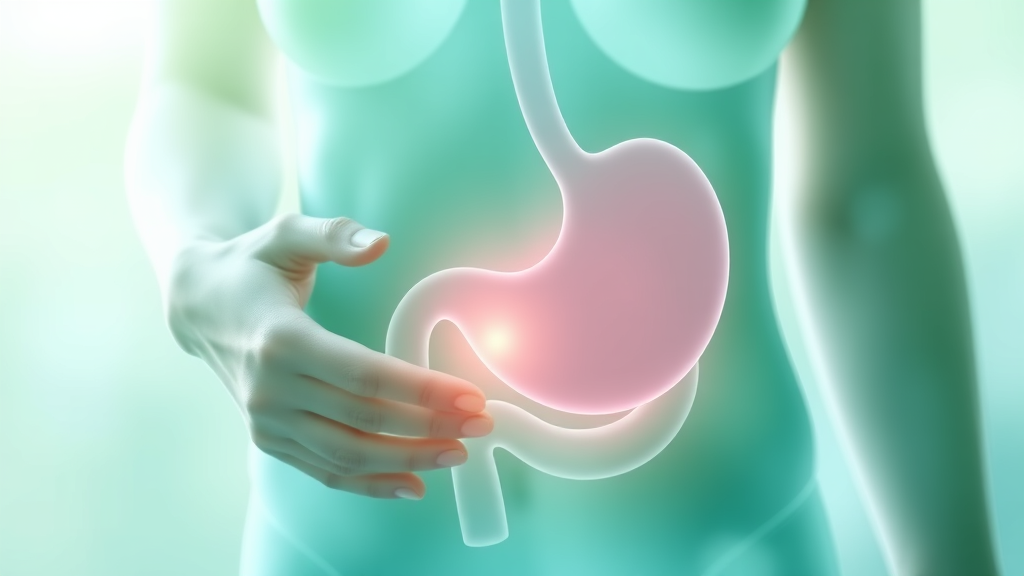
Living with persistent stomach pain, bloating, and digestive discomfort can feel overwhelming and isolating. If you’ve been diagnosed with Helicobacter pylori (H. pylori) infection, you’re not alone in this journey. This bacterial infection affects millions of people worldwide, causing symptoms that can significantly impact daily life and overall well-being. The good news is that effective treatment exists, and triple therapy for H. pylori has emerged as a proven path to relief and healing.
Understanding your treatment options can feel daunting, especially when dealing with the physical and emotional toll of chronic stomach issues. Triple therapy represents a comprehensive approach that combines multiple medications to effectively eliminate H. pylori bacteria while supporting your body’s natural healing process. This treatment protocol has helped countless individuals reclaim their digestive health and return to enjoying meals without fear or discomfort.
Understanding H. Pylori Infection
Helicobacter pylori is a spiral-shaped bacterium that colonizes the stomach lining, creating an environment that can lead to chronic inflammation, peptic ulcers, and in some cases, more serious complications. This resilient bacteria has adapted uniquely to survive in the acidic environment of the stomach, where most other microorganisms cannot thrive. According to the Mayo Clinic, H. pylori infection is one of the most common bacterial infections worldwide, affecting approximately two-thirds of the global population.
The symptoms of H. pylori infection can vary significantly from person to person. Some individuals may experience no symptoms at all, while others deal with persistent abdominal pain, bloating, nausea, loss of appetite, and frequent burping. The psychological impact of these symptoms shouldn’t be underestimated – chronic digestive issues can lead to anxiety around eating, social isolation, and decreased quality of life. Understanding that these feelings are valid and that effective treatment is available is the first step toward healing.
The bacteria spreads primarily through person-to-person contact, often within families or close-knit communities. Poor sanitation and crowded living conditions can increase transmission risk. Once established in the stomach, H. pylori can persist for years without treatment, gradually weakening the protective mucous layer of the stomach and potentially leading to ulcer formation or gastritis.

What Is Triple Therapy?
Triple therapy for H. pylori is a carefully designed treatment regimen that combines three different medications to effectively eradicate the bacterial infection. This approach has become the gold standard for H. pylori treatment because it addresses the infection from multiple angles, significantly increasing the likelihood of successful bacterial elimination. The “triple” designation refers to the use of three distinct therapeutic agents working synergistically to overcome the bacteria’s natural resistance mechanisms.
The foundation of triple therapy rests on combining a proton pump inhibitor (PPI) with two different antibiotics. This combination approach is essential because H. pylori has developed resistance to single-antibiotic treatments over time. By using multiple antibiotics simultaneously, the therapy can overcome bacterial resistance patterns and ensure more complete eradication. The PPI component plays a crucial role by reducing stomach acid production, creating a more favorable environment for antibiotic effectiveness.
Healthcare providers may recommend different variations of triple therapy based on individual patient factors, including previous antibiotic use, known allergies, regional resistance patterns, and overall health status. The most commonly prescribed combinations include clarithromycin-based triple therapy and metronidazole-based triple therapy, each tailored to maximize effectiveness while minimizing potential adverse reactions.
How Triple Therapy Works
The mechanism of action behind triple therapy for H. pylori involves a coordinated attack on the bacterial infection while simultaneously protecting and healing the stomach lining. Each component of the therapy plays a specific and vital role in this comprehensive treatment approach. Understanding how these medications work together can help you feel more confident and informed about your treatment journey.
Proton pump inhibitors form the cornerstone of the therapy by dramatically reducing stomach acid production. This acid suppression serves multiple purposes: it creates a less hostile environment for the antibiotics to work effectively, allows damaged stomach tissue to begin healing, and helps alleviate symptoms like heartburn and stomach pain. Common PPIs used in triple therapy include omeprazole, lansoprazole, and esomeprazole.
The antibiotic components target the H. pylori bacteria through different mechanisms, preventing the development of resistance. Clarithromycin works by inhibiting bacterial protein synthesis, effectively stopping the bacteria from reproducing. Amoxicillin disrupts the bacterial cell wall, leading to cell death. When metronidazole is used instead of clarithromycin, it interferes with the bacteria’s DNA, preventing replication and ultimately destroying the infection.
This multi-pronged approach is particularly important because H. pylori has developed sophisticated survival mechanisms. The bacteria can form protective biofilms and develop resistance to individual antibiotics. By attacking through multiple pathways simultaneously, triple therapy overwhelms these defensive mechanisms and achieves higher eradication rates than single-drug approaches. This comprehensive strategy is similar to other therapeutic approaches, such as guided biofilm therapy, which also targets bacterial infections through multiple mechanisms.
Treatment Protocols and Medications
The specific medications and dosing schedules for triple therapy can vary based on several factors, but certain protocols have proven most effective through extensive clinical research. The standard treatment duration is typically 10-14 days, though some healthcare providers may recommend shorter or longer courses based on individual circumstances and local resistance patterns.
The most commonly prescribed triple therapy regimen includes:
- Proton Pump Inhibitor: Usually omeprazole (20mg twice daily), lansoprazole (30mg twice daily), or esomeprazole (40mg once daily)
- Clarithromycin: 500mg twice daily
- Amoxicillin: 1000mg twice daily
For patients with penicillin allergies or in areas with high clarithromycin resistance, alternative regimens may include:
- PPI (same dosing as above)
- Metronidazole: 400-500mg twice daily
- Tetracycline: 500mg four times daily
Adherence to the prescribed schedule is crucial for treatment success. Missing doses or stopping treatment early can lead to incomplete bacterial eradication and potential development of antibiotic resistance. It’s important to take all medications as directed, even if symptoms improve before completing the full course. Similar to other medical therapies like periodontal therapy, consistent adherence to the treatment protocol is essential for optimal outcomes.

Managing Side Effects
While triple therapy is generally well-tolerated, understanding potential side effects and management strategies can help you navigate treatment more comfortably. Most side effects are mild and temporary, resolving once treatment is completed. However, being prepared and knowing how to address these effects can significantly improve your treatment experience.
Common side effects may include:
- Gastrointestinal effects: Nausea, diarrhea, abdominal cramping, and changes in taste
- Oral effects: Metallic taste, dry mouth, or oral thrush
- General effects: Headache, dizziness, or mild fatigue
To minimize digestive side effects, take medications with food unless otherwise directed. Eating bland, easily digestible foods during treatment can help reduce nausea and stomach upset. Probiotics may help maintain healthy gut flora during antibiotic treatment, though you should discuss this with your healthcare provider first. Staying well-hydrated and getting adequate rest can help your body cope with the treatment more effectively.
The metallic taste associated with clarithromycin is temporary but can be bothersome. Sugar-free gum, frequent mouth rinsing, and consuming citrus fruits (if tolerated) may help alleviate this effect. If you experience severe or persistent side effects, don’t hesitate to contact your healthcare provider. They may be able to adjust your regimen or provide additional supportive care. Understanding potential side effects is important across all therapies, similar to being informed about IG therapy side effects when considering immunoglobulin treatments.
Success Rates and Expectations
Triple therapy for H. pylori has demonstrated impressive success rates in clinical studies and real-world applications. According to research published by the National Institutes of Health, standard triple therapy achieves eradication rates of 70-85% when patients complete the full treatment course as prescribed. These success rates can vary based on factors such as bacterial resistance patterns, patient compliance, and individual health factors.
Several factors can influence treatment success:
- Medication adherence: Taking all medications exactly as prescribed
- Treatment duration: Completing the full course, typically 10-14 days
- Bacterial resistance: Local patterns of antibiotic resistance
- Individual factors: Overall health, previous antibiotic exposure, and genetic factors
It’s important to have realistic expectations about the treatment timeline. While some patients notice symptom improvement within the first few days of treatment, complete bacterial eradication takes the full treatment course. Symptoms may even temporarily worsen during the first few days as your body adjusts to the medications. This is normal and doesn’t indicate treatment failure.
If initial triple therapy is unsuccessful, don’t lose hope. Second-line treatments, including quadruple therapy regimens, can achieve success rates of 85-95%. Your healthcare provider will work with you to determine the most appropriate next steps based on your individual situation and treatment response. The key is maintaining open communication with your healthcare team throughout the process.
Lifestyle Support During Treatment
Supporting your body during triple therapy involves more than just taking medications. Adopting certain lifestyle practices can enhance treatment effectiveness, minimize side effects, and promote overall healing. These supportive measures work synergistically with your medical treatment to optimize outcomes and improve your comfort during the healing process.
Dietary considerations play a crucial role during treatment. Focus on consuming easily digestible, nutrient-rich foods that support your body’s healing processes. Avoid alcohol completely during treatment, as it can interfere with antibiotic effectiveness and increase the risk of side effects. Limit spicy, acidic, and heavily processed foods that might irritate your already sensitive stomach lining.
Beneficial dietary choices include:
- Bland, soft foods like rice, bananas, and toast during acute symptoms
- Probiotic-rich foods like yogurt and kefir (if tolerated) to support gut health
- Plenty of water to stay hydrated and help flush toxins
- Small, frequent meals rather than large portions
- Foods rich in vitamins C and E to support immune function
Stress management is equally important during treatment. Chronic stress can negatively impact immune function and digestive health, potentially interfering with healing. Consider incorporating gentle stress-reduction techniques like deep breathing exercises, light meditation, or gentle yoga. Quality sleep is essential for healing, so prioritize good sleep hygiene during your treatment period.
Some patients find complementary approaches helpful alongside their medical treatment. While these should never replace prescribed medications, approaches like gentle herbal teas (with your doctor’s approval) or relaxation techniques can provide additional comfort. Just as patients seeking IV vitamin therapy near me often combine medical treatment with lifestyle support, H. pylori patients benefit from a holistic approach to healing.
Post-Treatment Care and Follow-Up
Completing your triple therapy regimen marks an important milestone, but the journey to full recovery continues with proper follow-up care. Post-treatment monitoring is essential to confirm bacterial eradication and ensure complete healing of any stomach damage caused by the infection. Understanding what to expect during this phase can help you feel confident about your recovery progress.
Follow-up testing typically occurs 4-6 weeks after completing antibiotic treatment. This timing is important because testing too early might yield false results due to residual medication effects. The most common follow-up test is the urea breath test, which is highly accurate for detecting active H. pylori infection. Some healthcare providers may use stool antigen tests or, in certain cases, repeat endoscopy.
During the post-treatment period, continue to be mindful of your digestive health and overall well-being. Some patients experience ongoing mild digestive sensitivity even after successful bacterial eradication, as the stomach lining continues to heal. This is normal and typically resolves over several weeks to months. Maintain the healthy dietary and lifestyle practices you adopted during treatment to support continued healing.
Long-term prevention strategies include:
- Practicing good hygiene, especially handwashing
- Avoiding sharing utensils or drinking from the same containers
- Ensuring food safety and proper food preparation
- Managing stress effectively
- Maintaining regular healthcare check-ups
If follow-up testing confirms successful eradication, you can gradually return to your normal diet and activities. However, it’s wise to continue avoiding known stomach irritants like excessive alcohol, NSAIDs (unless medically necessary), and highly spicy foods for several more weeks. Your healthcare provider will guide you on when it’s safe to resume any medications that were temporarily discontinued during treatment.
Some patients may require additional treatments if initial triple therapy is unsuccessful. This doesn’t mean failure – it simply means trying a different approach. Second-line treatments often involve different antibiotic combinations or extended treatment durations. The important thing is to work closely with your healthcare provider to find the most effective treatment for your specific situation, similar to how patients work with specialists in other areas like blood therapy for cancer.
Frequently Asked Questions
How long does it take for triple therapy to work?
While the medication course typically lasts 10-14 days, you may begin to notice symptom improvement within the first few days of treatment. However, complete bacterial eradication requires finishing the entire prescribed course. Full healing of stomach damage can take several weeks to months after successful treatment completion.
Can I drink alcohol during triple therapy treatment?
No, you should completely avoid alcohol during triple therapy treatment. Alcohol can interfere with antibiotic effectiveness, increase the risk of side effects, and potentially cause dangerous interactions with metronidazole if it’s part of your regimen. It’s best to avoid alcohol for at least 48 hours after completing treatment as well.
What should I do if I miss a dose of my triple therapy medications?
If you miss a dose, take it as soon as you remember, unless it’s almost time for your next scheduled dose. Don’t double up on doses to make up for a missed one. If you miss multiple doses or have concerns about adherence, contact your healthcare provider immediately, as this can affect treatment success.
Are there any foods I should avoid during triple therapy?
Yes, avoid alcohol completely, limit spicy and acidic foods, and reduce consumption of dairy products if they cause digestive upset. Focus on bland, easily digestible foods like rice, bananas, toast, and clear broths. Avoid taking medications with dairy products as calcium can interfere with antibiotic absorption.
What happens if triple therapy doesn’t work the first time?
If initial triple therapy is unsuccessful, your healthcare provider will likely recommend a different antibiotic combination or a quadruple therapy regimen. Success rates for second-line treatments are typically higher than initial therapy. Don’t be discouraged – many patients achieve successful eradication with alternative treatment approaches.
Can I take probiotics during triple therapy?
While probiotics may help maintain gut health during antibiotic treatment, you should discuss this with your healthcare provider first. Some probiotics might interfere with antibiotic absorption if taken at the same time. If approved, take probiotics at least 2-3 hours apart from your antibiotics.
How will I know if the treatment was successful?
Success is confirmed through follow-up testing, typically performed 4-6 weeks after completing treatment. The most common test is the urea breath test, which can accurately detect active H. pylori infection. Your healthcare provider will schedule appropriate follow-up testing based on your individual situation and treatment response.